

Freeze dried raw pet food is becoming a go-to choice for pet owners who want simple, nutrient-rich meals for their dogs and cats—without the headaches of traditional raw feeding. But does it live up to the hype, and what are the hidden downsides you need to watch for?
Key Takeaways
- The freeze dried raw pet food market is booming, but costs and product transparency are major concerns.
- Scientific evidence comparing freeze dried food to kibble or canned diets is still limited.
- Transitioning pets requires careful steps—sudden changes can trigger digestive issues.
- What Is Freeze Dried Raw Pet Food? (And Why Owners Are Switching)
- How To Feed Freeze Dried Raw Pet Food: Step-By-Step Guide
- Advanced Analysis and Common Pitfalls
- Conclusion
- Frequently Asked Questions
What Is Freeze Dried Raw Pet Food? (And Why Owners Are Switching)
Freeze dried raw pet food starts as fresh, raw meat and other whole-food ingredients. The food is quickly frozen, then water is pulled out using a special vacuum process that preserves the natural flavor and most nutrients. The result is a lightweight, shelf-stable food that can be served dry or rehydrated with water. This method appeals to pet owners looking for convenience, better digestibility, and a diet closer to what dogs and cats would eat in nature.
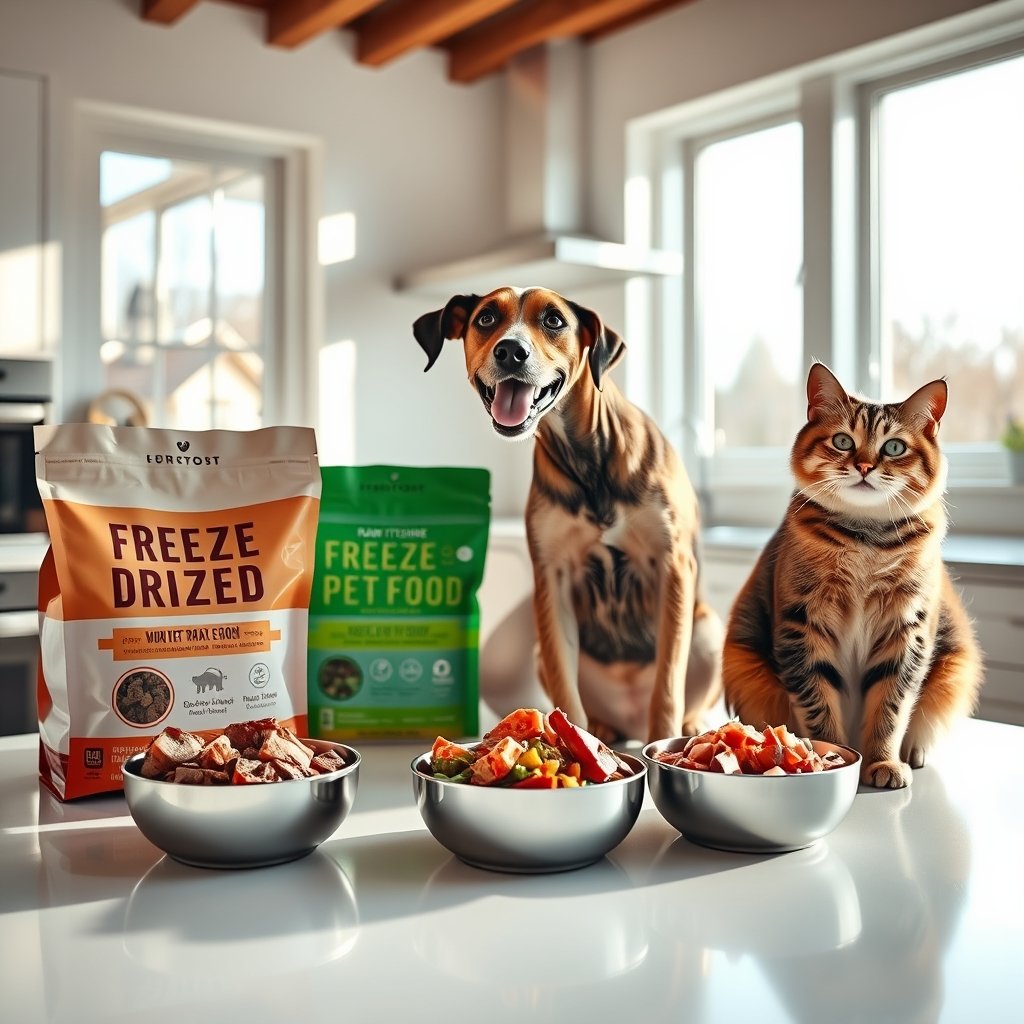
According to Valuates Reports, the global freeze-dried pet food market reached USD 2.1 billion in 2024, driven mostly by dog owners seeking high-quality, nutrient-rich alternatives to processed kibble. Growth is surging due to increased awareness about the health impacts of pet nutrition and a trend toward premium, easy-to-prepare foods. Dogs represent more than 60% of freeze dried food sales worldwide.
While freeze dried foods generally preserve more nutrients than cooking, documented scientific comparisons with kibble and canned foods are still lacking (Technavio). Owners should weigh both the convenience and knowledge gaps when choosing this feeding approach.
How To Feed Freeze Dried Raw Pet Food: Step-By-Step Guide
If you’re considering freeze dried raw for the first time, here’s a proven, realistic process to get started—minimizing the risk of digestive trouble and wasted food.
- Start with a Single-Protein Source
Choose a freeze dried formula with limited ingredients and just one main protein (such as turkey or lamb). This helps identify intolerances and eases digestion. - Transition Gradually
Over 7–10 days, mix increasing amounts of freeze dried food into your pet’s current meals. Sudden switches often cause loose stools or vomiting. - Rehydrate Thoroughly
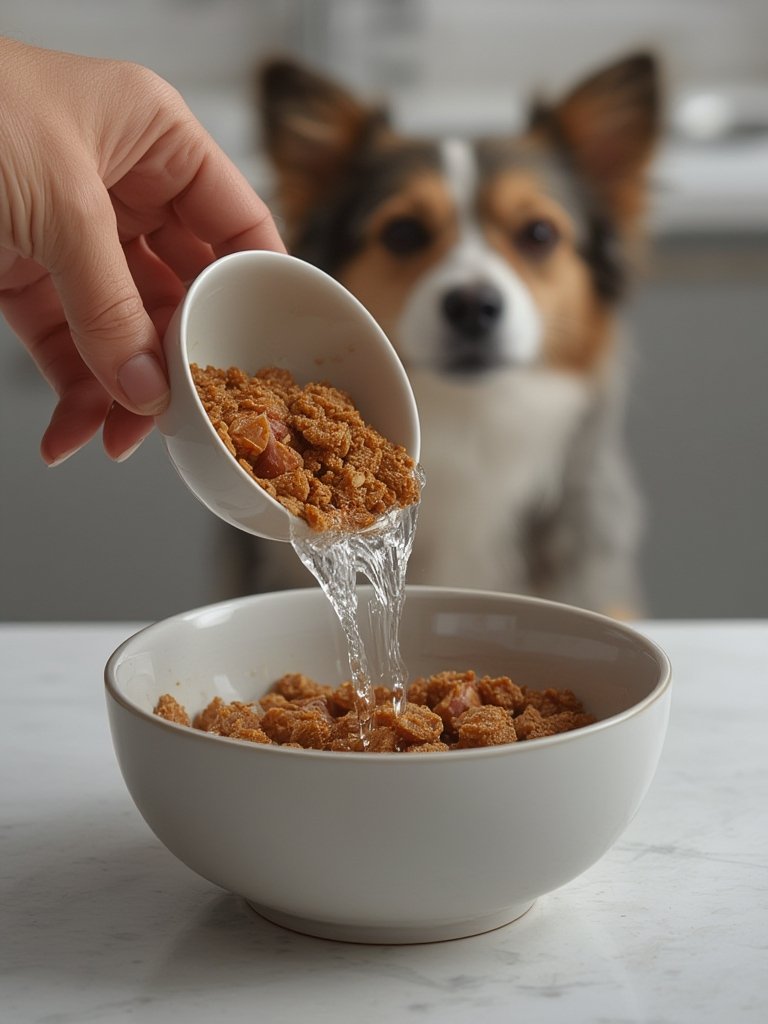
Add enough water to fully soften the pellets or chunks. Let sit for 2–5 minutes. For cats, increase water for extra hydration benefits. - Watch for Changes
Monitor stool consistency, appetite, and energy. If stomach issues appear, slow the transition or add a small spoonful of pumpkin for fiber. - Calculate the Right Portion
Freeze dried food is calorie-dense. Use a kitchen scale for accuracy and consult feeding charts, but adjust based on your pet’s weight and activity.
Other actionable tips:
- Store unused freeze dried food in an airtight container away from sunlight.
- Wash hands, bowls, and utensils after every feeding to minimize bacteria risk.
- Never feed past the expiration date, and discard any product with changes in smell, color, or texture.
- To save money, buy in bulk only once your pet reliably tolerates the food to avoid waste.
For homeowners focused on wellness and pet-friendly living spaces, check out our guides on aging-in-place remodels and cold plunge pool setups for a holistic approach.
Advanced Analysis and Common Pitfalls
Freeze dried raw pet food looks like the perfect compromise—but there are frequent problems and misconceptions to be aware of as a realistic owner.
- Lack of Market Transparency: Most brands do not publicly disclose details about sourcing, ingredient quality, or manufacturing certifications. Food safety recalls are rarely reported in consumer-facing channels.
- High Cost and Value: Freeze drying technology is expensive. Expect to pay much more per serving compared to kibble—often double or triple. Cost is strongly influenced by protein source and packaging size, with exotic proteins costing more, but concrete comparative price data remains scarce (Technavio).
- Nutritional Gaps: Scientific data showing real nutritional advantage over high-quality kibble or wet food is missing. General claims of “superior nutrition” are not always backed by research.
- Digestive Upset: Rapid transitions, overfeeding, or improper rehydration can cause diarrhea or vomiting. Sensitive pets, puppies, and seniors are most at risk.
- Lack of Vet Guidance: Despite increased vet endorsement in 2024 for high-protein/raw-inspired diets (Future Market Insights), there are still no standardized vet transition guidelines or breed/age-specific protocols found in current research.
| Feeding Type | Pros | Cons |
|---|---|---|
| Freeze Dried Raw | Convenient, shelf-stable, more natural texture, claims of better nutrition retention. | Expensive, inconsistent quality control, little clinical research, more prep time than kibble. |
| Kibble | Low cost, easiest to store and serve, widely available, heavily regulated. | More processing, less palatability for some pets, may contain more fillers. |
| Canned/Wet | High moisture content, good for hydration, high palatability. | Short shelf life after opening, heavier packaging, can be costly over time. |
| Air Dried | Less processed than kibble, closer to raw, easy to serve. | Less shelf life than freeze dried, product unevenness, cost varies. |
Looking to save on pet wellness while improving your home? Explore our budgeting advice for crawl space encapsulation or discover soundproofing techniques for your home office—both can help create a cleaner, pet-friendly living environment.
Conclusion
Freeze dried raw pet food is gaining traction for its balance of nutrition, convenience, and premium appeal. But it is not a silver bullet: expect higher costs, knowledge gaps, and the same need for vigilance as with any pet food. Do your research, transition slowly, and stay alert for your pet’s unique responses. Want more advanced pet wellness tips and honest guides? Subscribe now and get our expert recommendations for navigating the world of freeze dried raw pet food and healthy living for both you and your furry family members.
Frequently Asked Questions
Is freeze dried raw pet food safe for puppies and seniors?
It can be safe, but always transition slowly and consult your veterinarian first. Puppies and seniors often require more careful monitoring to avoid digestive upset.
How long does freeze dried raw food last after opening?
Most brands recommend using it within 30 days of opening if stored in a cool, dry place in a sealed container.
What’s the best way to rehydrate freeze dried pet food?
Use warm water, not hot. Add enough to fully cover the food, let it soak for at least 2–5 minutes, and ensure the food is soft before serving.
How do freeze dried recipes compare nutritionally to kibble?
Manufacturers claim freeze drying better preserves nutrients and taste, but scientific studies directly comparing freeze dried, kibble, canned, and air dried foods are still lacking.
Can I mix freeze dried raw with other types of pet food?
Yes, many owners successfully combine freeze dried raw with kibble, wet, or air-dried foods. Always transition slowly and monitor your pet for any changes.