

Indoor cat enrichment toys are the single most effective way to keep your house cat both physically and mentally healthy—all without risking the dangers of outdoor access. Done right, they transform solitary, often bored pets into curious, confident explorers, cutting down on stress and destructive behavior. Here’s how to make enrichment work for your cat, for real.
Key Takeaways
- Interactive enrichment toys are proven to boost indoor cat health by satisfying instinctive needs for hunting, play, and mental stimulation.
- Regular rotation, DIY ideas, and sustainability can make cat enrichment more affordable, more eco-friendly, and suited to special-needs cats.
- Introducing new toys slowly and interacting with your cat amplifies both engagement and behavioral benefits, according to experts.
- The Core Concept: Why Indoor Cat Enrichment Toys Matter
- Step-by-Step Guide: Maximizing Enrichment for Your Cat
- Advanced Analysis & Common Pitfalls
- Conclusion
- FAQ: Indoor Cat Enrichment Toys
The Core Concept: Why Indoor Cat Enrichment Toys Matter
Enrichment toys do more than entertain. They fill a critical void for indoor cats, mimicking the tactics of hunting, foraging, and exploring that felines crave in nature. Without them, you risk seeing stress, anxiety, and destructive habits—scratching the sofa, overgrooming, or relentless yowling. As experts and veterinarians confirm, the right toys activate your cat’s brain and reduce problems like feline obesity or depression. The Cornell Feline Health Center also makes clear: cognitive enrichment and exercise protect long-term health.
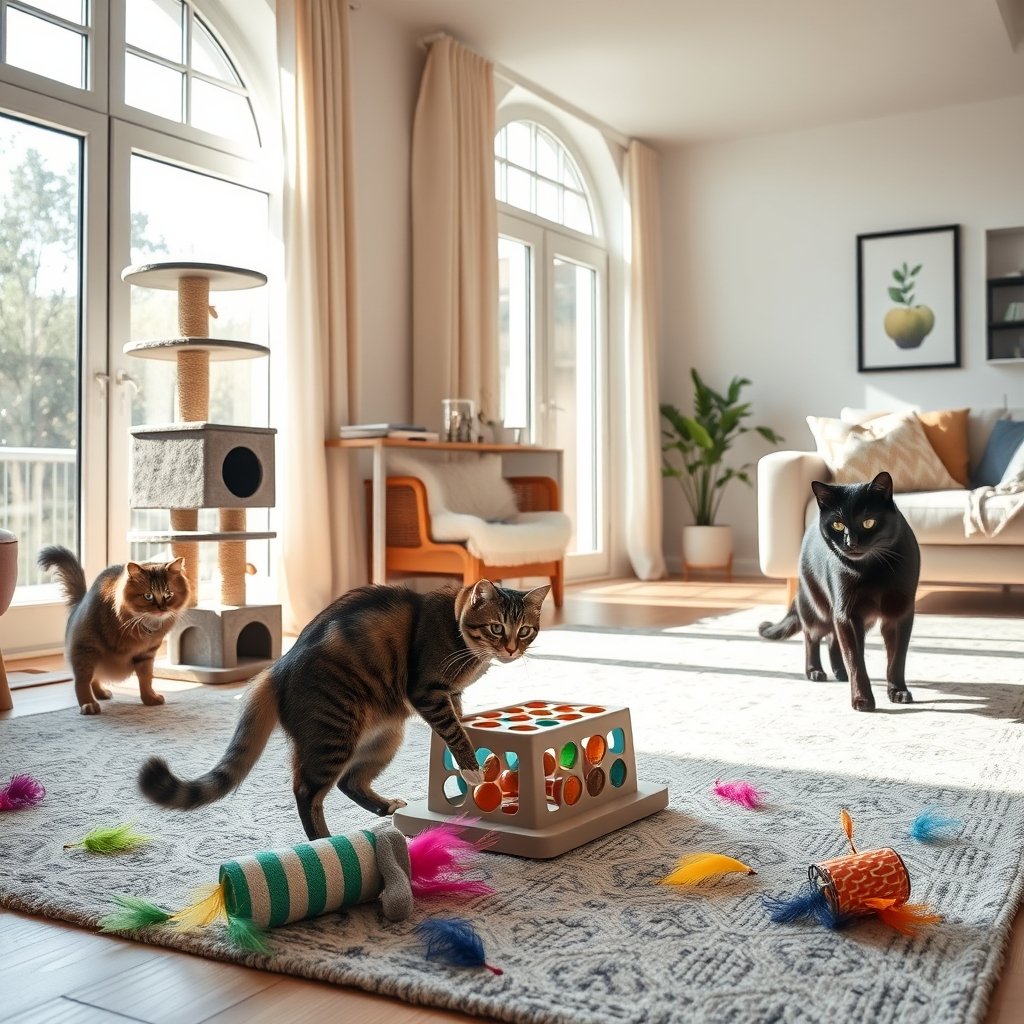
Step-by-Step Guide: Maximizing Enrichment for Your Cat
- Start Simple—Puzzle feeders & Wand Toys.
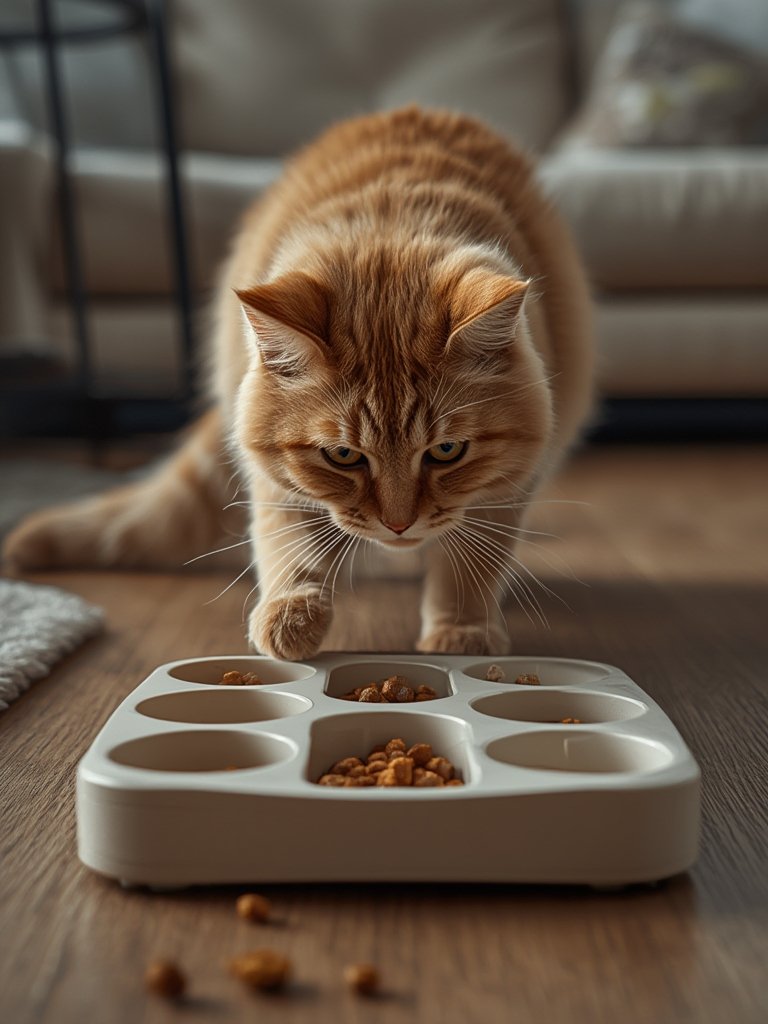
Puzzle feeders satisfy the urge to hunt and make meals more rewarding. Feather wands and teaser sticks mimic prey movements. If your time is tight, try automated toys for 10-15 minutes twice daily. - DIY Options—Save Money, Increase Variety.
Not every cat needs a $40 smart toy. Cardboard boxes with holes, toilet paper tubes stuffed with kibble, or simple paper bags can be transformed into exciting enrichment tools. Rotate everyday items into the mix for novelty and sustainability. - Match Toys to Your Cat’s Needs.
For kittens and energetic cats, use laser pointers (with caution) and electronic mice. For seniors or cats with mobility challenges, pick softer crinkle mats or slow-moving toys. Multi-cat homes benefit from larger interactive surfaces or tunnels to reduce resource-guarding. Aggressive cats may chill with kicker toys laced with catnip or silvervine. - Commit to Toy Rotation Every Few Days.
Veterinarians recommend storing toys out of sight, then reintroducing them in cycles. This keeps toys “novel” and your cat engaged. If you notice boredom, swap in new textures, shapes, or sounds—try mixing cat grass, sisal, and soft plush. - Add Sensory Enrichment—Go Beyond Objects.
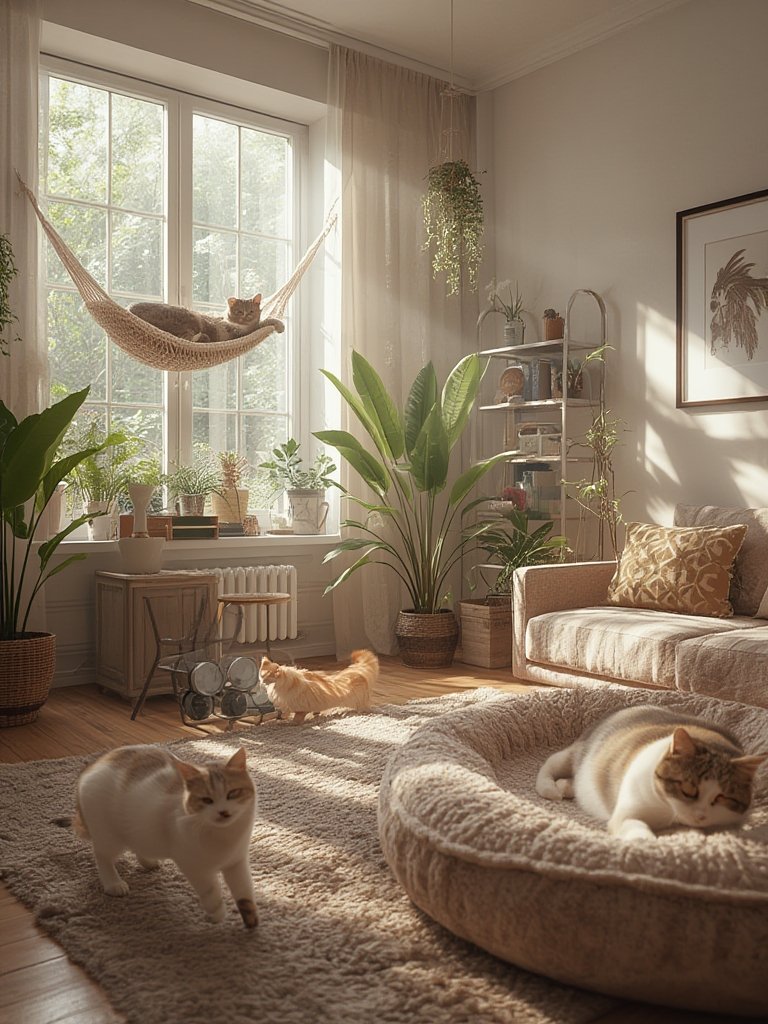
Supplement toys with window bird feeders, cat trees beside sunbeams, or safe, home-grown cat grass. These provide sights, smells, and textures similar to the outside world, supporting physical and mental health as recommended by animal experts.
Want to make the most of your home environment for pets and people? These same principles of smart rotation and adaptive planning cross over to creating a better home office setup or even soundproofing for both human and cat comfort.
Advanced Analysis & Common Pitfalls
Enthusiasm for cat enrichment is growing, but getting it right means avoiding several common pitfalls:
- Leaving Toys Out All the Time: Familiarity breeds boredom. Always rotate and refresh toys, as feline behaviorists suggest.
- Not Considering Special Needs: Senior, disabled, or anxious cats may reject fast-moving or loud toys. Choose adaptable options—crinkle mats, tunnels, or scented kicker toys—for inclusivity.
- Ignoring Sustainability: Many toys are made from plastic or synthetic materials. Try homemade options, or look for brands using natural fibers and recyclable packaging.
- Overlooking Safety: Choking hazards and toxic materials are rare but possible. Only purchase cat-specific toys, regularly check for wear, and supervise play when possible, following safe toy guidelines.
- Spending Too Much—Overthinking Tech: There’s no evidence that expensive subscription boxes or smart toys outperform homemade, interactive options for behavioral health.
| Toy Type | Best For | Potential Downsides | Sustainability Tip |
|---|---|---|---|
| Puzzle Feeders | All cats; slows eating, sharpens mind | Cheap ones may break easily; some cats lose interest | DIY with plastic bottles or cardboard tubes |
| Feather Wands & Teasers | Energetic, playful cats; interactive sessions | Can shred; loose parts may be swallowed | Choose detachable, natural feathery attachments |
| Electronic Toys | Tech-savvy owners; when away from home | Short battery life; frustration if too fast | Opt for rechargeable models or use sparingly |
| DIY Toys | Budget-conscious, crafty owners | Messy if left out; may not last long | Make from upcycled materials like socks and boxes |
Also, if you are optimizing your home for comfort and energy savings—like with heat pump water heater rebates—remember that keeping stress low for both humans and pets improves your entire household’s health.
Conclusion
Indoor cats thrive on curiosity, stimulation, and challenge. As research and veterinary consensus confirm, enrichment toys are not a luxury—they are a necessity for emotional and physical health. Whether you buy, make, or upcycle, the best approach is to combine variety, rotation, and interactive play. Prioritize safety, sustainability, and attention to individual needs and you will unlock all the benefits of indoor cat enrichment toys for your feline—as well as for the human side of your home. Looking for more ways to improve your home? Check our guide on interior window shutter installation for pet-friendly privacy upgrades, or explore the best ways to maximize home resilience with battery backups. Start today: gather a few everyday items, shop smart for cat-safe toys, and make playtime the highlight of your cat’s day!
FAQ: Indoor Cat Enrichment Toys
Do all indoor cats need enrichment toys?
Yes. Even calm or older cats show improved mood, health, and behavior when enrichment toys are used regularly. Cats retain their natural hunting and exploring instincts whether indoors or out.
How often should I rotate my cat’s toys?
Every 3–5 days is ideal. Keep most toys stored out of sight and bring in “fresh” options in cycles to maintain novelty and engagement.
Are DIY cat toys safe?
DIY toys are safe if made from non-toxic, cat-safe materials and checked for loose or swallowable parts. Avoid string, rubber bands, and anything a cat can chew off and ingest.
What’s the best toy for a senior or disabled cat?
Softer, slow-moving toys or toys infused with catnip/silvervine work best. Keep obstacles minimal and focus on scent, sound, and gentle engagement rather than speed or height.
Are electronic and “smart” cat toys worth the investment?
Some cats love automated toys, especially when left alone, but battery life and engagement can be hit or miss. Many cats prefer traditional, interactive play and simple DIY options.