

Slow feeder dog bowl technology has grown fast, but do these bowls really help large dogs eat healthier and avoid digestive upsets or dangerous bloat? If you want the truth about what slow feeders can do—and what they actually can’t—this guide is for you.
Key Takeaways
- No scientific proof ties slow feeder dog bowls to preventing bloat (GDV), digestive issues, or obesity, but some anecdotal evidence suggests they may help slow down greedy eaters.
- Data shows general digestive problems in dogs, yet none links them solely to eating speed or slow feeder usage.
- Practical use and cleaning tips can help you avoid common frustrations with large dog slow feeders.
- What Is a Slow Feeder Dog Bowl and Why Use One?
- How to Use a Slow Feeder Dog Bowl for Large Dogs: Step-by-Step
- Real-World Problems and Pitfalls With Slow Feeder Dog Bowls
- Conclusion & Next Steps
- Frequently Asked Questions
What Is a Slow Feeder Dog Bowl and Why Use One?
A slow feeder dog bowl is a specially designed bowl that features ridges, obstacles, or patterns to make your dog eat more slowly. These bowls are popular with owners of large dogs who gulp their food, a habit that raises the risk of gassiness, vomiting, or even gastric dilatation-volvulus (bloat).
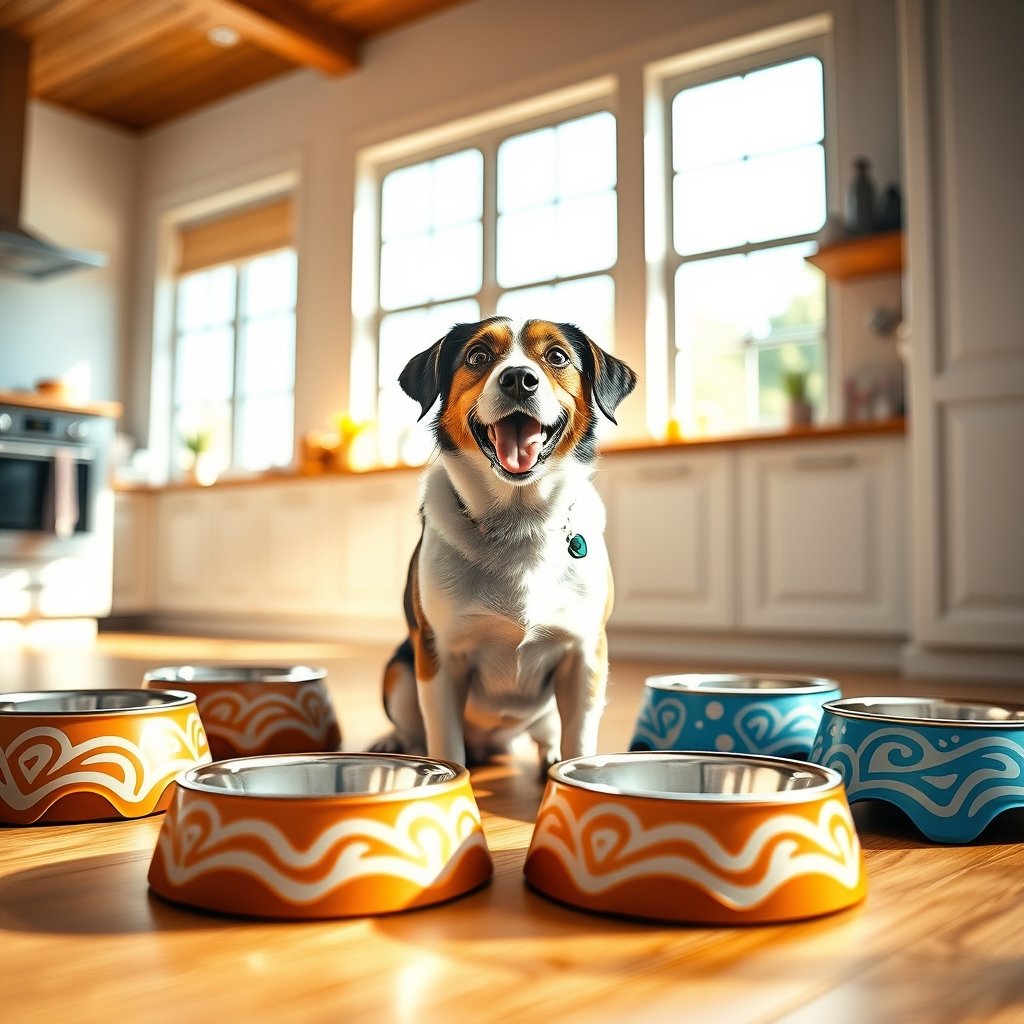
The core theory: slowing a dog’s eating may reduce the chance of dangerous air swallowing (aerophagia), digestive upset, and overeating. However, scientific reviews—such as those from Veterinary Evidence—show there is no hard data proving that slow feeder dog bowls prevent bloat, obesity, or digestive issues. Fast eating may be a risk factor for some dogs, but using these bowls is not a guarantee against health problems.
In most cases, owners use slow feeder bowls to:
- Keep large dogs mentally engaged during meals
- Discourage food gulping and reduce mess
- Offer some help in preventing vomiting or excessive gas from rapid eating
If your dog scarfs down food in seconds, trying a slow feeder is a low-risk way to manage the behavior, even if the health benefits aren’t proven in peer-reviewed studies.
How to Use a Slow Feeder Dog Bowl for Large Dogs: Step-by-Step
- Pick the right size bowl. For a large dog, ensure the feeder is deep and wide enough to access food easily, but still features obstacles appropriate for your dog’s snout and tongue size.
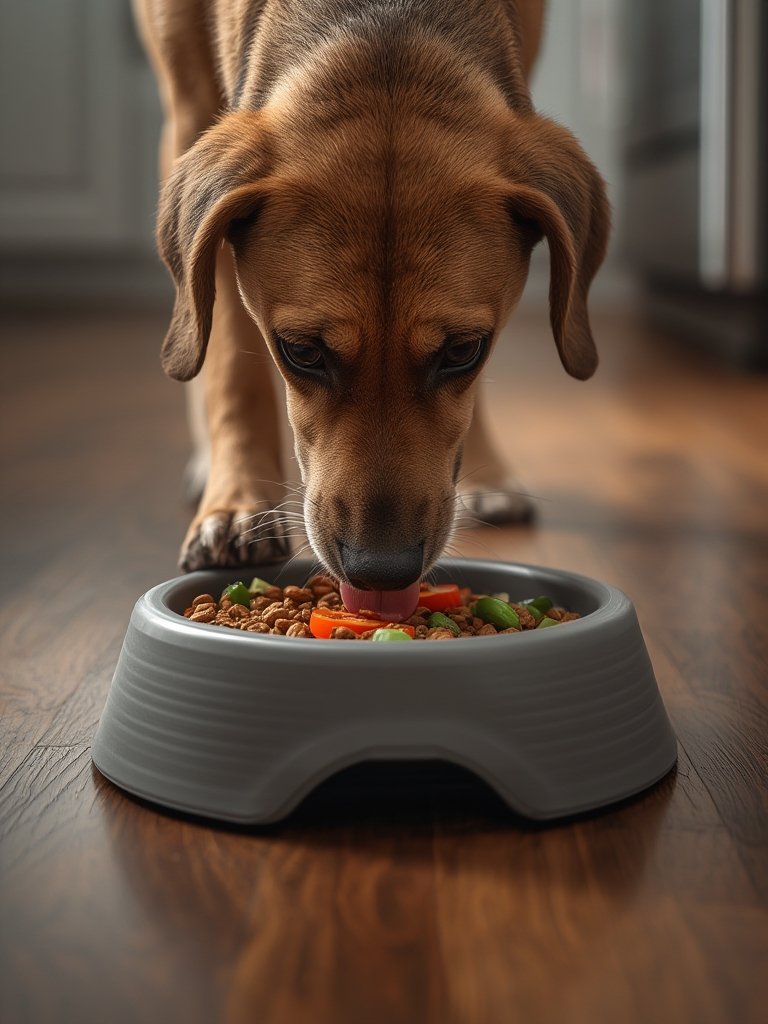
- Introduce the slow feeder gradually. At the first meal, fill the bowl and let your dog sniff and investigate. Some dogs need encouragement; placing a few treats or their favorite food helps.
- Start with dry or semi-moist food. Kibble works best with slow feeders, making it easier for your dog to maneuver food around the obstacles. Wet food can be used, but may be messier and harder to clean off complex ridges.
- Monitor for frustration or refusal to eat. Observe your dog’s reaction, especially for the first few days. If they seem overly frustrated or leave food uneaten, try a model with less extreme barriers.
- Wash the bowl after every meal. Large dog saliva and food remnants attract bacteria. Use hot, soapy water, and choose a dishwasher-safe model if possible for best hygiene.
- Supervise mealtime for at-risk dogs. Particularly if your dog has a history of vomiting, gulping, or bloat, stay nearby in case of choking, stuck food, or bowl-tossing.
For next-level enrichment, mix in safe treats or a scoop from your freeze dried raw pet food routine, or combine the slow bowl with a pet water fountain to encourage better hydration and activity alongside feeding.
Owners using a slow feeder in their new smart home setup might like to automate feeding routines for consistency, as explained in this AI smart home hub setup guide.
Real-World Problems and Pitfalls With Slow Feeder Dog Bowls
Despite their popularity, slow feeder dog bowls have several real-life downsides, especially for big dogs. Here are the key pitfalls to watch for—as well as practical solutions.
- No guarantee of health results: While owners hope slow feeders prevent bloat and digestive trouble, there is no clinical evidence for this. Studies reviewed by Veterinary Evidence and breakdowns from Oz Animal Hospital report that eating speed does not meaningfully affect bloat (GDV) risk in most cases.
- No data on durability or cleaning problems: Surprisingly, user complaints about cleaning, toughness, or effectiveness—especially for large dogs—are not documented in formal studies or review aggregations. That said, owners frequently voice concerns about some brands cracking under rough use or awkwardly shaped bowls being hard to wash.
- Potential for frustration or refusal: If the bowl’s ridges are too high or maze patterns too tight, some large dogs may give up, tip the bowl, or refuse to eat.
- Lack of material or cost data: As of 2024, there’s no published breakdown of slow feeder pricing by brand, material, or features, making it tough to compare cost to value. Owners must judge quality on hands-on inspection.
- No clear winner in device comparisons: There is no head-to-head research comparing slow feeder bowls to puzzle feeders, raised feeders, or other feeding devices in terms of actual health benefit for large breeds. Raised feeders may even add to bloat risk (Willow Glen Pet Hospital).
| Potential Benefit | Reality (2024 Evidence) | How To Maximize Value |
|---|---|---|
| Prevents bloat & serious digestive issues | No scientific proof (see study review) | Use as part of overall feeding management; monitor high-risk dogs |
| Durable and easy to clean | No data on reported issues; real-world owner reviews are mixed | Choose dishwasher-safe, one-piece models with rounded edges |
| Slows eating for large dogs | Widely reported as effective anecdotally | Pick an obstacle layout your dog accepts and can access |
| More affordable than specialty alternatives | No current price analysis; prices may vary wildly by brand/feature | Compare local and online retailers directly |
For hands-on pet owners looking to enrich their dog’s environment, rotating slow feeders with indoor enrichment toys or dog calming supplements can help busy large dogs relax and stay stimulated outside of mealtimes too.
Conclusion & Next Steps
A slow feeder dog bowl can help turn mealtime into a more engaging task for large dogs that eat too quickly, but don’t expect it to cure bloat or resolve all digestive complaints. No matter the claims, current evidence links slow feeders to behavioral improvements—not dramatic health transformations.
If you’re interested in supporting your dog’s health further, consider pairing slow feeder use with a water fountain, rotating bowls and toys, or consulting your vet if you have a breed or individual with a bloat history. Take time to choose well-made, easy-to-clean products to get the real benefits of a slow feeder dog bowl.
Ready to try a slow feeder dog bowl? Start slow, monitor your dog, and see if it adds value alongside your other feeding and health routines. For more ways to enhance your pet’s life, check out starter guides on freeze dried raw pet food or water solutions like the pet water fountain guide.
Frequently Asked Questions
Do slow feeder dog bowls actually prevent bloat?
There is no solid scientific evidence that slow feeder dog bowls prevent bloat (GDV). While rapid eating is sometimes listed as a risk factor, studies reviewed by Veterinary Evidence found no link between eating speed and bloat, and using a slow feeder is not a reliable prevention method.
How do I clean a slow feeder bowl for large dogs?
Use hot, soapy water after every meal or place the bowl in the dishwasher if it is labeled dishwasher safe. Avoid harsh scrubbers that can scratch plastic or silicone.
What food works best in a slow feeder bowl?
Kibble is easiest to use in most slow feeder dog bowls. Wet or raw food can work but may stick to tight crevices, making cleanup harder. Try to rotate foods or use treats for enrichment.
Is it safe to leave my large dog alone with a slow feeder bowl?
Supervise at first, especially with very large or aggressive eaters. Some dogs can flip the bowl, chew off pieces, or become frustrated and paw at obstacles. Once you’re confident in their response, short periods alone should be fine.
Are slow feeder dog bowls better than puzzle feeders?
No research directly compares slow feeder bowls and puzzle feeders for large dogs. Puzzle feeders tend to be more mentally challenging. If your goal is simply to slow eating, slow feeders are usually easier to use daily.