

Pet dental chews have become a staple in many homes, promising a simple way to improve your dog’s oral health. But how do these chews really compare to traditional brushing, and what should you watch out for to keep your pet healthy and safe?
Key Takeaways
- VOHC-approved dental chews can help reduce plaque and tartar but should not replace daily tooth brushing for dogs.
- There are currently no major recall incidents or widely reported safety problems with leading pet dental chews when used as directed.
- Opt for products with the VOHC seal, and consult your vet to ensure they are suitable for your pet’s size, age, and health profile.
- What Are Pet Dental Chews and Why Use Them?
- How to Choose and Use Pet Dental Chews: Step-by-Step Guide
- Advanced Analysis & Common Pitfalls: What the Science and Users Reveal
- Conclusion
- FAQ
What Are Pet Dental Chews and Why Use Them?
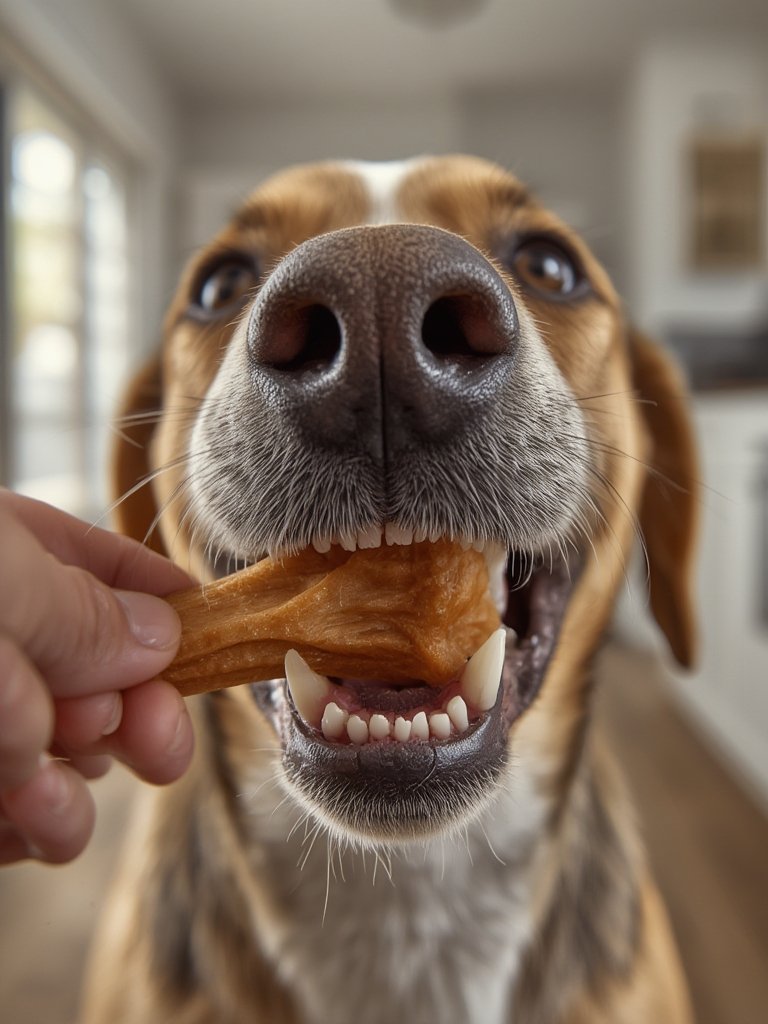
Pet dental chews are edible or chewable products specifically designed to help reduce plaque and tartar buildup on your dog’s teeth. Their texture and shape promote chewing and abrasive contact with tooth surfaces, aiding in the mechanical removal of some dental deposits. While the idea is simple, pet dental chews are not all created equal—and they are intended to be a supplement to, not a substitute for, regular tooth brushing and veterinary dental care.

Recent studies, including a 2023-2024 randomized trial and a comprehensive review, confirm that dental chews—especially those approved by the Veterinary Oral Health Council (VOHC)—can reduce plaque and tartar by at least 20% when used daily. However, chews alone do not reach below the gumline, which is where periodontal disease typically starts. In fact, brushing every other day outperforms chews in removing subgingival deposits, while combining brushing with daily chews gives the best overall results for periodontal health (PMC study).
Despite their popularity, neither user complaints nor independent reviews highlight major ingredient or safety issues for reputable brands. Still, chews cannot fully prevent dental disease or replace professional dental cleanings—a point echoed in most veterinary guidelines.
How to Choose and Use Pet Dental Chews: Step-by-Step Guide
If you want to introduce dental chews into your dog’s routine, follow these realistic, research-backed steps for the best outcome and safety.
- Consult Your Veterinarian First
Some dogs have allergies, underlying oral health issues, or medical conditions (like pancreatitis or sensitive GI tracts) that make certain chews unsafe. Always check before introducing a new chew or treat. - Look for the VOHC Seal
Products with the Veterinary Oral Health Council seal (see more) have passed rigorous testing for plaque and tartar reduction. Examples include brands like Greenies, Whimzees, and OraVet. Look for additives such as enzymes, zinc, and sodium hexametaphosphate for added stain and calculus control. - Choose the Right Size and Texture
Always buy chews appropriate for your dog’s weight and jaw strength. Undersized or brittle chews can pose a choking hazard or cause dental fractures, especially in aggressive chewers. - Feed Chews Daily—Feed Chews Daily—But Not as a Brushing Replacement
Studies suggest giving one approved chew per day is effective for maintaining oral health, but daily brushing is still the gold standard. For best results, pair chews with other healthy pet care routines. - Monitor Your Dog Every Time
Dogs can choke or swallow large pieces. Supervise chewing closely, and remove the chew if it becomes small enough to swallow whole. - Beware of Unregulated Ingredients
While there are no recent recalls, some chews—especially those without a VOHC seal—may contain low-quality fillers, rawhides, or artificial colors/flavors. - Support a Multi-layered Oral Care Strategy
Chews are helpful, but combine them with brushing (even every other day) and regular professional cleanings. For long-term pet wellness, don’t rely on dental chews alone.
For more on holistic pet care, consider reading about freeze dried raw pet food and indoor cat enrichment toys.
Advanced Analysis & Common Pitfalls: What the Science and Users Reveal
While pet dental chews are convenient, their effectiveness and safety can fall short if you depend on them as your only oral care tool. Below are the most important pitfalls and how to avoid them, accompanied by a realistic comparison table of dental chews versus other oral hygiene methods.
| Method | Plaque/Tartar Reduction | Subgingival Cleaning | Choking/Damage Risk | Recommended Frequency |
|---|---|---|---|---|
| VOHC Dental Chews | ≥20% reduction (VOHC standard) | Limited/Not effective | Low (if properly sized) | Daily |
| Brushing (Toothpaste + Brush) | 40%–90% reduction (varies) | Effective if done correctly | Minimal | Daily (or minimum every other day) |
| Raw Bones | 35.5% after 3 days, 70.6% after 12 days | Unknown | Medium (fracture/choking risk) | Occasional, under supervision |
| Professional Cleaning | Complete removal/assessment | Full subgingival cleaning | Minimal (anesthesia-related) | Annually or as needed |
- False sense of security: Many pet owners believe chews alone can replace brushing, but evidence shows even daily chews only match brushing every other day for surface cleaning—not below the gumline (source).
- Unsubstantiated claims: Products lacking the VOHC seal often underdeliver. Without proven data, you may waste money on ineffective chews.
- Ingredient and allergen ambiguity: No widespread ingredient issues have been reported, but always read labels. Dogs with grain, chicken, or beef allergies may react to certain chews.
- Choking and dental break risk: Feeding the wrong size or type of chew, or leaving your dog unsupervised, can result in broken teeth, blockages, or choking—risks increase with powerful chewers or tiny dogs.
- Shortage of long-term studies: There is a lack of real-world comparative trials (VOHC chews vs. brushing) in naturally diseased pets over years, so the true prevention capabilities in diverse home settings remain unclear.
If you’re interested in addressing more than just dental health, integrating dog calming supplements and a slow feeder dog bowl into your daily routine can promote holistic pet wellness.

Conclusion
Pet dental chews are a handy, research-backed addition to any dog’s oral care routine—especially when VOHC-approved. They can significantly reduce plaque and tartar, but they can’t replace brushing or professional cleanings. For the best results, keep up with daily tooth brushing for dogs, use pet dental chews as a supplement, and always consult your veterinarian for personalized guidance. Start protecting your pet’s dental and overall health today—your dog’s tail (and breath) will thank you!
FAQ
Are pet dental chews safe for all dogs?
Dental chews are generally safe for healthy adult dogs, especially when chosen in the correct size and VOHC-approved. However, dogs with food allergies, sensitive stomachs, or dental issues may need special types. Always supervise your dog and consult your vet before starting a new dental chew.
Can dental chews completely replace brushing?
No. Studies show dental chews help reduce plaque and tartar on tooth surfaces but are not effective below the gumline, where periodontal disease often begins. For best oral health, combine daily brushing with dental chews and periodic professional cleanings.
What is the VOHC seal, and why does it matter?
The Veterinary Oral Health Council (VOHC) seal guarantees that a dental chew has met an evidence-based standard of reducing plaque and/or tartar by at least 20%. Products without this seal may not be effective, so always look for VOHC approval on the package.
Are there any recent pet dental chew recalls?
No major recalls or safety incidents related to leading dental chews have been reported between 2022 and 2024. However, always purchase from reputable brands and check news alerts or the FDA site for the latest updates.
How often should I give my dog a dental chew?
Most studies and veterinarians recommend one VOHC-approved dental chew per day for maximum effectiveness, used in conjunction with brushing and regular dental check-ups.