

Japandi furniture is rewriting what’s possible for small living rooms, merging serene minimalism and cozy practicality—if you know where to look and how to source the right pieces for your budget.
Key Takeaways
- Japandi furniture demand is booming from 2024–2026, driven by a desire for sustainable, texture-rich living spaces.
- Real users’ top pain points include storage in low-profile pieces, sourcing authentic materials, and balancing cost.
- Stand out by leveraging AR/VR tools, traditional Noren dividers, and multifunctional chabudai tables for improved small-space living.
- Market snapshot — why Japandi is accelerating now
- Design trends shaping Japandi living rooms in 2024–2026
- Real users’ top complaints and practical solutions
- Underexplored Japandi living room ideas (opportunities to stand out)
- Cost breakdown — what it really costs to furnish a Japandi living room
- Sourcing strategy — mainstream retailers vs boutique / Japanese makers
- Materials, color palettes and technical design elements that define Japandi
- Durability & maintenance — how Japandi pieces compare
- Sustainability, certifications and eco options to look for in 2024
- Small-space layout recipes & a shopping checklist
- Visual tools & next steps: use AR/VR, swatches and try-before-you-buy
- Conclusion
- FAQ
Market snapshot — why Japandi is accelerating now
From 2024 to 2026, Japandi furniture is in high demand. Search interest more than doubled year over year by late 2025, according to industry reports. North America and Europe now make up approximately 55% of this market, while Asia-Pacific fills in the remaining 45%, with compact, multifunctional living room pieces especially popular in Tokyo, Osaka, Seoul, and fast-growing cities in India.
The key drivers? Sustainability, the shift toward natural, tactile materials, and innovative retail experiences using AR/VR that let shoppers personalize finishes. Minimalist and eco-friendly furniture sales are projected to soar from about $43 billion in 2022 to more than $80 billion by 2030, pulling Japandi into the mainstream for urban renters and homeowners seeking functional serenity.
Design trends shaping Japandi living rooms in 2024–2026
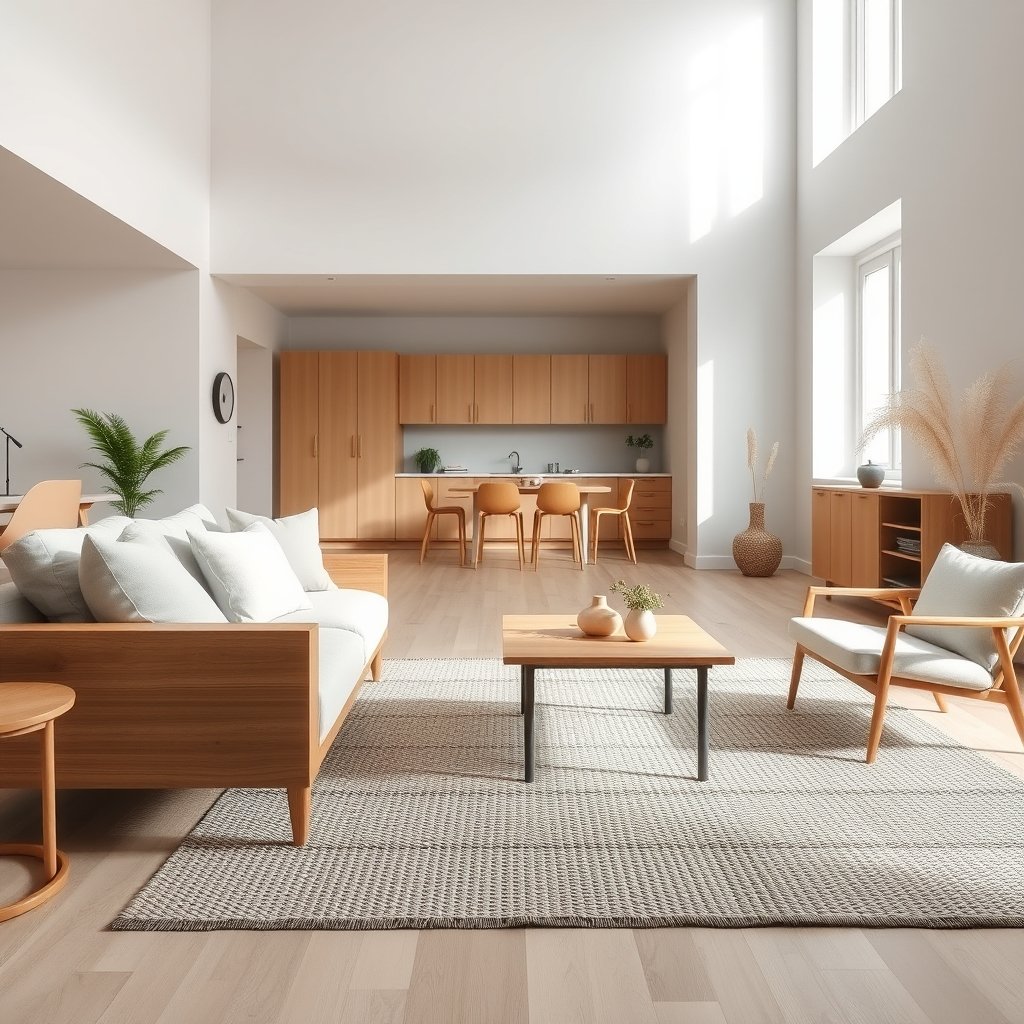
Early Japandi living room ideas centered on stark minimalism. Now, a richer “second wave” aesthetic is emerging. Texture is king: fluted wood panels, tactile fabrics (like linen and bouclé), and a balanced mix of light oak, ash, and darker timbers replace sterile white or blond-only rooms.
This layered minimalism invites warmth and practicality. For example, sculptural fluted oak coffee tables ($1,299 at CB2) and slim, solid wood consoles ($899 at West Elm) help organize and ground the room while prioritizing sustainable materials. Tactile elements—from woven rattan to chunky knits—blur Scandinavian and Japanese influences, making Japandi feel both timeless and on-trend.
Source: Architectural Digest
Real users’ top complaints and practical solutions
Many urban dwellers aiming for Japandi balance run into these recurring pain points:
- Storage vs. low profile: It’s hard finding furniture that is both minimalist and offers real storage.
- High price of quality woods: Solid oak, walnut, or ash pieces can be costly, especially if you want FSC-certified or boutique-made items.
- Fitting Japandi into small floor plans: Even compact designs can crowd a small room if the layout isn’t precise.
- Limited availability of authentic Japanese textiles: Genuine noren, woven cotton, or shikifuton covers are rare at mainstream retailers.
Here’s how to solve them:
- Quick Fix: Look for built-in storage benches or ottomans with hidden compartments that don’t add visual weight.
- Cost Control: Opt for hybrid materials or wood veneers with solid accents to keep prices reasonable (West Elm “Anton” console is under $900).
- Layout Logic: Use a taped floor template and sketch your ideal workflow—don’t trust the dimensions on paper alone. Free online AI makeover tools can help.
- Textile Sourcing: Start with small runs from craftspeople on marketplaces like Etsy or specialized importers; verify provenance and care instructions.
More Japandi picks and pricing details here.
Underexplored Japandi living room ideas (opportunities to stand out)
Most guides miss three key areas that can make your Japandi living room fresh, personal, and future-friendly:
- AR/VR personalization: Major retailers and boutique brands are launching AR and virtual showrooms, letting you preview wood tones and fabrics on your actual floor plan. This reduces costly mistakes and builds confidence before you buy.
- Noren (Japanese fabric dividers): Skip heavy partitions or screens. Instead, use noren to softly define areas—like a workspace nook or a subtle separation between lounge and dining zones. They filter light, add pattern, and preserve airiness. Noren popularity is rising fast, especially in open-plan homes in 2026.
- Multifunctional chabudai tables: Low-slung chabudai function as coffee table, desk, and tea/dining surface. Modern versions often have hinged or drop-down panels for added storage—ideal for small spaces.
These solutions answer storage, zoning, and workspace needs without sacrificing style. See more trends here.
Cost breakdown — what it really costs to furnish a Japandi living room
Here’s a realistic mid-range/boutique Japandi furniture budget for a small-to-medium living room (all prices 2024–2026):
| Item | Mid-Range ($) | Boutique/Authentic ($) |
|---|---|---|
| Sofa (low, slim wood) | 1,200–2,000 | 2,500–5,000 |
| Coffee Table (fluted/sculptural) | 800–1,400 | 1,500–3,800 |
| Media Console (solid/veneer) | 700–1,200 | 1,400–2,800 |
| Side Chair (ash, oak, rattan) | 350–600 | 800–1,600 |
| Rug (natural weave, wool, or cotton) | 250–900 | 1,200–4,000 |
| Textiles/Throw Pillows | 100–300 | 250–800 |
| Lighting (pendant/floor/lamps) | 180–700 | 600–2,200 |
| Accessories (vases, noren, trays) | 50–250 | 180–500 |
Expect to pay a premium for high-grade, sustainably-sourced timbers. For the best value, mix mainstream bases (sofa, rug) with one or two “statement” boutique wood pieces.
Sourcing strategy — mainstream retailers vs boutique / Japanese makers
Mainstream brands like West Elm, CB2, and IKEA now offer Japandi-inspired lines with approachable price points and good availability. Choose these for large items where durability and service support matter most—think sofas or basic storage benches.
Boutique makers and specialist Japanese brands (like Karimoku, Hida Sangyo, or Nitori for international buyers) excel when craft and material quality is your priority. These pieces boast true ash or oak, mortise-and-tenon joinery, and hand-finished details. The result: better aging, unique finishes, and credibility for enthusiasts.
Hybrid strategy: Anchor your room with affordable, neutral staples, then splurge on one handcrafted coffee table or chair to add soul. Japanese brands are expanding overseas to meet demand.
For other home upgrades, see minimalist kitchen design and how to use fluted wall panels.
Materials, color palettes and technical design elements that define Japandi
Key ingredients for authentic Japandi living room ideas:
- Woods: light and mid-oak, ash, dark walnut accents
- Fabrics: linen, bouclé, woven cotton, Japanese slub textiles
- Finishes: matte, low-VOC, hand-finished, visible grain
- Design: fluted wood panels, low-slung silhouettes, slim tapered legs, hidden storage
- Colors: warm whites, fawn, clay, charcoal, muted greens, natural woods
Mixing these calms visual clutter and creates subtle contrast—an effect that has become a defining rule for Japandi interiors.
More on Japandi design rules here.
Durability & maintenance — how Japandi pieces compare
Japandi furniture balances Scandinavian practicality and Japanese rustic warmth—emphasizing solid woods, high-wear finishes, and natural fabrics that age well (if maintained). However, care matters:
- Solid oak, ash, and walnut last decades but can dent if dropped. Wipe up spills promptly to avoid stains.
- Wood veneer or engineered wood costs less—look for thick, high-quality veneer (at least 2mm) to ensure longevity.
- Natural textiles breathe and soften with age, but may be less stain-resistant than synthetics. Consider performance blends where washability is crucial (e.g., sofa slipcovers).
| Material | Durability | Maintenance |
|---|---|---|
| Solid Wood (oak/ash/walnut) | High | Oil/wax seasonally, avoid harsh chemicals |
| Veneer/Engineered Wood | Medium | Use gentle cleaners, avoid standing water |
| Linen, Bouclé, Natural Cotton | Medium-High | Spot clean, machine wash (some covers) |
| Synthetic Blends | High | Machine wash, more stain resistant |
User tip: Always check for FSC certification and ask retailers about durability testing before investing.
Sustainability, certifications and eco options to look for in 2024
Not every “eco” claim is meaningful. Prioritize these:
- Wood sourcing: FSC or PEFC certifications guarantee responsible forestry.
- Low-VOC finishes: Less toxic off-gassing means healthier homes.
- Eco-labels: Look for EU Ecolabel, GREENGUARD, or equivalent marks.
- Minimal packaging: Fewer plastics, more recycled content.
Brands are responding—over 60% of new Japandi furniture launches in 2026 highlight recycled materials and traceable wood. Demand for the broader eco/minimalist segment is on track to double by 2030 (source). For insulation and energy upgrades that support sustainable interiors, review spray foam insulation options as well.
Small-space layout recipes & a shopping checklist
Three layout formulas for the most common Japandi living rooms:
1. Small apartment (20–30 sqm) layout
- Low sofa (170-190cm wide)
- Chabudai table (90–110cm diameter)
- Wall-mount media console (30cm deep)
- Floating shelves or wall hooks for accessories
2. Medium townhouse (30–45 sqm) layout
- Mid-century or low japandi sofa (200–230cm wide)
- Fluted wood coffee table (100–122cm)
- Modular side chair or bench
- Room divider (noren, open shelf)
3. Open-plan loft (45+ sqm) layout
- Sectional sofa (280cm max.)
- Larger chabudai (120cm+ diameter for multi-use)
- Tall open shelving to zone areas
- Multiple lighting sources
Shopping checklist for Japandi living room ideas:
- Measure: wall-to-wall and door clearances
- Finish: natural, matte, fluted or textured
- Material: solid wood or high-quality veneer, linen/cotton, rattan, metal accents
- Certification: FSC, PEFC, GREENGUARD, low-VOC
- Price: set high/low band for each piece
Space-saving strategies are essential—multifunctional pieces (storage ottoman, chabudai) have surged in high-density cities like Tokyo, where 38.1% of households are single-person and average apartments hover around 20 square meters (research). For more zoning/layout approaches, visit these guides on window shutter installation and AI room planning.
Visual tools & next steps: use AR/VR, swatches and try-before-you-buy
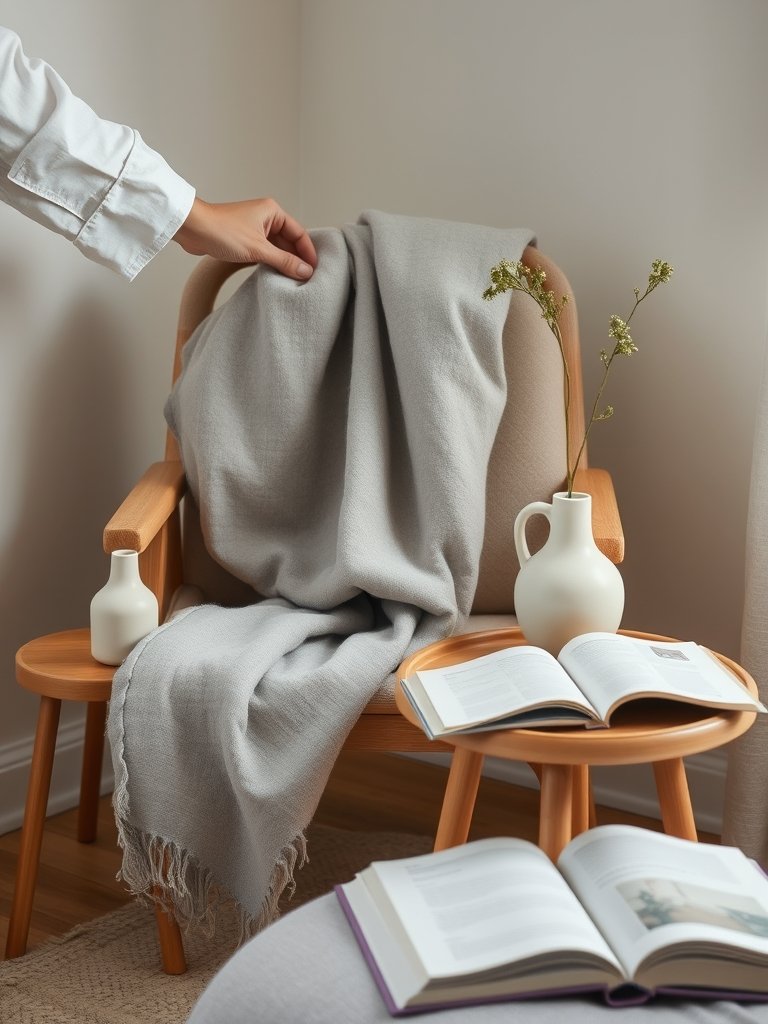
AR/VR showrooms aren’t a gimmick—they’re a practical solution to reducing risk. Nearly every major retailer now offers augmented-reality previews; you can see Japandi furniture in your actual space, swap wood tones, and compare scale before finalizing the order.
Request physical swatches for timber, rattan, and upholstery to get a true sense of color and texture. Finalize purchases only after using measurement templates and confirming return policies—especially for boutique makers with longer lead times.
If possible, visit at least one showroom locally for essential anchor pieces (sofa, media console), or use virtual consultations offered online.
Conclusion
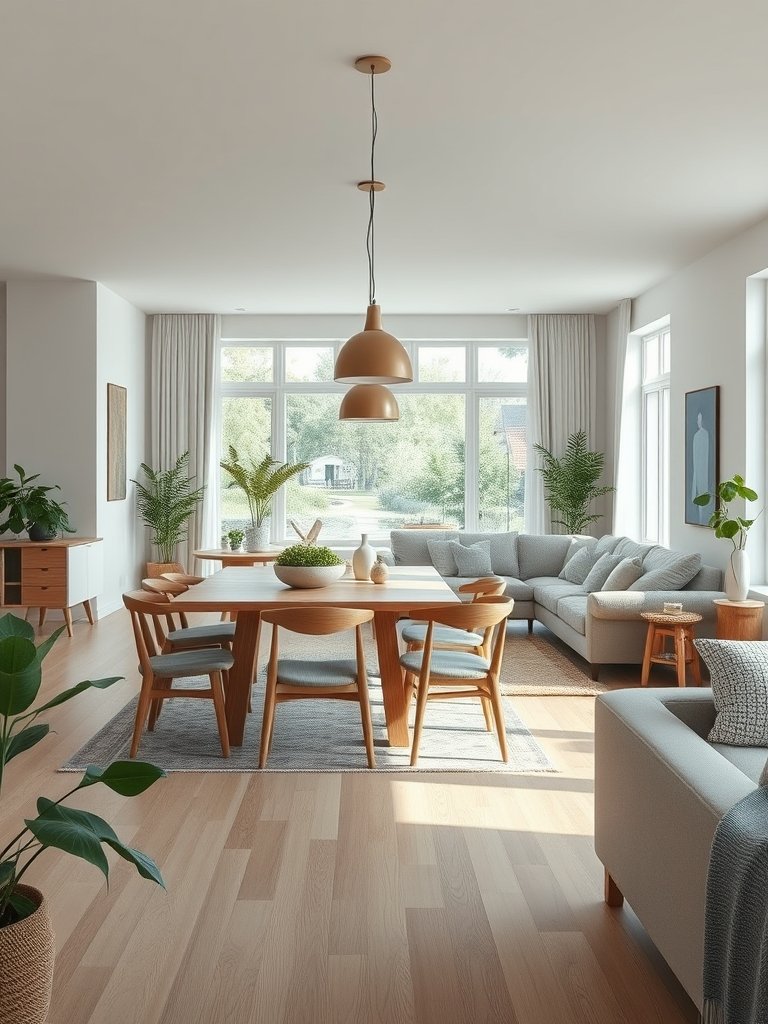
The surge in Japandi furniture is rooted in a shift toward sustainable, wholesome, and practical living room ideas that fit real user budgets and space. The most successful spaces combine mainstream and boutique pieces, emphasize storage, and take advantage of new AR/VR shopping tools. If you want a serene and functional Japandi living room that genuinely works for daily life, start by measuring carefully, mixing materials for warmth, and investing in one or two things you truly love.
Your next step? Try an AR preview, order some wood and textile swatches, and build your own Japandi haven—one durable, authentic piece at a time.
FAQ
What makes Japandi furniture different from standard Scandinavian or Japanese furniture?
Japandi furniture blends Scandinavian functionality and Japanese rustic warmth. It features texture-rich details, slim low profiles, and a muted palette—offering more coziness and depth than either style on its own.
Can Japandi work in a small apartment?
Yes. In fact, Japandi living room ideas are ideal for small spaces thanks to multifunctional pieces (like chabudai tables), low-profile seating, and clever storage. Layout planning is essential.
How can I verify if my Japandi furniture is actually sustainable?
Look for certifications such as FSC, PEFC, or EU Ecolabel. Ask about low-VOC finishes and whether materials are traceable or recycled. Avoid just trusting broad “eco-friendly” labels.
Are there affordable Japandi pieces?
Absolutely. Mainstream brands now offer Japandi-inspired lines at lower prices. Use these for staple items, and invest boutique budget in one standout wood piece to elevate the room.
How do AR/VR tools help when shopping for Japandi furniture?
AR/VR apps allow you to preview different materials, sizes, and layouts in your actual living room using your phone or computer—reducing costly mistakes and boosting confidence before you buy.