

Modular sofa small apartment setups are changing how renters and small-space dwellers furnish and enjoy their homes in 2024. With record-high demand and smarter designs, picking the right sofa can mean the difference between comfort and daily headaches. This guide cuts through the fluff—here’s exactly how to choose, size, and actually live with a modular or sectional sofa tailored for real city apartments, not cavernous showrooms.
Key Takeaways
- Demand for modular sofas and sectional sofas for small spaces hit a record in 2024, with sales around $2 billion and monthly search interest above 110,000.
- Top buyer priorities: easy tool-free assembly, space-saving 2–3 piece layouts, pet-proof and sustainable fabrics, and models that fit through tight doors.
- To avoid pain points, always check specs (dimensions, weight limits, connection type) and use simple hacks like nonslip pads and adjustable connectors.
- Why modular sofas are the best choice for small apartments
- Step-by-step modular sofa setup for small spaces
- Advanced analysis & common pitfalls to avoid
- Conclusion
- FAQ
Why modular sofas are the best choice for small apartments
Modular sofas make sense for city dwellers and renters because they are made from two or three main pieces that snap or slide together. For small apartments, this “breakdown” approach means:
- Reconfigurability: Change your setup when guests sleep over, or adapt to oddly shaped living rooms.
- Space Efficiency: Two–three piece modular layouts, like a chaise plus armless seat, maximize seating without crowding your space.
- Lightweight and Moveable: Most ship in multiple boxes to fit through narrow doors, hallways, or elevators. This matters most if you move every couple of years.
Monthly search interest in 2024 reached about 110,000 for “modular sofa” and 135,000 for “sectional sofa,” reflecting massive demand for furniture that works in small apartments (source).
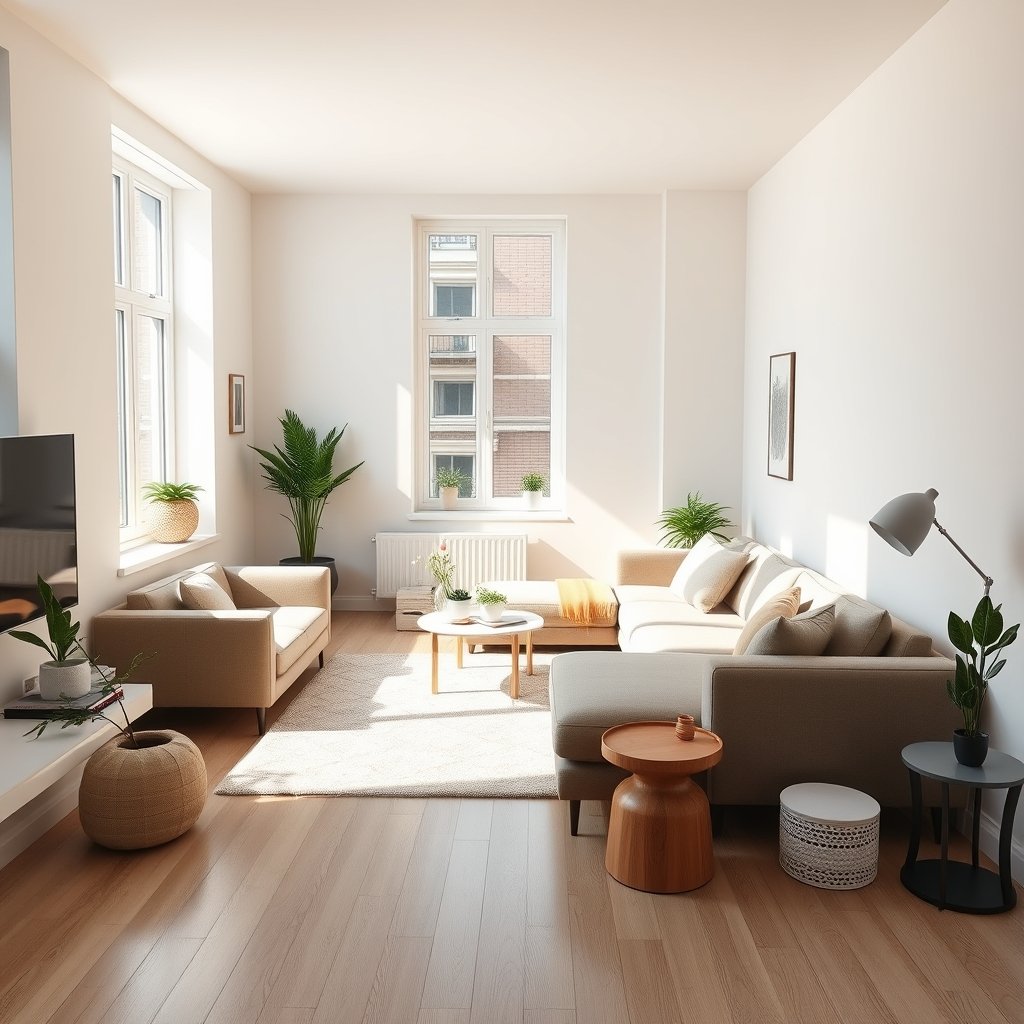
Younger buyers (especially under 40) now favor modular designs for their adaptability and sustainable options, with over 30% opting for reconfigurable sofas in urban settings (source).
For a deeper look at functional, small-space living, check our Japandi furniture guide for small spaces.
Step-by-step modular sofa setup for small spaces
- Measure your space—twice. Map out the sofa’s total footprint (width, depth, and arm width) and check door/hallway and elevator dimensions before ordering.
- Prioritize easy assembly. Look for tool-free, click-lock designs—ideal for renters who expect to move again. Most best-sellers come in two or three flat-packed boxes for single-person carries.
- Select materials smartly. Stick with pet-friendly, stain-resistant fabrics (polyester, advanced microfibers, recycled blends). FSC-certified wood or recycled plastic bases score high on sustainability.
- Check exact specs—not just length. Example specs from 2024 bestsellers:
- Burrow Nomad: 79.9″W x 62.2″D x 35.4″H, 34.6″ seat depth, ~250 lb per seat
- IKEA modular: 101.6″W x 64.6″D x 36.3″H, ~300 lb per module
- Lovesac Sactional: 87″W x 55.9″D x 33.9″H, ~250 lb per section
Always keep at least 30–36 inches of clear walkway around the sofa for comfort (source).
- Secure the modules properly. Use provided connectors, and add nonslip pads beneath feet if you have hard floors. Inspect modular connections for sturdiness and longevity.
- Plan for storage (if needed). Space under chaise lounges or add-on storage ottomans compensate for limited built-in stowage.
- Choose your price tier smartly:
- Budget: $800–$1,900 (fewest features, minimal warranty)
- Mid-range: $2,000–$4,000 (best value for renters, pet-friendly and sustainable finishes)
- Luxury: $4,500–$8,500+ (bespoke fabrics, app control, built-in charging)
Most city-renter bestsellers are solidly mid-range ($2,000–$4,500, source).

Want more low-waste, flexible solutions? See our vertical gardening systems renter guide for apartment-friendly projects that maximize function and style.
Also, for those with pets, check our orthopedic dog bed buying guide for complementary comfort and cleaning tips.
Advanced analysis & common pitfalls to avoid
Real owners report several pain points with sectional sofa for small spaces that can be solved or minimized with upfront planning. Here’s what to expect—and fix:
- Modules drifting apart: This happens most on smooth floors. Use robust metal or rubber connectors and install heavy-duty nonslip pads.
- Wobble: Lightweight units may shift or flex. Place your sofa on a grippy rug and double-check foot stability on uneven floors.
- Limited built-in storage: Many modulars lack drawers or under-seat storage; offset this by adding storage ottomans or using baskets under the chaise section.
- Higher upfront cost vs standard sofas: Modulars often cost more than comparable one-piece sofas but last longer and move easily, saving on future replacements or moving damages.
- Connectors wearing out: Some connector types (plastic sliders or weak clips) don’t survive frequent moves. Inspect before buying or request extra sets from the brand.
Comparison of 2024 bestsellers and their specs:
| Model | Dimensions (W x D x H) | Seat Depth | Per-Seat/Module Weight Limit | Upholstery | Unique Features |
|---|---|---|---|---|---|
| Burrow Nomad | 79.9″x62.2″x35.4″ | 34.6″ | ~250 lb | Polyester or leather | Tool-free assembly, modular, ships in boxes |
| IKEA Modular | 101.6″x64.6″x36.3″ | 31–34″ | ~300 lb | Cotton or mixed fibers | Shipping in boxes, easy to move, budget options |
| Lovesac Sactional | 87″x55.9″x33.9″ | Standard | ~250 lb | Polyester or custom covers | Fully modular, optional storage ottomans, washable covers |
See full reviews on Good Housekeeping.
For ways to solve furniture layout issues in any room, check our minimalist kitchen design guide for advanced space optimization tricks.

Conclusion
The modular sofa small apartment trend is more than a look—it’s a smart, movable investment for renters and pet owners in cities. Buyers should focus on three priorities: size and room fit (measure twice), real build quality (connectors, frames, fabric), and performance in daily life with pets, friends, and frequent moves. Use the right specs and the sanity-saving setup tips above and you’ll avoid the classic pitfalls—awkward returns, sliding seats, and costly mistakes.
If you’re ready to find the perfect sectional sofa for small spaces, explore our compact furniture picks or check out other practical guides like remodeling for long-term comfort. Measure now, start simple, and upgrade as needed—your future self will thank you.
FAQ
How can I ensure a modular sofa will fit through my narrow hallway?
Check the shipping dimensions of each module, not just the assembled size. Most quality modular sofas come in 2–3 boxes designed to fit standard (28–32 inch) doors. Use a tape measure and walk the delivery path from front entry to living room.
What is the average cost of a good modular sofa for a small apartment in 2024?
Mid-market models that balance comfort, easy assembly, and style cost $2,000–$4,500 per unit. Budget models can start around $800, while luxury models with high-end fabrics or smart features run $4,500–$8,500+.
How do I keep sectional sofa pieces from sliding apart on hardwood floors?
Use robust metal or rubber connectors plus heavy-duty non-slip furniture pads. Placing an area rug beneath the sofa also improves grip and stability.
Are modular sofas worth the higher initial cost compared to regular sofas?
For renters or frequent movers, yes. They are designed for easy assembly and disassembly, move well, and resist damage better than single-piece sofas—often paying back their extra cost over 5–10 years of use.
What’s the safest fabric for pet owners?
Performance polyesters, microfibers, and vegan leathers are easiest to clean and resist stains and scratching. Bonus if certified as recycled or stain-resistant by an independent lab.