

Attic conversion to bedroom cost is one of the first questions homeowners ask when considering creating an extra bedroom without expanding their home’s footprint. If you want genuine numbers, real-world checklists, and want to avoid legal, engineering, and budgeting nightmares, this guide is for you.
Key Takeaways
- Expect a typical attic conversion to bedroom cost around $20,000, but projects can run from $7,500 for basic retrofits to $300,000 for large, custom builds involving dormers or roof raises.
- Most of your budget will go to labor (10–20%), structural engineering, permits, and essential upgrades—don’t ignore hidden costs like electrical panel upgrades or hazardous material removal.
- Permits, zoning compliance, and minimum code requirements (like ceiling height and egress window size) are non-negotiable—skipping them can ruin your budget and your home’s resale value.
- How much does an attic conversion to a bedroom cost in 2024?
- Step-by-step attic conversion cost and planning guide
- Advanced analysis & common pitfalls
- Conclusion
- Quick FAQ
How much does an attic conversion to a bedroom cost in 2024?
The average attic conversion to bedroom cost in the US is about $20,000, but the range is enormous. Simple, code-compliant retrofits in smaller markets may slide in as low as $7,500 for 100-square-foot micro conversions. High-end projects—think expansive spaces with dormers and significant structural modifications—can reach $95,000 to $300,000 or more. Most projects fall in the $100 to $200 per square foot cluster in typical metro areas. In expensive regions (California, New York, Hawaii), expect $170 to $300 and up; in lower-cost states (Texas, Florida, North Carolina) you might see $30–$55 per square foot for straightforward jobs.
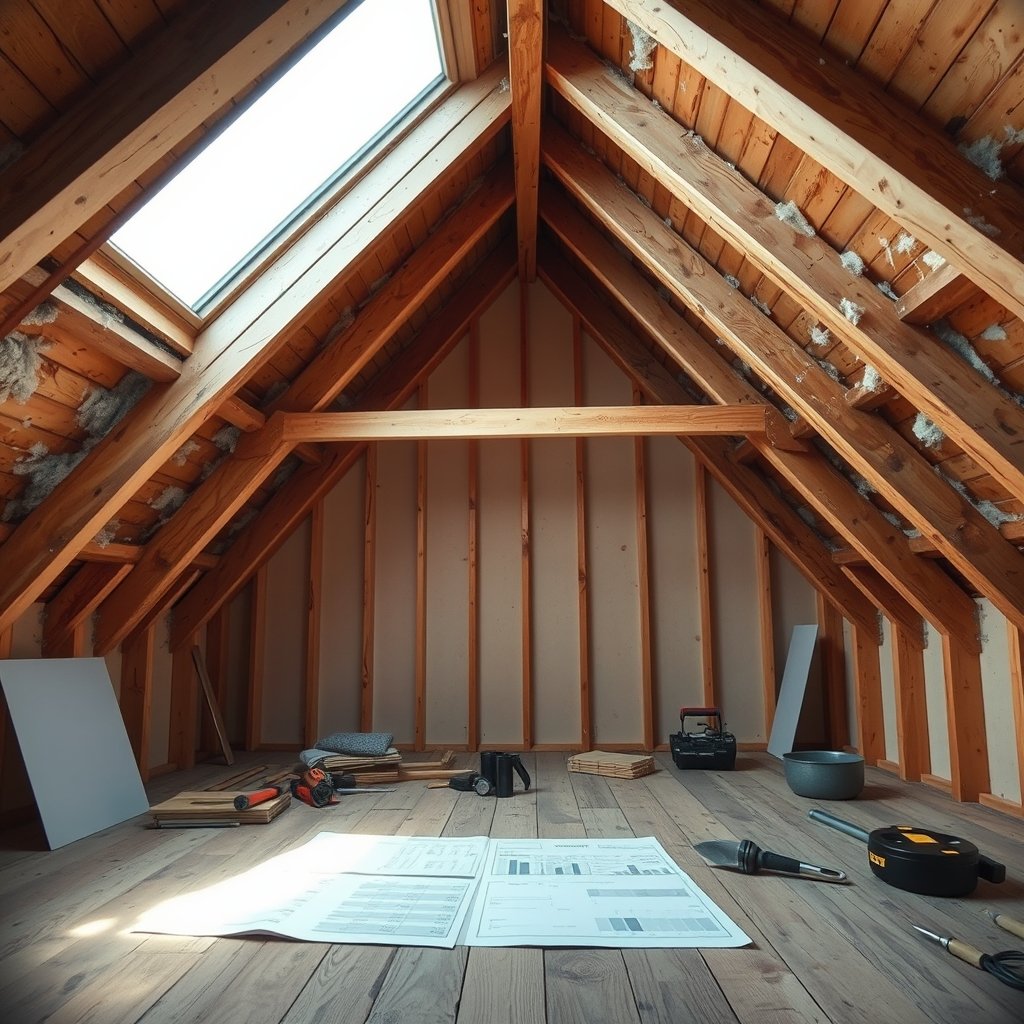
Why such a spread? Factors include existing attic condition, minimum ceiling heights, structural challenges, engineering sign-offs, and local permitting fees. Materials, labor rates, insulation, staircase installs, and new HVAC lines all influence your final cost. The single biggest driver: whether you need major structural changes like a dormer or roof raise [See breakdown].
If you want a room that is truly code-legal for sleeping (with proper egress, heights, and insulation), budget realistically or expect costly delays during inspections. See the full cost breakdown and regional pricing in sources like HomeAdvisor and Angi.
Step-by-step attic conversion cost and planning guide
Transforming your attic into a functional, legal bedroom happens in clear phases. Here are the key actionable steps to ensure your attic conversion to bedroom cost stays predictable—and your finished space passes code.
- Measure your usable space and ceiling heights: Map out the parts of your attic where the ceiling is at least 7 feet high for at least half the floor area. Mark knee walls and nooks. This tells you how much space is truly legal for a bedroom (source).
- Order a structural engineer review: Before hiring contractors, bring in an engineer—plan to spend $1,000 to $3,000. They’ll check floor joist strength, roof framing, and advise on necessary reinforcements. Unreinforced attic floors are a danger and a major source of failed inspections.
- Get realistic permit and zoning checks: Contact local permitting offices to find out about required permits, ADU (Accessory Dwelling Unit) rules, historic or special zoning, and inspection steps. Permit fees often range from $500 to $2,000, but can spike higher in big cities.
- Draft a detailed line-item budget: Use these typical ranges:
- Labor: 10–20% of budget ($2,000–$6,000 on a $20,000 job)
- Flooring: $4–$15/sf
- Insulation: $1–$4.50/sf (see spray foam cost guide)
- Drywall: $1.50–$3.50/sf
- Roof framing mods: $6–$15/sf
- Joist reinforcement: $350–$1,000 per joist
- Windows/egress: $700–$9,500
- Staircase: $1,000–$5,000
- HVAC: $10–$25 per linear ft (might need to check or supplement your existing system—see more on HVAC upgrades)
- Hazardous material removal: $10–$25/sf (if asbestos or lead is present)
- Line up 3 contractor bids—including proof of license and insurance: Require a breakdown for labor, materials, permitting, engineering, and contingencies. Ask if they handle permit applications and plan for municipal inspection deadlines.
- Plan for all phases: Design and engineering (2–6 weeks), permit wait (2–8 weeks), demo/framing (1–3 weeks), MEP rough-ins (1–2 weeks), insulation/drywall/finishes (2–4 weeks), inspections/final sign-off (1–4 weeks).
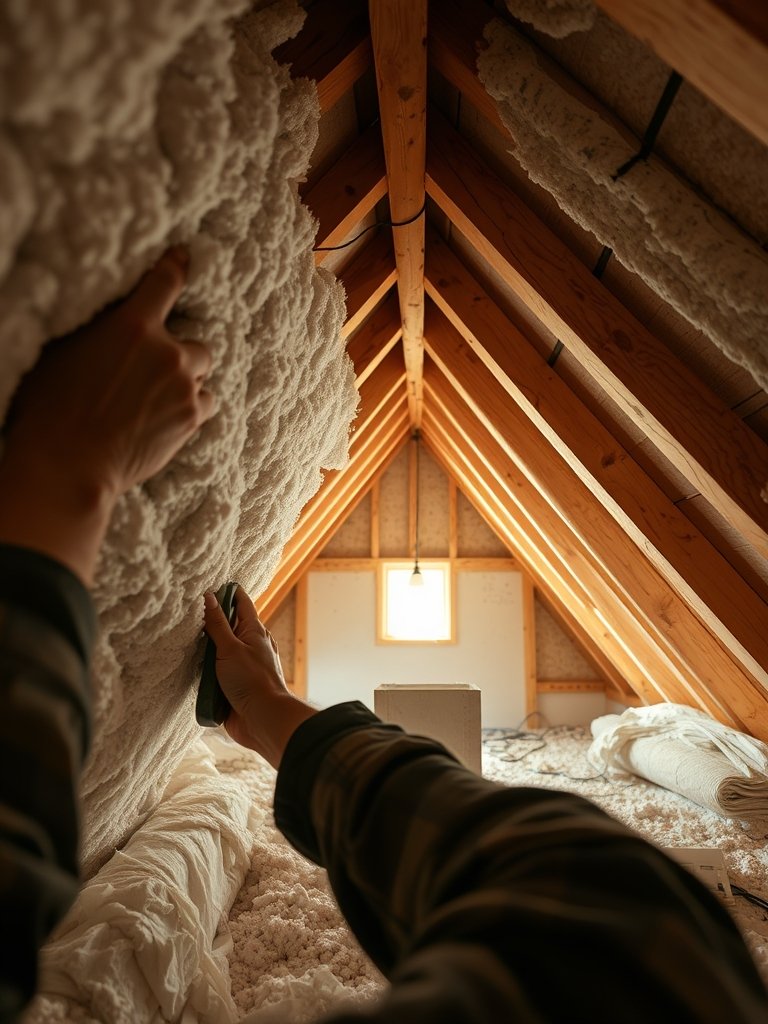
For more granular planning help, consider checking out related guides on cost-saving strategies—like our ADU garage conversion cost guide, our comprehensive crawl space encapsulation cost breakdown, or creative approaches from our AI basement finishing planner.
Advanced analysis & common pitfalls
Even savvy homeowners stumble over these frequent issues that lead to “why did this cost so much?” regrets:
| Common Pitfall | What It Is | Cost Impact | How to Avoid It |
|---|---|---|---|
| Unpermitted work | Skipping or not passing permits/inspections | $500–$3,000 fines or required rework | Never skip building permits—request final occupancy cert before payment |
| Insufficient headroom | Less than 7’ ceiling for 50%+ of finished area | Failed inspection or costly dormer/roof raise mid-project | Map legal headroom before drawing plans—ask your inspector for sign-off before demo |
| Weak floor joists | Attic floor cannot support bedroom load | $350–$1,000 per joist to reinforce, possible delays | Get a structural engineer review upfront, not after demo |
| Missed hazardous material | Asbestos, lead paint, or other hazards in old attics | $10–$25/sf for remediation, sometimes mandatory pause | Test for hazards before budgeting, especially pre-1980 homes |
| Hidden HVAC/electrical upgrades | Main panel or heating/cooling system too small | $2,500–$5,000+ for panel/HVAC upgrades | Have an electrician/HVAC tech inspect capacity before starting permits |
| Zoning/ADU confusion | Extra bedroom triggers ADU or density rules with extra utility costs | Meter upgrades, utility tie-ins, denied permits | Check ADU and density zoning definitions with your city upfront |
Many cost guides ignore “gotcha” costs like fire-rated drywall, vapor-barrier insulation, municipal ADU inspection fees, or city plans examiner rejections. Even stairway options trip up seasoned DIYers—spiral and ladders rarely pass code for bedrooms, so factor in space and cost for a legal staircase (usually $1,000–$5,000).
Soundproofing, comfort, and resale value also link directly to getting every code hurdle documented, as found in practical guides like the SoFi attic remodel explainer.
Conclusion
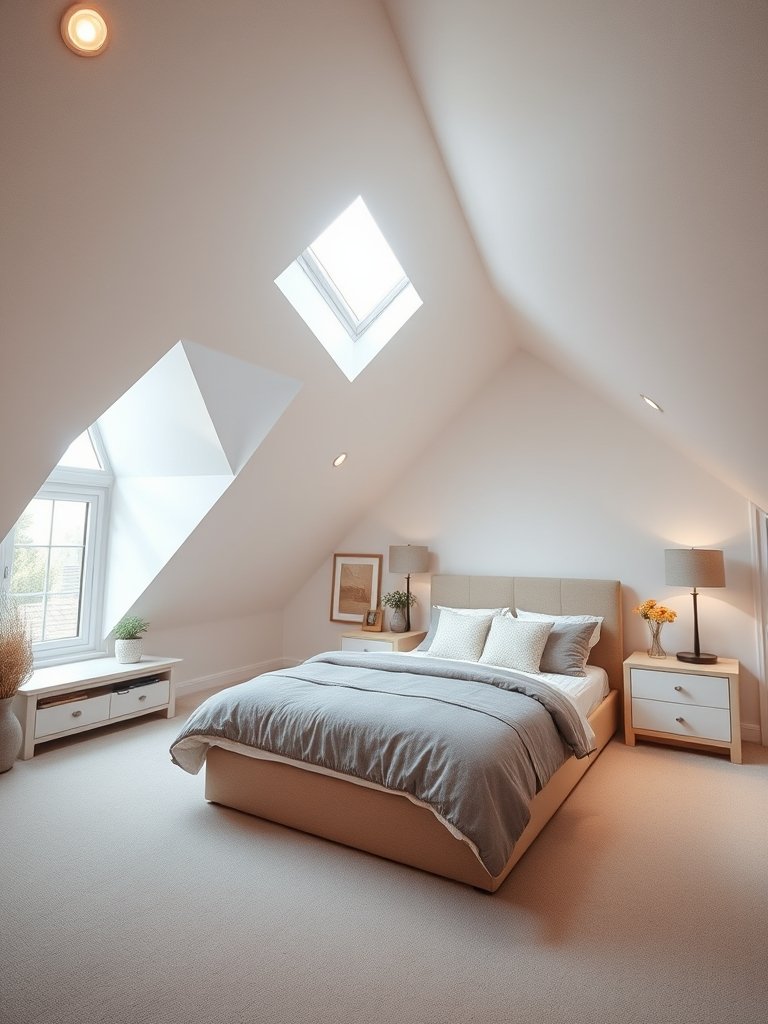
Attic conversions unlock valuable living space and boost resale—but only if you plan for true code compliance, realistic permitting obstacles, potential structural upgrades, and every hidden line item hiding behind an “average” cost. Your attic conversion to bedroom cost can stay predictable if you plan each step above, never skip structural reviews or permits, and demand cost transparency from your contractors. Need more proven ways to boost home value, safety, or code compliance? Explore our in-depth cost guides linked here, or reach out for contractor vetting templates or budget checklists.
Quick FAQ
Do I need a permit for an attic bedroom conversion?
Yes, nearly every jurisdiction requires a building permit to convert attic space into a legal bedroom, with permit fees ranging from $100–$3,000 depending on your area.
What’s the minimum ceiling height for an attic bedroom?
Most codes require at least 50% of the finished attic to have ceilings that are 7 feet or higher to qualify as habitable space.
Will a spiral staircase or ladder pass code?
No, nearly all building codes require a full, code-approved staircase for bedroom access—spirals and ladders are usually not permitted for bedrooms.
How much does it cost to add a code-compliant egress window?
Expect $700–$9,500 for a proper egress window, depending on size, access, and whether new framing or demolition is needed.
How long will the whole attic conversion take?
Most projects span 2–4 months, including design, permits, demo, framing, rough-ins, insulation, finishes, and all final inspections.