

Exterior house paint color trends 2026 are shifting towards palettes that balance boldness with long-term performance, neighborhood harmony, and curb appeal. If you’re planning a full repaint, understanding which colors and formulas will last—and get the green light from your HOA or buyers—is crucial for a smart investment.
Key Takeaways
- 2026’s most popular exterior house paint colors are grounded in nature-inspired neutrals, creamy whites, and rich earthy tones that enhance curb appeal—and age well.
- Durability and neighborhood fit matter as much as trendiness; test large paint panels, prioritize UV-resistant formulas, and always check local/HOA guidelines before committing.
- The exterior paint market is set for rapid growth through 2033, fueled by brands spotlighting redefined neutrals and long-lasting, eco-friendly tech advances.
- Market snapshot — why 2026 is a pivotal year for exterior color and paint sales
- The 2026 color playbook — the palettes leading the year
- Best colors by authority — Pantone, Sherwin‑Williams, Benjamin Moore (and regional variants)
- Common homeowner regrets with trending colors — and how to avoid them
- Durability & climate — choosing colors and formulas by environment
- Regulations, HOA rules, and neighborhood cohesion — practical constraints
- Costs & timelines — realistic budget and project schedule for 2026 trends
- Eco‑friendly & high‑tech exterior paint options for 2026
- Three undercovered subtopics editors want expanded (opportunities to outrank competitors)
- Region & architecture cheat‑sheets (quick picks)
- Step‑by‑step testing and approval checklist (what to do BEFORE you buy gallons)
- Quick buying/spec guide for homeowners and contractors
- FAQs & decision flowchart (when to follow trend vs. play safe)
- FAQ
Market snapshot — why 2026 is a pivotal year for exterior color and paint sales
In 2026, exterior house paint color trends are being shaped by a major shift in how homeowners think about curb appeal and permanence. Instead of chasing quick fads, the market is seeing a strong turn toward nature-inspired palettes and redefined neutrals—tones that deliver a modern look but also blend smoothly with neighborhoods and last under real-world weather. Paint manufacturers are fueling these trends with new product launches each spring tied to their “Color of the Year” campaigns.
The data backs up this shift: The global exterior paint market is expected to jump from roughly $14.92 billion in 2025 to $23.29 billion by 2033. The rise is driven by demand for timeless, warm, and earthy color families, alongside better paint technologies for longevity and eco performance.
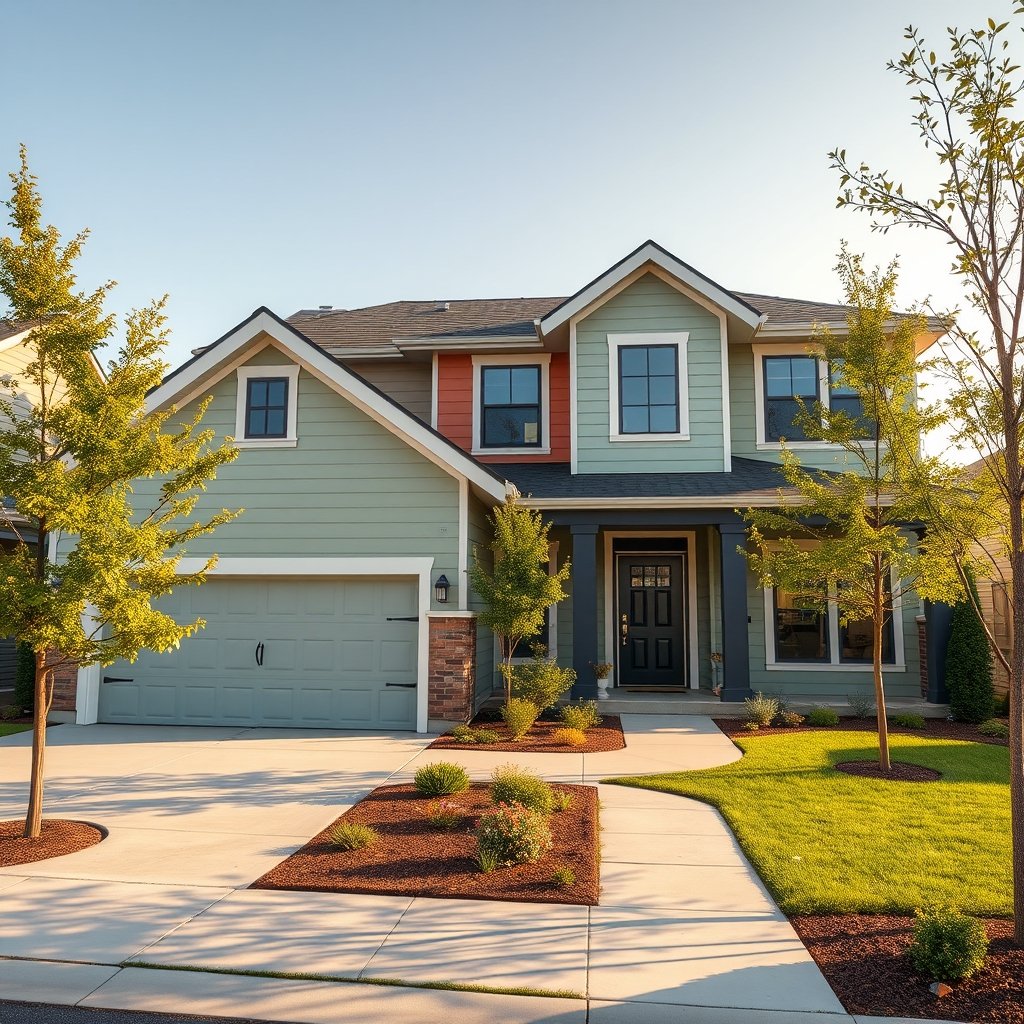
The 2026 color playbook — the palettes leading the year
Let’s break down the best exterior house paint colors 2026 has to offer, using real trend data—not just wishful thinking. Here are the palettes leading the year, showing you which combinations read as modern or classic:
- Redefined Neutrals: Soft taupe, warm greige, gentle mushroom hues. Great for classic and transitional homes. Body: mushroom; Trim: bright white; Accent: matte bronze.
- Creamy Whites: Warm whites (never chalky or sterile) that look rich, not cold. Body: creamy white; Trim: soft taupe; Accent: blackened bronze.
- Warm Charcoal: Deep, inviting charcoals swap blue for earthy undertones. Body: warm charcoal; Trim: off-white; Accent: deep bronze.
- Earthy Greens/Sage: Muted, plant-inspired greens for a nod to nature. Body: sage green; Trim: warm white; Accent: rich espresso.
- Bronze and Deep Naturals: Rusted bronze and deep natural tones for architectural interest. Body: dark bronze; Trim: beige; Accent: olive green.
Swipeable examples:
Modern look: Warm charcoal (body), off-white (trim), bronze (accent).
Classic look: Creamy white (body), soft taupe (trim), blackened bronze (accent).
Major paint brands’ Color of the Year choices support this shift: Consumers are overwhelmingly choosing balanced, calm, nature-inspired hues—moving away from the once-popular bold and saturated shades.
Source: New Home Star 2026 Trends, Forbes – Color of the Year 2026
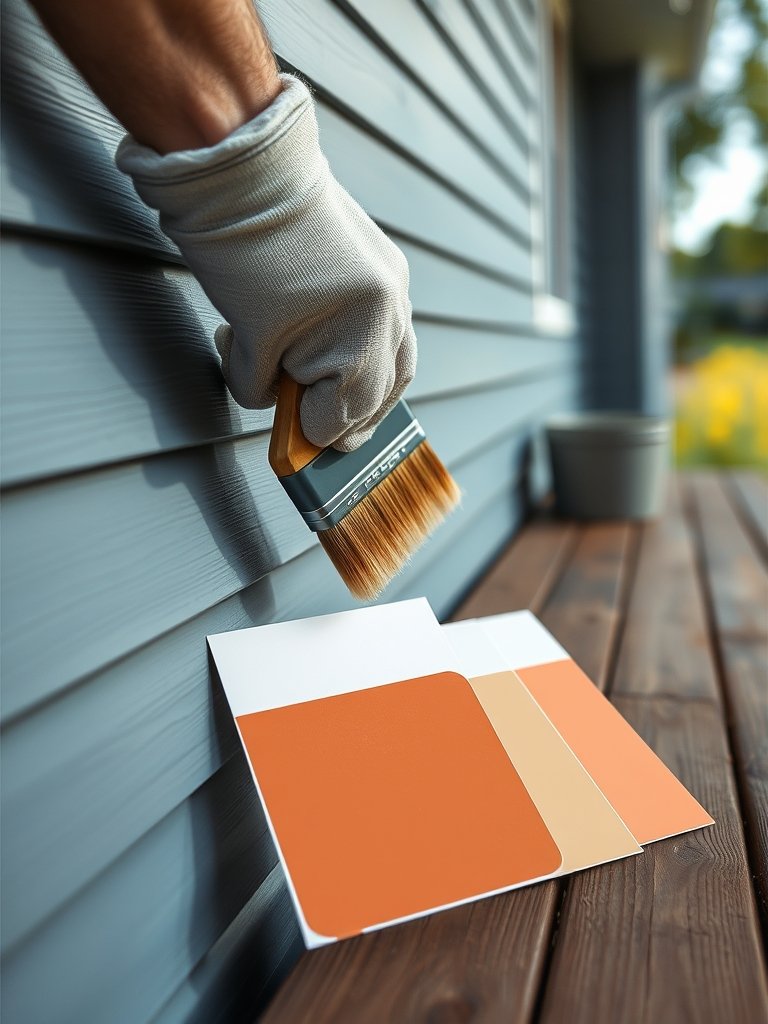
Best colors by authority — Pantone, Sherwin‑Williams, Benjamin Moore (and regional variants)
Every major authority now champions warm neutrals and earthy greens, but subtle nuances matter. Here’s what their 2026 picks recommend and how to tune for your region or architectural style:
- Pantone: Muted sage and olive tones. Best for Craftsman, ranch, or contemporary styles. Cooler climates handle deeper greens well.
- Sherwin-Williams: Creamy whites and rich charcoals. Suits Colonial, modern, and new builds. Use lighter versions in hot/sunny states to reduce heat absorption.
- Benjamin Moore: Warm mushroom beige; subtle gold undertones. Great for classic/traditional homes, especially in cloudy or rainy locations.
- Regional Adjustments:
- Coastal: Light, warm whites and sage to reflect sunlight and resist mildew.
- Sunbelt: Pale earthy tones with UV-resistant formulas to limit fade.
- Mountain/North: Deeper greens, warm charcoals; holds color against snow and shade.
Authority picks consistently reinforce the best exterior house paint colors 2026 are warm neutrals and earthy hues. These combos offer broad appeal and are less likely to require costly repaint cycles.
Common homeowner regrets with trending colors — and how to avoid them
The top regrets about exterior house paint color trends 2026, based on recent homeowner reports, are:
- Picking a color that’s too bold or trendy for the home’s architecture—resulting in an odd fit and reduced curb appeal.
- Clashing with neighboring houses or the broader neighborhood vibe—leading to HOA complaints or conflict.
- Choosing hues that fade quickly under harsh sun, especially in southern or western exposures.
- Buying bargain paint that leads to premature fading or costly, frequent repaint cycles.
| Regret | Root Cause | How to Avoid |
|---|---|---|
| Too bold/trendy for architecture | Not testing large samples outdoors, ignoring style context | Sample at scale, consult with designer or use a virtual overlay tool |
| Color clash with neighbors | Choosing in isolation, no walk around neighborhood | Snap photos, consult with HOA/neighbor, blend base palette |
| Fading in sun/harsh climate | Using non-UV-resistant paint, picking intense shades | Buy high-performance UV formulas, avoid dark/saturated on south facades |
| Short repaint cycles | Cheap paint, poor prep, skipping primer | Budget for premium, prep well, choose long-warranty products |
According to CertaPro research, these regrets are preventable: always test colors in real light, choose warm-neutral bases, and specify high-performance, UV-resistant coatings—even if they cost more upfront.
Durability & climate — choosing colors and formulas by environment
Where you live should drive both color and product choices. Sunbelt homes need fade-resistant, heat-reflective paints and lighter tones to resist overheating. Coastal or humid regions demand mildew-resistant, elastomeric or acrylic formulations that stand up to salt air and moisture. Mountain and northern homes can handle deeper earth-tones but must prioritize freeze-thaw flexibility and finishes rated for extreme cold.
Color isn’t just an aesthetic choice: darker shades absorb more heat, which can stress siding and reduce energy efficiency in hot climates. Research consistently shows that investing in high-performance coatings and matching finishes to your climate can avoid repeat repaint costs and extend color vibrancy for years. For more on project prep and realistic timelines for exterior upgrades, see our garage floor epoxy cost guide—many best practices overlap.
Regulations, HOA rules, and neighborhood cohesion — practical constraints
Dream color or not, HOA restrictions and local codes will often dictate your limits. Many neighborhoods only approve certain body/trim/accent combos—or require pre-approval via sample boards or 3D renderings. A smart workflow is:
- Review HOA paint and palette guidelines, and snap photos of surrounding homes.
- Ask for digital color overlay mockups and show planned combinations to neighbors.
- Submit your samples/board to the HOA, and be open to feedback before buying gallons.
If you hit roadblocks with trend-forward hues, warm neutrals and sage variants are your best fallback—most likely to pass review committees and maintain resale value. For more about managing approvals and working with contractors, read our guide: How to ensure a flawless home remodel.
Costs & timelines — realistic budget and project schedule for 2026 trends
Your repaint project in 2026 should follow this typical phase breakdown for a single-family home:
- Inspection & prep: 1–2 days
- Repairs & primer: 1 day (longer for older homes)
- First coat + dry time: 1–2 days
- Second coat & detail: 1 day
- Trim/accent finish: 0.5–1 day
Total time: 4–7 days, excluding weather delays or major prep. Budget varies based on paint quality; premium, UV-resistant, and eco/high-tech options cost more but cut long-term expenses from frequent repaints. Add 10–20% for homes with stricter prep or HOA oversight.
If you’re also updating other outdoor features—like composite decking—coordinate work to streamline costs and boost curb appeal in one go.
Eco‑friendly & high‑tech exterior paint options for 2026
Modern eco‑friendly paints are not just gimmicks. In 2026, top-tier lines offer:
- Low-VOC and bio-based paints: Improved indoor/outdoor air quality and regulatory compliance.
- ceramic and infrared-reflective coatings: Repel heat and increase color longevity in sunny climates.
- Self-cleaning and mildew-blocking finishes: Reduce maintenance—a real benefit near plants or in humid zones.
Drawbacks? These paints cost 20–50% more and may have a limited color range or supply issues. However, most buyers find the longer lifespan and environmental benefits justify the investment. For more about reducing home carbon impact, see our solar roof installation guide.
Three undercovered subtopics editors want expanded (opportunities to outrank competitors)
Three subtopics too often missed by other guides—yet crucial for buyers in 2026—are:
- Predictive color-trend analysis: Paint brands leverage digital models and AI to forecast which palettes will have mass-market longevity, steering consumers to lines that won’t look dated next year. Brands’ Color of the Year isn’t just creative—it’s strategic product development (Source).
- Climate-specific durability testing: Regional differences greatly affect fade, chalking, and warranty validity. Brands often test only on southern exposures; ask about certification for your region.
- Impact of exterior color on curb appeal and neighborhood value: Subtle modern colors (vs. bold statements) yield higher resale, smoother neighbor relations, and less drama with buyers—backed by recent case studies.
Region & architecture cheat‑sheets (quick picks)
Fast reference palettes for 2026 by region and architecture:
| Region | Recommended Body | Trim | Accent |
|---|---|---|---|
| Coastal | Creamy white | Sage | Taupe |
| Desert/Sunbelt | Warm beige | Bright white | Bronze |
| Northeast/Mountain | Sage green | Mushroom | Espresso |
| Style | Body | Trim | Accent |
|---|---|---|---|
| Ranch | Warm charcoal | Creamy white | Bronze |
| Craftsman | Sage green | Taupe | Blackened bronze |
| Modern | Off-white | Charcoal | Olive |
| Colonial | Mushroom | Creamy white | Sage |
Warm neutrals and earthy greens perform well almost everywhere, but tune the shade level and formula for your weather and architectural context.
Step‑by‑step testing and approval checklist (what to do BEFORE you buy gallons)
- Order large, pre-tinted color samples or test quarts—never rely on small swatches or online graphics.
- Paint 4×4 to 6×6 foot test panels on walls, not loose boards, in the sunniest/main façade spots.
- Observe panels at morning, midday, and dusk in all weather.
- Photograph in full sun, shade, and overcast—colors shift dramatically.
- Confirm sheen (matte, satin, semi-gloss) on actual surface, not just brochures.
- Get HOA or design committee approval by submitting photos or bringing sample boards to meetings.
- Confirm the paint you order is high-performance, UV-resistant, and suited for your climate zone—request warranty details in writing.
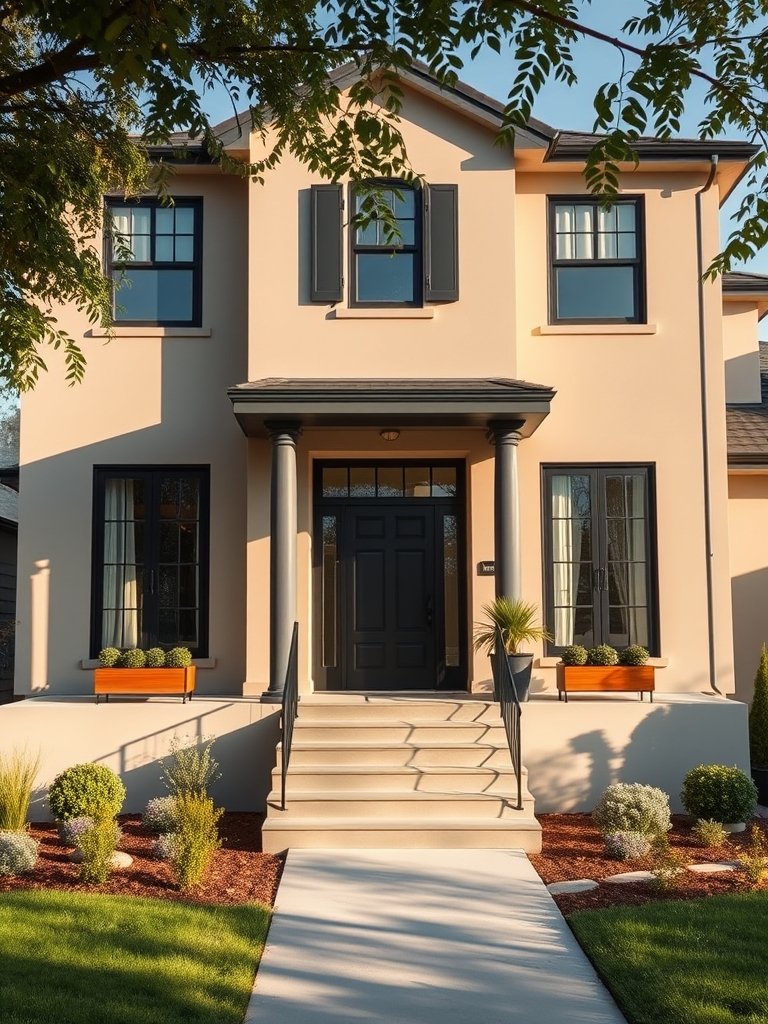
Quick buying/spec guide for homeowners and contractors
Make sure your exterior paint ticks these boxes:
- Low-VOC (health/safety) and a minimum 10–15 year warranty.
- UV and mildew resistance, especially for sunny or humid climates.
- Recommended sheens: satin or low-gloss for siding; semi-gloss or gloss for trim/doors.
- Brands to sample: Sherwin-Williams Emerald, Benjamin Moore Aura, Behr Marquee, PPG Timeless, Valspar Duramax.
- Negotiate labor vs. materials: Pro painters may get discounts but sometimes upcharge clients for “standard” paints—always specify upgrades in your contract.
For more negotiating strategies and checklists, see our related guides:
Premier Home Pros: How to ensure a flawless home remodel,
ADU Garage Conversion: Cost Guide,
Home Office Soundproofing Walls: Proven Tips.
FAQs & decision flowchart (when to follow trend vs. play safe)
Not sure if you should lean bold or stay subtle? Use this simple decision flow:
- Historic home, HOA rules, or high-visibility street? → Choose warm neutrals and classic combos.
- Modern or mid-century home on a private lot? → You can trend bolder within your architectural palette.
- Extreme sun exposure? → Stay lighter and pick UV-stable paint; avoid deep, saturated hues.
- Resale or neighborhood fit is more important than “wow” factor? → Play it safe. Slightly muted palettes increase buyer appeal.
Frequently asked questions below help clarify the most pressing homeowner concerns.
Conclusion
In summary, exterior house paint color trends 2026 are about more than color—they’re about blending timeless palettes, sustainable formulas, and real-world performance to boost curb appeal and home value. While redefined neutrals and earthy hues are on-trend, always verify fit, test on your own house, and choose products that will last in your environment. Don’t just chase what’s hot. Make choices that stand the test of time. Ready to transform your home? Start with samples, check all the boxes above, and you’ll avoid costly regrets while maximizing your investment in exterior house paint color trends 2026.
Need more guidance? View our other expert home improvement guides or contact a trusted pro for a climate-smart consultation.
FAQ
Should I avoid bold colors for exterior paint in 2026?
Unless your home’s architecture and neighborhood allows it, stick to warm neutrals and earth tones for curb appeal and fewer regrets. Bold colors can fade fast and may clash with surroundings.
How do I check if my paint choice will pass HOA rules?
Review your HOA’s guidelines, snap photos of approved homes, prepare sample boards, and submit everything—before making purchases. Many HOAs require formal approval, especially for body color changes.
Is premium, eco-friendly paint worth the higher cost?
Generally yes. Premium paints—especially low-VOC, UV-resistant, or ceramic-based—can double or triple repaint intervals and reduce environmental impact. You’ll recoup savings over time.
What’s the best way to test colors before buying full gallons?
Order large pre-tinted quarts or test pots. Paint 4×4 foot panels on the sunniest parts of your house, and observe across multiple days and lighting. Never trust a tiny chip or digital sample alone.
Will following 2026 color trends help resale value?
Generally, yes—so long as trends are interpreted through a timeless, neighborhood-friendly lens. Neutral and earth-based tones are safest for keeping broad buyer appeal in future years.