

Garage conversion ADU is one of the most in-demand, budget-first home improvement projects for 2024, but the true cost and timeline surprises many homeowners. For a legal garage-to-ADU conversion, expect costs from $70,000 in cities like Austin and Chicago to as much as $120,000–$150,000 in high-cost metros including Los Angeles, San Francisco, and New York. This no-fluff guide, built for real homeowners, gives you cost realities, hidden expenses, and proven steps to stay on budget and avoid regret.
Key Takeaways
- Budget Realistically: Expect a garage to ADU conversion cost of $70K–$150K+ in most large US cities in 2024, depending on region and site conditions.
- Hidden Costs: Major budget busters often include utility upgrades, permit delays, hazardous materials, and fire/egress code requirements.
- Timeline Truths: True completion time can stretch 8–14 months after factoring in permit reviews and inspection hold-ups—far longer than most guides admit.
- 2024 Cost Snapshot — What Homeowners Are Actually Paying Today
- What Adds Up — The Most Common Hidden Expenses That Blow Budgets
- Three Critical Things Most Top Online Guides Miss (And Why They Matter)
- Regulation, Zoning, and Permitting — California, Texas, Florida Compared
- Realistic Timeline — Step-by-Step From Planning To Occupancy
- Financing, Incentives, and Expected Returns (2024): How To Pay For It And When You Break Even
- Case Examples And Sample Budgets — Real Projects You Can Benchmark
- Post-Completion Regrets & Most Common Homeowner Pain Points (What You’ll Wish You’d Known)
- Decision Checklist & Budget Template (Must-Have Line Items)
- How To Proceed — Contractor Vetting, Permit Resources, Next 30/60/90 Day Actions
- FAQ
2024 Cost Snapshot — What Homeowners Are Actually Paying Today
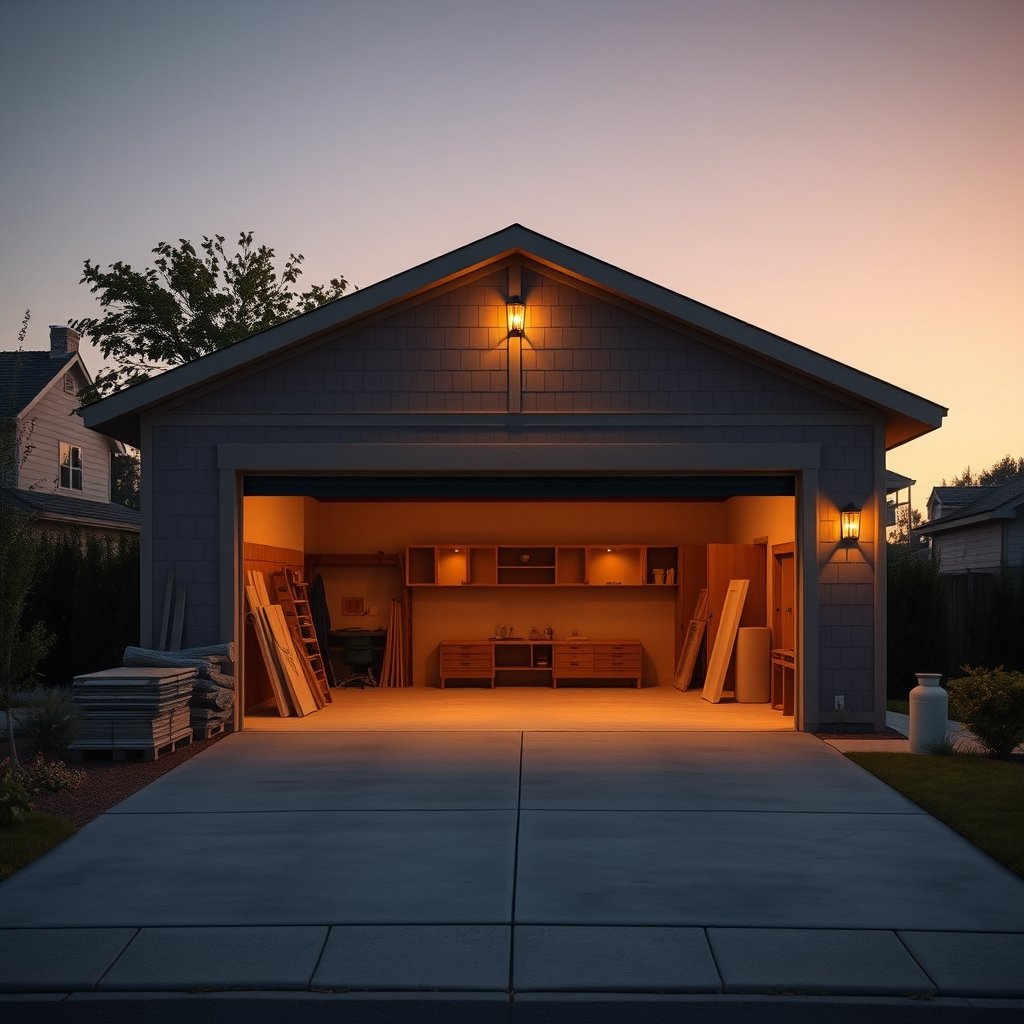
In 2024, the garage to ADU conversion cost is not what it was a few years ago. For most major US cities, prices range from around $70,000 in markets like Austin and Chicago to $120,000–$150,000 (or more) in coastal metros such as Los Angeles, San Francisco, and New York. California per-square-foot conversion costs often land between $125–$300, while other regions average closer to $90–$200 per square foot, depending on scope and standards. Prices have increased around 20–30% over the last five years due to labor shortages, material cost spikes, and ramped-up code requirements.
Why the big range? Garage size and original condition matter. A structurally sound, attached garage with a good slab and no hazardous materials is at the low end. Detached, older garages needing utility trenching or major structural reinforcement fall near the top. If you’re using a garage conversion ADU to boost rental income, map your square footage and budget honestly before you start.
What Adds Up — The Most Common Hidden Expenses That Blow Budgets
Many homeowners get caught off-guard by hidden expenses during a garage conversion ADU project. According to research, the most common surprise costs include:
- Structural reinforcement: Many 1960s–90s garages need new or beefed-up slab, roof, or walls to meet residential code—especially in seismically active areas.
- hazardous materials remediation: Old drywall, paint, or insulation may contain asbestos or lead, requiring costly removal.
- Utility upgrades: Most garages have limited plumbing/electrical; bringing them up to full-dwelling standards means new runs, trenching, and panel upgrades.
- Egress and fire upgrades: Adding egress windows or doors, fire-rated assemblies, and even sprinkler systems is frequently required.
- Permit/impact-fee surcharges: Some cities tack on unexpected impact or utility hookup fees once the project is reclassified as a dwelling unit.
- Extra inspections or last-minute scope changes: Additional municipal/utility inspections can mean change orders, delays, or rework costs.
Watch for: signs of water damage, sagging/undersized framing, old electrical, and cracked slabs during your initial walk-through. Always include a budget contingency (10% recommended) for demo discoveries.
For more on dodging surprise upgrade costs, see this ADU permit guide.
Three Critical Things Most Top Online Guides Miss (And Why They Matter)
Most “how to convert your garage to an ADU” guides skip three huge concerns that kill ROI or derail projects:
- Incomplete long-term ROI and operating cost math. You need realistic expectations on utility bills, insurance hikes, maintenance, and vacancy between tenants. Don’t just plan for construction costs—predict your real payback period.
- Ignoring the full permit/inspection timeline (including risk of municipal delay). Expect months of city review and multiple inspection points. Budget time for plans, submittals, rounds of corrections, and possibly unexpected city rules or neighbor objections.
- Skimming over neighborhood, HOA, parking, and zoning barriers. Your area might require variances, extra parking offsets, or fire egress features. Some neighborhoods or HOAs can prevent or restrict conversions outright—even after permit submittal.
Research finds: “Highest-ranking articles repeatedly omit a comprehensive operating-cost/ROI timeline, realistic permit/inspection timeline risk, and a thorough assessment of zoning/HOA constraints that can require variances or costly compliance.” Avoid wishful thinking: vet every one of these three factors before committing design dollars or hiring a GC.
Regulation, Zoning, and Permitting — California, Texas, Florida Compared
Every state has unique garage conversion ADU permitting realities. Here’s what makes the big three states different:
- California: Aggressive state-level ADU mandates speed approvals, but localities enforce some of the nation’s toughest seismic, fire-sprinkler, and energy codes. You’ll face required insulation, advanced Title 24 energy compliance, and almost always, new or upgraded fire egress features. Plan for extended permit reviews (3–6 months) and higher cost per square foot ($125–$300).
- Texas: Looser zoning outside major metros, but stricter inside cities like Austin or Dallas where parking/lot coverage and impervious surface rules apply. Permits are faster, but utilities may be less forgiving about panel upgrades or new water meters, increasing costs abruptly.
- Florida: Permitting can be spotty by county. Flood, hurricane, and wind-load code upgrades can add surprise costs (window upgrades, impact-resistant doors). Review inspection counts—sometimes more than three phases per project. Timeline slips are common in coastal counties.
Tip: Before hiring a designer, call your city’s ADU/permit desk and ask for a written list of all ADU-specific code upgrades, not just generic garage conversion rules. Permit-review periods and inspections are a common source of project delay and cost overruns (source).
Realistic Timeline — Step-by-Step From Planning To Occupancy
Here’s a staged, blunt timeline for the average garage conversion ADU project:
- Pre-design (2–4 weeks): Interview contractors/designers, initial site eval, gather existing plans.
- Permit design & submission (4–12 weeks): Construction documents, city corrections, neighbor sign-off if needed.
- Permit/plan review (2–6+ months): Multiple rounds are common. Cities often return plans with revision requests.
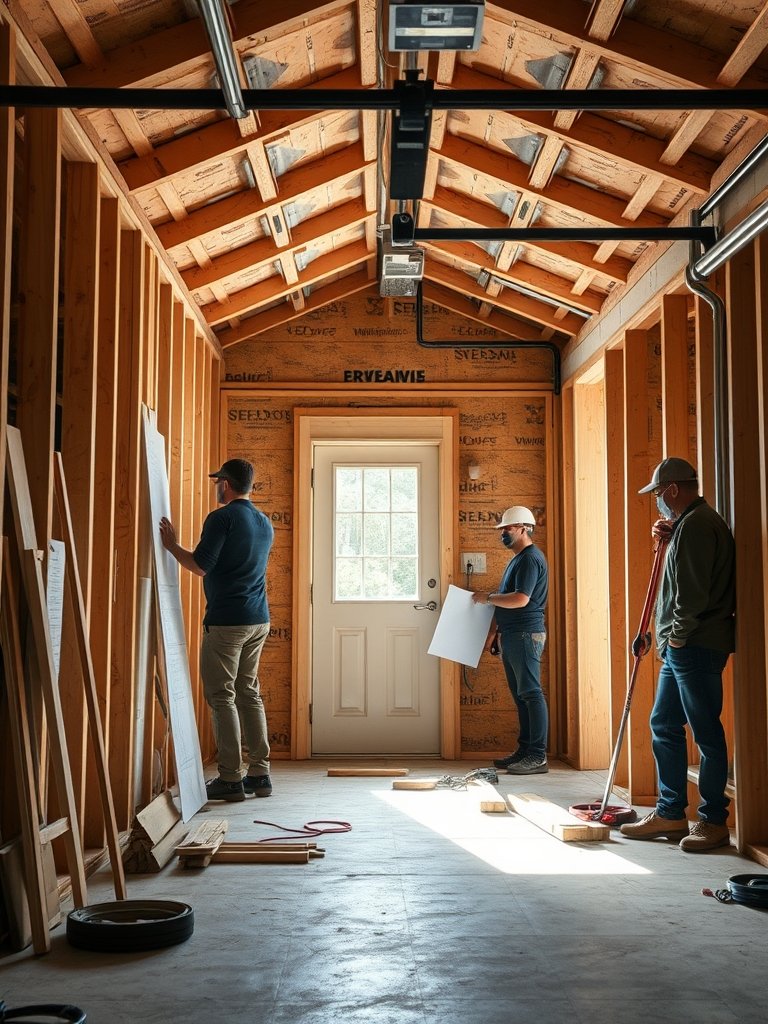
- Demo & prep (1–3 weeks): Existing slab/framing inspection, hazardous material abatement, bulk demo.
- Rough-in (4–8 weeks): Utilities, new walls, new slab/footings if needed.
- Inspections (at every phase): Foundation, framing, MEP, insulation, finish.
- Finishes & punch-out (3–8 weeks): Drywall, flooring, kitchen/bath, paint, appliances.
- Final inspection & Certificate of Occupancy (1–3 weeks): Punchlist completion and final city signoff.
Reality check: Guides most often fail to factor in municipal delays for permit reviews and re-inspections—these repeatedly cause schedule slips and cost overruns. Always build in at least a 15–20% timeline buffer beyond the most aggressive contractor promise.
Financing, Incentives, and Expected Returns (2024): How To Pay For It And When You Break Even
Financing options for a garage conversion ADU include home equity loans/HELOCs, specialized ADU/rental renovation loans, local grants, PACE programs, and sometimes builder financing. Evaluate each for term, interest rate, and up-front fees.
State and city grants exist, particularly in high-demand markets; check if your municipality offers ADU incentive programs. From a returns standpoint: “Permitted ADU conversions typically increase property value by $100,000–$300,000 in high-demand markets; estimated payback periods (market examples)—Bay Area 4–7 years, Los Angeles 5–8 years, San Diego 4–7 years, Sacramento 4–6 years, Central Valley 4–7 years” (source).
To calculate ROI: research local rents and occupancy/vacancy rates, subtract out extra operating expenses, then run a conservative payback estimate. Don’t assume you’ll fill the unit instantly or always fetch top rent—leave room in your budget for vacancy, repairs, and realistic lease-up time. For more on ADU finance options, check our ADU rental income guide.
Case Examples And Sample Budgets — Real Projects You Can Benchmark
| Project | Size | Total Cost | Key Cost Drivers |
|---|---|---|---|
| Sacramento “Light-Touch” | 370 sq ft | $160,000 | Kept original slab/roof, minimal upgrades |
| Folsom Full ADU | 600 sq ft | $134,000 | New HVAC, major utility trenching |
| Elk Grove Guest Suite | 500 sq ft | $112,000 | Office/guest suite, required wiring upgrade |
What moves the needle most? Retaining structure and slab saves the most, while major utility/HVAC upgrades and site work drive prices well above the average. See project details here.
Post-Completion Regrets & Most Common Homeowner Pain Points (What You’ll Wish You’d Known)
After move-in, most homeowners cite regrets centered on operational costs, neighbor friction, and quality compromises:
- Underestimating maintenance & operating costs: Expect higher utility and insurance bills. Some units trigger “landlord” add-ons or liability requirements from insurers.
- Parking loss and neighborhood pushback: Fewer spaces can create neighbor resentment, especially in dense areas or where street parking is tight—and it might later affect resale value.
- Workmanship surprises: Squeezing the budget late in the project can leave you with lower than expected finishes or cut corners that are expensive to fix later.
- Permit/inspection delays: The number one cause of budget/schedule overruns. Even seasoned contractors can’t always predict review times.
Guidance: Always budget a solid contingency (10%+) and don’t shrink quality to meet a shrinking budget. Build clear communication (and a buffer) into your timeline and neighbor relations upfront. For ADU quality tips, see this ADU construction guide.
Decision Checklist & Budget Template (Must-Have Line Items)
Download your one-page garage conversion ADU checklist and budget spreadsheet (CSV) to get every key line item and avoid trail-and-error budgeting.
- Site work & demo
- Structural repairs/reinforcement
- Plumbing upgrades
- Electrical upgrades (panel, service, wiring)
- HVAC (split-system, ductless, or extension)
- Insulation, fire resistance, egress
- Windows and doors
- Interior finishes (floor, wall, cabinetry, appliances)
- Permits and city/utility fees
- Professional design/engineering fees
- Contingency amount (10% recommended)
Research recommends a 10%+ contingency as standard (for every $10,000 budget, set aside $1,000) (source).
Download Checklist: Garage Conversion ADU Checklist (PDF)
Download Budget Template: Garage ADU Budget Template (CSV)
How To Proceed — Contractor Vetting, Permit Resources, Next 30/60/90 Day Actions
You’re ready to start, but don’t skip these essentials:
Interview Questions For Your Local Building Department:
- What are the minimum egress, parking, and fire-safety upgrades required for a legal garage conversion ADU?
- Can you provide a checklist of required documents and typical review timelines for ADU permits?
- Are there pre-approved (expedited) ADU plans or programs available in this city?
Vetting Questions For Any Contractor:
- How many garage conversion ADUs have you completed locally in the last 2 years?
- Can I see line-item budgets from recent comparable projects (including utility/permit fees)?
- Who handles coordination with the city building department and inspection scheduling?
- What is your process for documenting hidden conditions and managing change orders?
- How do you ensure the final build meets both code and my quality expectations?
Bonus: Check for active local and state ADU grant/loan programs (by searching your city name plus “ADU grant”) and reach out to your HOA (if applicable) to confirm approval rules before paying for plans. Get more ADU steps here.
FAQ
What is the fastest way to budget accurately for a garage conversion ADU?
Multiply your garage’s square footage by $150–$300 (California) or $90–$200 (other metros), then add 10–15% for contingency. Always adjust up for older, detached, or poorly maintained garages.
How long does the average garage to ADU conversion take?
Including design, permits, and construction, realistic timelines are 8–14 months. The largest delays come from city permit reviews and mandatory inspections.
Do I always need to upgrade the main electrical panel?
Not always, but most post-1970s garages have insufficient panel amperage for a full dwelling, especially if you add kitchens, split HVAC, or in-unit laundry. Always get the main electrical panel evaluated early.
Can a garage conversion ADU increase my property taxes?
Yes—assessors often add square footage and a second unit, raising property value (and thus taxes). Confirm with your tax office; the jump is often $1,000–$3,000/year in major metros.
How do I find out if my neighborhood or HOA restricts ADUs?
Call your local permit office and HOA directly. Ask for written permission or a copy of CCRs and confirm minimum size, parking, and occupancy restrictions before spending on plans.
Sources: Research findings and project cost examples derived from How Much Does It Cost to Build an ADU, Golden State ADUs, Custom Home, and the internal ADU Garage Conversion Guide.
If you want a realistic, defensible budget for your garage conversion ADU, start with the resources above, review local code requirements early, and always add a 10% contingency. Ready to proceed? Download the checklist and budget tools now, or consult an experienced local contractor.