

Portable garden privacy screen solutions offer immediate and attractive answers for renters and homeowners who want flexible, no-commitment separation for patios, balconies, and yards—with less hassle, more style, and all-weather durability than a permanent fence.
Key Takeaways
- The global portable garden privacy screen market hit 2.9 million unit installations in 2024, led by demand for easy-to-move, durable, and stylish panels, with average installation costs around $1,158 per unit (industry market data, 2024).
- Material choice—wood, metal, plastic/composite, fabric, or eco-options—directly affects lifespan, appearance, assembly ease, and wind resistance. Metal panels (powder-coated aluminum) often last over 15 years, while plastics may degrade faster outdoors.
- The most common user complaints include wind instability, rust, UV fading, and confusing assembly. Choosing the right dimensions, anchoring, and maintenance plan reduces these headaches and boosts long-term value.
- Portable Garden Privacy Screens: What They Are & Why Buy One?
- How to Choose & Install the Right Portable Garden Privacy Screen (Step-by-Step)
- Advanced Analysis & Common Pitfalls
- Conclusion: Is a Portable Garden Privacy Screen Worth It?
- Frequently Asked Questions
Portable Garden Privacy Screens: What They Are & Why Buy One?
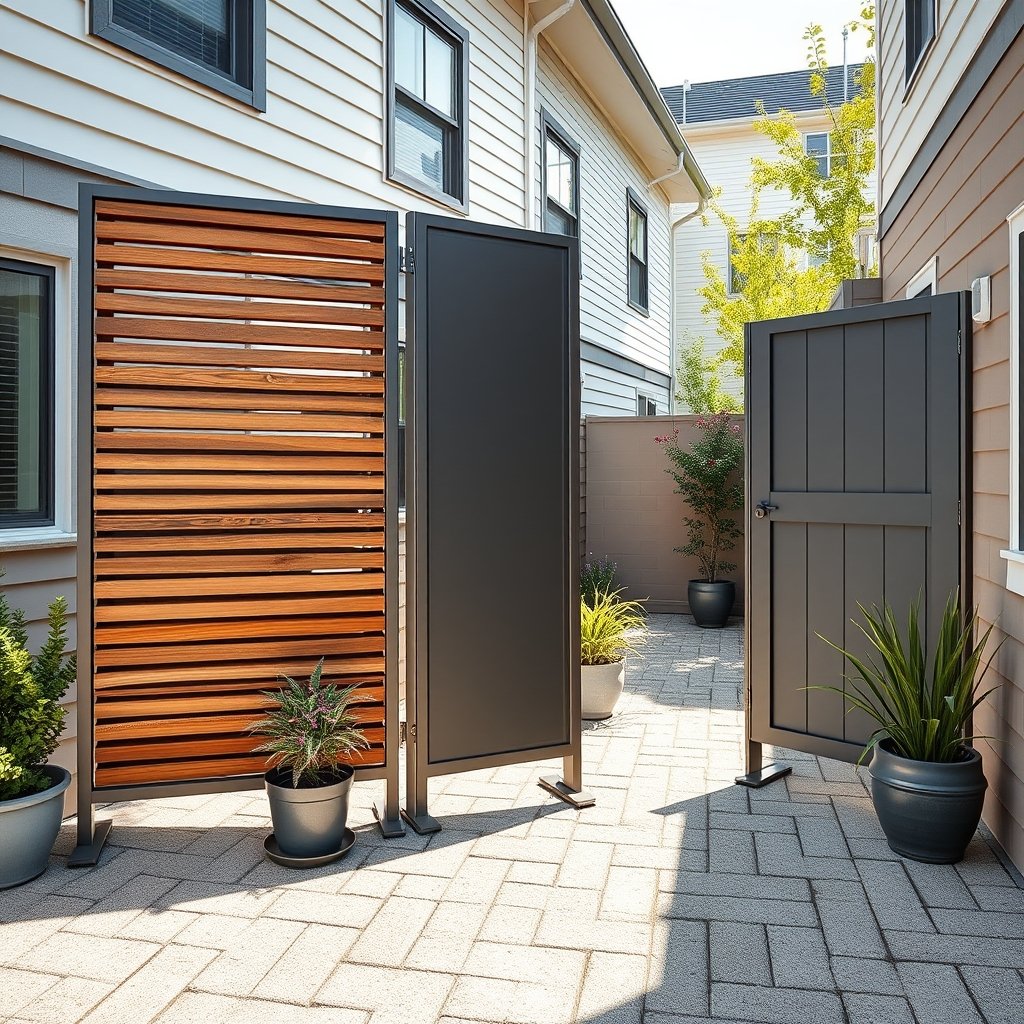
Portable garden privacy screens and freestanding outdoor privacy panels are modular, movable barriers designed for instant, flexible separation—perfect for renters and homeowners who want privacy, windbreaks, or visual zoning without building a permanent fence. They’re most popular for small patios, balconies, garden seating, or event spaces where quick setup and easy adjustment matter.
The 2024 market saw global installations reach about 2.9 million units, valued at approximately $3.36 billion, with strong demand in North America (about 1 million units), Asia-Pacific (900,000), and Europe (600,000), according to industry market data (2024).
Sarah, a typical buyer, is a renter or homeowner aged 30–55, values aesthetics and durability, wants simple assembly, and can’t or won’t dig posts or pour concrete. For business owners—cafés, B&Bs—these screens offer a fast way to create outdoor rooms and boost comfort for guests. In both cases, a portable garden privacy screen bridges the gap between easy installation and reliable privacy.
How to Choose & Install the Right Portable Garden Privacy Screen (Step-by-Step)
- Measure Your Space: Use a tape measure for the exact width and height needed. Most panels range from 600–1,800 mm wide by 900–2,400 mm high. Many home kits are 610 × 1,190 mm (24 × 47 in) in three-panel sets—ideal for townhouse patios and rentable yards.
- Assess Wind and Sun Exposure: Know your wind zone. Lightweight screens may tip or blow over without adequate anchoring. Full-sun areas demand UV-resistant finishes—look for >90% UV protection.
- Select Material:
- Wood: Classic, sturdy, but needs staining or sealing; around 35% of market, ~1 million units in 2024.
- Metal: Powder-coated aluminum or galvanized steel, low-maintenance, >15-year service life, about 25% of installations.
- Plastic/Composite: Lightweight, easy to move, but more fade/brittle-prone unless UV-treated.
- Fabric/Eco: Best for event or seasonal use, not long-term wind or weather exposure.
Newer products often feature over 60% recycled content, making them more sustainable (source).
- Choose Structure: Decide between freestanding outdoor privacy panel kits (easiest to reposition), semi-permanent models (with ground spikes or anchors), or modular bracing systems.
- Check Installation Options:
- Interlocking Frames: Quick lock-together assembly—good for renters.
- Ground Spikes/Concrete Anchors: Adds serious wind stability, but may not suit rental patios.
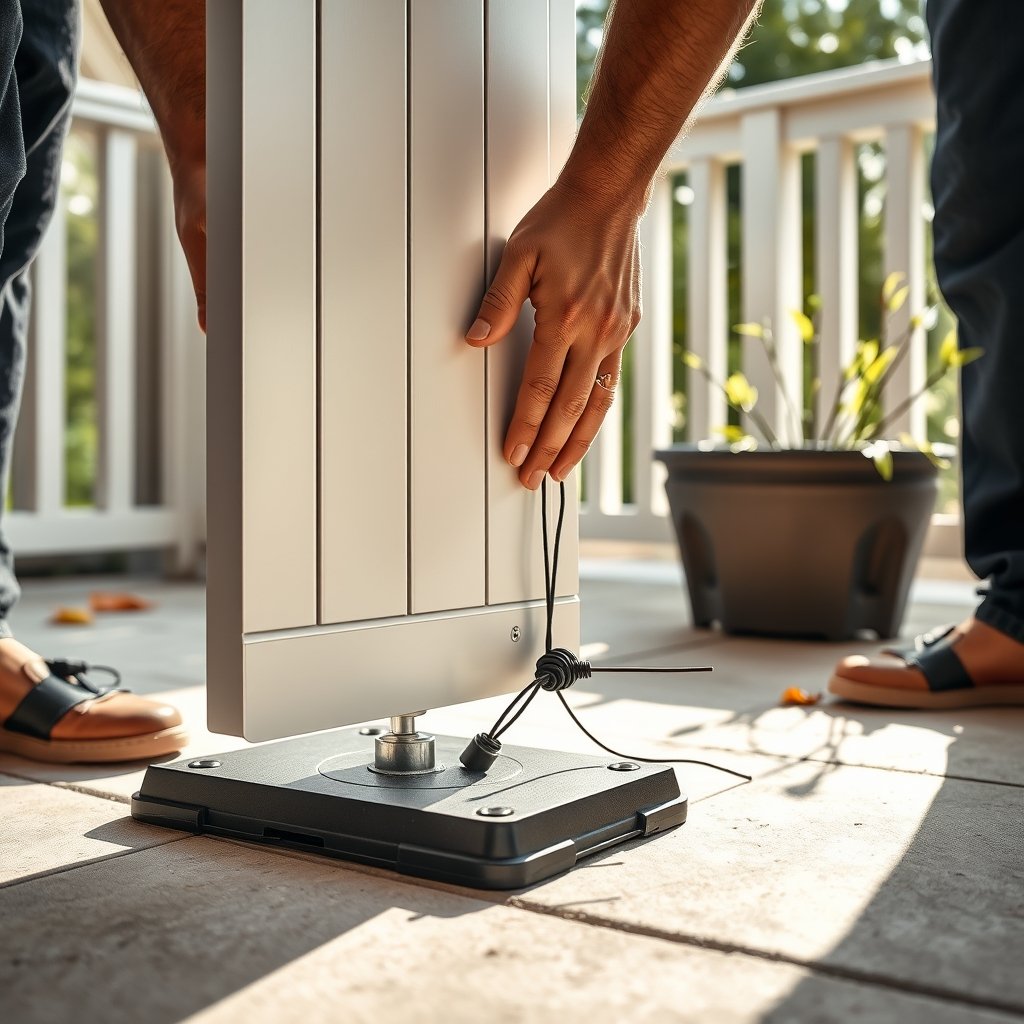
- Weighted Bases or Rubber Feet: Freestanding, best balance between portability and wind-resistance.
- Weighted Ties: Increase ballast for high-wind locations.
- Budget Realistically: Average installed cost is about $1,158 per unit in 2024. Account for anchors, extra ballast, and possible seasonal storage.
- Inspect Finishes & Warranties: Powder-coating and UV-resistance boost lifespan. Ask for service-life data (over 15 years for top metal panels).
- Plan for Storage & Flexibility: Panels should stack or fold flat for off-season storage or cleaning. If moving often, prioritize lighter materials and connector systems.
For further inspiration on making outdoor living both beautiful and functional, see the outdoor sofa set weather resistant guide for combining comfort with weatherproof materials, or the vertical gardening systems article for space-maximizing ideas that integrate privacy and greenery—all relevant whether you own or rent your home.
Advanced Analysis & Common Pitfalls
Most negative reviews and complaints about portable garden privacy screens fall into clear categories:
- Wind Instability & Collapse: Top concern for both homeowners and businesses. Lightweight panels tip, collapse, or blow over without proper anchoring—especially in exposed or corner locations. Wind-rated units and weighted bases dramatically improve safety.
- Rust & Corrosion on Metal Finishes: While powder-coated steel and aluminum are best for weather resistance, poor-quality finishes or scratched surfaces can rust. Promptly repair chips/scrapes, and periodically clean panels for maximum lifespan.
- UV Fading & Brittleness (Plastic/Fabric): Cheaper panels degrade in strong sun, fading or cracking after only 1–2 seasons. Seek products advertising >90% UV resistance.
- Cumbersome Assembly & Poor Instructions: Many buyers struggle with unclear directions or tool-free “snap” systems that are harder than they look. Preview instruction sheets online before purchase if possible.
- Limited Height/Coverage for Big Spaces: Three-panel sets may not provide enough privacy for sprawling areas—especially when seated.
- Durability in Harsh Weather: Prolonged storms, heavy snow, or intense UV exposure shorten service life for most designs except top-tier metal and treated woods.
- No Standard Noise Rating: True dB-level noise reduction is almost never independently tested (more here), so be skeptical of marketing claims for acoustic performance.
| Material | Look/Style | Weight/Portability | Maintenance | Service Life | Wind Resistance | Eco/UV |
|---|---|---|---|---|---|---|
| Wood | Classic/Warm | Medium-Heavy | Annual sealing | 5–10 years* | Good (with anchors) | Limited eco unless FSC/recycled |
| Metal (Aluminum/Steel) | Modern/Industrial | Medium | Wipe clean, inspect for rust | 15+ years** | Excellent (with proper base) | High UV, many 60%+ recycled |
| Plastic/Composite | Varied/Textured | Lightweight | Low, but can fade/crack | 3–7 years | Low-Medium (needs ballast) | Many now UV & recycled |
| Fabric/Eco | Colorful/Light | Very Light | Spot clean, store in winter | 1–3 years | Poor (must be secured) | Good, if recycled or organic |
*With regular upkeep; **Industry data shows powder-coated aluminum/steel >15 years (industry market data, 2024).
For bigger DIY privacy projects, consider referencing our deck composite material comparison to assess which outdoor products best survive wind, sun, and wear—insight that also benefits privacy screen shoppers.
Conclusion: Is a Portable Garden Privacy Screen Worth It?
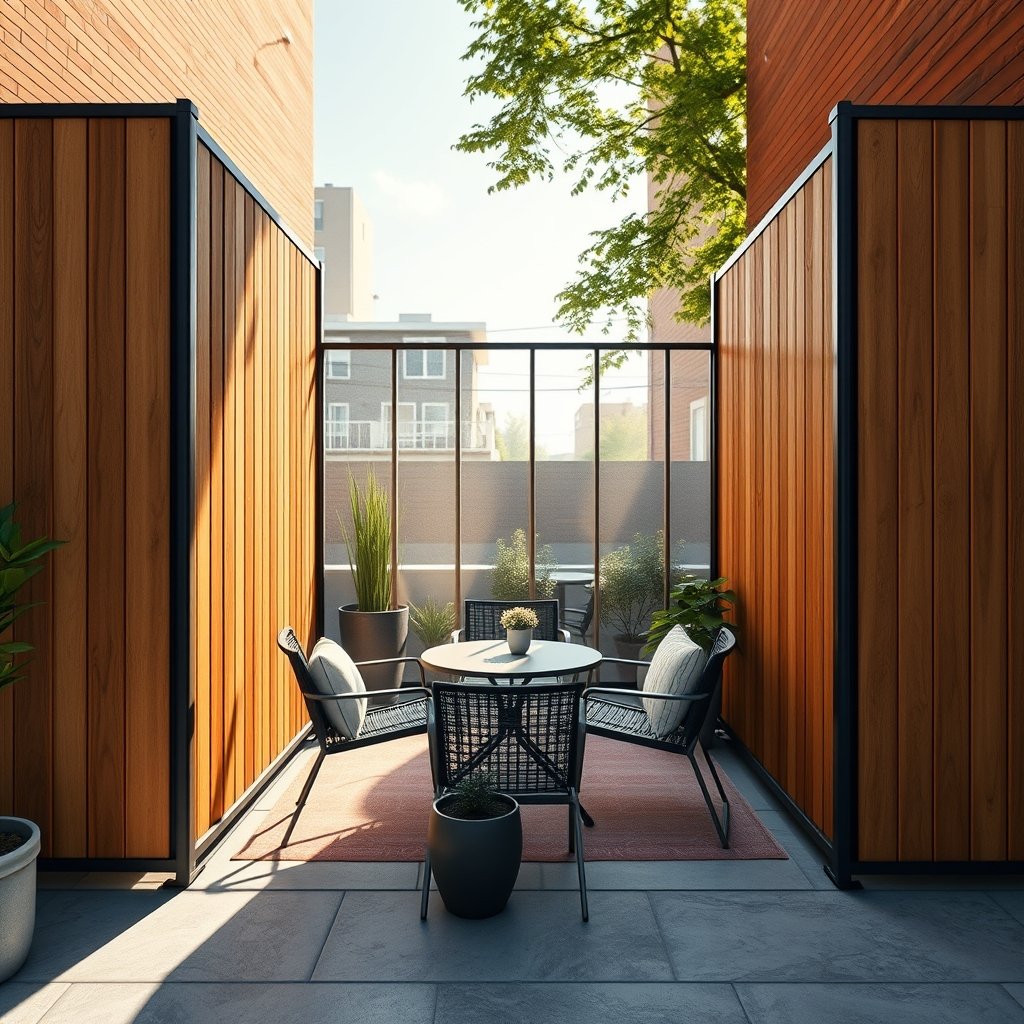
If you need immediate, attractive privacy—without digging, permanent expense, or design regret—a portable garden privacy screen is a smart investment. The biggest wins come from matching the panel material and anchoring style to your weather and use case. Metal panels typically offer best long-term value; lighter screens suit renters or temporary setups if paired with stable bases. Set realistic expectations: most models solve visual privacy and light wind needs, but nobody should expect total soundproofing or hurricane-level stability—choose accordingly.
Ready to transform your outdoor space? Compare your measurement, explore high-wind options, and ask sellers for real maintenance and service-life data before you buy. Your next portable garden privacy screen can deliver the blend of privacy, style, and peace of mind you need—without regrets.
Frequently Asked Questions
How do I anchor a portable garden privacy screen on a rental patio?
Use heavy planters filled with gravel or concrete, or freestanding weighted bases. Avoid ground spikes or concrete anchors unless permitted. Some screens are designed to be cable-tied or clipped to railings for added security.
Which material lasts the longest for a freestanding outdoor privacy panel?
Metal panels (especially powder-coated aluminum or galvanized steel) often last over 15 years outdoors. Wood requires regular sealing; plastics need UV protection to avoid fading and cracks.
Can a portable screen really block noise?
Not significantly. Most screens provide visual privacy; meaningful noise reduction requires solid, sealed construction or vegetative barriers. Manufacturers’ dB claims are rarely independently tested—ask for supporting data or test on-site with a sound meter app.
What are typical costs for portable panels?
Installed costs average about $1,158 per unit as of 2024 (industry market data). Expect to pay more for metal, UV-rated finishes, or custom sizes. Also budget for weights, anchors, and possible seasonal storage covers.
Can I leave my screen outdoors year-round?
Most metal and high-quality plastic/composite panels can be left outside all year, but you should inspect for rust, tighten connectors, and store fabric or lightweight panels indoors during winter or storms.