

self watering planter box solutions have become an essential tool for balcony gardeners who want reliable, low-maintenance, and water-efficient plant care—but it’s not as straightforward as picking the first reservoir planter for a balcony you find. Choosing the right self watering planter box and understanding its real-world pros and limitations will help you avoid costly leaks, constant refills, and rapid material wear, especially on urban balconies exposed to sun and weather.
Key Takeaways
- About one-third of balcony gardeners used self watering planter boxes in 2024, with market growth fueled by the need for low-maintenance and water-efficiency in small urban spaces.
- The most common issues are leaks/overflow, awkward refill access, and premature material breakdown—choosing the right specs is crucial to avoid these headaches.
- Reservoir capacity, durable UV-stabilized materials, and ergonomic refill features are far more important than brand hype or lowest price when choosing a reservoir planter for a balcony.
- Why self-watering planter boxes are surging on balconies
- Step-by-step guide: selecting and maintaining your box
- Advanced analysis & common pitfalls to avoid
- Conclusion: is a self watering planter box right for your balcony?
- FAQ: self watering planter boxes for balconies
Why self-watering planter boxes are surging on balconies
Adoption of the self watering planter box has exploded, especially among urban balcony gardeners who cannot water daily or want to maximize water savings. In 2024, about one-third of balcony gardeners preferred these systems. Multiple drivers are at play: urbanization limits outdoor space, water restrictions are tightening, and the desire for set-and-forget balcony gardening is high. Leading brands now specifically sell the reservoir planter for balcony market, boasting refill intervals of a week or more and water-use efficiency up to 80% greater than traditional top watering. The global self watering planter market is projected to grow from about $303 million in 2021 to around $650 million by 2031—a compounded annual growth rate between 7 and 8% (source, source).
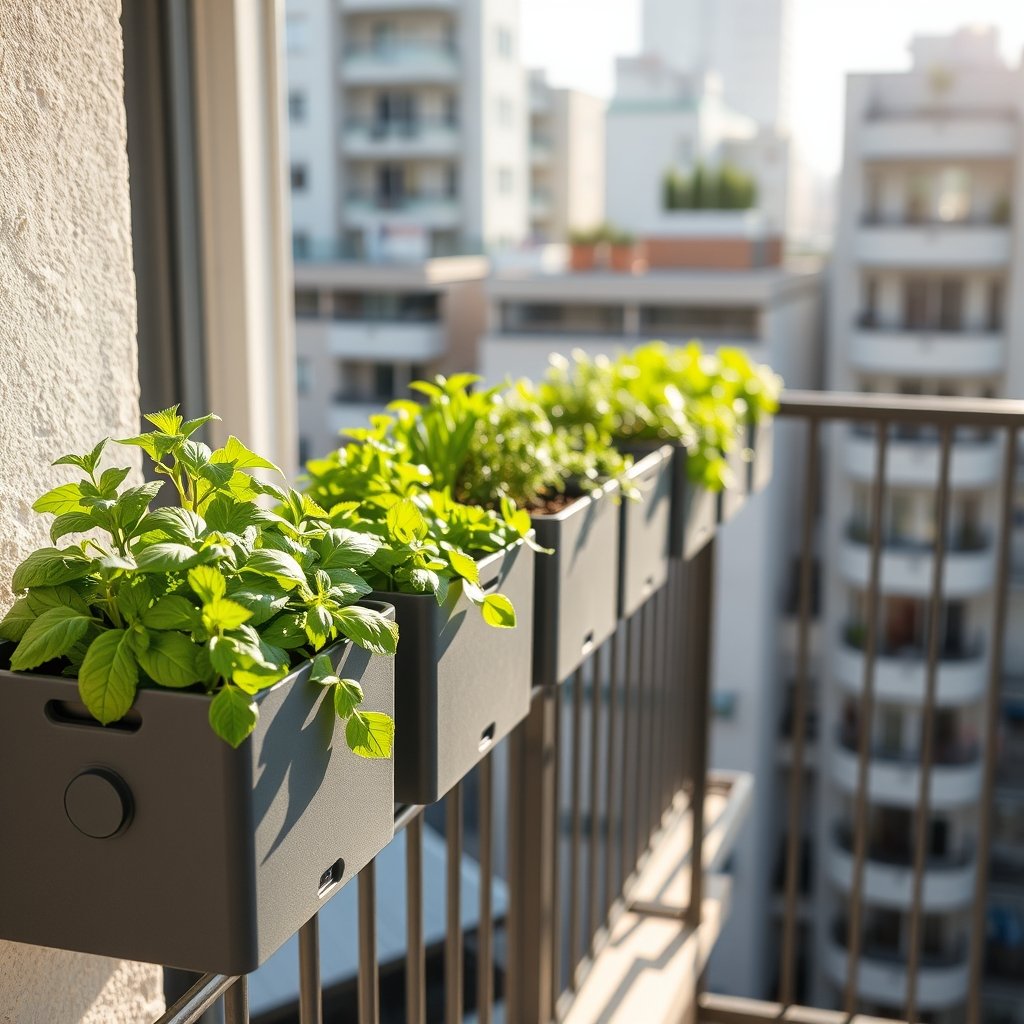
The main beneficiaries? Urban gardeners, apartment dwellers, and anyone who grows edibles, herbs, or flowers on balconies without convenient access to hoses. The right model nearly eliminates daily watering chores and solves inconsistent results caused by hot weather or travel absences. However, even the best self watering planter box is not entirely maintenance free—and some models are prone to frustrating leaks or material failure after just a year or two.
Step-by-step guide: selecting and maintaining your box
Choosing the right self watering planter box means going beyond product lists, focusing on concrete specs and common urban garden failure points. Here are actionable steps for choosing and caring for your reservoir planter for balcony success:
- Assess your plant types and sun exposure: Herbs and smaller ornamentals work with smaller reservoirs (1–2 L), but vegetables or thirsty flowers need 2–5 L. Sunny, windy spots use water faster; expect to refill every 3–7 days, while shade or lower evaporative conditions may push refills out to 10–14 days.
Reference: Leading balcony models ≈2 L, average refill interval ~1 week (source). - Check refill ergonomics: Look for side fill ports, funnels, or extended necks positioned for easy access—bending or fiddling between railings will quickly get old. Level indicators are a must for anyone who can’t eyeball soil moisture from above.
- Prioritize materials built for sun and weather: UV-stabilized resin, coated (not unglazed) ceramic, or thick, double-layer plastics resist fading and cracking. Beware of cheap thin plastics—they often degrade after 2–3 years of sun (source). For longevity, check that all seals (around fill ports and overflow drains) are replaceable and easy to inspect.
- Buy for repairability and retrofit options: Snap-on/fitted gaskets, replaceable level indicators, and removable water reservoirs extend life. If mounting the box through balcony railings, consider brackets or platforms that keep the refill port accessible from inside the railing or window.
- Use proper soil mixes: Lightweight, well-drained mixes (with perlite or coir) wick water up consistently and avoid pooling. Heavy soils may clog wicks, reducing efficiency and risking root rot, even with a fancy reservoir.
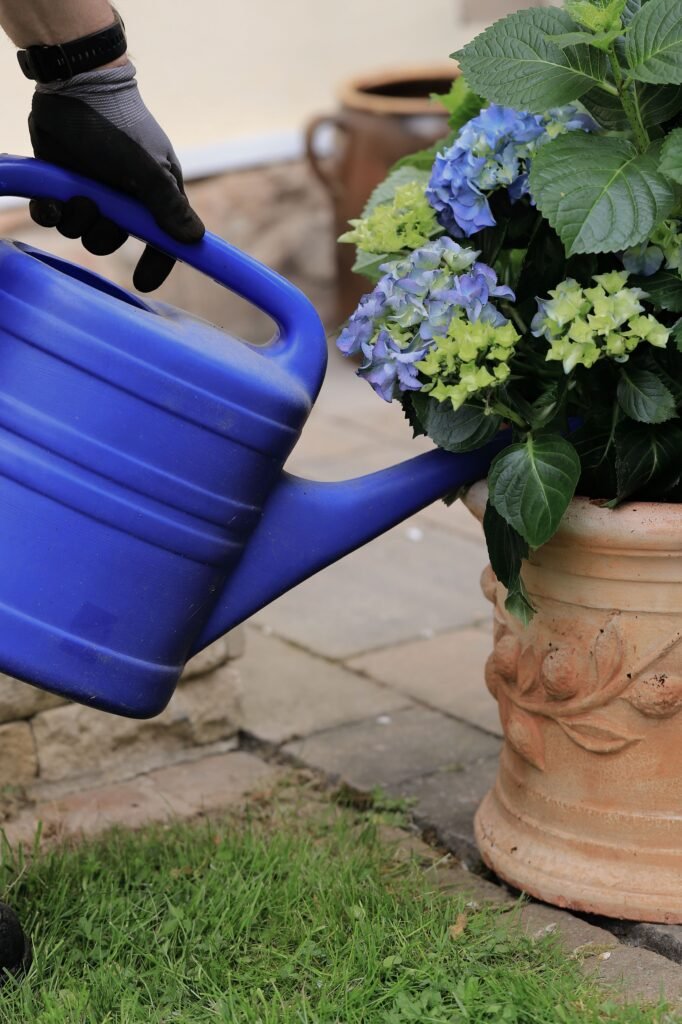
Maintenance boils down to inspection and simple routines:
- Check and clean fill ports and overflow holes monthly to prevent algae or debris buildup.
- Inspect seals seasonally; if you see dulling, brittleness, or easy flex in the gasket, replace before leaks start.
- In harsh sun, shade the container base or rotate boxes for even exposure. In cold climates, drain the reservoir and store indoors over winter to avoid freeze cracking.
- Use a soil moisture meter or stick a finger in the soil weekly to avoid root rot from overfilled reservoirs in rainy periods.
- Document your refill rhythm for each plant and location, adjusting timer reminders as weather changes.
Want to go deeper on balcony-friendly garden systems or eco watering alternatives? See guides such as vertical gardening systems or smart irrigation system setups for modular or technology-driven upgrades.
Advanced analysis & common pitfalls to avoid
Even well-reviewed self watering planter box solutions have failure modes. Here’s how to avoid the most common—and what features or habits minimize future pain:
| Issue | Cause | Prevention/Remedy |
|---|---|---|
| Reservoir leaks or overflow | Overfilling, failed/faulty fill port seals, blocked overflow | Never fill past the max line; check/replace all gaskets seasonally; clean overflow holes monthly |
| Awkward refill access | Fill point design or poor mounting position | Choose side/angled refill ports or retrofit with a awkward refill access; test access before mounting |
| Premature material wear (UV, cracks) | Thin/unstabilized plastic, constant sun | Opt for UV-resistant resin/ceramic; occasionally rotate or provide shade/protective film |
| Unreliable water level readings | Cloudy or blocked indicators; loss of calibration | Wipe out indicator channel regularly; verify visually during refill/check for backup flooding |
| Root rot or plant stress | Improper soil/wicking mix, overfilling for species type | Use wicking-optimized mixes; monitor soil dampness not just reservoir level |
Recent technical advances target these pain points. For example, smart sensor modules (launched in 2024) provide real-time moisture on your phone, and modular, stackable systems let apartment gardeners expand vertically without adding clutter (source). Compostable and lightweight resin planters—now 5–8% of the market—help those seeking eco-friendly replacements but may not match the longevity of established brands like Lechuza that use UV-protected resin and robust sub-irrigation tech (source).
For deeper insights on material longevity, homeowners tackling broader yard upgrades might compare findings from deck composite material comparison guides or see practical breakdowns on composting bin durability for further maintenance knowledge.
Conclusion: is a self watering planter box right for your balcony?
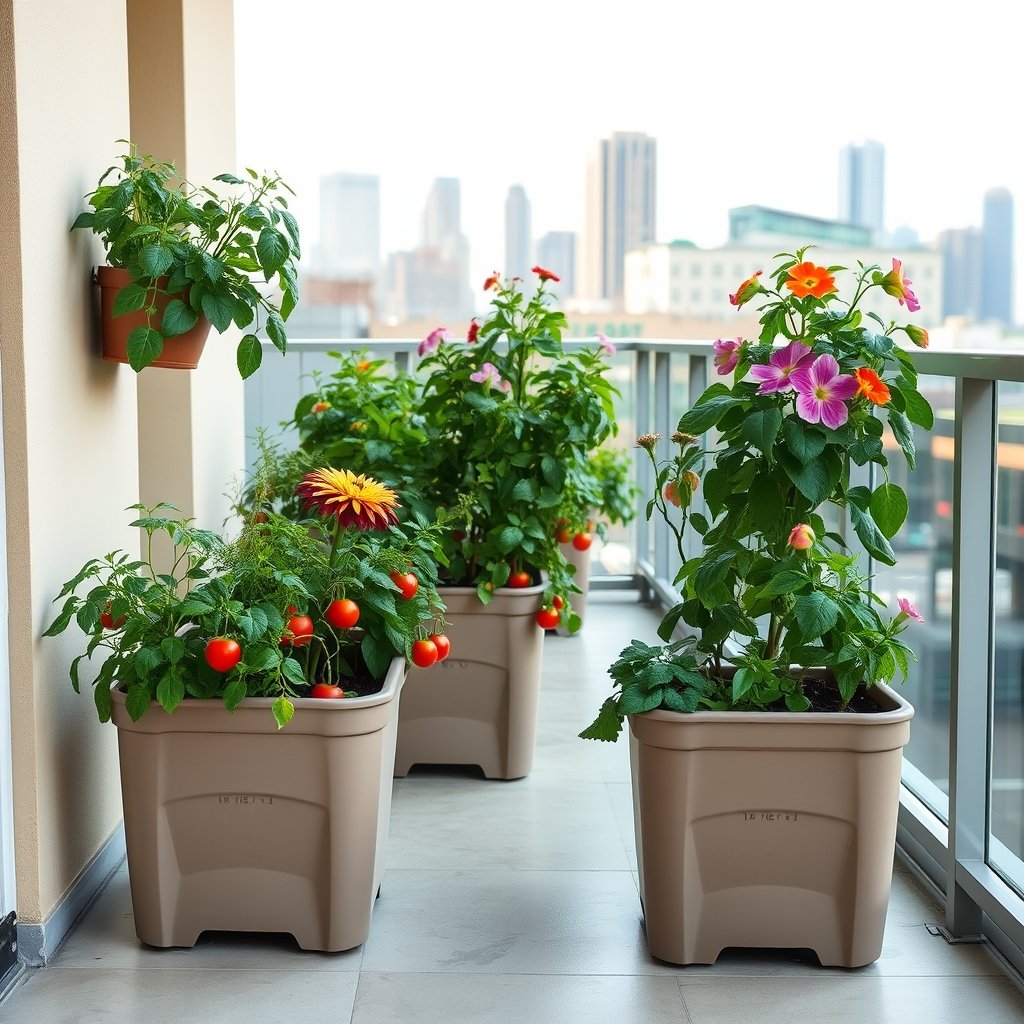
For urban balcony gardeners prioritizing ease, water savings, and plant health, the self watering planter box offers clear, evidence-backed benefits—if you choose the right specs and plan regular, quick maintenance. Practical sizing (around 2 L for most balcony uses), durable UV-stabilized materials, and accessible refill features prevent 90% of user complaints. Invest in a quality reservoir planter for balcony use, and you’ll likely see stronger plant growth and slashed watering chores. Ready to create a low-maintenance urban garden? Review specs, inspect for leaks, and schedule your first refill cycle with your new self watering planter box this week.
FAQ: self watering planter boxes for balconies
What size reservoir do I need for balcony herbs or vegetables?
Most herbs thrive with a 1–2 liter reservoir, needing a refill about once per week in average conditions. Vegetables, especially in full sun, often need 2–5 liters and may need topping up every 3–5 days during peak heat.
Do all self watering planter boxes prevent overwatering or root rot?
No. If the reservoir is overfilled, or you use heavy soils that don’t wick properly, root rot is still possible. Always monitor soil moisture, not just reservoir level.
How do I stop leaks or overflows?
Only fill up to the max line, keep overflow holes clear, and check/replace rubber fill-port seals every season, especially after freeze-thaw cycles or periods of heavy use.
How long do quality self watering planter boxes last on a sunny balcony?
UV-stabilized resin or coated ceramic boxes last about 5–7 years in outdoor conditions. Thin, non-stabilized plastics may fade or crack after 2–4 years of exposure.
Is it worth paying for “smart” self watering planters or modular systems?
Smart sensors help with remote soil monitoring but add cost. Modular or stackable boxes are valuable for expanding compact balcony gardens. Prioritize material and refill ergonomics first; upgrade to smart features if you need them.