

Heat pump water heater rebate programs can dramatically cut your installation costs and transform the economics of upgrading your water heating system. If you’re wondering whether the upfront investment is worth it, or how to qualify for these incentives, this guide delivers everything you need—straightforward and without the sales pitch. Let’s break down the latest rebate offers, what to budget, what to look out for, and where most homeowners go wrong on the way to five-figure lifetime savings.
Key Takeaways
- Federal, state, and utility heat pump water heater rebates can lower costs by thousands—often making them as affordable as traditional heaters in 2024 and 2025.
- Key requirements: Your unit must be ENERGY STAR certified, properly sized, and correctly installed to secure rebates.
- Upgrading is often simple if you’re swapping an electric tank—but gas-to-hybrid conversions can be complex and costly without careful planning.
- What is a Heat Pump Water Heater Rebate and Why Does It Matter?
- How to Qualify for and Claim Heat Pump Water Heater Rebates: Step-by-Step Guide
- Advanced Comparison, Pitfalls & Real-World Analysis
- Conclusion
- FAQ
What is a Heat Pump Water Heater Rebate and Why Does It Matter?
A heat pump water heater rebate is a financial incentive from federal, state, or local programs that specifically rewards homeowners for installing high-efficiency, ENERGY STAR certified hybrid water heaters. These rebates—along with federal tax credits—can lower your upfront costs by up to $2,000 or more in 2024 and 2025. But it’s not just about the incentive. A heat pump model will typically save you $3,000–$5,000 over its lifetime, making it a much smarter investment compared to standard electric or gas tanks, especially with today’s rising utility rates.
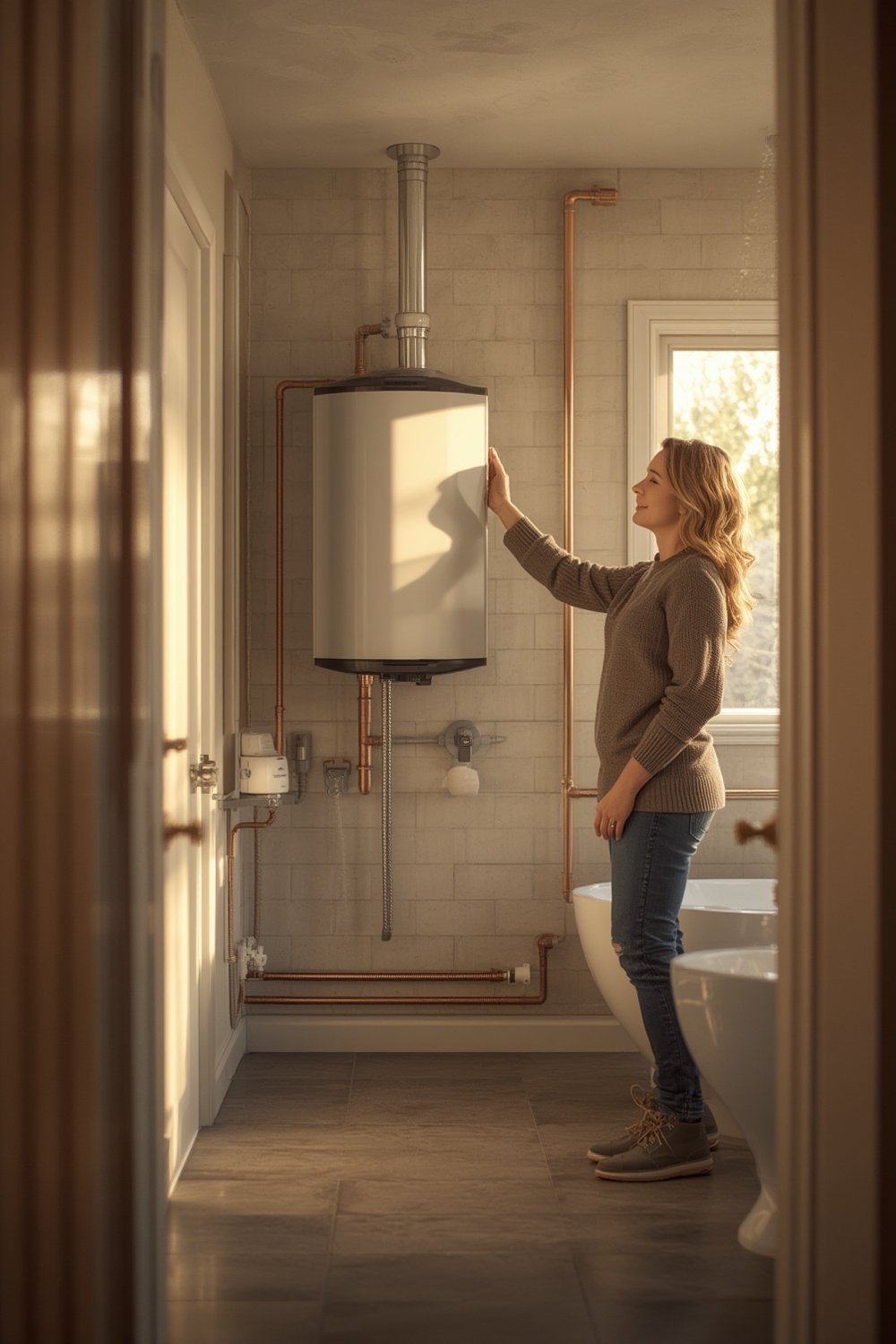
Let’s put the numbers side by side. The average cost for a traditional water heater—including install—lands at $1,100–$4,000. Upgrading to a heat pump version is typically $3,600–$6,500 installed, but with current rebates, the price difference can shrink to just a few hundred dollars. Even better, heat pump units cost only $90–$300 per year to run, compared to $230–$800 for gas or resistance-electric models (see Palmetto breakdown).
Many local utilities offer extra incentives or reduced electricity rates for high-efficiency heat pump water heaters—so you keep saving long after the install. The bottom line: rebates, efficiency, and cash savings all work together to make this an option worth serious consideration—especially for anyone looking to futureproof their home or electrify.
How to Qualify for and Claim Heat Pump Water Heater Rebates: Step-by-Step Guide
Ready to maximize your rebate and avoid wasted time? Here’s a practical, step-by-step blueprint:
- Check your current water heater type and local incentives. Electric-to-hybrid swaps are usually fastest and cheapest, but gas conversions often get higher rebates. Look up federal, state, and local/utility offers—start at the Clean Energy Connection.
- Pick an ENERGY STAR certified heat pump water heater. Most rebates and the federal tax credit require ENERGY STAR status. Choose the capacity that fits your household (typically 50 to 80 gallons for families). For side-by-side cost breakdowns, see this detailed cost comparison.
- Confirm technical requirements at your location. Ensure you have a 220/240V dedicated circuit available, at least 750 cubic feet of room for air exchange, and a way to handle condensate drainage. If your replacing gas, budget for vent/gas shut-off changes and possible electrical work (around $150 for a new outlet).
- Find a qualified installer who is familiar with rebate paperwork. Some incentive programs insist on approved contractors or participation in virtual power plant programs—get this right up front to avoid delays.
- Keep all receipts and submit your rebate claims promptly. Federal tax credits (via the IRA) are claimed on your taxes (form 5695). State and utility rebates usually need online submission—some, like Mass Save’s HPWH rebate, pay out fast but need every document in order.
Installers in new construction or “zero energy ready” homes can often deliver complete heat pump hot water systems at a lower cost than tankless gas or oil—even before incentives. For a hands-on look at how costs shake out across new builds and retrofits, see this real-world install case study.
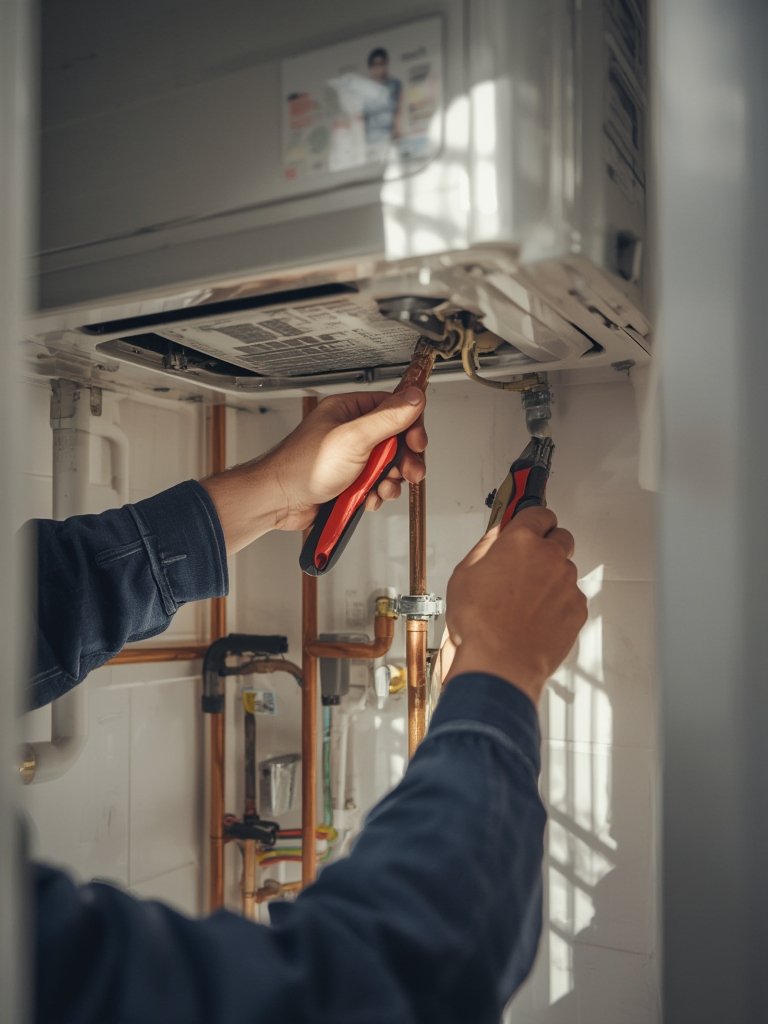
Don’t ignore the fine print. Most rebates require installing a qualifying model, submitting before a tight deadline, and using licensed installers. Taking shortcuts here is the #1 reason rebates are denied. Consider reaching out to programs like local heat pump water heater incentive pages or your state’s energy office for an up-to-date checklist.
Advanced Comparison, Pitfalls & Real-World Analysis
Even with rebates, there are real-world issues and unexpected costs to plan for. Here are the most common pitfalls, plus some advanced data:
- Upfront install costs can balloon—especially for gas-to-hybrid swaps. Expect $3,600–$4,800 if you’re replacing an electric tank, but gas conversions with venting and electrical upgrades jump to $4,300–$6,500 even before accounting for federal tax credits or rebates.
- Not all homes have the right space or circuit pre-installed. If you need new wiring or to make space in a closet or attic, factor in about $150 for an outlet and potentially much more for cabinetry or wall changes.
- Rebates require diligence. Miss a deadline, forget a document, or use a non-participating contractor and you could lose up to $2,000 in incentives.
- Efficiency can drop if the room is too cold. Most models need a 55°F–120°F ambient air range and at least 750 cu ft volume. Try to avoid installing in very small or unheated spaces.
- Noisy operation is rarely cited in data but can matter. Large open basements or garages avoid this, but small utility rooms may let compressor noise sneak into living areas. Ask for a demo if you’re sensitive to sound.
| Cost Aspect | Traditional Heater | Heat Pump Water Heater | Rebate Impact (2024–2025) |
|---|---|---|---|
| Unit Cost | $500–$1,500 | $1,200–$3,500 | Federal: 30% of cost up to $2,000 off |
| Installation | $600–$2,500 | $1,500–$4,000 | State/local/utilities can take $500–$2,000 more off |
| Annual Operating Cost | $230–$800 | $90–$300 | Some states offer reduced rates (e.g., MA 27c/kWh) |
| Lifetime Expected Cost (10–15 years) | $3,500–$8,000 | $2,000–$5,000 (after all incentives) | Long-term savings $3,000–$5,000 typical |
| Warranty | 6 years (electric) | 10 years (most HPWHs) | N/A |
| Common Pitfalls | Low upfront, higher bills Shorter life | High upfront, install complexity | Missing paperwork voids rebates |
ENERGY STAR certified heat pump water heaters from top brands typically outperform standard tanks by a factor of three or four on efficiency—and they come with 10-year warranties for extra peace of mind. That said, always scrutinize model specs and look for independent user satisfaction reviews or buyers’ guides for 2025 models (LG, SANCO2, Rheem).
Heat pump discounts are bigger in areas with utility “smart rates,” as these let you shift electricity costs down by joining grid demand-response programs. But this requires smarter setup and active enrollment with your electric provider—a step most generic guides miss. This is increasingly common in electrified states or new builds aiming for zero-energy ready status.

Conclusion
Don’t let the upfront sticker shock scare you off. With a heat pump water heater rebate, most homeowners can slash installation costs and transition their water heating to a smarter, lower-bill, longer-lasting system. Just confirm eligibility, select the right model and installer, and stay on top of rebate paperwork. If you want to cut your utility bills and boost your home’s resale value, now is a great time to act. Ready to get started? Visit your state energy office or favorite local installer and ask how to claim your rebate before funds run out.
Contact our experts for more information or a custom rebate eligibility check.
FAQ
How much can I really save with a heat pump water heater rebate?
Most homeowners get between $1,000 and $4,000 off the installed price, depending on federal, state, and utility rebates. Combined with energy savings, you’ll likely see $3,000–$5,000 in lifetime benefits.
What are the main eligibility requirements for rebates?
Typically, you need to install an ENERGY STAR certified heat pump water heater, have it professionally installed, and file all receipts. Some utility rebates also require the installer to participate in their program or for you to register the product.
Are there special rebates for low-income households?
Yes, many states and utilities have extra incentives if you meet income guidelines. Check with your local energy office or utility company for details—these can boost your rebate beyond what’s available federally.
Can I get a rebate if I’m building a new home, or only if I’m replacing an old heater?
Rebates and tax credits typically apply to both new construction and replacements, especially if you choose qualifying models. Always check specific program rules before starting your project.
What are common pitfalls that could make me miss out on a rebate?
The biggest issues are: not using a qualifying ENERGY STAR model, missing pre-approval steps, failing to keep receipts, and not meeting application deadlines. Always read the rebate fine print and work with experienced installers familiar with local programs.