

ADU garage conversion is rapidly becoming the go-to solution for homeowners wanting more livable space or steady rental income without moving. But before you start knocking down walls or calling contractors, you need straight facts, real cost breakdowns, and a reality check on regulations and pitfalls. Here’s everything you need to make your project a success—and avoid expensive mistakes.
Key Takeaways
- ADU garage conversion costs in 2024 range from $36,000 to $225,000 based on size, materials, labor rates, and city permit fees.
- Expect major pain points like long permitting timelines, engineering surprises, and extra costs for utilities or higher-end finishes.
- Understanding local zoning, technical requirements, and permit variations upfront can save money and months of stress.
- The Core Concept: What Is an ADU Garage Conversion and Why Do It?
- Step-by-Step Guide: How to Convert a Garage into an ADU
- Advanced Analysis & Common Pitfalls
- Conclusion
- FAQ
The Core Concept: What Is an ADU Garage Conversion and Why Do It?
An ADU garage conversion turns part or all of an existing garage into a legal, habitable dwelling. Homeowners do it to add flexible living space—like an in-law suite, guest rental, or home office—without sacrificing valuable backyard area. It is a prime way to boost home value or even generate rental income monthly, especially in states such as California, Texas, Florida, and New York.
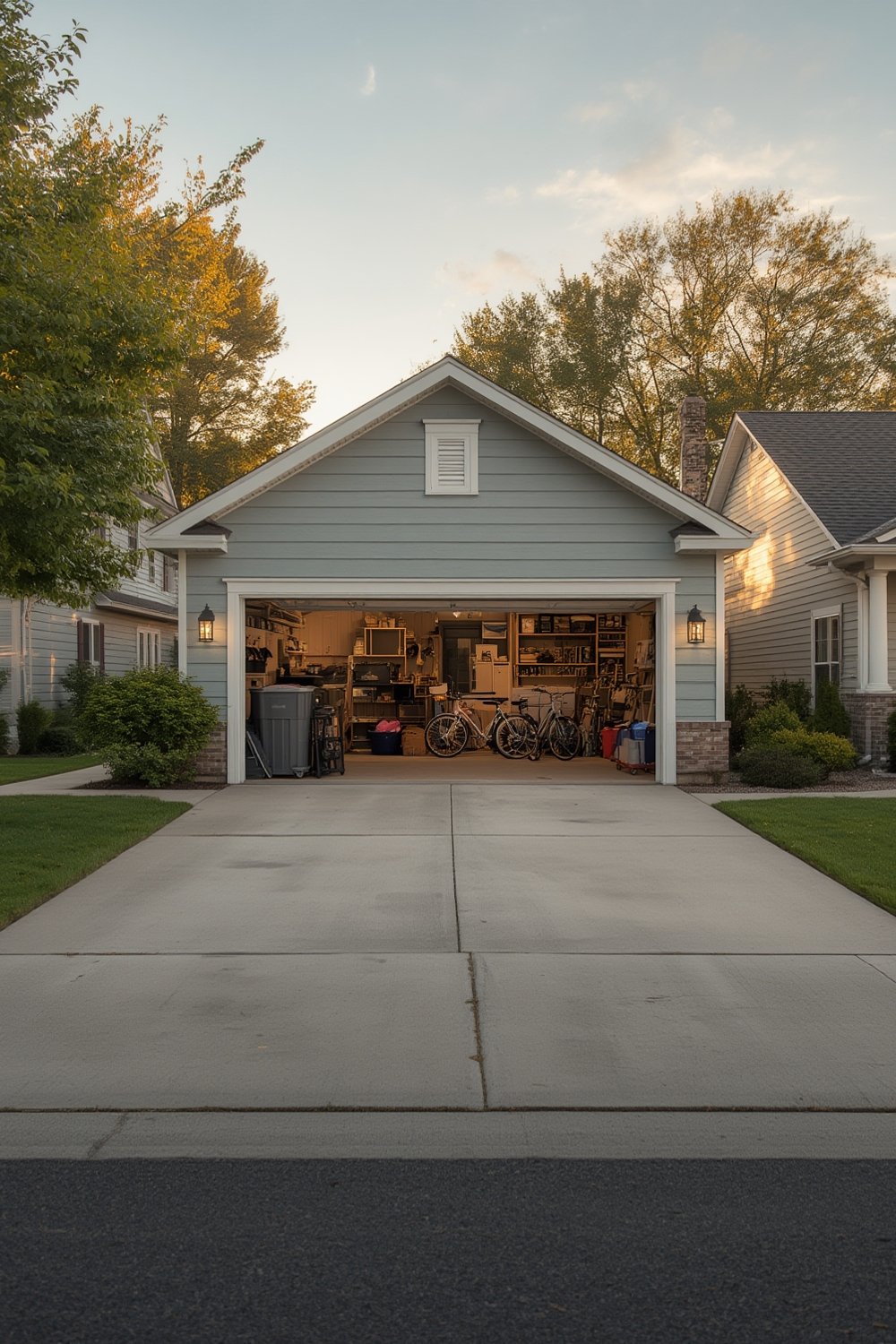
The average ADU garage conversion cost lands between $150 and $400 per square foot. That equates to $45,000 to $120,000 for a typical two-car garage, with cities like Los Angeles and San Jose pushing averages higher due to premium labor, tougher engineering, and local ordinances. Conversion is appealing because it usually leverages existing foundations, walls, and roofs, reducing construction time and expense compared to ground-up ADUs or additions. Some cities offer fast-track permits for conversions, but process and pricing varies widely, making research a must.
For deeper cost details and city-specific info, check this garage conversion cost guide and our California ADU cost breakdown.
Step-by-Step Guide: How to Convert a Garage into an ADU
Converting a garage to an ADU involves permits, design revisions, utility work, and inspections. Here’s how to get it right:
- Confirm Zoning and Codes: Start by checking your city or county ADU rules. Every municipality defines the max ADU size, lot setbacks, height, and parking rules. Some require attached garages to remain partially accessible or place limits on short-term rentals. Review local laws before spending money on plans. Our guide to ADU zoning breaks it down.
- Get a Feasibility Assessment: Many ADU designers offer this as a service for $250–$750. It tells you if the conversion is possible, forecasts structural hurdles, and flags utility upgrade needs.
- Budget for Real Costs: Plan for $36,000–$225,000 in 2024, depending on location, garage size, and finish level. Account for design ($2,000–$40,000), engineering ($350–$5,000), city permits ($1,200–$10,000), and likely cost overruns. Consult the comprehensive breakdown at Superior ADUs.
- Design & Plans: Choose between hiring a local architect, using a design-build firm, or buying prefab ADU conversion plans. Your plans must meet all life-safety codes: insulation, egress, fire separation, and accessibility. See requirements in our ADU technical compliance checklist.
- Structural & Utility Upgrades: assess your slab, wall integrity, roof, and foundation. You’ll likely need plumbing upgrades, new electrical, improved insulation, and separate sewer or water lines for detached units—this alone can add 20–30% to your bill. Mini-split HVAC is typical for cooling and heating. For more, see Ground Up Builders’ guide.
- Permit Submission: Prepare to submit a full plan set, structural calculations, Title 24 energy reports (in California), and pay all applicable fees. Processing can take from 2–8 months in busy cities. See our permit process walkthrough.
- Construction: Contractors handle demolition, framing upgrades, insulation, mechanicals, drywall, and finishes. Build in contingencies for the unexpected: hidden damage, drainage fixes, or city inspector changes.
- Final Inspection & Certification: Schedule a final city inspection to confirm code compliance. Once signed off, your garage is a legal living space—ready for guests or tenants.
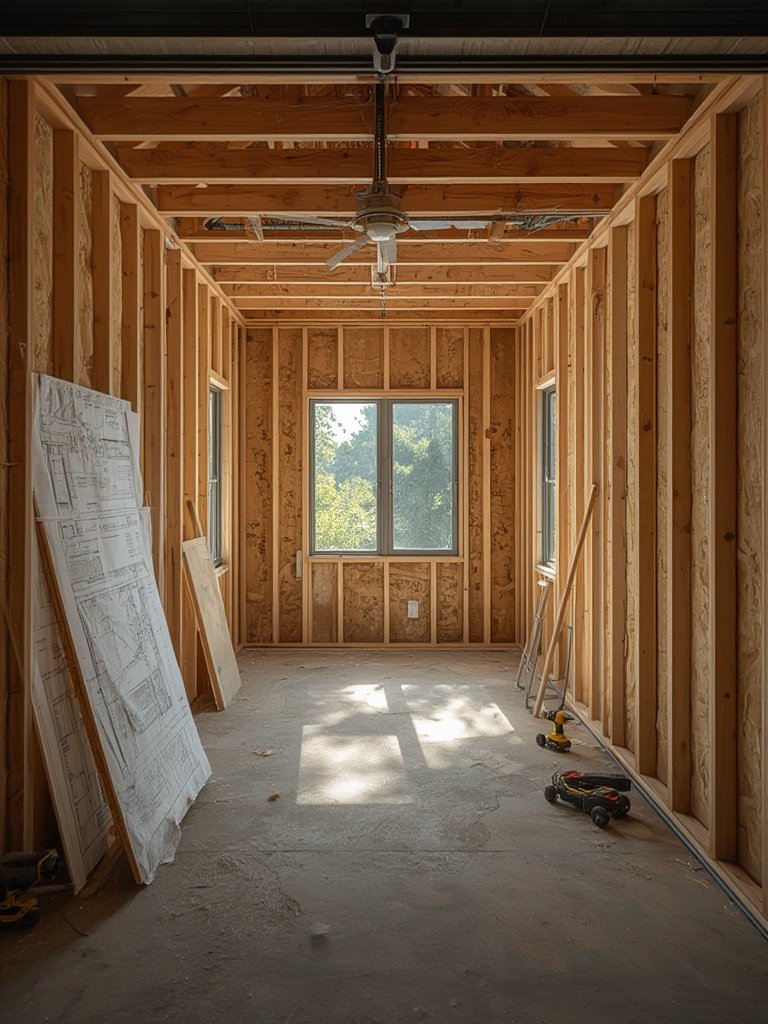
Don’t skip any of the above. Rolling the dice on design or failing to check city permit timing can cost you months and tens of thousands in overruns.
Looking to estimate rental income for your ADU conversion? While hard numbers are scarce, you’ll usually match local one-bedroom apartment rates for similar new construction—see our rental income calculator for ballpark forecasts.
Advanced Analysis & Common Pitfalls
Garage to ADU conversion seems straightforward, but the process is dotted with costly setbacks that catch homeowners off guard. Let’s break down the leading traps and how you can avoid them:
Common Pitfalls
- Permitting Delays: High-demand cities like Los Angeles, San Diego, and San Francisco have queue times of 5–8 months just for plan review. Changes to plans requested by inspectors can force redesigns and added engineering.
- Underestimating Costs: Homeowners often use basic square-foot averages and skip the “soft” costs—like architectural fees, Title 24 energy reports, permit fees, and utility connections for detached conversions. These can add 30% or more to expected budgets.
- Surprise Structural Work: Older garages may need slab replacements, termite repairs, roof, or wall reinforcement. Budget at least $2,500–$10,000 for prep even if you see no visible issues.
- Zoning “Gotchas”: Some areas ban rental ADUs or require extra parking, fire sprinklers, or setbacks you can’t achieve. That can stop the project dead—always check city rules.
- Technical Deficiencies: Failing to meet ceiling height minimums, egress window size, or fire separation codes can cause plan denials or require expensive redesigns.
- Utility Upgrades: For detached garages, new sewer/water/gas lines add 20–30% to your conversion. These are termed “hidden” costs by most contractors.
- Permit Fee Shock: Smaller ADUs may be hit proportionally harder, since school, impact, and plan check fees often aren’t scaled to square footage.
| State | Average Cost | Main Fee Drivers |
|---|---|---|
| California | $160,000 | High labor, seismic engineering, Title 24 reports, city fees |
| New York | $136,000 | Labor, code complexity, dense urban utility challenges |
| Florida | $113,000 | Materials, hurricane standards, permit add-ons |
| Texas | $102,000 | Permit processing, variable local codes, labor |
For permit and cost breakdowns by state, see the latest research at Angi’s guide.
Technical Requirements in Practice
- Insulation: Walls, floors, and ceilings must be brought up to residential energy code. California’s Title 24, for example, often requires removing drywall and upgraded insulation all cavities.
- Ceiling Height: Most codes require 7 to 7.5 feet clear height. Slab steps or low beams mean you may need to raise floors or lower ceilings.
- Egress: At least one window or door must meet egress sizing for fire safety, impacting wall design.
- Fire Separation: Usually requires a fire-rated wall or ceiling where the new ADU meets an attached house or garage structure.
- Bathroom/Kitchen Plumbing: New drains and supply lines must meet code. Slab foundations can make this labor-intensive.
- HVAC: Most choose mini-split heat pumps. Central air rarely extends to garages.
Prefab ADU Conversion—What’s Missing from Most Guides?
Nearly all big-name guides ignore prefab garage-to-ADU pricing and trade-offs. Prefab kits promise faster build times and tighter cost controls but often require extensive foundation or framing work to fit existing garages. Most prefab solutions are priced for new detached ADUs, not conversion of old structures—leaving you with higher costs than most sales literature admits. Factor custom rebuilds or engineering add-ons into your prefab ADU analysis. For a comparison between prefab and custom ADU types, see our ADU construction comparison guide.
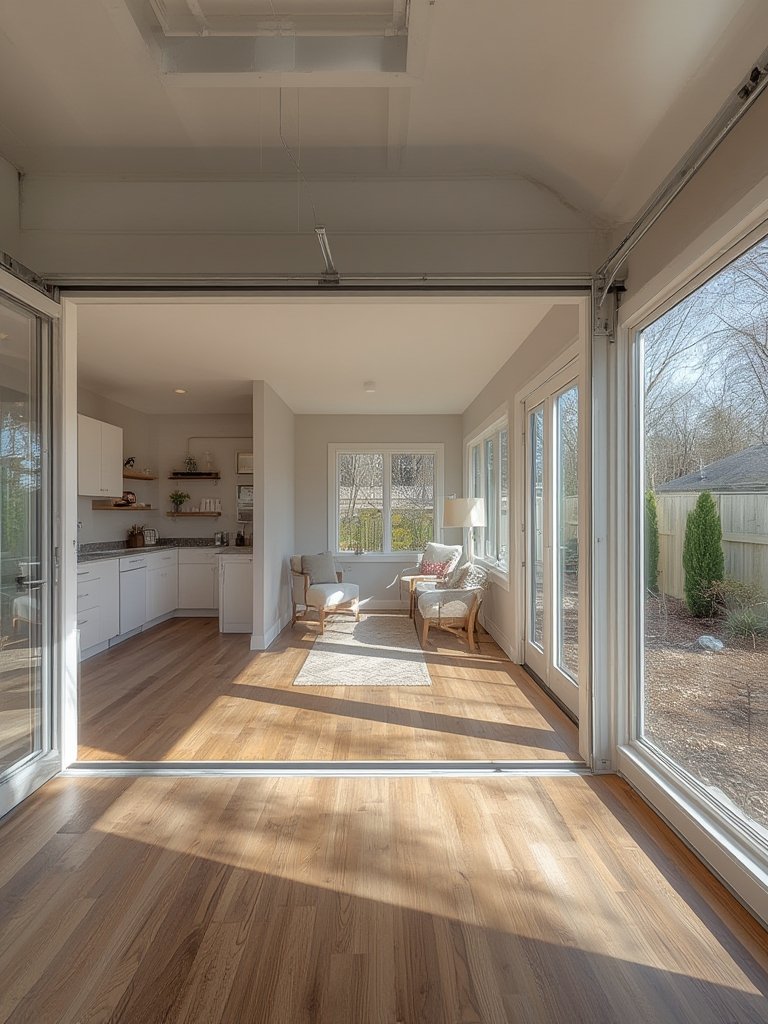
For more technical detail, see our complete garage conversion checklist.
Conclusion
ADU garage conversion is one of the most cost-effective, flexible ways to add housing or boost property value, but it’s not “cheap” or simple. Understand the true all-in cost, nail down your local zoning, and never underestimate technical or permitting hurdles. Smart planning and attention to real-world pitfalls can turn your garage into high-quality living space in under a year—and set you up for rental income, family accommodation, or future resale.
Ready to get started? Download our free ADU garage conversion checklist or connect with a vetted local design-build pro today. Don’t risk expensive mistakes—make your ADU garage conversion a value-adding success story.
FAQ
How much does a garage-to-ADU conversion really cost in 2024?
Costs typically run $150–$400 per sq ft nationwide, or $70,000–$190,000 for a typical 350–400 sq ft two-car garage in California. Costs vary by city, labor, materials, and scope. See this guide for regional details.
What are the most common setbacks in the permitting process?
The biggest issues are long city review timelines (often 5–8 months), plan rejections due to technical deficiencies, and unexpected additional fees. To avoid this, use a feasibility study and local ADU expert early.
Do I need a structural engineer for a garage conversion?
Usually, yes—especially if you’re adding doors, windows, or raising the roof. Most building departments require a licensed engineer to certify any new openings or structural work.
Are prefab ADU kits a good option for garage conversion?
Prefab kits sound appealing but rarely fit most older garages without major modifications. Most guides fail to clarify the true extra costs for making prefab solutions code-compliant in conversions.
Which technical upgrades are mandatory for code-compliant ADU conversion?
You’ll need upgraded insulation, new plumbing drain and vent lines, HVAC for heating/cooling, fire separation (especially if attached), and adequate ceiling height and egress. Requirements vary by city.