

Whole home battery backup solutions are quickly becoming essential for any homeowner who wants reliable electricity during grid outages or wants to take full advantage of solar panels. As rolling blackouts, extreme weather, and utility rate changes become more common, investing in a whole-home battery backup offers peace of mind—if you know how to choose, install, and maintain the right system for your needs.
Key Takeaways
- Expect to invest $15,000–$40,000 for a typical whole home battery backup, including installation and equipment.
- Choosing the right system means understanding your home’s real power needs, battery specs, and long-term maintenance costs.
- Most common mistakes include underestimating required capacity, missing electrical upgrades, and neglecting ongoing maintenance.
- What Is Whole Home Battery Backup and Why Does It Matter?
- How to Choose and Install a Whole Home Battery Backup (Step-by-Step)
- Advanced Analysis and Common Pitfalls to Avoid
- Conclusion: Is Whole Home Battery Backup Worth It?
- FAQs About Whole Home Battery Backup
What Is Whole Home Battery Backup and Why Does It Matter?
A whole home battery backup is an energy storage system designed to keep your house powered even during grid failures, storms, or scheduled outages. Unlike small portable batteries or generators, these systems are designed to back up most—or all—of your key appliances, lights, HVAC, internet, and even a home EV charger.

These systems usually combine one or more high-capacity batteries (often lithium-ion), a dedicated inverter, and transfer switches to automatically take over for your utility power without manual intervention. Connected to your main electrical panel, they’re programmed to either provide full backup or cover only critical circuits, depending on your budget and needs.
Rapid growth in home electrification, more extreme weather events, and wider adoption of solar is making a whole home battery backup less of a luxury and more of a necessity. When paired with solar panels, you can keep the lights on for multiple days—completely independent of the grid.
How to Choose and Install a Whole Home Battery Backup (Step-by-Step)
Getting a whole home battery backup installed isn’t a quick DIY. Here’s what actually works, based on real-world installs and certified sources:
- Home Load Audit: List all circuits and estimate their combined wattage. Decide what you need backed up (entire home vs. critical loads).
- Capacity Sizing: For basic security and food life, a 10-15 kWh system (covers 8–16 hours). For full coverage and multi-day outages, consider at least 30–40 kWh.
Typical costs: $11,000–$21,000 for 10–15 kWh, $19,000–$33,000 for 20–30 kWh, and $31,000–$57,000 for 40+ kWh systems (source).
- Battery Chemistry: Most go with lithium-ion for space and cycle life, but some rural setups still use lead-acid for upfront savings. There’s very little real-world data comparing these types in durability over years.
- Picking a Brand: Tesla’s Powerwall 3 (~$15,400 installed) leads for features. FranklinWH’s aPower 2 (~$17,500 installed) offers higher backup power but at a premium (source). No reliable third-party rankings exist for 2025, and true warranty or reliability comparisons remain scarce outside of manufacturer claims.
- Panel Upgrade: Many older homes will need a 200A or larger panel to accommodate backup. panel upgrade costs can range $1,500–$5,000 and are often overlooked in quotes.
- Permits & Site Prep: Expect to pay $200–$2,500 for permits, plus site prep for mounting and weatherproofing ($500–$2,000). Labor runs ~$80–$180 per hour, often 20–30% of the total quote (source).
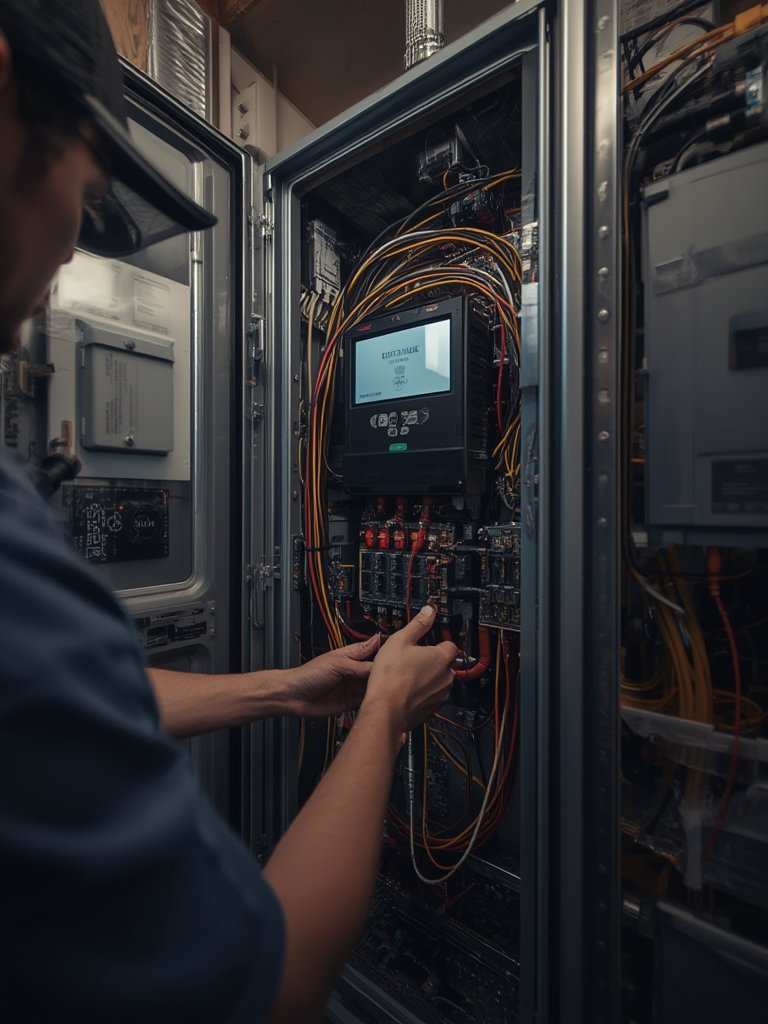
- Professional Installation: Never DIY the final wiring—always use a licensed electrician experienced in backup systems to avoid critical hazards and failed inspections.
- Commissioning: System testing is critical. Ensure your installer performs a complete outage simulation and trains you on the app/interface.
- Ongoing Maintenance: Plan for annual kits ($150), software updates, and cloud monitoring subscriptions (~$100/year). Lead-acid batteries need annual electrolyte checks (~$300/year).
- Understand Rebates: Look for state and utility rebates and the federal 30% solar+storage tax credit. If stacking is allowed, it can reduce your upfront costs significantly. For example, pairing with a heat pump water heater rebate can boost savings for heavily electrified homes.
Remember: Not all systems back up every circuit by default. If you are converting a garage for an ADU conversion, be aware that a whole home battery backup may need extra subpanel hookups and engineering work.
Also, integrating with complex upgrades—like a cold plunge pool installation—can spike your initial costs if extra loads are included in the backup circuit.
Advanced Analysis and Common Pitfalls to Avoid
Most buyers focus on battery price, but the biggest mistakes come from hidden costs, unrealistic sizing, and ignoring long-term ownership realities. Here are the real-world pitfalls:
| Pitfall | How to Avoid | Realistic Cost Impact |
|---|---|---|
| Undersized battery system | Audit appliances + add 20% buffer. Plan for multi-day outages if needed. | $7,000–$25,000 (for “redo” or system stacking) |
| Forgetting panel/electrical upgrades | Ask for a main panel evaluation before quoting battery size. | $1,500–$5,000 (sometimes double if the home has old wiring) |
| Ignoring maintenance | Add annual checkups and software subscriptions to your budget from year one. | $250–$600/year (recurring cost) |
| Assuming all brands perform equally | Dig for independent reviews and local installer reputation, not just glossy specs. | Warranties vary (missing coverage can make a “bargain” system costly to replace) |
| Not planning for code & permit delays | Start the permit process early; some waits stretch 2–3 months. | 2–12 weeks of unexpected delays (especially in cities with solar/battery booms) |
Competitor articles rarely address these hard truths:
- Battery Chemistry Details: While lithium-ion dominates, you’ll find few deep dives on how different chemistries actually handle degradation over time or extreme heat/cold (source).
- Homeowner Reviews & Reliability: Current research lacks meaningful user feedback on system failures or customer support nightmares.
- Market Adoption Data: No up-to-date 2024 statistics on US or global battery adoption, so don’t let claims of “explosive growth” sway your decision without real numbers (source).

Finally, there’s almost no genuine head-to-head data comparing Powerwall to alternatives like Generac PWRcell. If you want the safest bet, go with mainstream brands where more real-world support exists, and press your installer for warranty details in writing.
Conclusion: Is Whole Home Battery Backup Worth It?
Installing a whole home battery backup is a major investment, but for many, the ability to keep your house running during outages and take control over your energy future is worth the cost. The key is a realistic system size, clear understanding of electrical needs, and choosing a reputable installer who factors in all hidden costs—not just shiny battery specs.
If you’re considering solar or EV upgrades, combining them with a battery can unlock stacked rebates and greater energy independence. Ready to take the next step in securing your home’s power? Contact a certified installer to audit your home—and reference this guide for negotiating the best possible outcome with your whole home battery backup system.
FAQs About Whole Home Battery Backup
How much does a whole home battery backup really cost in 2024–2025?
Most homeowners spend $15,000–$40,000 installed, with final price driven by capacity, labor, panel upgrades, and permitting. Smaller essential-load systems start around $11,000. Ultra-large setups can exceed $55,000. Learn more.
Can I go totally off-grid with just a battery backup?
A battery alone isn’t enough. For long outages or full grid independence, you’ll need large solar, tight daily load management, and over 30–40 kWh of storage. Full “off-grid” homes require professional design well beyond plug-and-play backup kits.
Is a permit required to install a whole home battery backup?
Yes. Most US municipalities and all reputable installers require an electrical permit, plus inspections. Skipping permits can void insurance and cause major problems if you sell your house.
Which brands are best: Tesla Powerwall, FranklinWH, Generac, or others?
Tesla Powerwall is the most recognized, with robust app controls and wide installer support. FranklinWH offers slightly more power, but at a higher price. There’s not enough data on Generac PWRcell or other new brands to judge reliability or support for 2024–2025.
How often do I need to maintain my home battery backup?
Plan for a yearly checkup. This includes software updates, hardware inspections, and—for lead-acid types—electrolyte checks. Budget $250–$600 per year in maintenance, cloud subscription, and service fees.