

Solar panel roof installation cost is one of the most important numbers every homeowner needs to get right before making the switch to solar. In 2024, accurate information on system prices, payback, rebates, and real-world pitfalls can mean the difference between years of savings… and a major financial headache. In this definitive guide, we’ll break down what you’ll really pay for rooftop solar, show you how federal and local incentives cut costs, and arm you with practical steps to avoid common mistakes.
Key Takeaways
- Solar panel roof installation cost in 2024 averages $2-3 per watt before incentives, with a typical 6 kW system costing $17,852 before and $11,924 after tax credit.
- The federal 30% solar tax credit is the single biggest homeowner incentive—state and local rebates can stack to amplify savings, but eligibility and rules vary.
- Hidden costs like roof complexity and material, battery storage, and expensive permitting can add 10-20% to your final bill—plan for these from the start to dodge unwelcome surprises.
- What Drives Solar Panel Roof Installation Cost?
- How to Calculate and Reduce Your Solar Panel Roof Installation Cost
- Advanced Analysis & Common Pitfalls
- Conclusion
- FAQ
What Drives Solar Panel Roof Installation Cost?
Most homeowners will pay between $2–$3 per watt for a new rooftop solar array in 2024, according to national research. The true cost of your system, however, varies based on three key factors: the size of your installation in kilowatts (kW), where you live, and the type/complexity of your roof structure.
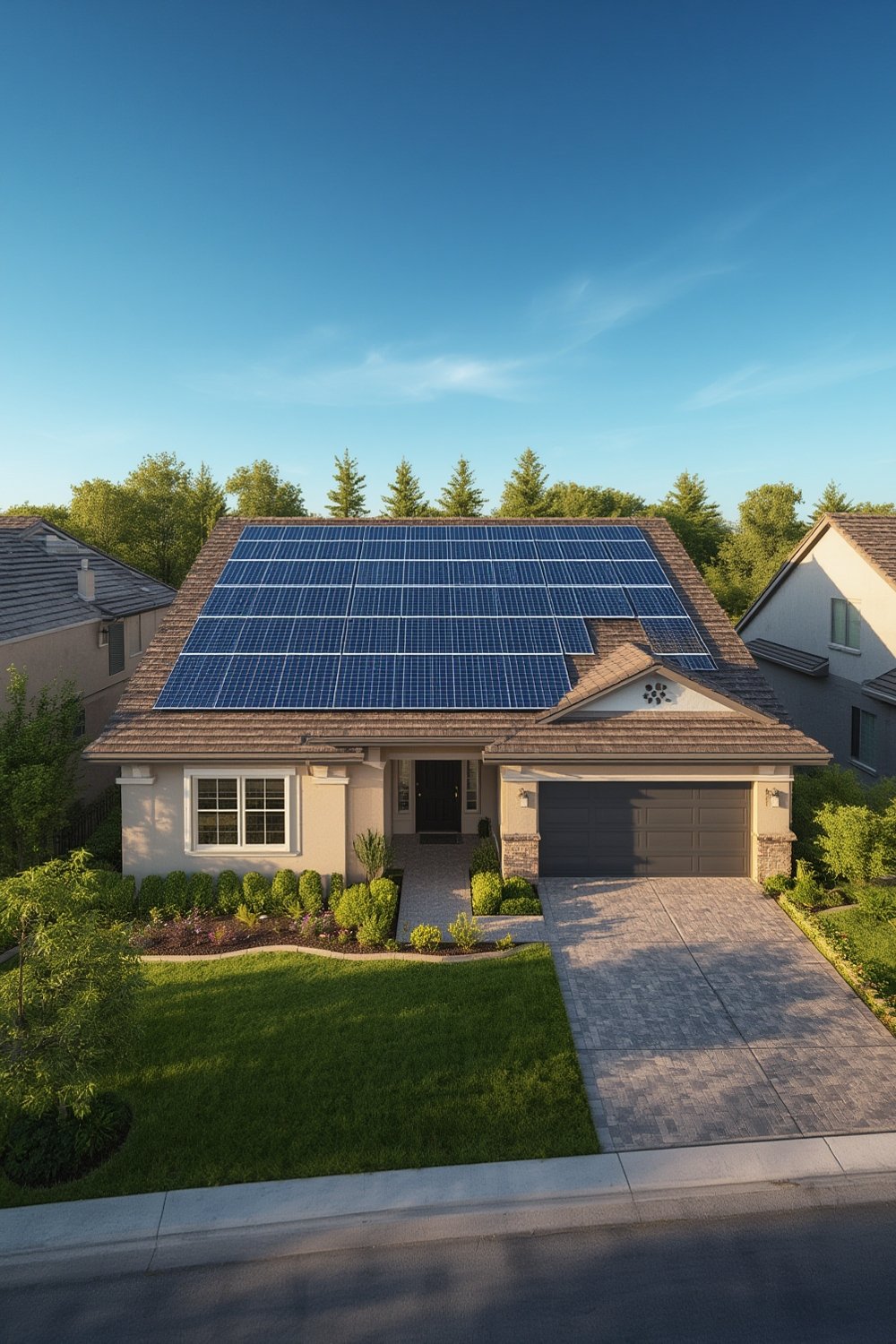
System size is the biggest component, with common installations ranging from 4 to 10 kW. For context, a 6 kW system—enough for many average homes—costs $17,852 before incentives (or $11,924 after the 30% federal tax credit). Here’s a quick breakdown:
- 5 kW: $14,210 before / $9,937 after
- 6 kW: $17,852 before / $11,924 after
- 8 kW: $22,712 before / $15,898 after
- 10 kW: $28,241 before / $19,873 after
Geography matters just as much. For example, per-watt prices drop to $2.14 in Florida but spike to $4.25 in Hawaii. California, a solar hotbed, averages $3.47 per watt for a 5 kW system, while Pennsylvania falls in the $3.55/watt range.
Roof complexity and material can quietly push your bill up 10-20%. Steep or multi-faceted roofs, tile instead of asphalt shingle, or any installations requiring extra bracketing mean higher labor costs—even if the panels themselves don’t change.
Homeowners considering full energy independence by adding solar battery storage should budget another $7,000–$18,000, on top of solar panel costs. These extras are sometimes overlooked in many competitor articles—which rarely break out line items for specialty roofs or energy storage.
How to Calculate and Reduce Your Solar Panel Roof Installation Cost
Taking a systematic approach before calling installers will help keep your solar project on budget—and maximize your savings by stacking incentives.
Step 1: Size Your System Based on Electricity Needs
Check your last 12 months’ electric bills. Divide your annual kilowatt-hours (kWh) by 1,300 to estimate the correct kW system size for your home. For smaller homes (under 1,200 square feet), a 4–5 kW system is usually enough, averaging $11,920–$14,210 before incentives, or ~$8,344–$9,937 after.
Step 2: Adjust for Roof Type and Orientation
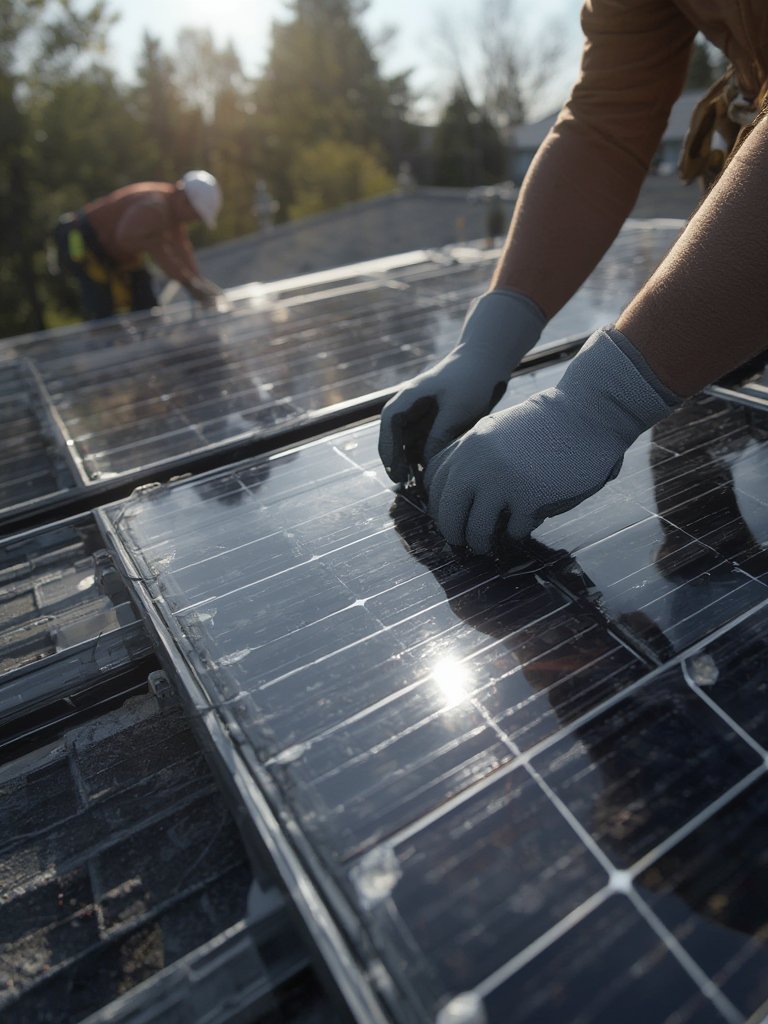
Roof shape and material affect both cost and solar output. Steep roofs, tile, or standing seam metal can add 10%-20% to labor. North-facing or heavily shaded roofs may require more panels or microinverters, increasing cost by $0.50/watt or more. Permitting fees range $500–$2,000 on average but can go higher in some cities.
Step 3: Stack Incentives—Federal AND State
In 2024–2025, the federal solar tax credit (IRA) reduces your liability by 30% of system cost. For a $17,852 system, this means $5,928 off the top.
Check with your state energy authority and local utility for extra rebates—these can shorten payback to as little as 6 years in high-rate states.
If you’re interested in using the IRA tax credit for energy-efficient appliances (like a heat pump water heater), you can often combine savings for an even faster ROI.
Step 4: Get Multiple Bids and Watch for Hidden Upgrades
Gather written bids from at least 3–4 licensed installers. Ask for a line-item quote listing panel type, inverter make, installation labor, permitting, and any battery add-ons. Get warranty terms (panels, inverters, workmanship) in writing. Beware of pushy inside sales—always compare bids, especially if a company insists on expensive extras.
Step 5: Factor in Ongoing Maintenance and Future Proofing
Plan for inverter replacement ($1,000–$3,000 every 10–15 years). Panels lose about 0.5–1% efficiency per year, which is normal. If you intend to add features like an EV charger or battery later, let your installer know during the quoting process to size your inverter and panel array accordingly.
Advanced Analysis & Common Pitfalls
Even with solid planning, many homeowners stumble on unseen costs or disappointing performance. Here’s what the data and real-world experience show:
Common Pitfalls in Solar Panel Roof Installation Cost
- Incomplete Incentive Stacking: Many homeowners leave behind local rebates due to missed deadlines or non-approved contractors. Check rules for every program in advance.
- Battery Storage Budget Shock: Adding solar battery storage typically means $7,000–$18,000 extra, which is not always clearly explained in sales pitches.
- Roof Complexity Ignored: Steep, multi-angled, or tiled roofs can quietly add 10–20% to your total bill through increased labor and materials.
- Permitting Delays and Costs: Permits often cost $500–$2,000, with unexpected delays in cities with strict code enforcement.
- Underestimating Payback Period: Nationally, payback periods range from 6–17 years. Fast payback in Connecticut (6 years) and Florida (9 years) contrasts with up to 17 years in Washington, mostly due to utility net metering policies and local rates.
- Ongoing Maintenance Costs: Inverter replacement ($1,000–$3,000 per decade) and panel cleaning (especially in dusty areas) can add to long-term costs.
- User Opinion Gap: Major reviews and databases rarely publish real user experiences on solar panel brands, leaving buyers with limited insight into support, warranty, or reliability until they face an issue themselves.
| Location | System Size (kW) | Avg. $ per Watt (before credit) | Total Pre-Tax Credit | Total After 30% ITC |
|---|---|---|---|---|
| Florida | 6 | $2.14 | $12,840 | $8,988 |
| California | 5 | $3.47 | $17,350 | $12,145 |
| Pennsylvania | 8 | $3.55 | $28,400 | $19,880 |
| Texas | 9 | $3.33 | $29,970 | $20,979 |
| Washington | 6 | $2.80 | $16,800 | $11,760 |
For a deeper renovation perspective, see how hidden costs can be managed in other projects like ADU garage conversions, where permitting and unforeseen fees play a similar role.

Conclusion
Understanding the real solar panel roof installation cost means looking beyond just panel prices. Homeowners who budget for their roof type, stack every available incentive, and plan for future upgrades (like an EV charger or home battery) will get the best value and reduce bill shock. Get multiple bids, scrutinize the fine print, and expect true ROI in 6–17 years depending on your state and net metering.
Ready to cut your utility bill and boost your home’s value? Start with a free site assessment and compare multiple solar bids today.
FAQ
How much does a small house solar panel system cost in 2024?
A typical 4–5 kW solar panel system for a small house under 1,200 sq ft costs $11,920–$14,210 before incentives, or $8,344–$9,937 after the 30% federal tax credit. Roof complexity and location can move this number up or down.
Are there solar rebates in 2025 besides the federal tax credit?
Most areas rely mainly on the federal 30% solar tax credit (available through at least 2032). Some states and utilities may offer additional 2025 rebates—always check with your local authority for current programs before you sign a contract.
What hidden costs catch solar panel buyers off guard?
Common hidden costs include permitting fees ($500–$2,000), complex roof installation premiums (10–20% extra), and battery storage ($7,000–$18,000). Inverter replacements and panel cleaning should also be considered in long-term budgets.
How does roof type affect solar panel installation cost?
Asphalt composition roofs are generally the least expensive. Steep, multi-angle, tile, or metal roofs may add 10–20% to the labor and equipment portion of your final quote.
What is the typical payback period for residential solar panels?
Payback periods range from 6–17 years depending on your state, incentives, and electricity rates. Net metering and higher electric rates usually mean a shorter payback time.
—