

Thinking about adding a cold plunge pool backyard setup to boost your wellness routine or enhance your outdoor space? Backyard cold plunge pools are trending in 2024, but it’s not as simple (or as affordable) as many think. Here’s exactly what you’ll face, with realistic budget details, technical requirements, major challenges, and how to avoid expensive mistakes if you want a cold plunge at home.
Key Takeaways
- Expect to pay $3,000–$75,000 for backyard cold plunge pools in 2024, with most projects falling between $10,000–$40,000 depending on size and installation style.
- Above-ground setups are simpler and budget friendly, but built-in plunge pools require professional plumbing and electrical and can get costly fast.
- There is little real-world data on maintenance problems, but DIY installs come with risks, insurance concerns, and technical challenges that homeowners often overlook.
- What Is a Backyard Cold Plunge Pool and Why Choose One?
- How to Install a Cold Plunge Pool Backyard Setup: Step-by-Step Guide
- Advanced Analysis & Common Pitfalls: What Most Guides Miss
- Conclusion
- Frequently Asked Questions
What Is a Backyard Cold Plunge Pool and Why Choose One?
A backyard cold plunge pool is a compact, chilled pool specifically designed for short, full-body immersion in cold water—usually kept below 60°F (15°C). These pools fit smaller outdoor spaces, can be above ground or in-ground, and are used for athletic recovery, inflammation reduction, or “wellness biohacking” at home. Unlike hot tubs, cold plunge pools focus purely on cold water benefits rather than relaxation or social soaking.
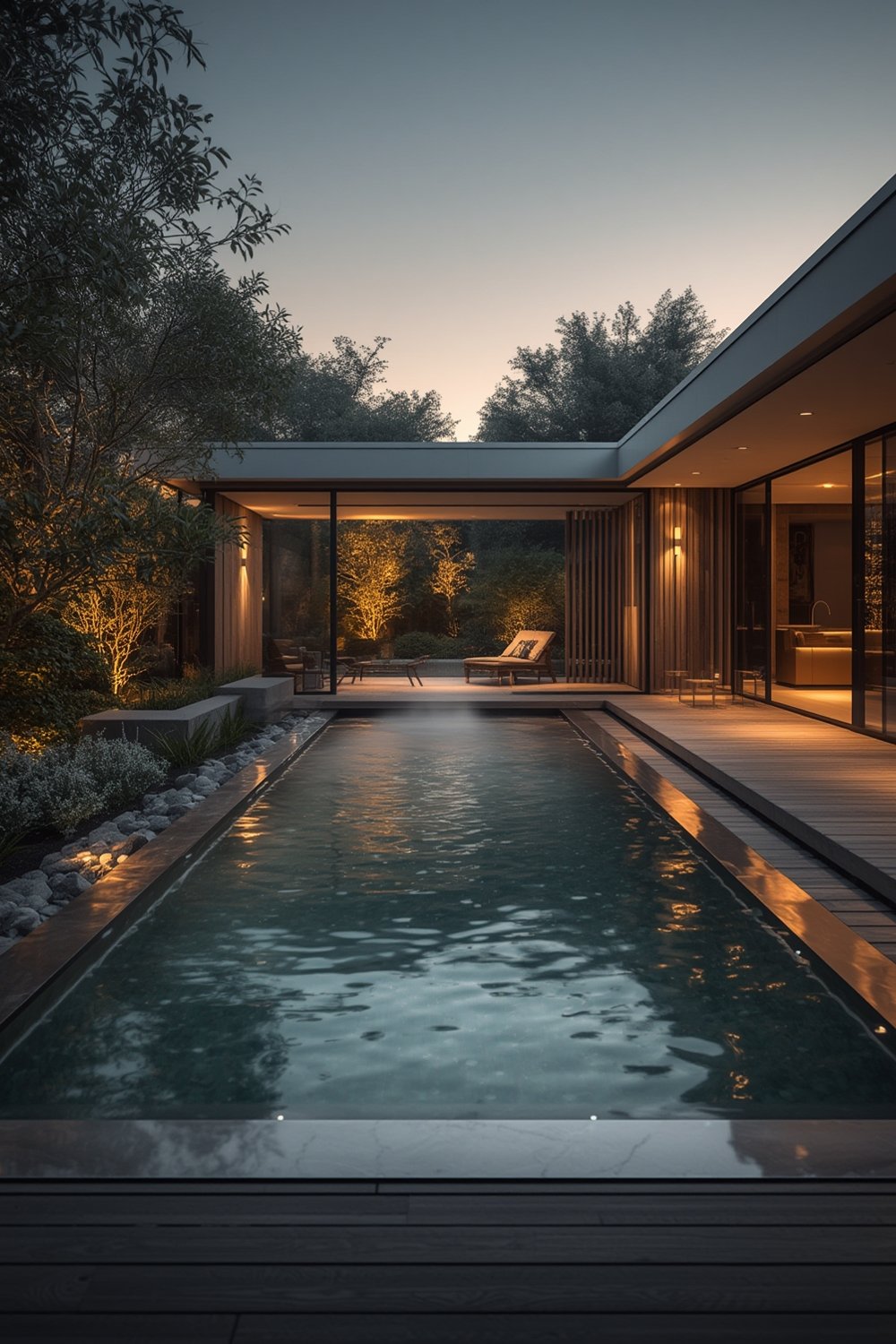
People choose a cold plunge pool backyard setup for its immediate access, potential health benefits, and as a statement feature in modern landscaping. But cold plunges demand more consideration than a simple ice bath or inflatable spa.
- Cold plunge pools are generally smaller (as small as 4×4 feet) and much colder than standard pools.
- Above ground units can be moved or winterized easily. Built-ins look sleek but are complex and permanent.
- The installation and yearly upkeep are different from hot tubs—and so are the technical and safety issues.
For a deeper dive into backyard design strategies for water features, see our guide on modular pool design ideas.
How to Install a Cold Plunge Pool Backyard Setup: Step-by-Step Guide
Ready to map out your own cold plunge? Below is a step-by-step plan that covers DIY and pro builds, plus insider tips that save money and headaches.
- Determine Your Budget and Pool Size
Smallest plunge tubs (4×4 feet): $5,000–$10,000 fully installed. Medium (7×7 feet): $10,000–$30,000. In-ground, large, or luxury models: $30,000–$75,000+.
DIY plug-and-play barrels can start at $1,000, but often require electrical, plumbing, and insulation upgrades. - Choose the Type: Above Ground vs In-Ground
- Above ground: Faster, cheaper, and little to no excavation or permits. Portable options can be removed for winter or rented homes.
- In-ground: Permanent, premium look. Needs professional excavation, foundation, drainage, and requires permitting and licensed trades.
- Prep the Space
- Clear and level an area with drainage that cannot backflow toward your house or patio.
- Ensure safe walkways, especially if you’re combining a cold plunge with a sauna or hot tub area (see outdoor sauna placement guide).
- Install Plumbing, Electrical, and Foundation
- Plumbing installation runs $2,000–$7,000 for pumps, filters, and chillers.
- Electrical runs from $2,800 for a 240-volt dedicated line. Electrical must be grounded and GFCI-protected for safety.
- In-ground or prefabricated shells may need a poured concrete slab (add $1,500–$5,000) and possibly a crane rental for delivery.

- Select and Install the Pool or Tub
Popular prefab brands (like Plungie, Endless Pools, Trekpool, Containurr) offer fully finished models, but expect long lead times and high shipping costs. DIYers can repurpose containers, but must insulate and waterproof all seams. - Add Chilling Equipment and Controls
Commercial-grade chillers and pumps can cost $3,600–$8,000. Cheaper options (ice plus recirculating pump, under $2,000) work, but are less convenient and need manual water changes. - Water Treatment, Safety, and Fencing
Even small plunge pools may require chemical treatment (chlorine, bromine, or salt) and safety fencing. Some insurers require notification or separate liability coverage. - Finish with Decking or Privacy
Surround the plunge pool with anti-slip pavers, reinforced deck, or even living walls to ensure privacy and minimize thermal loss (see our small backyard landscaping ideas). - Test, Inspect, and Maintain
Test all plumbing, electrical, and drainage systems. Budget for monthly water treatments and clarify maintenance (filters, covers) before regular use.
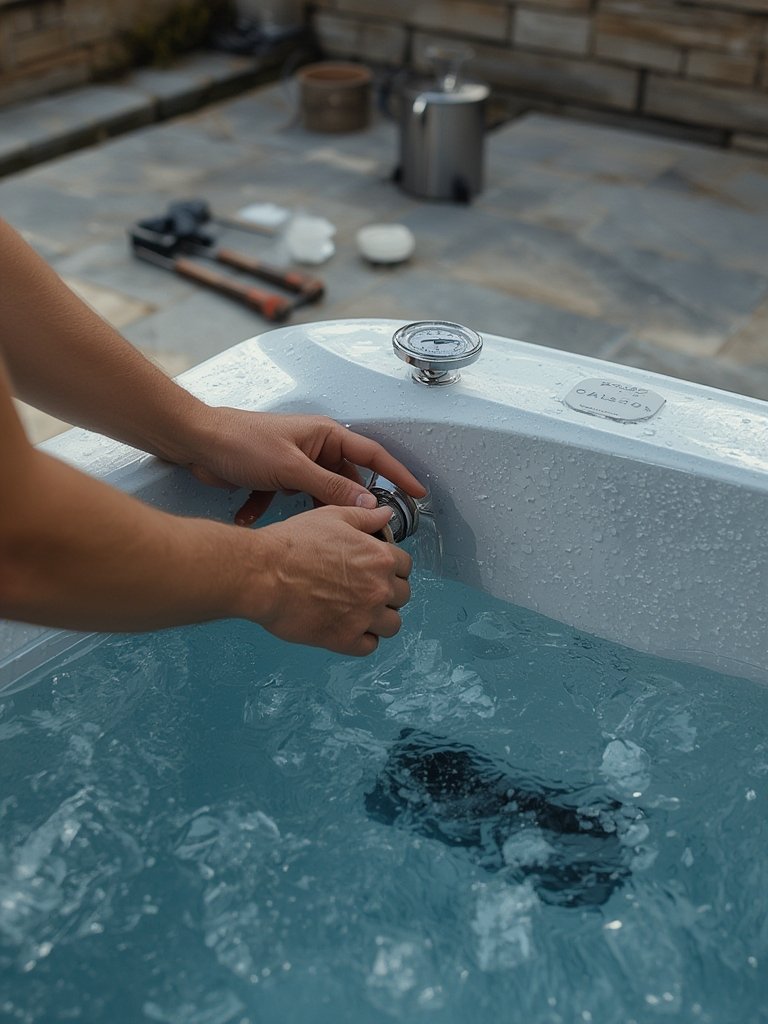
For more on the cost of above ground and in-ground modular pools, check out this in-depth guide.
Advanced Analysis & Common Pitfalls: What Most Guides Miss
Installing a cold plunge pool in your backyard sounds simple—until you run into maintenance, technical, or insurance snags. Real-world feedback is sparse, but the biggest pain points emerge from both DIY and professional projects:
- Insurance Gaps: Even if your cold plunge is “compact,” it can be classified as a pool by insurers. This triggers extra liability coverage, especially if anyone slips or gets hurt.
- Permit Surprise: Local code enforcement may require permits for smaller pools or tubs, especially if they involve hardwired electricity or plumbing. Fines and legal headaches are common for unpermitted setups.
- Water Quality & Cleaning: Cold water can reduce algae/fungi—but does not eliminate bacteria and biofilm buildup. Lack of routine filtration or chemical use often leads to murky, unsafe water within days.
- Weekly Upkeep: Many underestimate maintenance. Filters, regular draining, and monitoring water temperature (especially in summer) keep the cold plunge functional—and bacteria free.
- Slips & Falls: No one talks about wet patios, trip hazards, and icy decking. Anti-slip surfaces and grab bars are a must.
- Chilling Costs: Standalone chillers draw significant electricity, especially in warm climates. DIY setups need more frequent ice or cold water refills (tedious and expensive long term).
- Resale Woes: In-ground cold plunges may not appeal to every buyer, making removal costly if you sell your home. Above ground models are less of an issue.
- Leaky Installs: DIYers often underestimate the need for durable, insulated liners and proper sloping. Water leaks can undermine patios, decks, and even indoor foundations.
| Feature | Cold Plunge Pool | Hot Tub |
|---|---|---|
| Temperature Range | 37–60°F (3–15°C) | 95–104°F (35–40°C) |
| Energy Efficiency | Can be efficient, but chilling units draw power | Heaters use more energy (monthly cost: $10–$850) |
| Ease of Cleaning | Fewer algae, more biofilm risk if infrequently cleaned | Routine chemical and filter maintenance required |
| Insurance Impact | May require added liability insurance | Often already classified as a pool/spa by insurers |
| User Experience | Rarely social, brief use, possible shock/fall risk | Social, relaxing, longer soak sessions |
| Installation Cost | $3,000–$75,000+ | $5,000–$25,000+ |
For more on energy-efficient water features, see our eco-friendly pool design guide.
When comparing options, refer to top researched sources for reliable breakdowns: plunge pool cost breakdowns (Angi) and full installation cost analysis (Plungie).
Popular above ground models remain easier and safer overall, but in-ground or custom setups are more challenging and demand vigilance. Before you commit, compare brands, warranties, and materials carefully—no “one size fits all” approach here.
See our reviews of best modular pool brands for updated ratings on leading cold plunge models.
Conclusion
Backyard cold plunge pools are more complex and expensive than most guides reveal. Above ground options keep it simple, while in-ground installations bring striking design—but with big budgets and technical demands. Always research insurance, cleaning, and permit requirements before breaking ground. With the right plan, a cold plunge pool backyard project is achievable and rewarding. Ready to take the plunge? Start with certified brands and get a realistic cost estimate before you build.
Frequently Asked Questions
How much does a backyard cold plunge pool really cost in 2024?
Depending on size and style, backyard cold plunge pools range from $3,000 for a small DIY above ground setup to over $69,000 for large professional in-ground models. The most common range is $10,000–$40,000. For detailed cost breakdowns, see this Angi article on plunge pool costs.
What’s the easiest DIY material for a year-round cold plunge pool?
Pre-insulated rubber livestock troughs or professionally lined wine barrels offer the fastest, most affordable, and weather-resistant DIY solutions. Additional insulation or a cover helps maintain water temperature if left outside year-round.
Do I need a permit to install a cold plunge pool in my backyard?
Permit requirements vary by city. Even above ground plunge pools may need permits for electrical, plumbing, or size thresholds. Always check local codes before starting, and consider reading our pool permit checklist before you buy.
What’s the main maintenance difference between a cold plunge and a hot tub?
Cold plunge water needs less algae control but still requires regular filtration, chemical balancing, and cleaning to prevent bacteria. Hot tubs rely on heaters (more energy), and often need more chemical routine due to higher water temperature.
Is DIY or pro installation safer for backyard cold plunges?
While DIY can save money, professional installation is much safer—especially for in-ground pools with electrical and plumbing. Licensed contractors ensure code compliance and can reduce liability risks if injury occurs.
—