

Solar battery backup system home installs are rapidly gaining popularity—and for good reason. Whether you want blackout protection, lower electric bills, or peace of mind from grid failures, a solar battery backup system for your home lets you store clean energy and keep critical devices running, even when the grid goes down. But is it actually worth it, and what do you really need to know before diving in?
Key Takeaways
- 2025 installed costs for a solar battery backup system home range from $6,000–$23,000 before incentives, with a standard 10 kWh system averaging $13,000–$17,000 installed (source).
- Real-world off-grid performance, warranty details, and pain points are poorly covered in most resources—expect to do your own research and homework on reliability.
- With a 30% federal tax credit and state bonuses, effective out-of-pocket cost drops sharply, but ROI and payback depend heavily on local rates and system usage.
- The Core Concept: What is a Solar Battery Backup System for Home—and Why Consider One?
- Step-by-Step Guide: How to Plan and Install a Solar Battery Backup System at Home
- Advanced Analysis & Common Pitfalls: Realistic Costs, Downsides, and Comparison
- Conclusion: Should You Get a Solar Battery Backup System for Your Home?
- FAQ: Solar Battery Backup Systems for Homeowners
The Core Concept: What is a Solar Battery Backup System for Home—and Why Consider One?
A solar battery backup system for home combines solar panels, one or more batteries, and an inverter to create an energy storage solution that powers your house day and night—even when the electric grid is out. Unlike traditional grid-tied solar that shuts off during blackouts, these systems keep your lights on during outages by storing daytime solar power for evening or emergency use.

With grid instability on the rise, backup solutions are in high demand. Many utilities now add high “time-of-use” rates or penalize evening consumption. A solar battery backup system lets you shift solar energy from midday to peak-demand times, saving on bills and providing resilience.
Some systems support only partial home backup—just key devices—while others are sized for whole home operation. Choosing the right solution involves weighing battery chemistry (lithium LFP vs. NMC), usable capacity, warranty, cost, and your local power rates. For a deeper look at the interplay between solar and storage on rooftops, see this solar installation cost guide.
Step-by-Step Guide: How to Plan and Install a Solar Battery Backup System at Home
Ready to add resilience to your home? Here’s a step-by-step walkthrough based on what works for real homeowners in 2025.
- Assess Your Energy Needs: List your must-have circuits during a blackout (fridge, Wi-Fi, medical, lights). Pull recent electric bills to estimate average daily use. Do you want ‘whole home’ backup or just a few essentials? For large loads, systems like whole home battery backup may be ideal.
- Choose the Right Technology: Lithium-ion remains king for most homes. Compare LFP (long life, safer, higher upfront) vs. NMC (higher density, lower cost). Top brands include Tesla Powerwall 3, Enphase IQ, and Generac. Watch for actual usable capacity, not just “advertised” capacity.
- Get Permits and Incentives Pre-Approved: Most municipalities require building permits, wiring diagrams, and inspection. Apply for the federal 30% tax credit and local utility or state rebates. For example, California’s SGIP program can provide up to $1,000/kWh. When in doubt, visit the IRS for Form 5695 instructions (always verify the latest for 2025).
- Choose an Installer: Seek licensed, NABCEP-certified contractors with proven experience in battery systems. See their track record handling code-compliant battery backup.
- Install and Test Your System: After install, insist on a full-function backup simulation. Confirm the system automatically switches to battery when grid drops. Check app or web monitoring works. Clarify what maintenance is included (most systems need annual checks and occasional firmware updates, $150–$300/year).
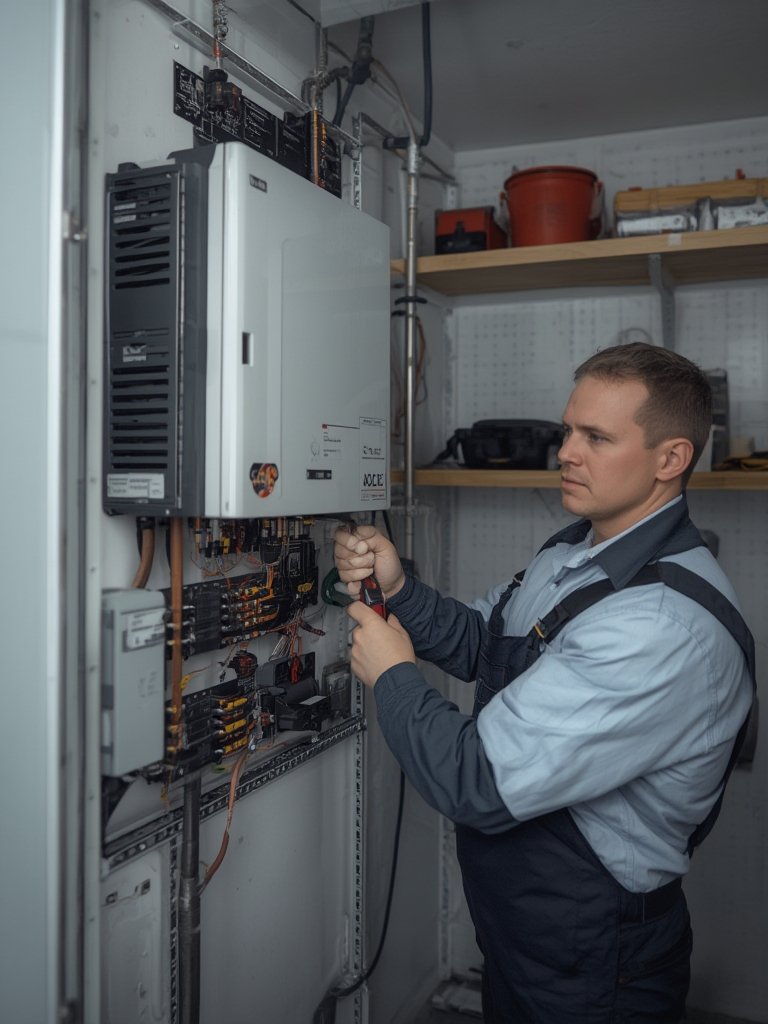
- Bonus: If bundling EV charger upgrades, review home EV charger installation tips to make sure your main electrical panel can handle extra loads before finalizing your backup system size.
- Maintenance: Schedule yearly professional inspections and plan for possible firmware or inverter replacements over 10–15 years.
Want to save more on home upgrades? See heat pump water heater rebate strategies for stacking multiple incentives in one remodel.
Advanced Analysis & Common Pitfalls: Realistic Costs, Downsides, and Comparison
Solar battery backup systems for home are a big investment, with real cost and risk factors often glossed over. Here’s what most buyers miss—and what you won’t always read on sales pages.
- System Cost Realities: 2025 projected installed costs range from $6,000–$23,000 for most homes, with 10 kWh lithium-ion systems at $13,000–$17,000 (before incentives). Some brands like Tesla Powerwall come in at $15,400 installed per unit (13.5 kWh). (See average cost data.)
- Incentives & ROI: The 30% federal tax credit (and sometimes state rebates, up to $1,000/kWh in places like California) can cut net cost substantially. After credits, a 10 kWh system drops to about $9,100–$11,900 out of pocket. BUT, there’s little verified ROI data—paybacks vary wildly based on your utility rates and actual blackout frequency. No search results present a full ROI example with all variables (source).
- Gaps in Specs & Performance Data: Most brands (Tesla, Enphase, Generac) publish fine specs for grid-tied use, but withhold true off-grid autonomy figures. It’s hard to find tested info on how long a system lasts during multi-day outages or in freezing heatwaves. Warranty terms for cycle life, weather tolerance, and battery degradation are rarely transparent (see NREL research for broader trends).
- Customer Pain Points: Real homeowners report extra costs for retrofitting older homes ($1,000–$2,000), integration hiccups with backup panels, and that savings are sometimes lower than claimed. Maintenance, inverter swaps, or the need for smart home upgrades can add $150–$500/year. But direct recent customer reviews on battery frustration are notably absent from results.
- Eligibility Fine Print: Most tax credits require the battery be paired with a solar array, installed on your primary residence, and permitted/inspected. Keep detailed receipts and file Form 5695 in your federal tax return. Double check if local rebates stack or require separate paperwork.
| Category | Tesla Powerwall 3 (13.5 kWh) | Enphase IQ Battery 5P (5 kWh) |
|---|---|---|
| Installed Cost 2025* | $15,400 (pre-incentive) | $7,000–$9,000 |
| Usable Capacity | 13.5 kWh | 5 kWh |
| Warranty Details | Not verified for off-grid use | Not specified for off-grid |
| Off-grid Performance | No multi-day test data | No data available |
*Before tax credit or rebates. See SolarTechOnline for base figures.
Want to make your home even more resilient? If you can’t justify full battery backup, review our generator backup guide for a lower upfront alternative to survive prolonged outages.

Conclusion: Should You Get a Solar Battery Backup System for Your Home?
Solar battery backup system home adoption is growing, but it’s not a guaranteed slam-dunk for every household. The big win is peace of mind—keeping your fridge cold or medical equipment running during outages. However, system costs (even after tax credits) can still run $10,000+, with true long-term ROI uncertain unless your region has high electricity rates or frequent grid failures.
Your best move? Get local quotes, simulate a real outage (not just a marketing pitch), and view batteries as both a lifestyle investment and a possible hedge against future utility instability. If you’re planning major upgrades, try to stack projects—like adding solar, EV charging, or a heat pump—all at once to maximize incentives and minimize redundant electrician visits.
For more detail on picking, sizing, and installing a solar battery backup system home, bookmark this guide—and don’t forget to claim your tax credits and rebates before rules change.
Ready for backup power? Start by getting personalized quotes, and read our in-depth whole home battery backup guide to compare top brands and options, or revisit solar roof panel savings if you’re just starting your home energy journey.
FAQ: Solar Battery Backup Systems for Homeowners
What is the average cost of a solar battery backup system at home in 2025?
Installed costs for a typical home range from $6,000–$23,000, with most 10 kWh systems between $13,000–$17,000 before applying federal and state incentives.
Can I claim the 30% federal tax credit if I only install a battery, not solar panels?
As of 2025, the 30% federal tax credit typically applies if the battery is installed with or after solar panels at your primary residence. Always confirm current IRS eligibility and file Form 5695 with supporting documentation.
How long can a solar battery backup system run my house during an outage?
It depends on the battery capacity and your usage. A 10 kWh unit can generally run key appliances (fridge, lights, Wi-Fi) for 12–24 hours. Whole home coverage in a blackout may require 15 kWh or more and careful load management.
Are maintenance or hidden costs significant for home battery systems?
Annual maintenance runs $150–$300. Potential hidden costs include electrical panel upgrades, wiring for backup loads, or integration fees ($1,000–$2,000). Warranties, inverter swaps, and app subscriptions may also factor in.
Should I consider battery backup if I already have a generator?
Battery backup is quieter, has no fuel needs, and offers seamless power during most outages. However, generators may be more cost-effective for extended blackouts or high startup loads. Evaluate both options for your risk tolerance and lifestyle.