

Pet water fountain setups have become a staple for modern pet owners, promising cleaner, fresher drinking water and potentially healthier pets. But is a pet water fountain really worth it—especially for cats? Find out the market trends, what features matter, and potential pitfalls before you buy.
Key Takeaways
- The pet water fountain market is growing fast, especially with smart tech and health-conscious buyers entering the scene.
- Fountains encourage pets to drink more but there’s no direct veterinary evidence of health benefits versus traditional bowls.
- Know the upsides—like materials and filtration—as well as common downsides: ongoing filter costs, pump noise, and cleaning hassle.
- What Is a Pet Water Fountain and Why Are They So Popular?
- How to Choose and Set Up a Pet Water Fountain (Step-by-Step Guide)
- Advanced Analysis & Common Pitfalls: A Realistic Buyer’s Guide
- Conclusion
- Frequently Asked Questions
What Is a Pet Water Fountain and Why Are They So Popular?
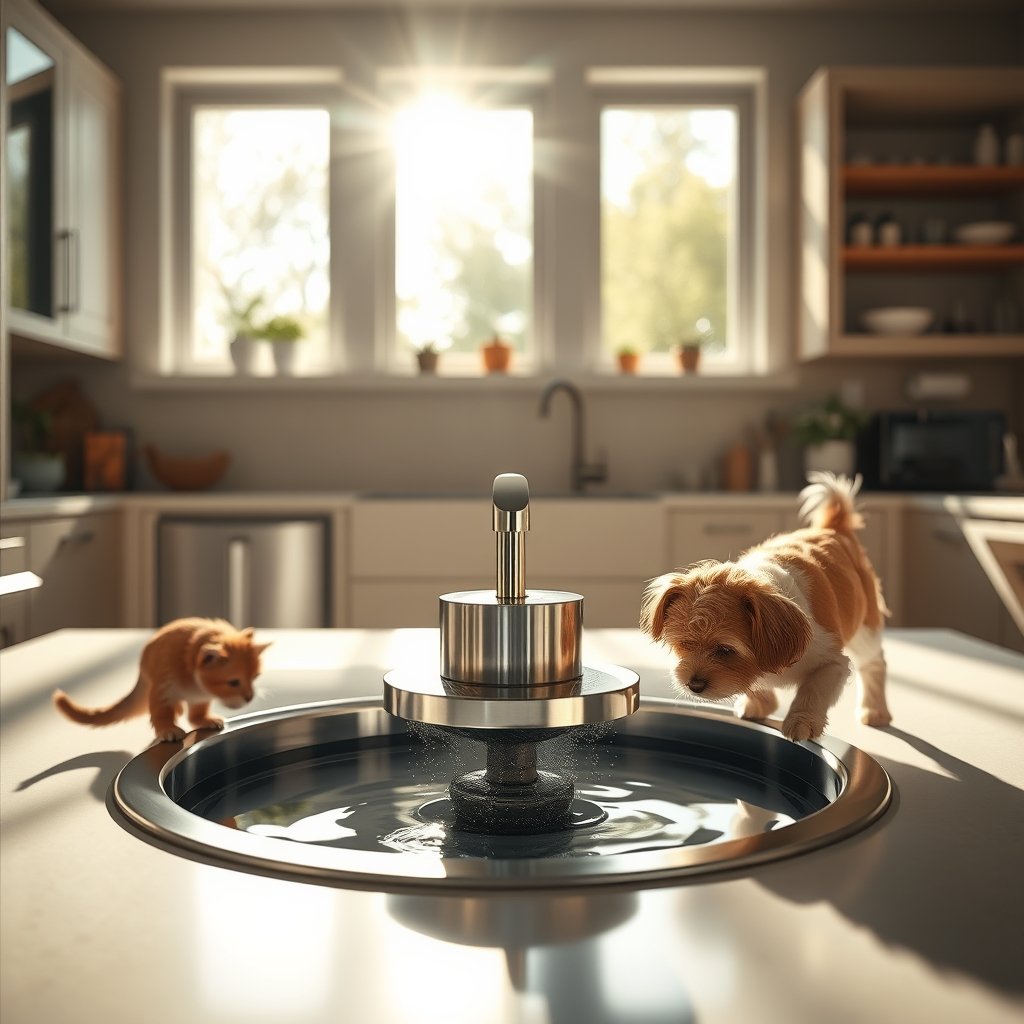
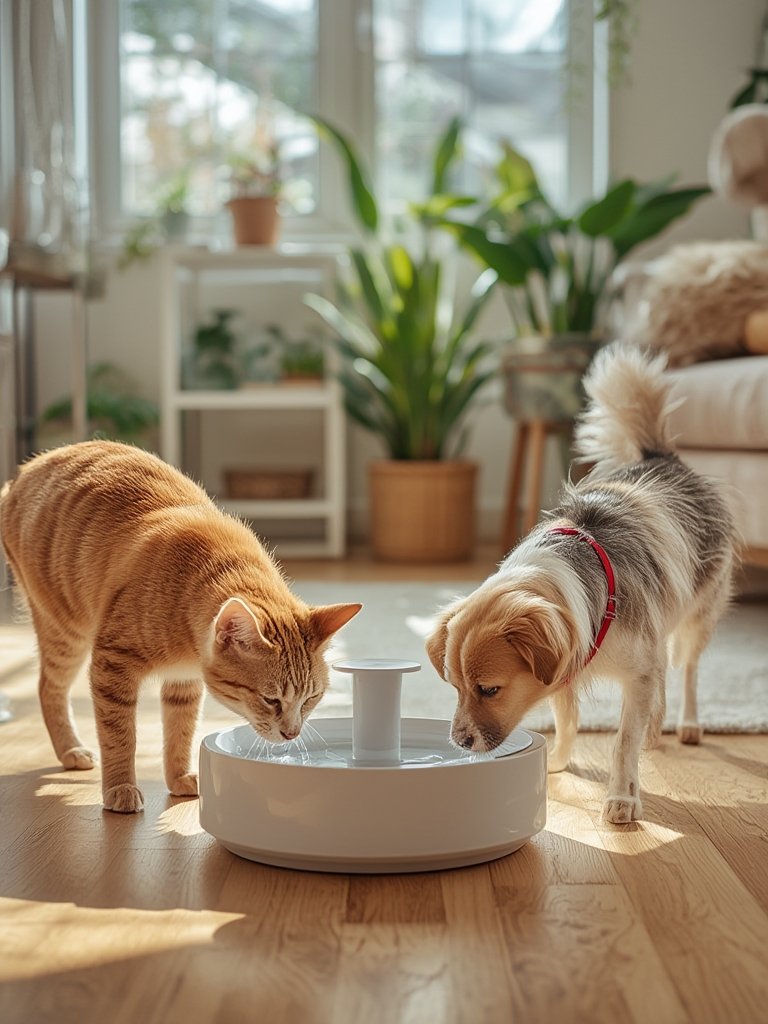
Pet water fountains are automatic devices that keep water circulating so your dog or cat always has access to fresh, moving water. The flowing motion is designed to make water more appealing to pets—especially cats, who can be notoriously picky about hydration.
Backed by market research, sales of pet water fountains are surging. The global market reached between USD 183–235.5 million in 2024, with forecasts climbing as high as USD 532.5 million by 2035 at a 7.7% CAGR. Smart fountains with app monitoring, eco-friendly materials like BPA-free plastics and stainless steel, and sleek custom designs are top trends. North America and Europe prefer large-capacity or premium models, while Asia-Pacific is seeing double-digit growth driven by portable, lower-cost designs and rising urban pet ownership. (Regional trends)
Pet water fountains appeal to tech-focused, health-conscious pet owners, including those with multiple animals or cats with hydration issues. But are there real health gains, and are the costs and hassles justified?
How to Choose and Set Up a Pet Water Fountain (Step-by-Step Guide)
Ready to buy a pet water fountain? Here’s a step-by-step breakdown that covers what most guides miss, helping you sidestep buyer’s remorse:
- Measure Your Space and Water Needs.
- Choose a spot away from litter boxes and high-traffic zones.
- For large dogs or multi-pet homes, a higher water capacity (≥2 liters) matters.
- Compact models are better for single cats or tiny spaces.
- Pick Safe, Durable Materials.
- Prioritize BPA-free plastic or stainless steel. These don’t leach chemicals and are easier to clean.
- Stainless steel resists biofilm buildup. Glass is rare, but some premium models use it for hygiene.
- Check for Reliable Filtration.
- Look for multi-stage filters (e.g., activated carbon, foam/mechanical). This helps trap fur, dust, and odor.
- Confirm replacements are readily available—some brands discontinue models quickly.
- Evaluate Noise, Ease of Cleaning, and Power Use.
- quiet pump ratings (<40 dB) are ideal for skittish pets.
- Consider dishwasher-safe parts, but don’t assume all components are washable.
- Check for low-energy or auto-shutoff features to reduce electricity misuse.
- Budget for Initial and Ongoing Costs.
- Expect upfront prices from $25–$80 for most popular models. Stainless steel is pricier than plastic.
- Filter costs vary: $8–$18 per 3-pack, changed monthly or every 2-4 weeks for heavy use.
- Electric costs are low: 1–3 watts, or ~$1–$3/year, but factor in filter and cleaning time as recurring “costs.”
- Assemble and Introduce Gradually.
- Handwash, rinse, and assemble thoroughly before use.
- Introduce the fountain alongside your pet’s usual bowl for a few days.
- Monitor your pet’s interest—some cats are cautious and may need time to adjust.
- Maintain Regularly.
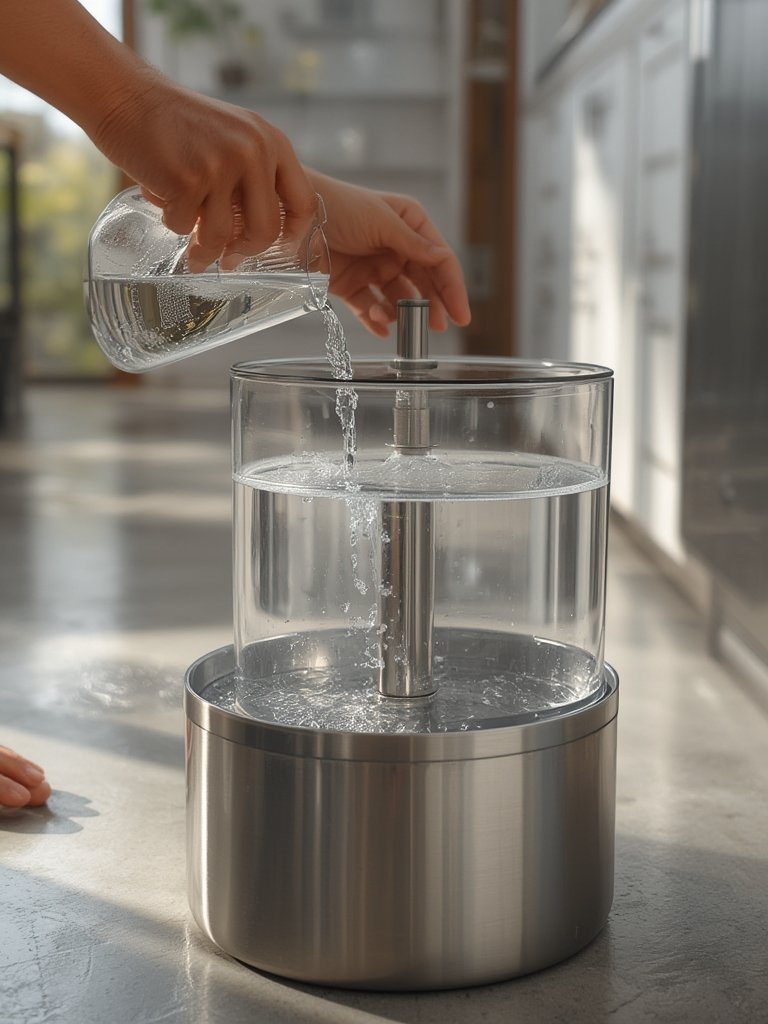
- Fully disassemble and scrub all parts every week, flush and refill with clean water every 1–2 days.
- Replace filters promptly to prevent clogging and odors.
If you have a smart home, you can plug some models into a smart plug for scheduling or monitoring, similar to tips covered in AI smart home hub setup guides. Premium fountains with app connectivity allow for hydration tracking, though these are mostly beneficial for multi-pet households or tech enthusiasts.
For truly low-maintenance setups, consider auto-shutoff models if you’re away often—these prevent overheating pumps when water runs low, much like fail-safes mentioned in EV charger installation articles.
Advanced Analysis & Common Pitfalls: A Realistic Buyer’s Guide
Not all water fountains are created equal. The biggest problems pet parents face are ongoing filter expenses, pump noise, inconsistent cleaning routines, and non-standard replacement parts. While research highlights trends like smart tech and eco-friendly materials (source), real buyer reviews most often complain about:
- Pump Failures: Cheap motors can burn out, often due to limescale or fur clogging.
- Noisy Operation: Even “silent” models can get loud without frequent cleaning.
- High Filter Costs: Monthly filter changes add up, especially with OEM-only filters.
- Poor Cleaning Access: Some models have nooks that trap slime and bacteria, risking pet illness.
- Plastic Taste or Odor: This is more common in low-end plastic units, even if labeled BPA-free.
Veterinary-backed benefits remain unproven; while fountains help hydration for some cats and dogs, improvements over a clean, topped-up bowl are mostly anecdotal so far. If you’re considering broader pet wellness gadgets, compare recurring costs and cleaning time with those for freeze dried raw pet food and other modern pet upgrades.
| Feature | Pet Water Fountain | Traditional Bowl |
|---|---|---|
| Initial Cost | $25–$80 | $4–$15 |
| Ongoing Filter Cost | $8–$18 monthly | None |
| Maintenance Time | 10–20 min/week | 2–5 min/day |
| Power Consumption | ~$1–$3/year | None |
| Health Impact Evidence | Limited/anecdotal | No difference |
| Key Upside | May encourage more drinking | Ultra-simple, never breaks |
| Key Downside | Filter, pump, and cleaning hassle | Stagnant water needs frequent change |
Before you invest, look for possible certifications or distinguishers: BPA-free materials, dishwasher safe, auto-shutoff, or easy replacement filters are big value-adds. If cost breakdown is a real concern, weigh these recurring expenses against other home upgrades like cold plunge pool maintenance or heat pump water heater running costs.
Competitor articles rarely touch on these granular comparison points or the long-term hassle factor. For cat owners, consider pairing a fountain with enrichment toys to further encourage hydration and activity.
Conclusion
Pet water fountains offer a clear upgrade for many modern pet owners, especially for cats who refuse to drink stagnant water. The market is evolving fast, with smart features and safer materials more common each year. But keep in mind: there are hardly any veterinary-backed studies proving health gains over a fresh bowl. The ongoing investment—time, filters, cleaning, and power—can add up.
Ready to try? Start by choosing a safe, easy-to-clean model, and introduce it slowly. Monitor your pet’s habits, keep spare filters handy, and plan for weekly deep cleans. When it comes to the pet water fountain, it’s all about balancing convenience against cost and what truly matters for your furry companion’s wellbeing. Want more actionable home upgrades and pet wellness guides? Browse the latest enrichment ideas now.
Frequently Asked Questions
Are pet water fountains really better for cats than bowls?
Fountains often encourage cats to drink more, but there is no veterinary-backed research proving they are healthier than clean, frequently changed bowls. Pet preference varies.
How often do I need to change the filters?
Most manufacturers recommend changing filters every 2–4 weeks, or more often in multi-pet households. Failure to replace filters can lead to clogs, odors, and poor water quality.
Can the pump break or get noisy?
Yes, pump failures and noise are common complaints—especially if hair or limescale isn’t cleaned out regularly. Opt for models with quiet ratings and easy access for cleaning.
Is a stainless steel fountain worth it?
Stainless steel resists bacteria and is more durable than plastic, but it usually costs more. If hygiene is your top priority, it can be worth the extra investment.
Do I need a “smart” pet water fountain?
Smart features like app connectivity and hydration tracking are mainly helpful for tech-savvy owners or multi-pet households. For most people, a simple analog model works just fine.