

Vertical gardening systems are changing the way renters and urban dwellers garden, making it possible to grow fresh herbs, greens, and even small fruits in the tightest spaces—often without risking your security deposit or sanity. If you have a tiny balcony, no yard, and wish you could harvest your own salads, you’re in the right place. This guide is packed with real market data, practical steps, and rental-safe methods to get your vertical garden going this weekend.
Key Takeaways
- Vertical gardening systems make it possible to maximize yield on small balconies, indoors, or even on rented walls—with modular, removable setups now widely available.
- Common pitfalls include leaks, mold, uneven irrigation, and maintenance cost surprises—robust troubleshooting is a must for a successful setup.
- Renter-friendly, AI-monitored, and sustainable systems are now hot trends, with North America leading in smart indoor kit adoption and hydroponic formats dominating new installs.
(source,
source)
- Why vertical gardening systems are taking off (market snapshot)
- How to start: a weekend-ready guide for renters
- Common problems, gaps & troubleshooting tips
- Conclusion & quick-start checklist
- FAQ: Real-World Vertical Garden Questions
Why vertical gardening systems are taking off (market snapshot)
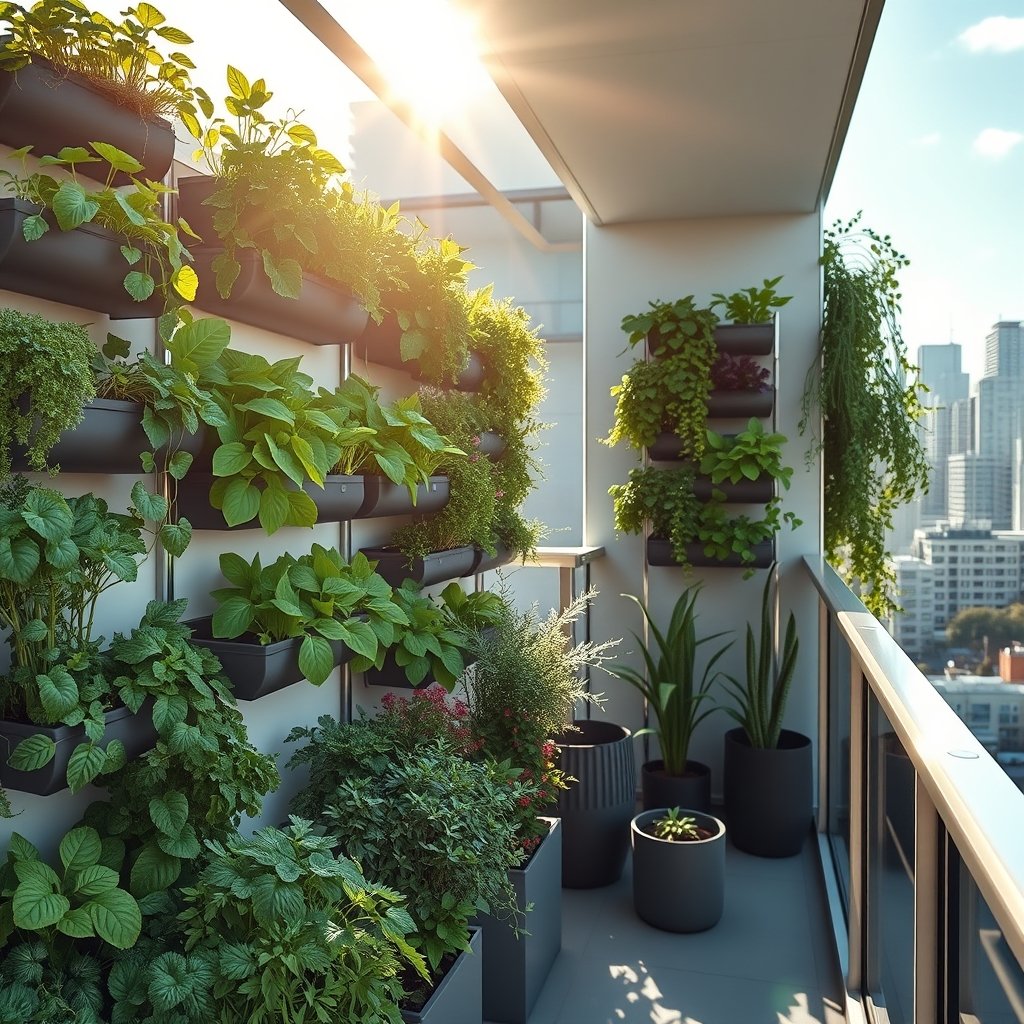
Vertical gardening systems aren’t just a fad—by 2026, the global market will hit about $1.3B for durable outdoor systems and $5.5B for fast-growing indoor smart kits, each with double-digit annual growth (see report). Asia-Pacific leads with lush outdoor green walls in ultra-urban spaces, while North America embraces plug-and-play, app-controlled kit systems—perfect for renters and apartment dwellers. The big divide? Outdoor construction walls require more space, heavy-duty hardware, and long-term commitment, while indoor modular kits and hydroponic towers are built for easy assembly, quick removal, and smaller footprints, all without sacrificing yield or convenience.
How to start: a weekend-ready guide for renters
Ready to build a vertical garden that won’t endanger your rental agreement? Here’s how Mia (and anyone in a similar situation) can start seeing green without risking leaks, mold, or the wrath of your landlord.
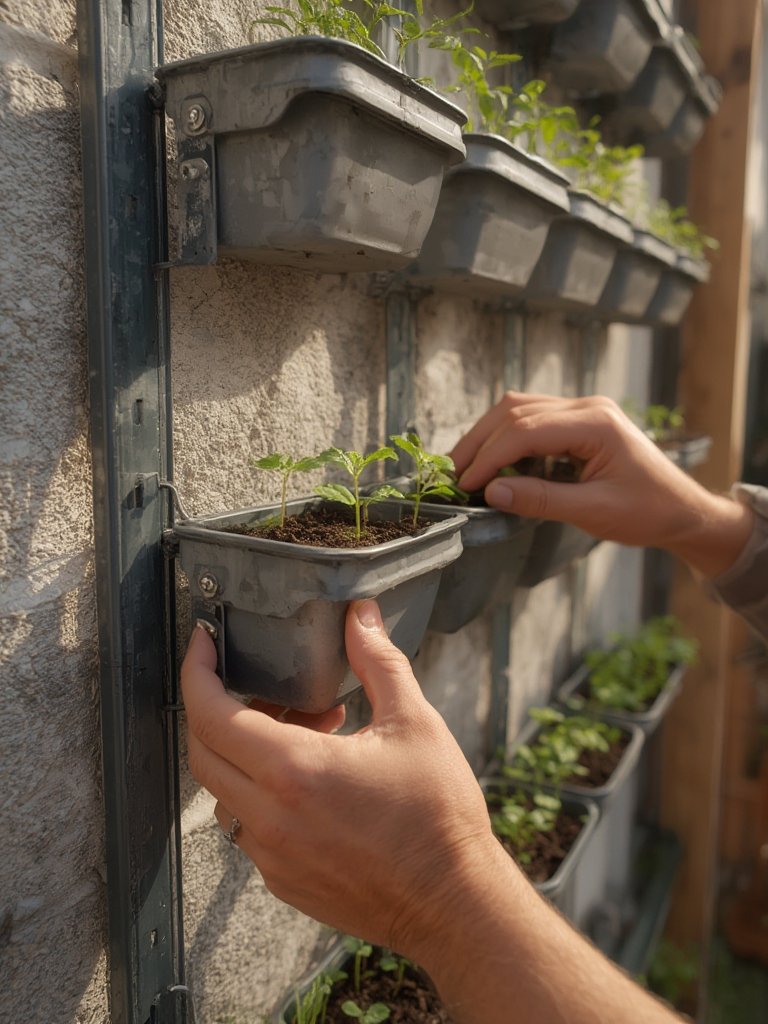
- Assess your real space. Measure your balcony, windowsill, or spare wall. Most starter vertical garden wall planters are 24–36” wide and stand about 3–6’ tall. Modular column towers (hydroponic) start at about 13” diameter.
- Choose your system type:
- For renters: Freestanding, no-drill modular racks or towers with built-in water reservoirs (see examples below).
- For permanent installations: Wall-mounted panel or pocket systems—best if you own.
- DIY for tight budgets: Tension-rod hanging pockets or rail-mounted planters. IKEA’s SATSUMAS or SHOJI shelves and pot hangers are renter classics.
- Pick your plants (see tip below). Go for shallow-rooted herbs (basil, chives), leafy greens (arugula, lettuce), and compact ornamentals. For outdoors: strawberries, nasturtiums, or certain cherry tomato types.
- Set up a safe, sealed watering system. Use self-watering reservoirs or hydroponic recirculation kits—never hose or pour directly. Kits with overflow trays, removable water tanks, and capillary mats win for renters.
- Mount using no-drill supports: tension-rod mounts, balcony railing brackets, or freestanding A-frame towers. Avoid adhesives like Command strips for anything heavier than a few pounds—a pain point in user reviews.
- Test for leaks and drainage. Always fill your system and let it run on a towel for 24 hours before adding plants. Don’t skip this step—even “leakproof” kits fail if not level.
- Establish your maintenance schedule: Top up reservoirs every 3–6 days, check for mold or water pooling weekly, and wipe down all surfaces monthly.
Quick Comparison of System Types and Renter Suitability
| System Type | Setup Difficulty | Yield Potential | Renter-Friendly? | Cost Range (2024) |
|---|---|---|---|---|
| Modular Pocket Wall Planter | Easy | Medium | Yes (if no-drill) | $40–$200 |
| Panel Wall System (Construction-Style) | Intermediate–Hard | High | No | $250–$1,500+ |
| Hydroponic or Aeroponic Tower Kit | Easy–Intermediate | High | Yes (freestanding) | $85–$900 |
| DIY Trellis or Fence | Easy | Low–Medium | Yes | $20–$100 |
For more on maximizing small spaces, see our guide to interior window shutter installation and transformative wall panel ideas.
Best Plants for Your Situation
| Plant | Indoor / Outdoor | System Type | Watering Frequency | Light Needs |
|---|---|---|---|---|
| Basil | Indoor/Outdoor | Pocket/Hydroponic | 2-3x/week | Full–Partial Sun |
| Lettuce | Indoor/Outdoor | Hydroponic | 1-2x/week | Partial Sun |
| Chives | Indoor | 2x/week | Partial Sun | |
| Strawberries | Outdoor | Pocket/Hydro | 2x/week | Full Sun |
| Pothos | Indoor | 1x/week | Low–Moderate | |
| Nasturtiums | Outdoor | Pocket/Fence | 2x/week | Full Sun |
Note: Avoid plants with deep taproots or those needing heavy soil masses (carrots, potatoes, most large tomatoes) in vertical garden wall planters—water and stability issues crop up fast (see gardening authority).
Common problems, gaps & troubleshooting tips
Most Frequent Failure Modes (With Solutions)
- Leaks and Mold: Nearly half of negative reviews mention water leaks leading to mold or stained walls. Always pre-test your system on a towel, and if indoors, use waterproof trays beneath all planters.
- Uneven Irrigation: Systems relying on drip or gravity irrigation (especially vertical garden wall planters) frequently result in dry top rows and soggy bottoms. Choose kits with recirculating pumps or capillary mats—and test each row for evenness before planting.
- App/Sensor Failures: Many smart hydroponic or app-controlled systems get complaints for buggy Bluetooth connections or confusing firmware. Check user forums and app store ratings before you buy. Look for brands with regular firmware updates and clear customer support.
- Structural Flimsiness: Flimsy racks or thin plastics buckle or warp under weight—choose systems with reinforced steel or recycled, UV-resistant HDPE.
- Maintenance Cost Surprises: Budget kits sometimes hide ongoing costs (pump replacement, proprietary nutrient pods, filter cartridges). Always check OPEX (operating expense) estimates and verify you can buy generic supplies if needed.
Source: summarized from verified user reviews here and here.
3 Overlooked Gaps—and How to Solve Them
- AI-Driven Plant-Health Monitoring & Predictive Irrigation
- What: Kits with built-in sensors track soil moisture, water temp, and nutrient levels—then auto-water only as needed.
- Benefit: Prevents overwatering (and mold), maximizes growth, and alerts you to problems via app.
- How to Get It: Choose brands like Click & Grow (indoor) or Lettuce Grow Farmstand (hydroponic) which offer native sensors, app integration, and real-time alerts. Market data here.
- DIY Option: Use a $20–40 Xiaomi MiFlora or similar BLE moisture sensor in each pocket or reservoir, linked to a free automation app or Home Assistant hub (see our AI smart home hub setup guide).
- Renter-Friendly No-Drill Modular Mounting & Full Removability
- What: Systems that use tension rods, floor-to-ceiling supports, or railing clamps—no adhesives or screw holes.
- Benefit: Install and remove within minutes; no wall damage, full deposit return.
- How to Get It: IKEA SATSUMAS racks, urbanleaf modular hydroponic towers, and Flower Box direct-to-floor systems.
- DIY Option: Cut-to-fit tension rods with S-hooks or tie-on fabric pockets (even shower curtain organizers work for small herbs!)
- Lifecycle Cost & Sustainability Analysis
- What: Kits and materials using recycled plastics, closed-loop water reuse, and clear end-of-life recycling programs.
- Benefit: Lower carbon, less landfill, and long-term savings.
- How to Get It: Seek brands publishing sustainability reports; check for “recycled HDPE” or “cradle-to-cradle” rated products. Hydroponic kits with recirculating water save up to 85% of water use compared to soil (market overview).
What to Check Before You Buy: Quick Checklist
- Material Quality: Look for powder-coated metal, UV-resistant recycled plastic, or treated wood.
- Weight/Bearing Capacity: Don’t exceed 8–15 lbs per sq ft for balcony or tension-rod models. (See our ADU conversion cost guide for more on structural loads.)
- Irrigation System: Passive drip, capillary mat, or hydro recirculation? Recirculation pumps are best for high yields and even moisture.
- Filtration/Water Testing: Hydroponic or CEA systems should include basic filters and easy access for water testing.
- Weather & UV Resistance: For outdoor models, ensure frost and sun tolerance.
- App/Sensor Reliability: Are firmware updates available? What’s the track record on support?
- Annual Running Costs: Fertilizer, electricity, replacement parts—budget $20–$100 per year depending on your setup.
Conclusion & quick-start checklist
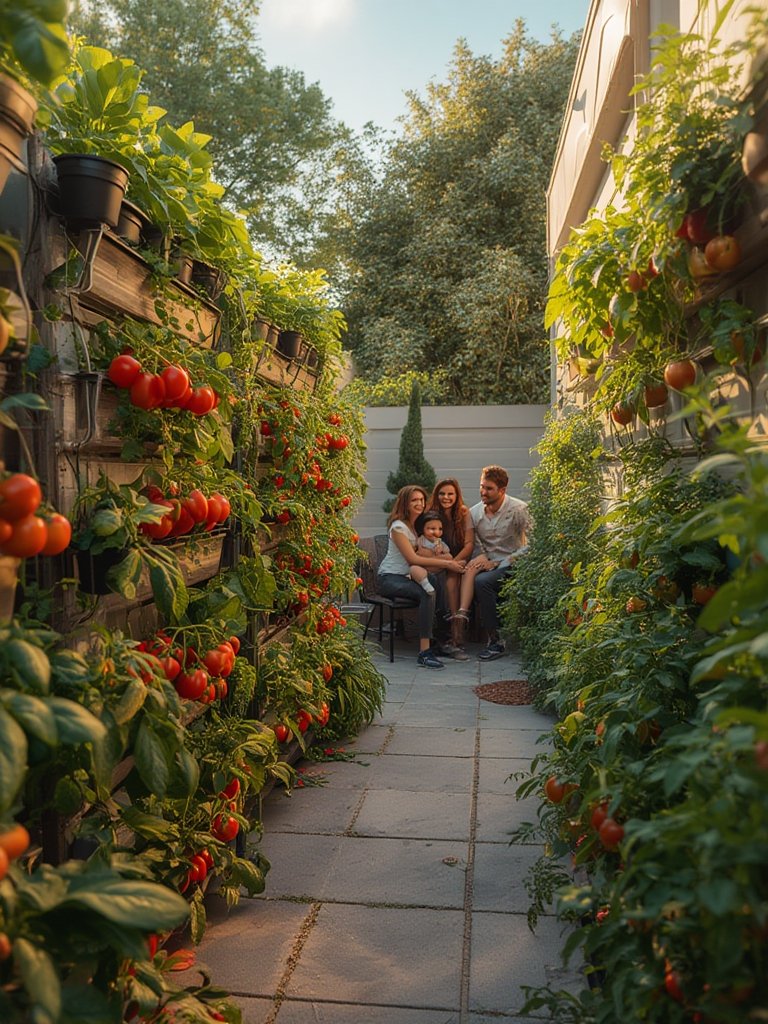
With vertical gardening systems, you can turn even the smallest balcony or indoor nook into a fresh-food oasis—especially with today’s renter-friendly, leak-proof, and smart-monitored options. Prioritize water management, choose the right mounting hardware, and always start small and scale up as you gain skill. Want a shortcut? Check our product comparison and starter-kit picks or download our trouble-proof maintenance checklist today.
Ready to go vertical? For a free, printer-friendly troubleshooting checklist PDF, sign up below and set yourself up for year-round success with your vertical gardening systems.
FAQ: Real-World Vertical Garden Questions
Are vertical gardening systems safe for renters?
Absolutely, as long as you use freestanding, tension-rod, or clamp-mount models—avoid drilling and always test for leaks before full setup. Many new kits advertise “deposit-safe” installation for just this reason.
Can I grow fruiting vegetables or just herbs and greens?
Compact cherry tomato varieties, strawberries, and peppers can work in larger hydroponic or pocket systems, but heavy crops (squash, cucumbers) are not recommended for vertical garden wall planters due to root depth and support needs.
How much daily maintenance do these systems require?
With self-watering or recirculating systems, you’ll top up water every few days, inspect leaves weekly, and clean or wipe trays once a month. Hydroponic app-controlled systems can cut hands-on time to just 10–15 minutes a week.
Do I need grow lights indoors?
If your garden isn’t getting at least 4–6 hours of direct sun, yes—a low-wattage LED grow light can make the difference between floppy greens and full harvests. Many kits now come with built-in LED bars.
How do I prevent leaks and mold in my vertical garden?
Always test the full system with water before planting, use a waterproof underlay, and stick with removable tanks or auto-shutoff pumps. Wipe surfaces dry weekly, especially behind planters.