

If you want to make a difference for wildlife right outside your kitchen window, a pollinator garden offers one of the fastest and most effective ways to help. Every patch of lawn you convert to native plants can bring back bees, butterflies, and beneficial insects—while actually making your yard easier to manage and far more interesting to look at year round.
Key Takeaways
- Replacing even a small part of your lawn with native, sequential-blooming plants forms a pollinator garden that can measurably support bees, butterflies, and other wildlife.
- Avoiding pesticides, choosing regionally native natives, and planning for continuous bloom are the three pillars of pollinator garden success—even in small or shady yards.
- Smart design choices, low-maintenance shrubs, and region-specific plant lists keep ongoing care, cost, and time investment lower than most homeowners expect.
- Why this matters — the pollinator decline and the role of home gardens
- Quick answer — how to make a pollinator garden in 7 steps
- Site assessment & design fundamentals
- Regional plant selections — essential native species by zone and function
- Planting schedule & layout for continuous bloom and maximum visits
- Nesting, larval host plants and habitat features many articles miss
- Pesticides and harmful practices — what to avoid
- Common homeowner challenges and field-tested solutions
- Costs — initial and ongoing vs. traditional lawn
- Maintenance, monitoring and measuring success
- Top 3 vital aspects competitors miss
- Quick start checklist & resources
- FAQ
Why this matters — the pollinator decline and the role of home gardens
Over the past ten years, North American native bee numbers have fallen by about 30 percent, and butterflies have dropped by roughly 20 percent. Monarch butterflies—a symbol of summer—have lost about 74 to 80 percent of their historic populations. Much of this drop is linked directly to habitat loss and routine use of pesticides in cities and suburbs. But there’s good news: when homeowners create a pollinator garden by planting native species and skipping toxic chemicals, even small yards can support robust local pollinator numbers. Community-scale adoption of these gardens replaces lost habitat and provides food, shelter, and nesting resources, making every home a potential part of the solution.
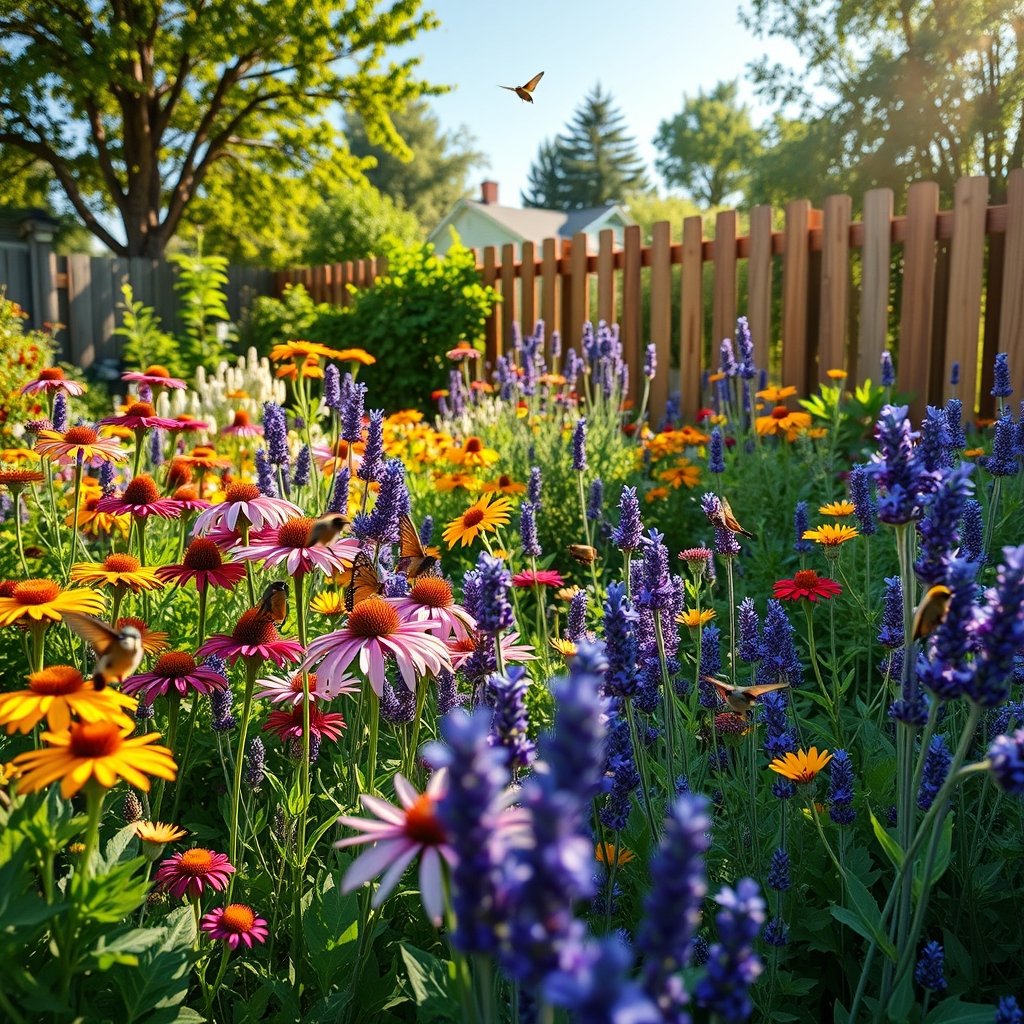
Quick answer — how to make a pollinator garden in 7 steps
- Assess your yard: Check sunlight, soil drainage, and available space. Choose a sunny area for best bloom, but don’t be deterred by a bit of shade.
- Choose regionally native, sequential-bloom plants: Focus on local plants that reliably bloom from early spring through fall. Avoid exotics or high-maintenance imports.
- Prep the site: Remove grass, loosen soil, and add compost if needed. Sheet mulching is an easy, low-work method for lawn removal.
- Design your layout: Group by bloom time, color, and flower shape. Mass similar species for bigger visual blocks and easier maintenance.
- Add nesting and larval features: Leave patches of bare ground, install bee houses or dead wood, and ensure larval host plants for butterflies.
- Set a strict no-pesticide policy: Never use weed-and-feed, insecticides, or neonicotinoids. hand-pick pests or use natural controls only as needed.
- Plan for easy maintenance: Mulch heavily, weed early, and note a basic watering routine during establishment. Monitor bloom and pollinator visits over time.
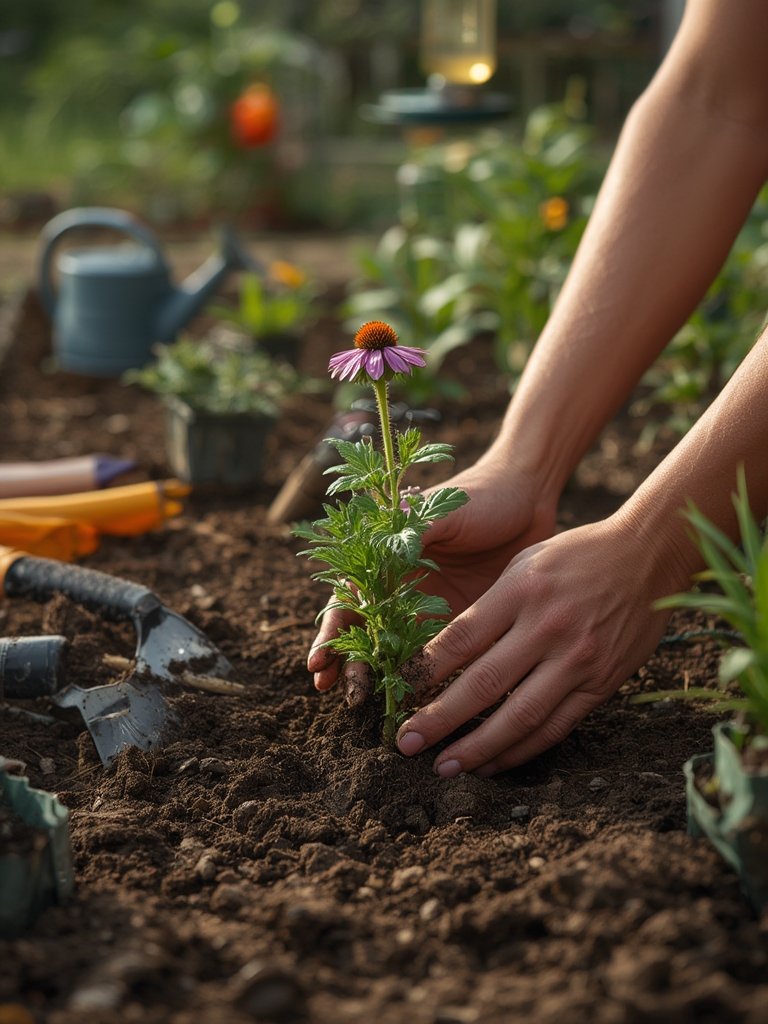
Site assessment & design fundamentals (sun, soil, size, microclimates)
Before you buy a single plant, spend time considering your yard’s light levels, soil type, and microclimates. Most native pollinator plants want 6 or more hours of direct sun but many tolerate light shade. If you have heavy clay or poor drainage, look for species adapted to those conditions or install shallow-raised beds. For small or oddly shaped yards, group plants in tight, layered borders or use containers. Addressing these site characteristics early avoids frustration with stunted plants or weedy beds.
Common obstacles? Not enough sun, dense or compacted soil, or a north-facing exposure. Solutions include choosing shade-tolerant native species, focusing on shrubs (they often need less care than perennials), or building up with mulch and organic material over time. For more home sustainability tips, check out our experts’ advice on eco-friendly home upgrades.
Regional plant selections — essential native species by zone and function
Match your pollinator garden plants to your USDA hardiness zone and site. Here’s a starter list by region and pollinator-support function. Always cross-check with respected local sources before buying. For in-depth, regionally vetted lists, see Xerces Society resources.
| Region | Spring | Summer | Fall | Shrubs/Nesting/Host Plants | Site Tips |
|---|---|---|---|---|---|
| North/Northeast | Columbine, Blue Lupine | Bee Balm (Monarda), Milkweed | New England Aster, Goldenrod | Ninebark, Dogwood | Full sun, tolerates clay |
| Midwest/Central | Penstemon, Prairie Smoke | Black-Eyed Susan (Rudbeckia), Blazing Star | Joe-Pye Weed, Mountain Mint | Elderberry, Buttonbush | Sunny, well-drained |
| Southeast | Coreopsis, Phlox | Milkweed, Blueberry | Goldenrod, Ironweed | Summersweet, Virginia Sweetspire | Moist to average, acidic OK |
| West/Pacific | California Poppy, Lupine | Yarrow, Oregon Grape | Aster, Goldenrod | Spicebush, Wild Rose, Hop-Tree | Good drainage, drier soils |
Nectar and pollen plants attract generalist bees and butterflies. Include specific larval host species for butterflies (for example, milkweed for monarchs, spicebush for swallowtails). Native shrubs provide nesting, shelter, and food for dozens of beneficial insects. For gardening in tough conditions, low-maintenance shrubs often outcompete invasive weeds long-term. You’ll find even more expert tips in our field-tested home project guides.
For more native plant recommendations, see the National Park Service’s guide to planting for pollinators.
Planting schedule & layout for continuous bloom and maximum visits
The secret to a thriving pollinator garden: staggered bloom and diversity. Ensure that, at any given time between spring and fall, something is flowering. In early spring, feature woodland phlox or columbine. By midsummer, bee balm, coneflower, and milkweed peak. Goldenrods and asters provide crucial late-season resources before winter. Varying flower shapes and colors attracts both bees and butterflies—yellow, purple, blue, and pink clusters draw more visitors than single, scattered plants. Mass the same plant in drifts for visual and ecological impact.
Example small-yard sequence:
- Spring: Bluebells, Wild Geranium
- Early Summer: Coreopsis, Butterfly Milkweed
- Mid-Late Summer: Black-Eyed Susan, Joe-Pye Weed
- Fall: New England Aster, Goldenrod
Cluster plants by height and light—tallest to the north or back, lowest in front. Irregular, natural groupings work best and reduce bare spots. Don’t forget to leave pathways for easy weeding and watering. Find more layout inspiration in our outdoor project design guide.
According to leading landscape designers, planting in color groups and mixing flower shapes are proven to boost pollinator activity all season.
Nesting, larval host plants and habitat features many articles miss
Pollinator gardens can double their impact when you include nesting and host features—not just nectar plants. Most native bees nest in bare ground or cavities in dried stems and logs. Leave a few small bare soil patches and don’t remove all dead plant material each autumn. Place “bee houses” or drilled wood only after learning the best practices for cleaning and safety (see Xerces Society guides). For butterflies, ensure larval host plants: milkweed for monarchs, spicebush for swallowtails, blueberries for hairstreaks, and so on. Mix in flat rocks or dense shrubs for shelter, especially in exposed sites. Minimal disturbance during the growing and nesting season is critical—avoid tilling, heavy raking, or constant trimming.
Pesticides and harmful practices — what to avoid and entomologist-recommended alternatives
A leading cause of pollinator declines is routine use of pesticides and weed-killers, including “all-in-one” lawn formulas. Even small exposures can be lethal to native bees and larvae. The safest pollinator garden uses zero pesticides and herbicides. For pest outbreaks, use the least toxic approach: hand-pick pests, row covers, or biological controls. Choose tough, pest-resistant native species. For weeding, mulch deeply and focus on early removal before seeds form. Many neighbors will ask about weeds; a neat edge (with rocks, bricks, or low fence) signals care and reduces complaints. Read more about choosing safe, low-maintenance landscaping in our guide to low-impact yard solutions.
Common homeowner challenges and field-tested solutions
- Problem: too much shade/poor sunlight.
Solution: Pick shade-tolerant natives like wild ginger, columbine, or certain woodland ferns and shrubs. Mulch heavily to reduce weeds. - Problem: small or awkward lot.
Solution: Use containers or dense grouping in narrow strips. Shrubs and taller plants “shrink” the appearance and require less weeding than empty space. - Problem: no time, low experience.
Solution: Start small. Opt for plugs (young plants) or bareroot shrubs—often less work long term than seed. Mulch and water reliably the first year. - Problem: weeds and invasive plants.
Solution: Sheet-mulch first, reapply mulch at least yearly. Densely plant to shade out weed seedlings. - Problem: ongoing watering/maintenance.
Solution: Choose drought-tolerant natives matched to your soil. Consider a drip hose or rain barrels. After one or two seasons, most native gardens need only minimal supplemental water, especially compared to turf grass.
For yard conversion budget tips, see our comprehensive cost-saving guide on home projects.
Costs — initial and ongoing vs. traditional lawn (how to plan a budget)
Actual dollar costs for converting a lawn to a pollinator garden depend heavily on site size, design, and your willingness to DIY. The main categories are plant material (seed, plugs, shrubs), soil preparation, mulch, and initial watering. Starting from seed is lowest cost but slowest and riskier in weedy yards ($50–$150 for a small area). Plugs of natives usually run $3–$8 each. Shrubs cost more upfront but reduce future effort. Sheet mulching with free cardboard/newspaper and municipal mulch cuts prep costs dramatically.
Ongoing costs: After establishment (one to two years), a pollinator garden is almost always cheaper than mowing a lawn. Expect routine weeding (monthly at first, then less) and minimal watering after year one. You’ll save on fertilizer, pesticides, and mower fuel/electricity, especially if you went big on shrubs and drought-adapted plants.
Phasing in new beds over several seasons helps spread out costs and labor. For reference, many homeowners find their pollinator garden costs balance out after two to three years compared to lawn care. To estimate locally, ask at a native plant nursery or extension office. For savings on other eco-friendly upgrades, explore our guide to home rebates and incentives.
Maintenance, monitoring and measuring success (what to track and how)
The first year takes the most time; after that, effort drops sharply. Maintenance is usually:
- Weeding monthly the first season (often less after plants mature).
- Watering only during serious droughts or until plants establish roots.
- Renewing mulch once a year.
- Only deadheading or cutting back after plants have dried for the season (leave some seedheads for birds and overwintering insects).
Monitoring is simple and fun: once a week in bloom season, count bee and butterfly visits for ten minutes per bed or plant type. Use your phone for photos at the start, peak, and end of each season. Track which plants are blooming when—if you have big gaps, fill in with additional natives the next year. Watch for rapid increase in pollinator visits as your garden matures. Set reminders for seasonal upkeep, similar to checklists in home projects like soundproofing your workspace.
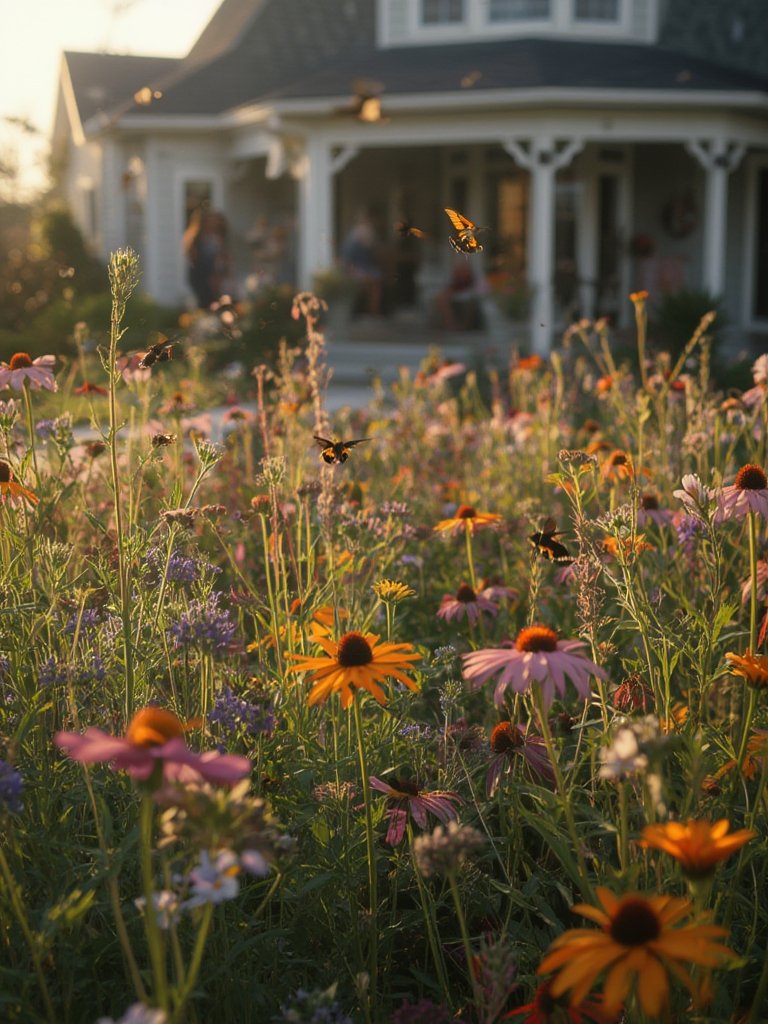
Top 3 vital aspects competitors miss (make these action items)
- Planning for sequential bloom: Don’t just buy a “pollinator mix”—map out a bloom schedule for your region and fill gaps. This is crucial for continuous pollen and nectar sources throughout the growing season.
- Building explicit nesting and larval habitat: Include bare ground areas, decaying plant stems/logs, and at least three butterfly larval host plants. Nectar alone is not enough to sustain pollinator populations.
- Maintenance and cost planning: The most successful pollinator gardens start small, use phased expansion, and plan for the real time and money involved—especially up front. Underestimating initial weeding is a top cause of frustration. Shrubs and dense plantings are your friends for low-labor beds.
All research, including independent conservation reports, underlines that these three factors—not just adding any flowers—are essential to offsetting pollinator declines and maintaining a healthy, attractive yard.
Quick start checklist & resources (local plant lists, extension offices, Xerces, Pollinator.org)
Ready to create your first pollinator garden? Clip and save this list for a quick launch:
- Pick a 20–100 square foot area (front, back, or side yard).
- Note sunlight hours and soil type; choose plants that match.
- Buy 8–10 native, locally recommended plants that bloom from April to October (see regional lists at Pollinator.org).
- Sheet-mulch or loosen soil, install plants, top with mulch (leave bare patches for ground-nesting bees).
- Add one log or bee house and at least one larval host plant.
- Commit to zero pesticides and hand-weed as needed.
- Track bloom and pollinator visits monthly with simple counts/photos.
- Consult your local extension office or native plant nursery for precise advice. See monitoring and planting guides at Xerces Society and Pollinator.org.
If you’re interested in smart, sustainable DIY upgrades, you might also explore easy ways to automate your home.
FAQ
How much of my lawn do I need to remove to see a benefit?
Even converting as little as 10–20 square feet to native plantings can measurably increase local pollinator visits. Bigger areas naturally support more species, but any reduction in turf helps.
Can I make a pollinator garden if my yard is shady?
Absolutely. Plenty of native woodland plants and flowering shrubs thrive in partial shade or dappled sunlight. Just match your plant selections to light conditions for best results.
How do I keep weeds under control in a pollinator garden?
Thick mulch, dense plantings, and early, regular weeding is key. Start with composted mulch and reapply each season to suppress weed growth. Sheet mulching at the start will drastically cut weeds long-term.
Are pollinator gardens expensive or hard to maintain?
The initial setup can require some time and moderate spending, but long-term, native plant gardens usually need much less water, fertilizer, and mowing than traditional lawns—saving both money and effort. Phased planting and the use of shrubs help minimize ongoing care.
Where can I find plant recommendations for my specific region?
Consult local extension offices, nearby native plant nurseries, or national resources like the Xerces Society Plant Lists or Pollinator.org guides for precise, regionally appropriate plant selections.