

Crawl space encapsulation cost has become a crucial consideration for homeowners seeking to protect their property from moisture, mold, and structural issues. If you want clarity on what’s driving the price, what you can do to save, and what comes next after encapsulation, this guide strips away the hype and delivers real numbers and actionable steps.
Key Takeaways
- Typical crawl space encapsulation costs $5,000–$15,000 depending mainly on size, moisture issues, and chosen features.
- Higher costs are linked to labor, dehumidification systems, and extensive preparation such as mold remediation.
- DIY savings are possible but professional work is strongly advised to avoid costly mistakes and recurring moisture problems.
- What Is Crawl Space Encapsulation and Why Does Cost Vary?
- Step-by-Step Guide: How Encapsulation Costs Break Down (and How to Save)
- Advanced Analysis & Common Pitfalls to Avoid
- Conclusion
- FAQ
What Is Crawl Space Encapsulation and Why Does Cost Vary?
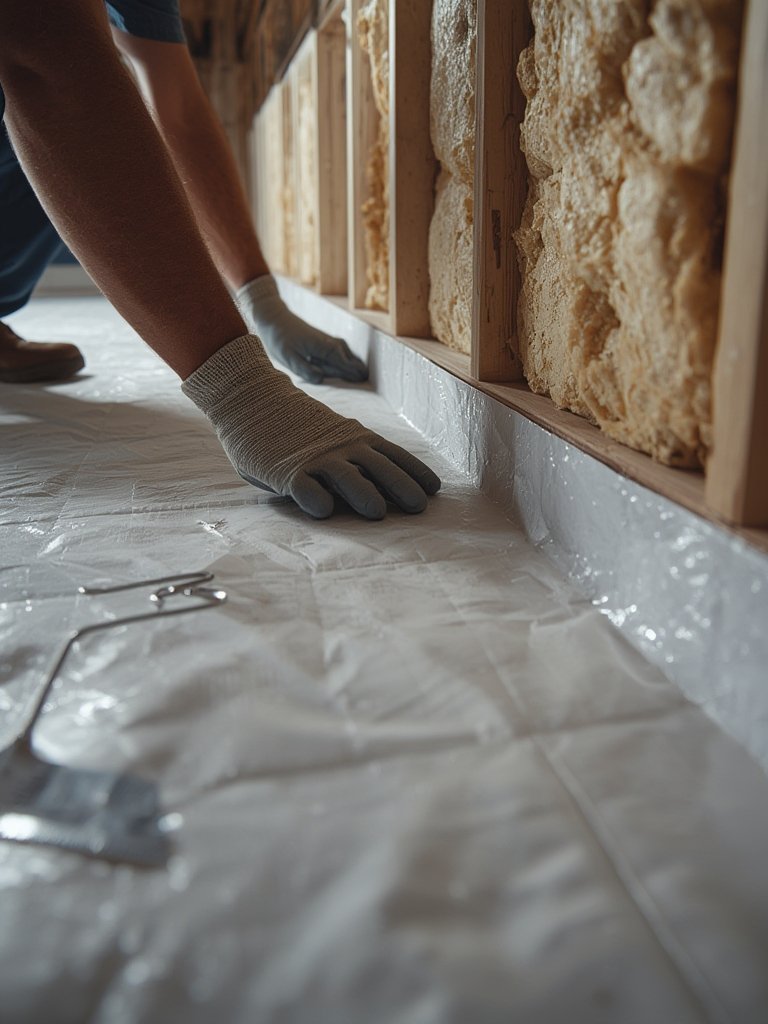
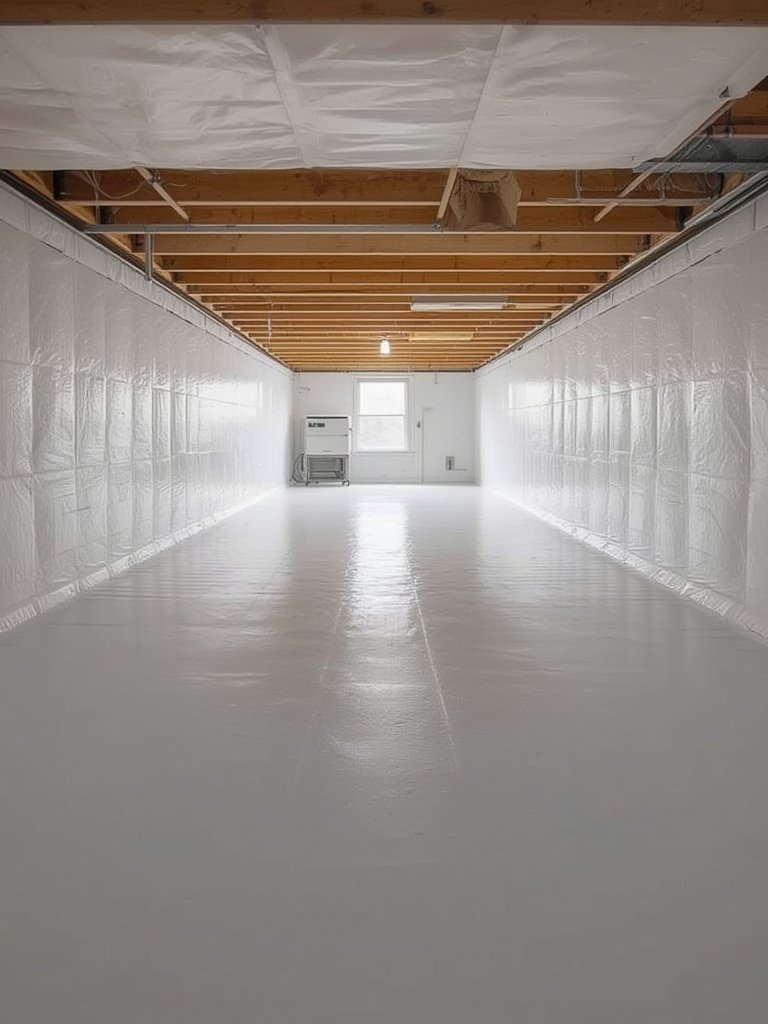
Crawl space encapsulation is a process that seals your crawl space to keep out moisture, pests, and outside air. The main components include a heavy-duty vapor barrier, sealed vents, insulation, and usually a crawl space dehumidifier. Costs can swing widely depending on:
- The square footage of your crawl space
- Materials used (plastic vapor barrier thickness, insulation type)
- The need for add-ons like sump pumps or drainage systems
- Labor complexity — wood rot or heavy mold can add thousands in prep
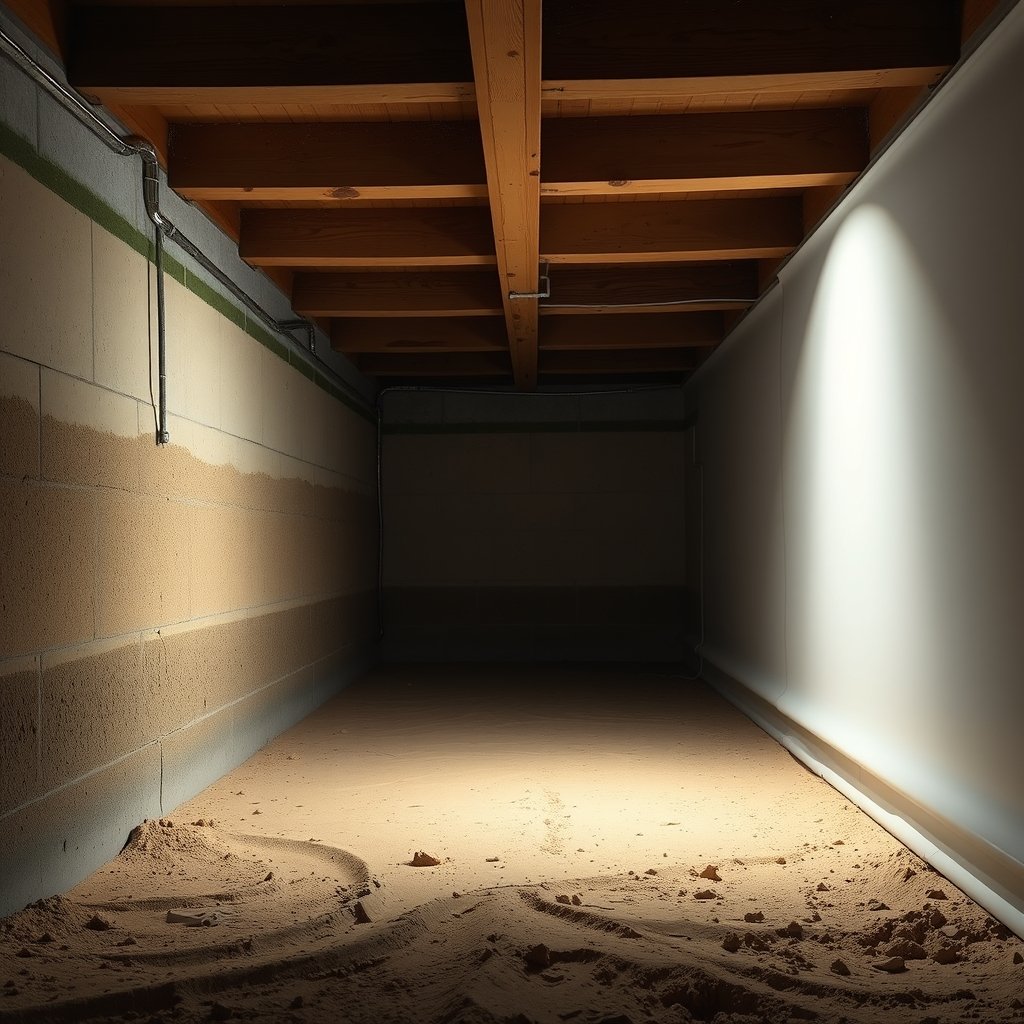
Encapsulation keeps moisture and pests out, improves indoor air quality, decreases allergens, and can extend the life of your home’s structure. However, labor, regional rates, and the need for specialty equipment make costs unpredictable. Some homeowners see added value in property resale – others simply want to stop musty odors or chronic crawl space humidity.
Step-by-Step Guide: How Encapsulation Costs Break Down (and How to Save)
Understanding crawl space encapsulation cost starts with sizing up your space and assessing its condition. Here’s a realistic breakdown of what you’ll pay, what drives costs up, and exactly where to save money.
1. Measure Your Crawl Space
Start by determining your crawl space’s square footage. Most professional estimates are priced per square foot:
- Small crawl space (100–200 sq ft): $1,500–$4,000
- Standard (1,000–1,500 sq ft): $5,000–$10,500
- Large (2,400 sq ft): $16,800–$21,600
See more details in authoritative sources like HomeAdvisor and Angi.
2. Assess Material Needs
- Vapor barrier: $0.30–$0.70 per sq ft for material
- Insulation: $1.00–$4.50 per sq ft (higher with spray foam, see our spray foam insulation guide)
- Total materials: $1,500–$3,000 typically
3. Factor In Labor
- Professional installation: $2,000–$4,000 (often 50-70% of total cost)
- Specialized prep (removing mold, fixing structure): up to $21,000 for severe cases
Trying to go full DIY? Few homeowners have access to vapor barrier sealing tools or crawl space-safe dehumidifiers. If you want to compare, check out our full encapsulation cost vs. DIY breakdown.
4. Required Add-Ons
- Dehumidifier/drainage system: $500–$1,500 (essential for long-term dryness — for sizing, always match the machine’s capacity [pints per day] to your crawl space volume)
5. How to Save on Crawl Space Encapsulation Cost
- Get 3 or more bids — prices vary wildly, especially by region
- Ask contractors about discounts for multiple services (like pairing encapsulation with attic insulation)
- Look for local or utility rebates — some areas offer credits for moisture control upgrades
- Schedule work during the off-season to leverage slower schedules
- Do simple prep (cleaning, clearing access) yourself to cut billable labor hours
Learn more about energy rebate strategies in our heat pump water heater rebate guide.
For more detail on comparing moisture-resistant home upgrades, you can also see how encapsulation stacks up against improvements like wet room conversions for bathrooms.
Advanced Analysis & Common Pitfalls to Avoid
Crawl space encapsulation delivers significant value, but many homeowners run into trouble if they cut corners or ignore key factors. Here’s where most projects go off track, and what you can do to avoid expensive mistakes:
Common Pitfalls in Crawl Space Encapsulation
| Pitfall | Impact | How to Avoid |
|---|---|---|
| Using too thin a vapor barrier | Punctures, moisture breakthrough, no warranty | Insist on 12–20 mil thickness and proper seam taping |
| Improper or rushed sealing | Moisture ingress, persistent smells, insulation mold | Check all seams and wall junctions are overlap-sealed per manufacturer’s specs |
| Skipping drainage or dehumidification | Trapped water, recurring humidity, flooring damage, wasted investment | Include both sump and dehumidifier if water table or area is high-humidity |
| Hiring unqualified contractors | Poor install, voided warranties, rapid failure, extra repair costs | Always verify licensing, insurance, and long-term warranty support |
| Ignoring maintenance | Leaks go unnoticed, new infestations, barrier punctures | Schedule annual inspections and filter checks for dehumidifiers |
For further protection, make sure your contractor offers a written warranty on materials and workmanship. If you want extra defense, compare this process to soundproofing a home office — both projects live or die by proper sealing and contractor expertise.
Many articles gloss over regional price swings. For example, Pennsylvania costs run $5-$9 per square foot, but this range climbs in states with higher labor or material delivery costs.
Also, few guides detail DIY risk. Basic prep is doable, but full vapor barrier and insulation installs are best left to pros — fixing poor seals later is more expensive than doing it right initially.
Conclusion
The true crawl space encapsulation cost in 2024 is shaped by factors like size, prep complexity, labor rates, and your demand for extras like dehumidifiers. Cutting corners can backfire, but smart shopping and self-prep can help control the bill. Always get multiple bids, check contractor credentials, and expect a final price range of $5,000 to $15,000 for most homes. If you’re ready to protect your home, don’t hesitate — request bids now, and use this guide as your blueprint to avoid regrets on your crawl space encapsulation cost.
Want more expert tips on affordable, value-adding home upgrades? Explore detailed cost breakdowns and savings guides for projects like solar panel installation and garage ADU conversions to maximize your next investment.
FAQ
How much does crawl space encapsulation cost on average?
The typical homeowner spends between $5,000 and $15,000, though small, clean spaces can go as low as $1,500, and large, difficult spaces with water or mold issues can exceed $20,000. Most projects fall in the $5–$12 per square foot range. (See source)
What factors raise the cost of encapsulation most?
Labor (especially cleanup or repairs), higher quality vapor barriers, additional features like dehumidifiers, and addressing pre-existing crawl space problems (mold, wood rot, pests) usually have the biggest cost impact.
Is full crawl space encapsulation worth it?
In most cases, yes — especially if you have ongoing moisture, odors, or floor comfort issues. It can protect your home’s structure long-term and may increase resale value in humid regions. However, success depends on proper installation and ongoing maintenance.
Can I encapsulate my crawl space myself?
Basic cleaning or laying a simple vapor barrier may be DIY-friendly. But for a full solution involving thick barriers, insulation, dehumidifiers, and total sealing, professional installation is strongly recommended for durability, warranty, and to avoid moisture problems.
How long does crawl space encapsulation last?
When done correctly with high-quality materials, encapsulation can last 15–25 years or more. Annual inspections and timely repairs will extend the life of your investment.