

Bathroom wet room conversion cost is one of the most critical topics for UK homeowners looking to modernise their bathrooms. Knowing exactly what you’ll spend, what problems to expect, and whether it’s genuinely worth it is the only way to avoid regrets down the line. Here’s what actually matters.
Key Takeaways
- Average bathroom wet room conversion cost in the UK for 2024 ranges from £4,000–£10,000, with extras for larger spaces or premium finishes.
- Certified installation is essential to prevent leaks and drainage issues; skimping here leads to long-term headaches.
- Wet room flooring, drainage choices, and pros vs. DIY all have a direct impact on cost, long-term durability, and maintenance.
- What Goes Into Bathroom Wet Room Conversion Cost?
- How to Approach a Wet Room Conversion – Step by Step
- Real-World Pitfalls and What Competitors Don’t Tell You
- Conclusion
- Frequently Asked Questions
What Goes Into Bathroom Wet Room Conversion Cost?
Wet rooms have become a popular upgrade for UK homeowners, but the actual price of converting a standard bathroom isn’t as simple as online calculators suggest. The total bathroom wet room conversion cost depends on the size of the space (small, medium, or large), choice of finishes, existing plumbing, and whether you’re hiring a specialist or general builder.
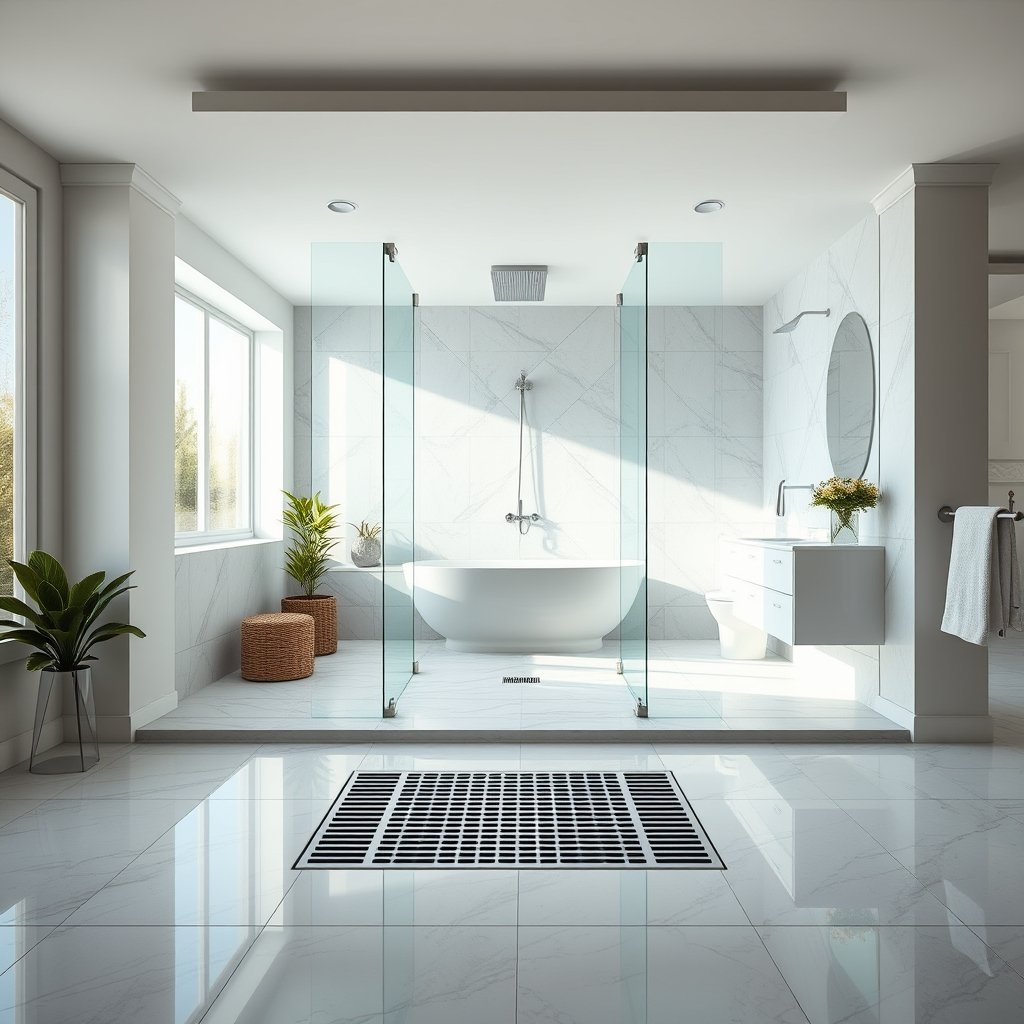
For 2024, national averages for a wet room conversion in the UK are:
- Small bathrooms (2–3 m²): £3,000–£5,000
- Medium bathrooms (about 5 m²): £4,000–£7,500
- Large bathrooms (8 m²+): £8,000–£12,000+
Converting an existing bathroom is almost always more cost-effective than building a wet room from scratch, with average prices around £6,500. You’ll typically pay more in London and the South East, up to 25% higher due to labour shortages.
Unlike walk-in shower conversions, wet rooms also require full waterproofing (tanking £500–£1,200), specialist drainage systems, and often more skilled waterproofing. This is why they are always pricier than a standard shower tray install.
For comparison, traditional walk-in showers often cost 10–30% less, but don’t offer the same seamless appearance, accessibility, or flexibility for future-proofing your home (source).
How to Approach a Wet Room Conversion – Step by Step
If you’re serious about adding a wet room to your home, here’s a proven step-by-step guide to getting it done the right way—and what each stage will cost you.
- Initial Assessment & Survey:
Get a professional feasibility survey. Key factors: floor joist condition, existing plumbing location, drainage gradients. If your property is upstairs or has timber floors, expect possible reinforcement costs over £1,000. - Strip-Out & Preparation:
Remove the old bath, shower, and flooring. Allow extra time and budget for asbestos testing, damp proofing, or hidden water damage. - Subfloor Levelling & Reinforcement:
Wet rooms demand a perfectly sloped subfloor for proper drainage. Budget £600–£1,200 for levelling, and £1,500+ extra for suspended floors that require extra joist supports (source). - Waterproofing (Tanking):
The most critical (and unforgiving) stage. Costs for certified tanking range £800–£2,000, but cutting corners here causes leaks and major repair bills. Certified installers use membrane, tape, and liquid waterproofing. - Drainage System Installation:
Choose between linear drains or centre drains, and concealed (hidden) or exposed hardware. Most medium and large wet rooms use concealed drainage, which raises costs by £500–£1,200 or more. - Tiling & Flooring:
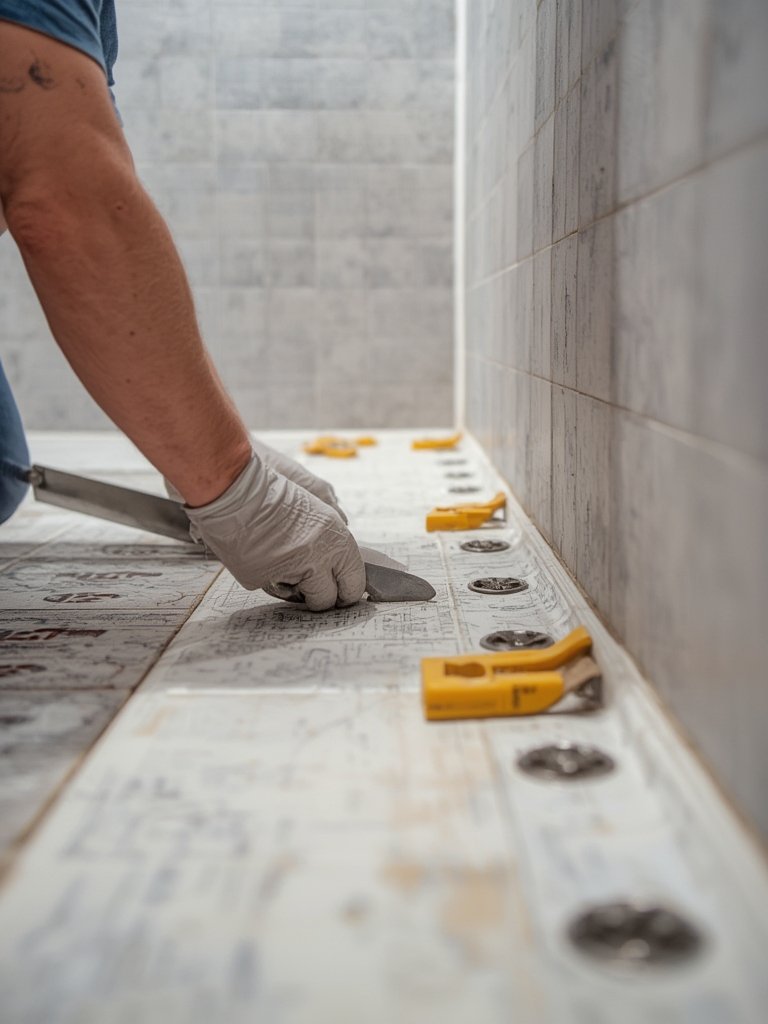
Most cost-effective: porcelain tiles, with total flooring costs from £1,000–£3,000. Skip the cheapest ceramic or low-slip value tiles to avoid future accidents and maintenance headaches. - Fixtures, Fittings & Final Fit-Out:
Include wall-hung toilets, non-slip grab rails, and rainfall shower heads. Allow £1,000–£4,000 depending on your specification. Budget an added 10–25% for London or complex designs.
A more detailed breakdown can be found in this wet room price guide.
For those considering accessibility upgrades at the same time, see our guide to aging in place bathroom remodel for senior-friendly features.
Want to lock in long-term performance? Regularly re-seal grout and clean out the drain traps—this small maintenance habit can double your wet room lifespan.
If you’re concerned about hidden upgrade costs (electrical panels, permit issues, or unexpected utility changes), see our experience-driven insight on ADU garage conversion. Many of the “hidden” costs parallel those found in bathroom overhauls.
Real-World Pitfalls and What Competitors Don’t Tell You
Wet room conversions come with real-life risks and costs that most articles gloss over. Here are the critical pitfalls every homeowner should know.
Common Failures When DIY-ing a Wet Room
- Inadequate tanking or cheap waterproofing products lead to leaks—often after several months, not right away.
- Improper floor gradients cause standing water or pooling, which accelerates mould growth and damages flooring.
- Poorly planned drainage—especially in compact spaces—causes slow draining and unpleasant smells.
- Skipping professional help with plumbing locations or structural reinforcement leads to long-term floor movement and costly repairs.
- Using budget grade tiles or skipping regular grout sealing quickly causes water ingress and tile delamination.
Cost Breakdown Table: Wet Room Conversion (UK 2024)
| Cost Component | Typical Range |
|---|---|
| Waterproofing (Tanking) | £500–£1,500 [source] |
| Labour | £1,500–£5,000 [source] |
| Flooring/Tiling | £1,000–£5,000 [source] |
| Plumbing/Electrical | £500–£2,000 [source] |
| Fixtures | £1,000–£4,000 |
| Typical Total | £4,000–£10,000+ |
Upstairs wet rooms, or conversions in older homes, can add £12,000 or more due to necessary structural reinforcement and lengthy drainage rerouting (source).
Flooring Choices: Cost, Safety, Maintenance
- Porcelain tiles: Best overall for slip resistance and value, around £25–£70 per m²; mid-range wet rooms almost always use these.
- Natural stone (slate, travertine): Looks luxurious, but costs 30%+ more per m² and needs extra sealing against stains.
- Vinyl: Budget-friendly and warm underfoot; not as hard-wearing as tile and less upmarket.
Whichever material you pick, commit to regular drain and grout maintenance. Unsealed grout is the single biggest cause of failed waterproofing over time (bathroommountain.co.uk).
Drainage: Linear vs. Center and Concealed vs. Exposed
- Linear drains: Discreet, ideal for minimalist look and easy wheelchair access; higher upfront cost (£100–£500+) but allow flexible layouts.
- Center drains: Simpler and cheaper but require exact flooring slope from all sides and can be more visible in the room.
- Concealed drainage: More visually appealing but adds to labour and material costs (extra tanking/membrane).
Compact bathrooms (2–3 m²) can use either system, but concealed linear drains are best if you want a totally seamless look—expect to pay about 10–15% more for installation.
Why Certified Wet Room Installers Matter
- Specialists charge £200–£300 per day but offer warranty-backed waterproofing and fewer surprises down the line.
- General bathroom fitters are sometimes 10–20% cheaper but may not guarantee a leak-free finish.
- For more on hiring specialists for home upgrades, see our actionable guide to Premier Home Pros and avoiding contractor mistakes.
Want ideas to quiet your new bathroom suite? Check our expert home office noise reduction tips in home office soundproofing walls.
You’re also likely to encounter electrical and panel upgrade issues. See how these play out in different contexts with our breakdown of home EV charger installation.
Conclusion
Wet room conversions are a stylish, accessible, and futureproof way to upgrade your bathroom—but the bathroom wet room conversion cost is significant and unforgiving if you cut corners. Invest in certified installation, plan for the real-world extras, and never skimp on waterproofing or drainage. Ready to take the plunge? Get a professional survey and use only qualified tradespeople to protect your investment.
Need more intel on modern home upgrades, legal requirements, or cost-saving tips? Browse our guides on crawl space encapsulation costs or indoor home sauna kits for actionable insights.
Frequently Asked Questions
How much does bathroom wet room conversion cost in 2024?
In 2024, UK bathroom wet room conversion cost ranges from £4,000–£10,000 for most homes. Small rooms cost £3,000–£5,000, medium £4,000–£7,500, large £8,000–£12,000 or more. London homeowners should expect 10–25% higher prices due to labour rates.
Is a wet room better than a walk-in shower for small bathrooms?
Wet rooms create a seamless, accessible space even in compact bathrooms (2–3 m²), but cost more due to extra waterproofing and drainage work. Walk-in showers are usually cheaper but less futureproof.
What are the biggest risks of DIY wet room conversions?
The most common DIY failures are leaks from poor waterproofing (tanking), slow draining, floor movement, and grouting issues. Professional, certified installation avoids nearly all these pitfalls.
Which wet room flooring is safest and lowest maintenance?
Porcelain tiles offer the best balance of slip resistance, durability, and price (£25–£70 per m²). Natural stone looks great but is more expensive and needs regular sealing. Vinyl is affordable but wears out faster.
How long does a wet room installation take?
Most professional wet room conversions take 7–10 days, depending on bathroom size and any structural upgrades.