

Lawn aeration service is the single most impactful maintenance step for many suburban lawns suffering from thinning grass, uneven growth, or poor drainage—if you time it right and use proper evidence-backed diagnostic methods. Homeowners often waste money or effort by aerating at the wrong time or for the wrong reasons. Below, you’ll find proven steps and decision tools that remove the guesswork, so your investment in aeration pays off with visible gains.
Key Takeaways
- About 68% of homeowners who choose a professional lawn aeration service report measurable improvement in lawn health—timing and diagnosis are critical.
- Aeration is most effective on compacted, clay soils with >0.5″ thatch and clear drainage or thinning issues. Not every lawn needs annual aeration.
- DIY aeration saves money but comes with real risk of hidden costs and incomplete results—use checklist tools and know when to hire a pro.
- Why aeration matters — measurable benefits and realistic expectations
- Who truly needs aeration — exact lawn conditions that signal it’s time
- DIY diagnosis — simple tests homeowners can run in 10–15 minutes
- When to aerate — timing, moisture and seasonal best practices
- Common complaints about aeration services — what goes wrong and how to avoid it
- Cost and pricing — what affects price and how to spot hidden fees
- DIY vs professional — effectiveness, risk and long-term value
- Top three homeowner misconceptions about when to aerate — and expert resolutions
- Three essential preparation/aftercare steps many guides omit
- How to choose a reputable aeration contractor — checklist and sample questions
- Quick decision flowchart — hire vs rent vs wait
- Suggested FAQ for the post (to preempt search queries)
Why aeration matters — measurable benefits and realistic expectations
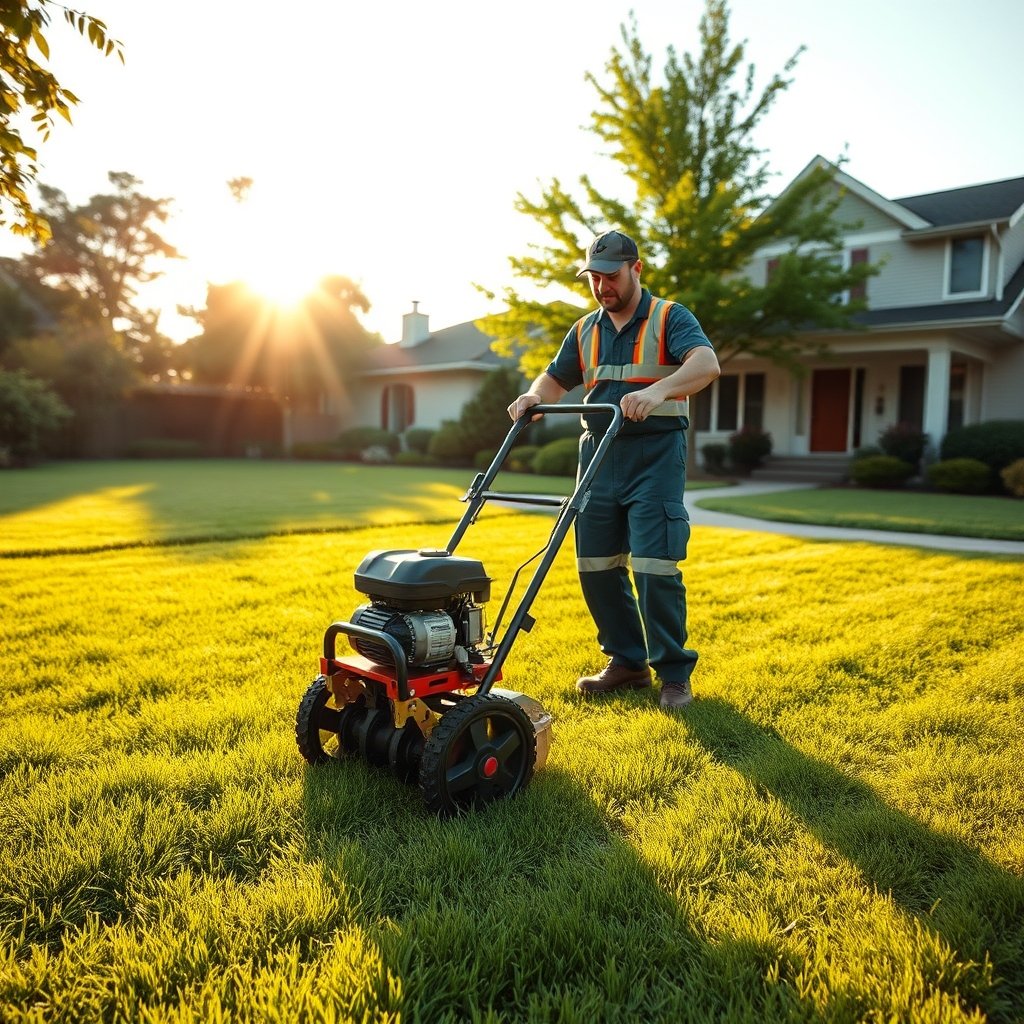
Lawn aeration service works by removing small cores of soil and thatch from your yard, relieving compaction and boosting the root zone’s access to oxygen and nutrients. Core aeration can lead to a thicker, greener, and more resilient lawn—recent surveys (2022–2024) found that about 68% of homeowners who used a professional service saw these improvements. However, expect gradual results; full recovery (and visible gains) often takes 2–6 weeks, depending on grass type and aftercare. Aeration isn’t a cure-all. Used appropriately, it solves compaction and drainage issues and helps lawns recover from heavy use, but it won’t fix severe fungal disease, insect infestations, or all soil health issues.
Who truly needs aeration — exact lawn conditions that signal it’s time
Aeration isn’t for everyone, every year. Focus on key risk factors:
- Soil compaction: Heavy, hard soil that resists water and root growth.
- Soil type: Lawns growing on clay are much more prone to compaction than those on loamy or sandy soils.
- Thatch depth: A spongy brown layer over 0.5″ indicates urgent need (source).
- Grass type: Kentucky bluegrass, fescues, and rye are more tolerant; zoysia and Bermuda need closer watching for compaction stress.
- Foot traffic: Play areas, walkways, or high-use sections show more compaction risk.
- Poor drainage: Water puddling after rain is a clear warning.
- Visual signs: Thinning, yellowing, or shallow-rooted turf signal problems below the surface.
Research confirms that professional aeration is most effective on lawns with:
- Compacted or heavy clay soils
- High traffic or machinery use
- Thatch greater than 0.5 inches
- Poor drainage
- Obvious thinning/yellowing
If your lawn checks several of these boxes, it is a strong candidate for aeration.
DIY diagnosis — simple tests homeowners can run in 10–15 minutes
Not sure if your yard truly needs aeration? Run these quick at-home tests before hiring a lawn aeration service:
| Test | How to Do It | Pass/Fail (Needs Aeration?) |
|---|---|---|
| Screwdriver/Probe | Try pushing a screwdriver 4″ into moist soil. Moderate resistance = compaction. | Fails if more force than inserting into a bag of flour is needed (compact soil). |
| Thatch Depth | Cut a turf square and measure brown thatch between soil and grass above. | Fails if thatch > 0.5 inches. |
| Infiltration/Ring Test | Pour water into a bottomless can inserted in the lawn—time until it soaks in. | Fails if water stands > 15–30 mins (poor drainage). |
| Visual & Traffic | Check grass near walkways/kids’ play areas for thinning or yellowing. | Fails if turf is thinner/weaker in these spots. |
If one or more areas fail, consider diagnostic photos and measurements. These facts can support an accurate quote, especially if you choose to hire a professional. For more on quick, at-home soil checks, see our smart irrigation guide.
When to aerate — timing, moisture and seasonal best practices
Whether hiring a lawn aeration service or renting equipment, timing is critical. Aerate only when:
- Root growth is active and temperatures are mild
- Soil is moist, but not soggy
For cool-season grasses (Kentucky bluegrass, fescues, rye): Early spring (after last frost) or early fall are ideal.
For warm-season grasses (Bermuda, zoysia): Late spring to early summer is best.
Research backs this up: Aeration performed during these windows under adequate soil moisture yields the greatest improvement. Avoid aerating during drought or heat stress; recovery will stall.
Common complaints about aeration services — what goes wrong and how to avoid it
Industry data show most homeowners are satisfied with results, but a significant minority face frustrations:
- Delayed recovery: About 35% of negative reviews cite slow regrowth. Expect 2–6 weeks for full improvement, longer if the lawn is stressed.
- Hidden or unexpected fees: 28% of complaints cite unlisted costs—ask for written, itemized quotes.
- Lack of perceived benefit: 22% of reviewers say they saw little change—often due to poor aftercare or misdiagnosis.
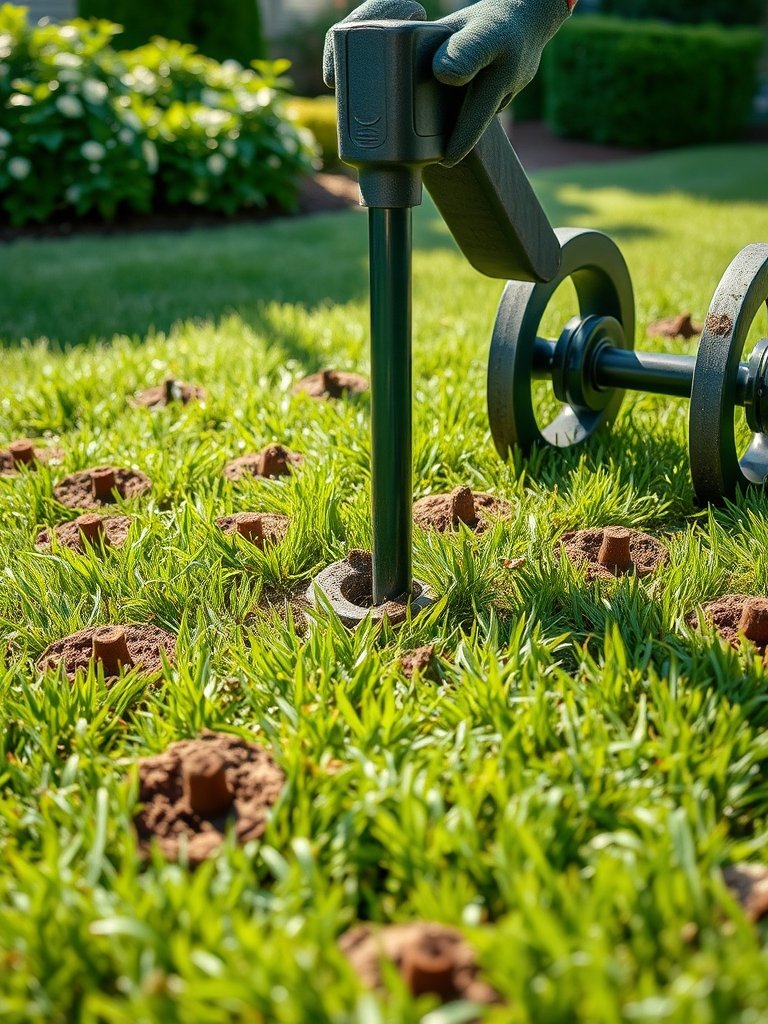
Always clarify post-aeration cleanup (plugs, debris), recovery time, and aftercare schedule in advance.
Cost and pricing — what affects price and how to spot hidden fees
The price of lawn aeration service typically depends on:
- Lawn size (measured in square feet, with tiered pricing)
- Soil type (clay and compacted soils may incur surcharges)
- Severity of compaction/thatch
- Equipment/technique (manual, drum, or ride-on core machines)
- Access (fenced yards, obstacles, or slopes add time)
- Travel/disposal fees (off-site plug hauling may be extra)
Quotes should include:
- Full scope of work (area, plug depth, number of passes)
- Any surcharges or add-ons (fertilizer, overseeding, cleanup fees)
- Estimated recovery time and weather backup plan
Red flags: vague lump-sum pricing, pushy upsells (e.g., unnecessary annual contracts), or fees added after the fact. With about 28% of dissatisfied customers citing hidden charges, demand transparency. For comparison, see how other home service projects are quoted—like crawl space encapsulation and EV charger installation.
DIY vs professional — effectiveness, risk and long-term value
| DIY Aeration | Professional Lawn Aeration Service | |
|---|---|---|
| Outcomes | Good for small, healthy lawns with minimal compaction; mixed results with rental units on tough soils. | About 68% of homeowners report measurable improvement (industry benchmark). |
| Risk | Missed spots, improper depth, turf damage, equipment jams. | Low risk if contractor is reputable and follows diagnostics. |
| Cost | Rental $60–$120/day (+ transport/labor). More effort but can be cheaper for small yards. | Typically $85–$300 for standard yards; higher for large or heavily compacted areas. |
| When to Choose | Small, accessible lawns with minor compaction; confident DIYers. | Serious compaction, clay soils, large/high-traffic yards, time constraints. |
As a rule: If you have doubt or see multiple warning signs in the diagnostics, hiring a pro offers better odds—and an informed guarantee of improvement.
Top three homeowner misconceptions about when to aerate — and expert resolutions
- “I have to aerate every year.” — Reality: Only aerate when diagnostics (compaction/thatch/drainage) indicate need. Over-aeration can stress certain grass types.
- “Aeration fixes all drainage or thatch instantly.” — Reality: Aeration helps, but chronic pooling or thick thatch layers (over 1″) may require regrading or dethatching.
- “More (or deeper) is always better.” — Reality: Aggressive or frequent aeration can damage roots, especially in heat/drought. Follow best timing and equipment use.
Expert conclusion: Targeted, diagnostics-driven aeration gives the best result—in the right season, only when needed.
Three essential preparation/aftercare steps many guides omit
- Pre-check soil moisture — Water lightly the day before if soil is dry, but avoid waterlogged conditions to prevent machine clogging.
- Measure thatch and compaction — Use the tests above and write down locations/depths before any machine touches your lawn.
- Plan post-aeration care — Overseed thin spots, apply starter fertilizer, and water regularly to maximize new root growth during the recovery window. For tips on post-lawn project care, see our clover lawn guide.
These steps ensure a tailored approach so your lawn aeration service delivers maximal benefits.
How to choose a reputable aeration contractor — checklist and sample questions
Before committing, use this quick interview template:
- What type of aeration equipment do you use (core, drum, spike)?
- How do you assess compaction and thatch (will you measure)?
- How many passes will be made and to what core depth?
- Will you provide written, itemized estimates including any surcharges?
- What is typical recovery time in my region?
- Do you guarantee results or provide follow-up guidance?
- Can you show license, bonding, and insurance?
Download a printable checklist or use it during phone interviews to avoid the 28% hidden fee complaint trap. Consider checking how you’d vet pros for similar outdoor services like remodeling or deck installation.
Quick decision flowchart — hire vs rent vs wait
Use this quick flow:
- Do you have hard, compacted soil or thick thatch (>0.5”)?
- Yes –> Continue
- No –> Wait, reassess next season
- Is it early spring or fall (cool-season grass) or late spring/early summer (warm-season grass) with adequate moisture?
- Yes –> Continue
- No –> Wait for optimal season
- Is your lawn small/accessible, minimal compaction, and you have equipment access?
- Yes –> DIY possible (rent if confident)
- No –> Hire a professional lawn aeration service
Remember: About 68% of homeowners see a benefit from pro aeration, especially when trouble signs are present. Always use diagnostics and season as your triggers.
Suggested FAQ for the post (to preempt search queries)
How long before I see results after a lawn aeration service?
Most lawns show visible thickening and greener color in 2–6 weeks if aftercare is followed. Recovery can be slower (up to 8 weeks) if the lawn is already stressed, as seen in about 35% of the most dissatisfied reviews.
Can I mow right after aerating my lawn?
Wait at least one mowing cycle (about 5–7 days) before mowing after core aeration to avoid crushing soil plugs and damaging new root growth.
When should I overseed and fertilize after aeration?
Overseed immediately after aeration (same day if possible) so seed contacts exposed soil. Apply starter fertilizer within 1–2 days and keep soil moist.
How often should I repeat lawn aeration?
Only as needed based on diagnostics. Lawns with clay soils or high traffic may benefit every 1–2 years; others only every 3–4 years or less.
Do spike shoes work for aerating?
Spike shoes mostly compact the soil sideways and rarely relieve serious compaction—core aerators that remove plugs are far more effective for measurable results.