

Solar roof shingles cost 2026 is top of mind for homeowners considering a new roof and solar in the same project. This guide reveals what you will actually pay for solar shingles in 2026 and whether premium options like the Tesla Solar Roof are worth the extra expense compared to traditional solar panels. We dig into real costs, incentives, ROI, and the practical trade-offs that matter most for your bottom line.
Key Takeaways
- In 2026, the average installed solar roof shingles cost is about $23 per square foot, with typical full-home installs totaling $46,000, but Tesla Solar Roofs often run $106,000–$126,000 before incentives.
- Traditional solar panels still offer higher efficiency (20–22%) and faster ROI, while Tesla’s aesthetic-focused Solar Roof costs two to three times more for most homes.
- The 30% federal solar tax credit remains in effect through 2026, cutting net cost significantly, but payback for solar shingles is longer unless you also need a new roof.
- Quick snapshot — 2026 national costs for solar roof shingles
- How 2026 pricing compares to 2025 and 2024 (trend context)
- Tesla Solar Roof vs traditional solar panels — cost, efficiency, and lifespan
- Real net cost after incentives — federal, state, and local programs
- Typical installation timeline, warranty terms, and maintenance differences
- Customer experience — common complaints and pain points in 2026
- When a solar roof shingles installation can make financial sense
- Geographic and roof-type factors that most affect price, feasibility, and ROI
- Installation logistics: who to hire, permitting, and storage pairing (Powerwall)
- Top 3 critical sub-topics competitors miss
- How to evaluate quotes in 2026 — an itemized checklist
- Conclusion + CTA
- FAQs
Quick snapshot — 2026 national costs for solar roof shingles
In 2026, the solar roof shingles cost 2026 lands at an average of $23 per square foot. For a standard residential roof (about 2,000 square feet), that means a typical total project cost of $46,000. National price ranges run from $27,600 on the low end (partial coverage, smaller systems) up to $60,000 or more for larger or more complex jobs. Tesla’s Solar Roof, a fully integrated roof + solar system, starts around $26 per square foot and stretches to $50 per square foot for complicated roofs, with entire project totals for a 2,000-square-foot home often falling between $106,000 and $126,000 prior to incentives.
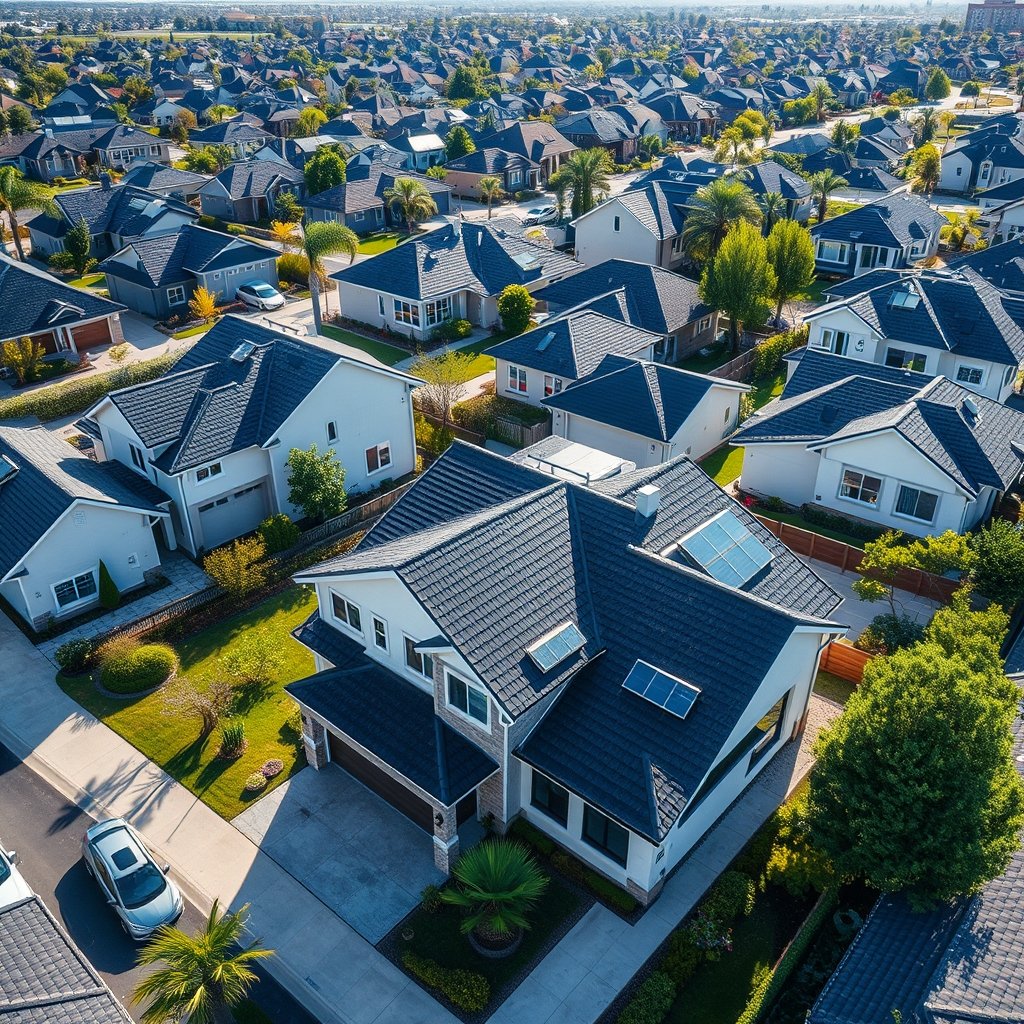
These costs are for a turnkey installation: all hardware, labor, materials, and warranty included. Expect to pay extra for energy storage like the Tesla Powerwall, which many utility providers and cities now require for grid-tied solar backup.
Why this matters: If you’re weighing a new roof plus solar, this is your apples-to-apples starting point. For pure ROI, shingles still carry a cost premium over traditional solar panels installed on a new roof, but they deliver superior curb appeal and roof life.
How 2026 pricing compares to 2025 and 2024 (trend context)
Year-over-year, the solar roof shingles cost 2026 has stabilized but remains higher than most typical solar installs. Here’s how it breaks down:
- 2026 solar roof shingles average: ~$23 per square foot
- 2024 solar roof shingles market range: $15–$35 per square foot
- Tesla Solar Roof 2025 pricing: ~$62 per square foot
- Tesla Solar Roof 2026 pricing: $26–$50 per square foot (source)
While Tesla’s per-square-foot price has dropped since 2025, it’s still far above conventional panels on a new roof, and the total system totals for an average home remain substantially higher. The broader solar shingle market, including brands like GAF and Timberline, is slowly trending downward in cost as technology improves, but labor and complexity hold prices up.
For comparison, research shows standard solar panel systems in 2026 are commonly $2.5–$2.6 per watt, or $15,000–$36,000+ for a typical project.
Tesla Solar Roof vs traditional solar panels — cost, efficiency, and lifespan
Tesla’s Solar Roof is unique in that it replaces your entire roof with electricity-generating shingles. Traditional panels are mounted atop your existing or new roof. Here’s how the comparison shakes out:
| Category | Tesla Solar Roof (2026) | Traditional Solar Panels (2026) |
|---|---|---|
| Upfront cost (2,000 sq ft home) | $106,000–$126,000 | $29,970–$36,000 |
| Cost per square foot / watt | $26–$50/sq ft | $2.5–$2.6/watt |
| Efficiency | 8–14% | 20–22% |
| Warranty | 25 years (roof + power) | 25–30 years (modules + power) |
| Estimated payback | Very long (often >20 years) | 8–11 years typical |
| Aesthetic/curb appeal | Premium, seamless look | Distinct, visible panels |
A key finding: Tesla’s efficiency is half that of panels, which means you need a larger roof area or accept lower total solar output. For many smaller roofs, this alone makes panels the practical choice.
Tesla does offer a 25-year warranty, as do most premium solar panels, but the lifetime energy yield is lower per installed dollar. Real-world ROI is longer unless aesthetics or neighborhood rules (like in a historic district) demand shingles.
Real net cost after incentives — federal, state, and local programs
The 30% federal Investment Tax Credit (ITC) is the single most important incentive reducing your out-of-pocket solar roof shingles cost 2026. To qualify for the full 30%, systems must be placed in service through the end of 2025, with current legislation extending this to 2032 before stepping down. State and local incentives can further lower costs.
Sample cost calculation:
– Solar Shingles: $46,000 before incentives
– 30% ITC = $13,800 tax credit
– Net Cost = $46,000 – $13,800 = $32,200
Versus:
– Panels: $30,000 before incentives
– 30% ITC = $9,000
– Net Cost = $21,000
Some states offer solar rebates of $1,000–$5,000, on top of the federal credit. Many local utilities have production-based incentives, further trimming actual cost. But, apply the ITC at tax time—if you don’t owe federal income taxes, you can’t capture the full benefit in one year (see full details).
Typical installation timeline, warranty terms, and maintenance differences
Traditional solar panels install in 1–3 days after permitting, with most projects complete in 3–5 weeks from signed contract to grid activation. Solar shingles—especially Tesla Solar Roofs—often take 2–3 weeks to physically install and up to 2–3 months total, due to roof tear-off, custom fabrication, and lengthy city inspections.
Tesla provides a 25-year warranty covering both the roofing material and solar power production. Most traditional solar panel brands also offer 25–30-year module/product warranties and 25-year performance guarantees. Maintenance for both is minimal: annual panel cleaning for optimal yield, which can be DIY, and routine roof checks after major storms for shingle systems.
Customers routinely report a longer wait for activation and more project complexity with solar shingles, particularly Tesla’s integrated system, compared to simpler panel projects. For details about solar panel roof installation, visit our solar panel installation guide.
Customer experience — common complaints and pain points in 2026
Here’s what homeowners are saying about Tesla Solar Roof and solar shingles in 2026:
- “The roof looks absolutely stunning—everyone on the block asks about it. But my payback math is more like 22 years, not 10.”
- “We had no idea the final bill would be this high. After adding two Powerwalls for backup, we’re well over $120,000.”
- “Loved the look, but install took 4 months due to permitting delays. The system’s output is lower than our friends with panels.”
Most frequent issues:
- Higher-than-expected cost after formal quote (pooling roof replacement and solar generation in one project drives up totals)
- Payback period frequently above 20 years—owners justify only for aesthetic or historic value
- Installation delays and complexity—especially if roof structure modifications are needed
- Add-on storage: Powerwall is almost always required, adding ~$9,300 per unit (most homes need two, or $18,000 extra)
- Energy production can underwhelm, particularly on small or complex roofs (see reviews)
Before deciding, consider reading about whole home battery backup costs and options.
When a solar roof shingles installation can make financial sense
Sometimes, shingles are the smart money move—but only in specific scenarios:
- Your roof already needs replacement. A new roof costs $8,000–$15,000; solar shingles combine both jobs, closing the cost gap.
- Curb appeal or HOA rules make conventional solar panels off-limits.
- Historic districts or strict architectural standards.
- You plan to stay in the home for 20+ years and want a durable, integrated roof system.
- Wanting to go off-grid with battery backup (expect at least $18,000 more for Powerwall).
To see the payoff, compare these 2026 averages:
- Solar shingle systems: $27,600–$60,000
- Traditional 9kW panel system: ~$29,970 before incentives
If you need a roof anyway, the premium shrinks. But if your roof is sound, panels plus a new roof are almost always lower net cost. Interested in energy efficiency upgrades that stack with solar? Check out our heat pump water heater rebate guide for more savings.
Geographic and roof-type factors that most affect price, feasibility, and ROI
Where you live and the shape of your roof play a big role in your solar roof shingles cost 2026 and project’s financial outcome.
- Climate: Sun-rich states (CA, AZ, FL, TX) yield better energy ROI.
- State and local incentives: NY, NJ, MA, and CA offer added rebates, driving total cost down.
- Utility rates and net metering: Higher electric rates = faster payback.
- Roof complexity: Steep, multi-faceted, or cut-up roofs drive up install price, especially for shingles.
- Roof material: Old tile or shake roofs may require full replacement regardless, favoring shingles.
- Shading: Shaded sites generate less energy—shingles lose proportionally more due to lower efficiency per area.
Market data: Solar roof tiles cost $12–$63 per square foot installed, with typical 2,000-square-foot roof projects (partial coverage) ranging from ~$14,400–$75,600 before incentives (see breakdown).
If you’re prepping other upgrades, our crawl space encapsulation guide can help maximize whole-home energy performance.
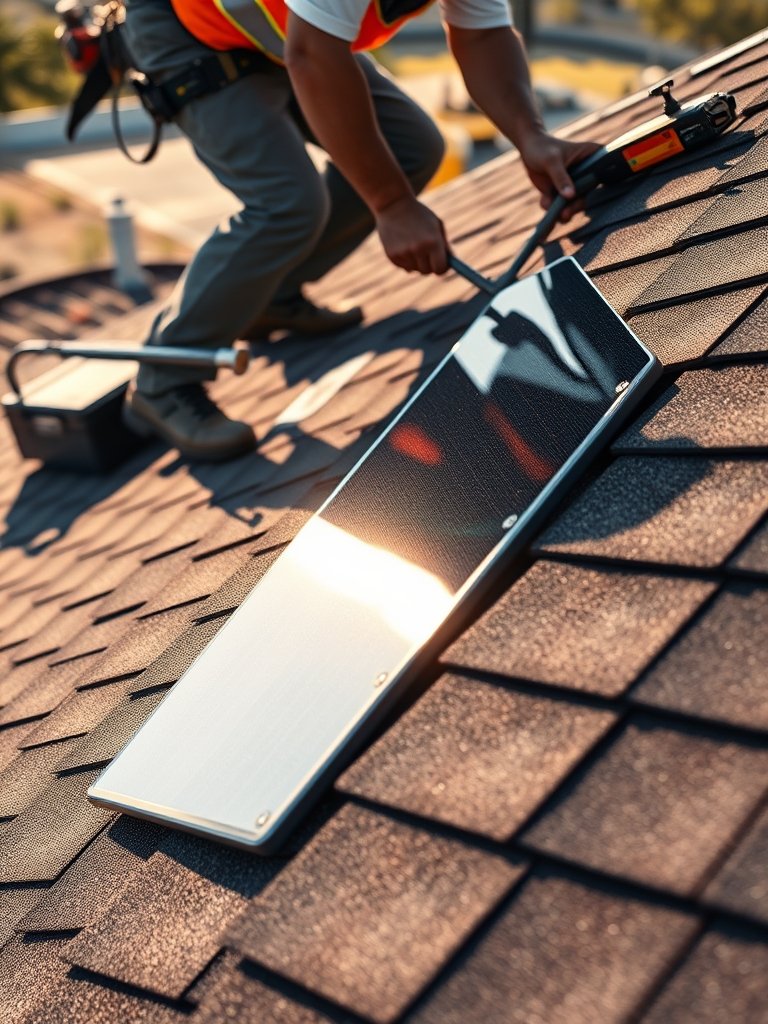
Installation logistics: who to hire, permitting, and storage pairing (Powerwall)
Tesla offers streamlined ordering nationwide, but local installers may provide faster site service and the ability to customize. Choose a company with deep local experience, especially for complex rooflines or permitting in historic districts. Request references for other solar shingle or Solar Roof projects in your county.
- Check reviews and licensing; don’t sign any quote that bundles a low-ball price with vague system specs or “TBD” incentives.
- Permitting can take 2–8 weeks depending on jurisdiction—panel projects usually move faster than shingles.
- Powerwall: Budget ~$9,300 each; most all-electric homes require at least two for whole-home backup.
- Be clear on contract language—confirm what is covered as “roof warrantied surface” and what counts as “production failure.”
For homeowners interested in pairing with home EV charger, our home EV charger installation guide covers costs and compliance for upgrades.
Top 3 critical sub-topics competitors miss
- Clear net-cost calculator example (shingles vs panels):
- Shingle Estimate: $46,000 x 0.7 (after 30% ITC) = $32,200
- Panel Estimate: $30,000 x 0.7 = $21,000
- State/local rebate (e.g., $2,500 extra): new net costs $29,700 (shingles), $18,500 (panels)
- Yield per square foot matters for small roofs:
Tesla’s 8–14% efficiency means on a 500-square-foot usable roof area, you’ll get significantly less kWh/year than 20–22% efficient panels—sometimes half, which can undercut savings if you have limited south-facing roof space. - Long-term repair/insurance claims:
Partial shingle replacement after storm damage is complex and expensive. Insurance policies may not treat solar shingle roofing as conventional, leading to extra out-of-pocket costs. For panels, single-module swap is simple and rarely voids roof warranty. Longevity upgrades? See composite material comparisons that minimize future repairs.
How to evaluate quotes in 2026 — an itemized checklist
Use this scorecard to stress-test every quote:
- Per-square-foot price (shingles): aim for ~$23/sq ft average
- Per-watt price (panels): $2.5–$2.6/watt is market norm
- Expected annual energy yield (in kWh/year) — higher is better
- Warranty terms (roof + production): 25+ years preferred for both
- Permitting, interconnection, and utility fees: avoid surprise add-ons
- Storage needs/cost (Powerwall): factor ~$9,300 each, and plan for two if you want full-home coverage
- All incentive assumptions must be clearly listed and sourced
Always compare net cost after incentives and local rebates, not just sticker price. If you’re also tackling inside projects, our soundproofing guide can help reduce future retrofit headaches.
Conclusion + CTA — what type of homeowner should get quotes for shingles vs panels today
Most homeowners seeking pure return on investment are better served by traditional panels: typical home solar systems in 2026 cost ~$15,000–$36,000+ before incentives (panels ~$2.5–$2.6/watt) versus solar shingle systems averaging ~$46,000 (or Tesla totals often $106k+), making panels the higher ROI choice for most buyers. Choose a quote for Tesla Solar Roof or similar premium system only if you’re replacing a roof anyway, require architectural integration, or deeply value aesthetics and durability—even knowing payback will be 18–25+ years.
Ready to compare your numbers? Collect detailed, written quotes from both national providers and trusted local solar installers. Use your solar roof shingles cost 2026 calculation to benchmark real payback and align projects with your long-term goals. Still on the fence? Talk to recent customers in your neighborhood, and consider pairing your new roof with other energy upgrades for enhanced savings.
Frequently Asked Questions
How much do solar roof shingles cost in 2026 for a typical home?
The average national cost for solar roof shingles in 2026 is about $23 per square foot, totaling roughly $46,000 for a standard 2,000-square-foot residential roof. Project ranges vary from $27,600 to $60,000, with Tesla Solar Roofs typically costing $106,000–$126,000 before incentives.
Is Tesla Solar Roof worth the extra premium over regular solar panels?
Tesla Solar Roof offers unmatched curb appeal and a fully integrated look, but it costs two to three times more than panels, with lower efficiency and a much longer payback (20+ years in most cases). The premium is justified only if you need both a new roof and highly aesthetic integration—or live in a community that restricts visible panels.
Do solar shingles and solar panels qualify for the federal tax credit in 2026?
Yes, both are eligible for the 30% federal solar tax credit, as long as the system is placed in service during the qualifying period. Most state and some utility rebates also apply to both types but confirm exact eligibility before signing a contract.
What is the difference in efficiency and energy production between solar shingles and panels?
Solar shingles (like Tesla’s) generate 8–14% efficiency, while traditional solar panels achieve 20–22%. This means you’ll get much less usable energy per square foot of roof from shingles—important for homes with limited roof space.
How long does a solar roof or panel system last, and what type of maintenance is required?
Both products typically carry 25-year warranties. Maintenance is minimal—usually limited to cleaning panels yearly and checking roof integrity after major storms. However, replacing damaged shingles from hail or tree limbs can be expensive and more complex than panel replacement.