

geothermal heat pump residential cost is the first number most serious homeowners want before they request any bids or site visits. Below, you’ll find clear 2026 cost ranges, how current incentives translate to real cash savings, and which site and system choices most impact your net price and long-term return on investment. This is a data-driven guide for homeowners who are ready to invest—but want to avoid any expensive surprises.
Key Takeaways
- In 2026, national average geothermal heat pump residential cost is $20,000-$35,000 before incentives, with potential net cost as low as $9,000-$20,000 for most homes after rebates and credits.
- Return on investment typically takes 8 to 15 years, and site feasibility (soil type, land size, access) is the biggest swing factor in your total outlay.
- Stacking the 30% federal credit with state, utility, and HOMES/HEEHRA rebates can slash upfront costs by $8,000-$15,000+—but paperwork and local contractor expertise matter.
- Executive summary — what a homeowner can expect in 2026
- Step-by-step guide to accurate geothermal cost estimation and ROI in 2026
- Advanced analysis & common pitfalls for geothermal system buyers
- Conclusion
- FAQ: Geothermal Heat Pump Residential Cost in 2026
Executive summary — what a homeowner can expect in 2026
The installed geothermal heat pump residential cost in 2026 typically ranges from $20,000 to $35,000 nationwide. After applying stacked federal, state, and utility incentives—including the 30% Residential Clean Energy Credit—most owners pay about $9,000 to $20,000 net out-of-pocket. The average payback horizon is 8 to 15 years. However, the largest driver of real cost is site feasibility: soil and land size can swing project costs by $10,000 or more. Long-term, you’ll get strong savings on heating and cooling, minimal exterior maintenance, and a 50+ year loop lifespan. But expect higher upfront investment and site-specific installation hurdles.
Step-by-step guide to accurate geothermal cost estimation and ROI in 2026
Here’s how a savvy homeowner breaks down the true geothermal heating and cooling system cost in 2026 before signing any contract:
- Map your region and likely cost band: Average installed costs run about $17,000–$22,000 in the Midwest/South, and $23,000–$28,000 in the Northeast/West Coast. Regional labor, contractor availability, and drilling access are the main factors (Source).
- Estimate by house size: Use these 2026 ranges to self-calculate:
- 1,200–1,500 sq ft: $15,000–$23,000
- 1,500–2,000 sq ft: $18,000–$28,000
- 2,000–2,500 sq ft: $20,000–$36,000
- 2,500–3,500 sq ft: $30,000–$50,000
- 3,500+ sq ft: $40,000–$75,000+
(See: Data Detail)
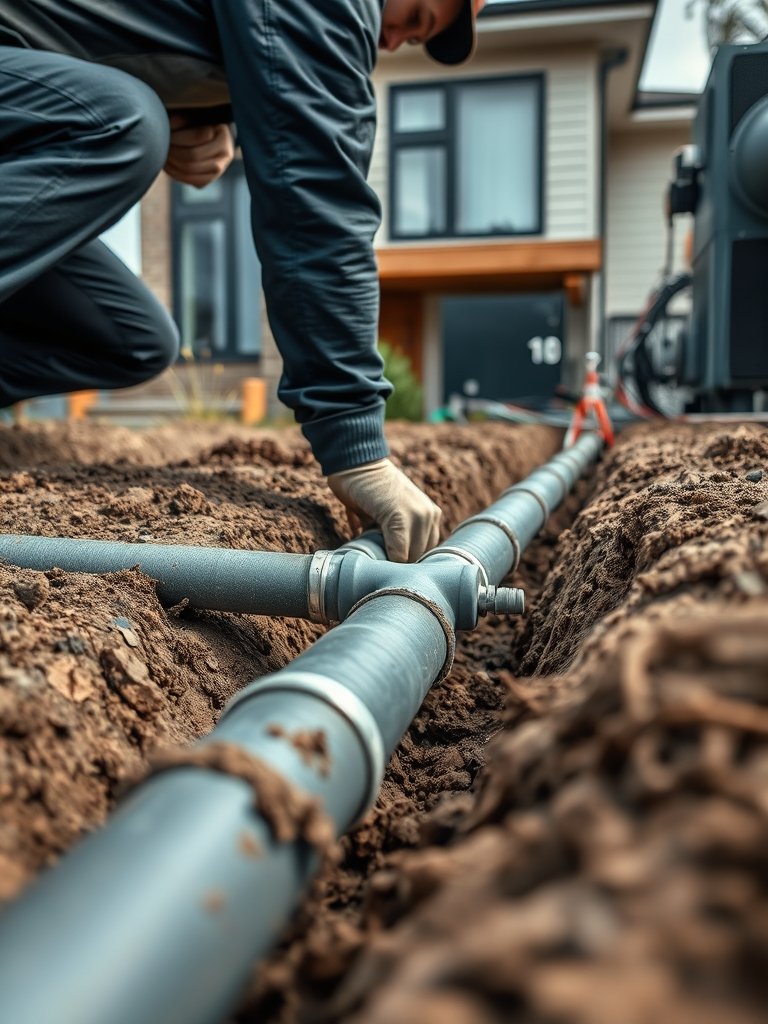
- Identify required loop/system type:
- horizontal loop: $20,000–$50,000+
- Vertical loop: $25,000–$80,000+
- Pond/lake loop: $25,000–$45,000+
- Open loop (well water): $15,000–$35,000+
The right option depends on your yard size, topography, and local groundwater conditions.
- Factor in site prep, soil, and contingency:
Land modifications and site access often add $5,000–$15,000. Rocky or wet soils or small/complex lots can make vertical drilling mandatory, pushing costs higher. Allow a 10–20% contingency in your budget. - Stack incentives:
- Federal: 30% Residential Clean Energy Credit (Section 25D of the tax code)—on gross cost, not net
- HEEHRA: Up to $8,000 for low- to moderate-income households
- HOMES: $2,000–$8,000 based on measured energy savings
- Utility rebates: $500–$2,500 (varies by provider)
- Third-party ownership (PPA/lease): Contractor may pass through the 30% ITC to you via lower up-front cost
- Run net cost and ROI scenarios:
Typical stacking brings the net geothermal heat pump residential cost down to $9,000–$20,000. For most homes, energy bill savings deliver a payback within 8–15 years, with 20+ years of further operating cost reduction after that. - Vet local contractors and demand itemized, apples-to-apples bids:
Require a paid site survey, loop design rationale, drilling subcontractor experience, warranty terms (ground loop vs. indoor unit), and clear breakdown of how incentives are applied. (For related complex installs, see ADU Garage Conversion Guide).
For further savings strategies aimed at large home retrofits, blending technologies (like pairing geothermal with home battery backup or solar panels), or complex site upgrades, see additional detailed guides across our blog.
Advanced analysis & common pitfalls for geothermal system buyers
Even savvy homeowners encounter hard-to-predict challenges that impact the final geothermal heating and cooling system cost. Here’s a realistic breakdown of what to watch out for before you commit:
| Factor | How It Affects Cost | Typical Range (2026) | Pitfall |
|---|---|---|---|
| Soil/bedrock conditions | Poor drilling access, rocky/wet soils increase labor and equipment cost, may force vertical drilling | +$5,000–$25,000 | Bid surprises and contingency under-budgeting |
| Loop type | Vertical is 25–50% more costly than horizontal; pond/open loop needs stable water and local code approval | Horizontal: $20,000–$50,000+ Vertical: $25,000–$80,000+ Pond/open: $15,000–$45,000+ | Choosing wrong loop for property or permitting delays |
| Land size and layout | Small, fenced, or landscaped lots limit loop options; may require creative trenching/drilling | +$2,000–$10,000 | Unexpected landscape restoration costs |
| Contractor shortage | Limited local geothermal contractors or drilling crews increase wait times and labor markups | 5–20% markup or months-long delays | Rushed bids, less warranty support |
| Rebate stacking errors | Missed paperwork, ineligible contractors, or incentive sequencing mistakes | Loss of $5,000–$15,000 potential savings | Losing state rebate or overlapping with other programs |
| Mid-life indoor component replacement | Indoor unit needs replacement after ~20–25 years; loop lasts 50+ years | $5,000–$10,000 | Not budgeting for future HVAC upgrades |
| Annual/occasional service | Routine system checks, minor repairs, filter changes | $200–$1,500 every few years | Assuming geothermal is “zero maintenance” |
Other common homeowner complaints in 2026 include:
- Sticker shock—$20,000–$35,000 upfront is still a meaningful investment, even with stacked incentives
- Surrounding property disruption—trenches or drilling rigs can upend landscaping, driveways, or fencing
- Delayed ROI—energy bill improvements are reliable, but full payback takes 8–15 years unless you have extreme seasonal heating/cooling needs
- Rebate complexity—federal, state, utility, and HOMES/HEEHRA sequencing can be confusing without a contractor who handles paperwork
For more help cutting through complex renovation pricing, see our crawl space encapsulation cost guide, home EV charger installation guide, and comprehensive solar battery backup breakdown.
For a deep dive into stackable rebate programs that include heat pumps, see this external incentive walkthrough.
Conclusion
Your 2026 geothermal heat pump residential cost will likely fall between $20,000 and $35,000 before incentives, and about $9,000 to $20,000 after aggressive rebate stacking and tax credits. Site specifics and loop options are make-or-break price factors, so invest in a paid site survey and gather at least three apples-to-apples bids from experienced contractors. Stack your credits methodically and leave a 10–20% contingency fund to avoid surprises. Ready to move forward? Book your site feasibility assessment and run net ROI projections so you can decide with confidence whether to act now or wait for improved incentives or drilling technology.
FAQ: Geothermal Heat Pump Residential Cost in 2026
How long does a residential geothermal heat pump system last?
The ground loop usually lasts 50+ years, while indoor heat pump units typically last 20–25 years before needing major repair or replacement.
What’s the average net out-of-pocket with all 2026 incentives?
Typical homeowners pay $9,000–$20,000 after applying the 30% federal credit, plus any HEEHRA, HOMES, and utility rebates for which they qualify. Larger homes or complex sites may fall outside this range (Source).
What factors cause costs to go over budget?
The most common issues are rocky or wet soils (forcing expensive vertical drilling), underestimating land prep, contractor shortages, and mistakes with rebate paperwork or eligibility.
How does geothermal compare to air-source heat pumps or conventional HVAC?
Geothermal systems cost more upfront but deliver much lower operating costs, longer ground loop lifespan, and better efficiency in extreme climates. Conventional HVAC installs are cheaper at first, but require costlier maintenance and eventual replacement (~12–15 years), and do not offer the same long-term savings or federal rebates.
Can I finance a geothermal system and still get the 30% federal credit?
Yes. Many homeowners use low-interest loans or contractor-offered financing. The 30% federal credit applies to the gross installation price, whether paid upfront or with a loan.