

Garage floor epoxy coating cost is the #1 factor for homeowners deciding if they should use a DIY kit or hire professionals to transform their garage floor. If you own a 1, 2, or 3-car garage and want an upgrade that lasts, this guide breaks down exact 2026 prices, value comparisons, and issues most installers won’t tell you about.
Key Takeaways
- DIY garage floor epoxy kit costs average $1.75–$2.50 per square foot in 2026, while professional installs run $6–$9 per square foot (up to $10 in high-cost cities).
- Most costly mistakes and failures come down to poor prep or picking the wrong system for your region and needs.
- Professional polyaspartic systems (the premium choice) offer 15–20 year warranties but cost about 3–4 times more up front—often worth it for busy, high-wear garages.
- Quick summary — what to expect in 2026
- Cost breakdown by garage size (1–car, 2–car, 3–car)
- Regional and market drivers that change your quote
- DIY kits vs. Professional (value, risk, and when to pick which)
- Most common user complaints and failure modes (DIY)
- Most common complaints about professional services
- Comparing the best garage floor epoxy kits for 2026 (head-to-head)
- Hidden and unexpected costs homeowners overlook
- Lifespan, maintenance time, and 5+ year lifecycle cost comparison
- Real customer reviews & case-study takeaways (2026)
- Top 3 essential questions high-ranking pages miss
- How to get an accurate local quote — checklist & questions to ask
- Practical next steps & decision framework (DIY vs hire)
- FAQ
Quick summary — what to expect in 2026
Garage floor epoxy coating cost in 2026 is split clearly: DIY epoxy kits are about $1.75–$2.50 per square foot, while professional installation ranges from $6–$9 per square foot (up to $10 in some coastal urban markets, and as low as $5–$6 in the Midwest and South). For the typical 2-car garage, you’ll spend $800–$1,000 on a DIY solid-color kit, or $2,700–$4,500 to hire a pro (with polyaspartic upgrades ranging higher). This quick reality check helps determine if your budget matches your floor goals.
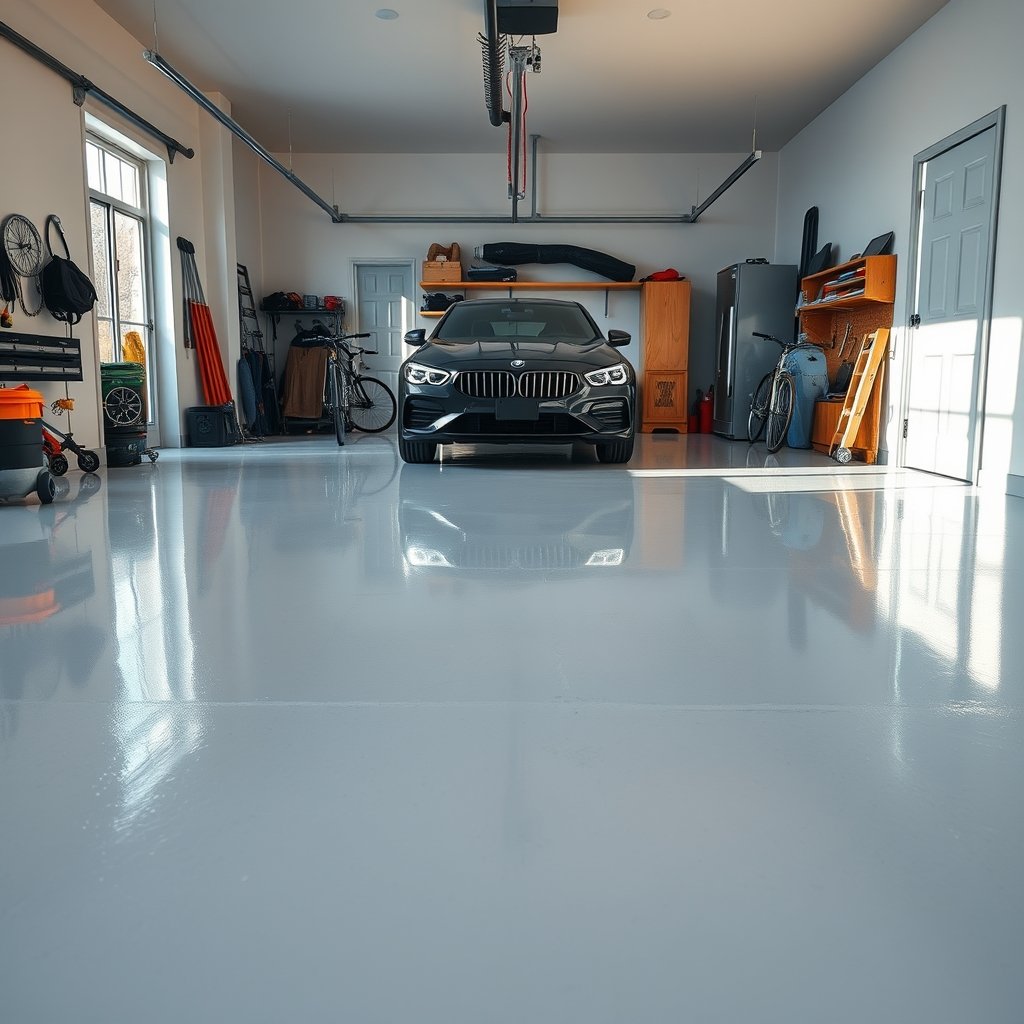
Cost breakdown by garage size (1–car, 2–car, 3–car)
Exact costs for garage floor epoxy coating depend on your garage’s size. Here’s what you’ll really pay in 2026, prep and all, for the three most common garages:
| Garage Size | Sq Ft | DIY Solid Kit | DIY Flake Kit | Professional Install |
|---|---|---|---|---|
| 1-Car | ~250 | $440–$550 | $550–$750 | $1,500–$2,250 |
| 2-Car | ~450 | $800–$1,000 | $990–$1,650 | $2,700–$4,500 |
| 3-Car | ~650 | $1,140–$1,430 | $1,430–$2,600 | $3,900–$5,850 |
DIY kits include all essential chemicals, but you’ll need to factor in tool costs and floor patches for older concrete. Pro jobs typically cover all surface repair, edge work, and sometimes even moving simple items out of the garage.
Regional and market drivers that change your quote
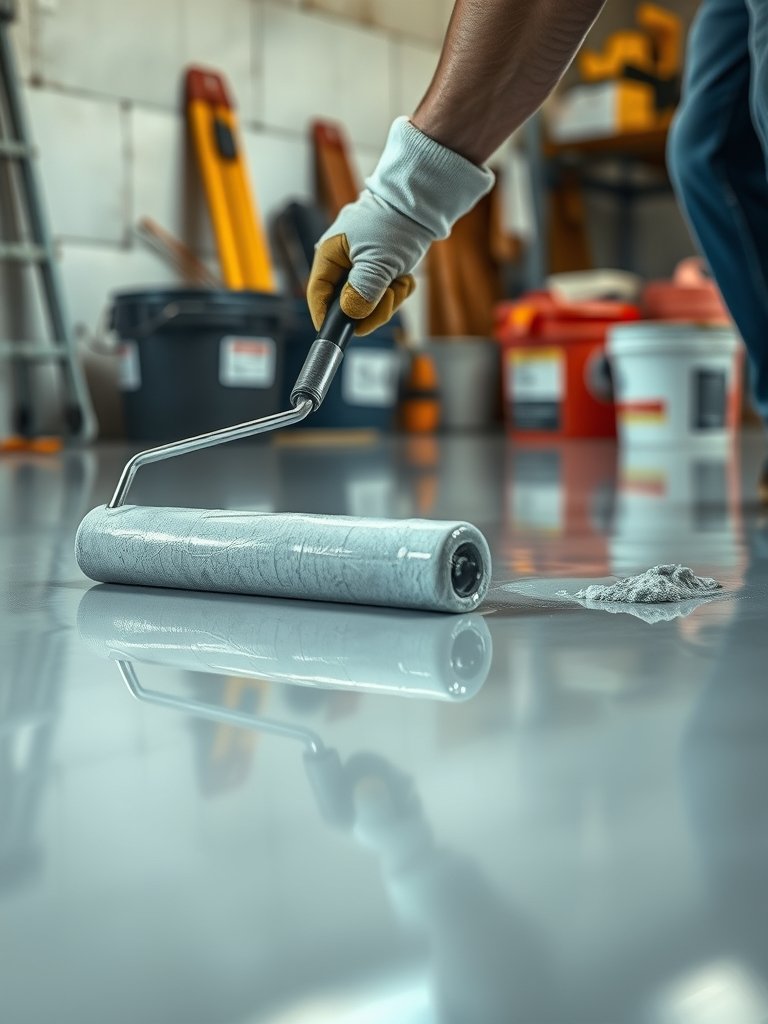
Your region, contractor type, and concrete condition all shift the real garage floor epoxy coating cost. For example, in metro areas on the West Coast and Northeast, franchise contractors price jobs at $6–$10 per square foot. In smaller cities and the Midwest/South, you’ll find a range as low as $5–$6 per square foot, especially with independent installers. The cost can rise quickly for older or damaged concrete that needs crack repairs, priming, or professional moisture barriers.
Want a high-performance system like polyurea or polyaspartic? Expect $8–$16 per square foot. These are the gold standard for heavy use and fast return-to-service.
DIY kits vs. Professional (value, risk, and when to pick which)
Should you buy the best garage floor epoxy kit 2026 and do it yourself, or pay a pro? Here’s a quick-use chart:
| Scenario | DIY Kit (Solid/Flake) | Professional/Polyaspartic |
|---|---|---|
| Budget Under $1,000 (2-Car) | ✔️ Best value for money | Not affordable |
| Floor in Good Condition | ✔️ Lasts 5+ years with care | ✔️ Extra durability |
| You Want 15+ Year Guarantee | Not Possible | ✔️ Polyaspartic/Pro |
| High UV/Salt/Tire Exposure | Risk of early wear | ✔️ Best protection |
| Have Surface Damage/Moisture | Risky if not addressed | ✔️ Pros handle repairs |
DIY kits let you save if you’re diligent about prep and don’t mind a fume-heavy weekend. Professionals use thicker coatings, two-part primers/sealers, and industrial equipment—especially for polyaspartic systems, which set in under a day and can last two decades.
Most common user complaints and failure modes (DIY)
The biggest reason homeowners regret DIY garage floor epoxy projects is skipping or rushing surface preparation. Here’s what trips up most DIYers:
- Poor degreasing or etching—coating peels or bubbles after winter.
- Inaccurate mixing—epoxy loses strength, peels in spots.
- Short pot-life—if you stop to answer a call, your batch hardens in the bucket.
- Odors & ventilation—epoxy smell lingers for days if you skip fans/masks.
- Inconsistent application—leaves thin spots, missed coverage, needs double product to fix.
- Flake clumps or poor adhesion if you rush the scattering step.
Source: Concrete Floor Supply (2026)
Most common complaints about professional services
Hiring a contractor doesn’t guarantee perfection. Common homeowner complaints about pro services:
- Sticker shock—base quote looks OK, but add-ons for cracks or moisture balloon final price.
- Workmanship—some “crews” rely on speed, skimming over concrete prep or primer, causing yellowing or delamination within a season.
- Cure time—epoxy installs often block your garage for 2–4 days (polyaspartic only 1 day, but pricier).
- Warranty confusion—some franchises offer “lifetime” coverage but carve out dozens of exclusions (hot tire pickup, winter salt, or power washing).
Learn more on Danshang: 2026 Guide.
Comparing the best garage floor epoxy kits for 2026 (head-to-head)
Here’s how the most popular and Rust-Oleum 2-Part Epoxy Shield garage floor epoxy kit 2026 options stack up:
| Brand/System | Durability | Warranty | UV Stability | Hot-Tire Resistance | Difficulty (DIY) | Best For |
|---|---|---|---|---|---|---|
| Rust-Oleum (Solid/Flake) | 5–10 years | 1–3 years (kit) | Yellowing possible | Moderate | Beginner Friendly | Budget, basic use |
| KILZ Epoxy Acrylic | 5–8 years | Up to 3 years | Yellowing possible | Moderate | Beginner | Quick projects |
| TurnKey Polyaspartic System | 15–20 years | 15–20 years | No yellowing | High | Experts/Pros | Best durability/performance |
DIY kits like Rust-Oleum and KILZ are a solid bet for budget projects or rentals. Polyaspartic systems (TurnKey Poly, franchise brands) cost more, but are almost bulletproof—ideal for families who use garages as home gyms, workshops, or park multiple vehicles year-round.
External research: Best Garage Floor Coatings 2026 – This Old House
Hidden and unexpected costs homeowners overlook
Coating your garage isn’t just about what comes in the kit. Factor in:
- Concrete repair & crack patching: $50–$300
- Diamond grinder or shot blaster rental: $60–$200/day
- Moisture testing: $30–$60 (crucial for old slabs)
- Primers or extra base coats: $40–$120 (improves adhesion)
- Tool rental (rollers, squeegees, spike shoes, PPE): $35–$80
- Warranty add-ons (pro jobs): $100–$400+ for “lifetime” coverage
- Blocked garage use for 1–3 days (budget for alternate parking or storage!)
For pro polyaspartic jobs, expect equipment costs (grinder, application gear) and surface-prep labor to represent 30–40% of your total cost, whether you go turnkey or piece it together yourself. For a related perspective on overlooked expenses and ways to optimize your garage investment, see our ADU garage conversion cost guide.
Lifespan, maintenance time, and 5+ year lifecycle cost comparison
Here’s how the numbers play out over time—assuming you want to avoid re-coating every few years:
- DIY epoxy: $800–$1,000 upfront for a 2-car, with a realistic 5–8 year lifespan if surface prep is done well. Most need patching or recoat at year 5–7.
- Pro “standard” epoxy: Around $2,700–$4,500 upfront, with 8–12 year average life; maintenance includes periodic cleaning, with patching at years 6–8 likely. Warranty often 5–10 years.
- Polyaspartic/pro/high-performance: $3,800–$6,000+ for a 2-car, 15–20 year true service life (often outlasts the car). Virtually zero patching, superior salt/hot tire/stain resistance. Warranty usually 15–20 years.
Annualized, DIY may look cheapest, but pro polyaspartic offers the lowest headache and maximum curb appeal per dollar if you intend to keep the house. If you’re debating which home upgrades pay off, compare lifecycle value to long-term projects like crawl space encapsulation or solar panel roof upgrades for a broader ROI perspective.
Real customer reviews & case-study takeaways (2026)
Homeowner reviews from 2026 surface a consistent pattern:
- DIY success: “Prep took two extra days, but my $900 Rust-Oleum kit still looks great after 4 years—big difference from my neighbor who skipped etching and had peeling spots within six months.”
- DIY failure: “We thought pressure washing was enough. The kit didn’t stick at all—lots of bubbling the first winter. Should have spent more time grinding.”
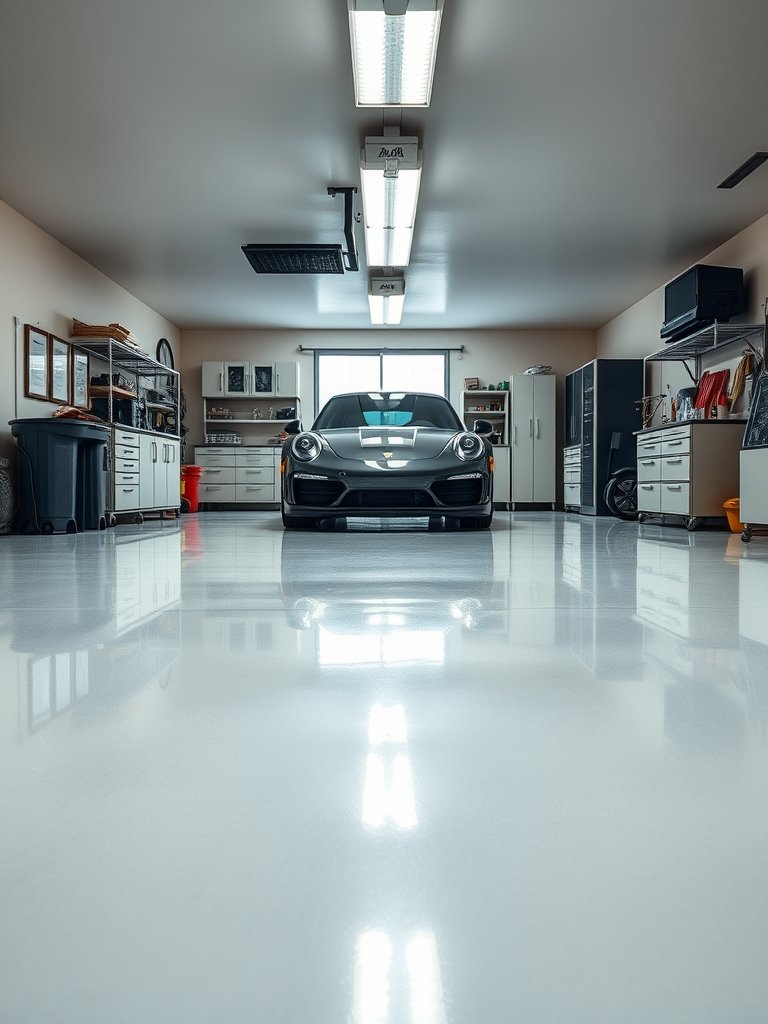
- Pro polyaspartic win: “Pricey, but our 3-car garage is five years in, zero yellowing, cleans up like new, and warranty work was fast when a section started to lift by the door.”
Research shows nearly all DIY failures trace to poor or incomplete surface prep—either oil/grease left in the slab or insufficient roughening. Pro jobs have dramatically fewer early failures, but satisfaction depends on finding a contractor who cares as much about prep as application. If you’re exploring major garage projects, also see our guides on deck composite material comparison or home office noise solutions.
Top 3 essential questions high-ranking pages miss
- How much will substrate damage or prep add to my quote? If your concrete has many cracks or prior coatings, prep/additional repair may double the originally quoted cost—plan $300–$1,200 extra for pro floor fixes.
- What’s the true 5–10 year total cost (upfront + maintenance + expected repairs) for each system? DIY projects often require partial recoating by year 5–7, while pro polyaspartic solutions can go two decades with only cleaning.
- What failure rates should I expect by installer type and slab condition? Studies and reviews show over 80% of rapid failures are prep-related. Franchise or new-contractor jobs have more errors than experienced local pros—ask about their surface preparation process and references.
How to get an accurate local quote — checklist & questions to ask
Before you buy a kit or book an installer, use this checklist to lock down apples-to-apples quotes:
- Perform a DIY moisture test—tape clear plastic to slab overnight and check for condensation.
- Ask every installer if they prepare using diamond grinding or just acid etching (grind is best for old or oily floors).
- Get labor and material itemization: crack repair, primer, main coats, topcoat, and flakes if desired.
- Request written warranty terms, including salt, hot tire, or UV exclusions.
- Ask about cure time (48 hours for epoxy, 24 hours or less for polyaspartic).
- Request proof of insurance and recent local references.
- For DIY: Read kit reviews carefully on issues like pot-life, odor, and coverage (many kits cover less than the box claims—oversize by 15–20%).
- Get 3–5 competitive quotes, and if possible, walk recent jobs completed by the contractor when making your decision.
This step alone can prevent half of all regret complaints. For other major project checklists, see our EV charger install guide.
Practical next steps & decision framework (DIY vs hire)
Ready to decide? Use this framework:
- Garage size: 1-car or 2-car fit DIY; 3-car, heavily used, or show garages favor pro/polyaspartic
- Budget: Under $1,000 (DIY solid/flake); $2,700–$4,500+ (pro epoxy); $3,800–$6,000+ (pro polyaspartic)
- Lifespan/looks: Want 15+ years, super durability, no yellowing? Go pro polyaspartic. If 5–7 years is fine and you enjoy the work, DIY is smart.
- Substrate: Rough shape, old stains, persistent damp? Go professional or plan to invest heavily in prep tools and time.
- Climate: Harsh winters, heavy salt, sun exposure? Polyaspartic is king. Mild climates can get by with classic kits.
Best picks: For 2026, the best garage floor epoxy kit for value remains Rust-Oleum 2-Part Epoxy Shield for solid color, or KILZ Epoxy Acrylic if you want a faster install. Best overall long-term: professionally installed TurnKey Polyaspartic or regional equivalents.
Garage floor epoxy coating cost
Take action: Get a free quote from a trusted local pro and compare against your full DIY budget—tools, time, and materials—for peace of mind and floors that last.
FAQ
Is DIY garage floor epoxy really worth it for a typical homeowner?
Yes—if you carefully do prep and pick the right kit for your climate, you can save thousands. But shortcuts almost always lead to peeling or bubbling, and most DIYers underestimate the time required for surface cleaning and grinding. If your floor is in rough shape, pro install is often cheaper over 10 years.
How long before I can park on a new epoxy or polyaspartic-coated garage floor?
With classic epoxy, it’s usually 48–72 hours before you can park a car. With polyaspartic pro installs, most garages are ready for full use in about 24 hours. Always ask your contractor for specifics, as cure times vary.
What is hot-tire pickup, and do all coatings resist it?
Hot-tire pickup happens when warm tires soften the coating, causing rubber to bond and pull up chunks as you drive away. Basic epoxy kits are prone to this, especially in summer. Top-tier pro polyaspartic and newer high-solids epoxies resist it best.
Is polyaspartic really that much better than epoxy for residential garages?
Yes, in most cases. Polyaspartic coatings are more UV stable, dry faster, and resist hot tire marks, road salt, and spills better than standard epoxy. That’s why pros recommend it for garages exposed to heavy use, sun, or snow.
Can I add flakes or a custom color design to a DIY epoxy garage floor kit?
Yes. Most kits include decorative flakes, and you can customize the amount or buy larger flake packs online. Just work quickly—flake application must happen while the base coat is still tacky for best adhesion.