

Solar panel battery backup isn’t just a buzzword: more Americans are now running the numbers as outages and rates spike, with real questions about cost, payback, and tradeoffs. If you want precise, actionable guidance that strips away false promises, you’re in the right place. This guide delivers hard data and concrete advice for deciding if battery backup fits your home or commercial site, what you’ll pay, how fast it pays off, and the gotchas brands gloss over.
Key Takeaways
- Residential solar panel battery backup adoption soared in 2025, with about 1.6 million US homes now equipped—a growth rate of 18–20% per year.
- Total ownership cost for a typical 13.5 kWh system runs $14,000–$17,000 pre-incentive, but the 30% federal ITC plus top state rebates reduce net spend to $6,000–$12,000.
- The biggest pain points: unexpected delays from permitting, supply, and utility approval; battery degradation risk; and unclear payback unless you model local rates and all incentives.
- Why Solar Panel Battery Backup Matters Now
- Step-by-Step Guide: Evaluating and Implementing Battery Backup
- Advanced Analysis & Common Pitfalls
- Conclusion & Next Steps
- FAQs
Why Solar Panel Battery Backup Matters Now
The last two years have seen adoption of solar panel battery backup systems accelerate dramatically. Stimulated by falling hardware costs, the 30% federal Investment Tax Credit through 2032, and a wave of generous state incentives, more US homeowners and businesses are installing batteries for resiliency and bill management. In 2025 alone, residential battery installs grew 18–20%, reaching around 1.6 million homes. The commercial sector saw a 12% boost and added 2.3 GW new storage. This trend reflects surging demand not just in states like California, New York, Massachusetts, Texas, and Arizona, but wherever storms, wildfires, grid failures, or electricity rates threaten household or business dependability.

But purchasing a battery system is complex—every incentive, installation, and usage case is different. Below, you’ll get a transparent look at ROI, real costs, payback timelines, and the pitfalls most buyers miss. No sugarcoating—just actionable numbers.
Step-by-Step Guide: Evaluating and Implementing Battery Backup
1. Assess Your Outage Risk & Utility Rate Situation
Start with objective needs: How often do you lose power? Do local rates include demand charges, time-of-use pricing, or potential blackout threats? If you’re in California, Texas, or New York, outages and expensive peak rates are already the new normal. Ask neighbors and review utility data to size your true risk or cost potential.
2. Size Your System Realistically
Market data shows that the typical modern residential solar battery backup system is 10 to 13.5 kWh system—enough to run basic lights, outlets, fridge, internet, and some cooling for several hours (not days). Crowdsourced cost data from EnergySage shows average installed costs (pre-incentive) for 13.5 kWh systems:
- Hardware: $1,000–$1,300/kWh (so $13,500–$17,550 for 13.5 kWh)
- Installation & Soft Costs: Add 20–25% over hardware
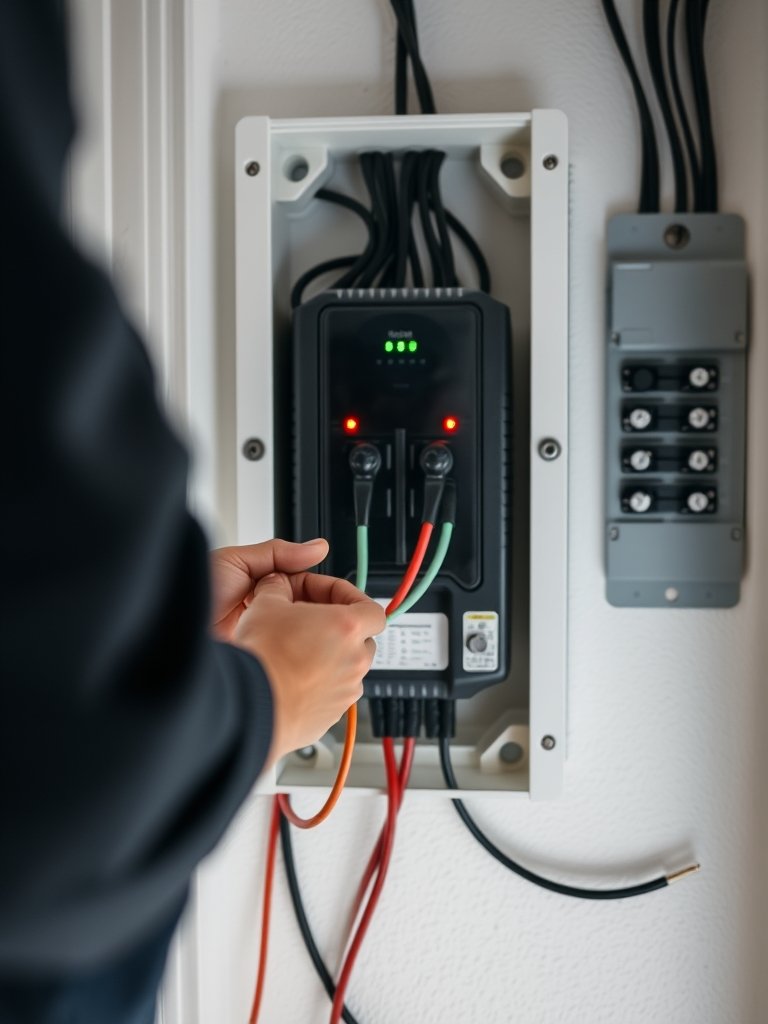
This means, before incentives, expect total installed costs of $14,000–$17,000 for a typical home backup system.
3. Add Up All Incentives and Rebates
Incentive stacking is where the real savings are. The federal 30% ITC applies to both solar and batteries, whether paired or standalone. States like California, NY, MA, TX, and AZ offer rebates ranging from $2,500 to $10,000, depending on system size, income, or grid value. For example:
- California (SGIP): $150–$1,000/kWh [see real-world SGIP scenarios]
- New York (NYSERDA): Up to $5,000
- Massachusetts (SMART): Up to $5,000
- Texas: Utility rebates to $2,500
Stacking federal and state/utility programs can drop your net cash outlay to $6,000–$12,000, sometimes less for low-income or critical-need users.
4. Decide on Financing: Loan, Cash, Lease, or PPA?
Most buyers take out energy-specific loans or re-amortize home equity (low-rate HELOCs are common in 2026). Typical payback for solar + battery systems is 8–12 years, with high-rate states (CA, NY, MA) edging under 9 years, thanks to rate relief and incentive stacks. For many, battery-only payback is longer and hinges on outage costs avoided or value as “insurance” rather than pure ROI. Carefully estimate if you’re eligible for all relevant rebates upfront before signing.
5. Vet Installers and Check Local Permit/Utility Interconnection Rules
Permitting, supply shortages, and utility approval remain the most frequent pitfalls—demand documented “turnkey” quotes, double-check warranty registration, and review timelines before deposits. You’ll find more details on this in our full home backup guide.
Advanced Analysis & Common Pitfalls
Common Buyer Pitfalls and How to Avoid Them
- Pitfall 1: Delays — Most projects in 2025–2026 encounter delays, often from supply chain hiccups, permitting backlogs, or utility paperwork (sometimes 1–4 extra months, especially in California).
- Pitfall 2: battery degradation risk — Lithium-ion batteries lose capacity over time. Expect 20%+ capacity loss by year 10 for many models. Model replacement cost (or future value).
- Pitfall 3: Warranty Confusion — Most “10-year” warranties are prorated or capacity-based. Many only cover retained 60–70% capacity at year 10, not outright replacement. Always ask for the degradation curve and exclusions in writing.
- Pitfall 4: Misunderstood Outage Coverage — Batteries sized for “Full home backup” backup are very expensive. Most users only backup critical loads for several hours, not days. Oversizing is a costly mistake; optimize for key circuits first.
- Pitfall 5: System Compatibility and Upgrade Paths — Hybrid inverters and future battery expansion often cost more if not planned for up front. Don’t assume any battery can simply “plug in” to legacy panels or inverters.
- Pitfall 6: Neglected Maintenance and Monitoring — Annual maintenance costs are low (1–2% of installed system price), but not zero. Ignore monitoring and you may void warranty or miss degradation until too late.
State Cost Comparison Table (Top 5 Solar—Friendly States)
| State | Avg Installed Cost Before Incentives | Common Rebates | Final Cost After Incentives | Popular System Size |
|---|---|---|---|---|
| California | $14,486 | SGIP: $150–$1,000/kWh | $7,000–$12,000 | 13.5 kWh |
| New York | $15,600 | NYSERDA: up to $5,000 | $8,000–$12,000 | 13.5 kWh |
| Massachusetts | $15,400 | SMART: up to $5,000 | $8,500–$12,500 | 13.5 kWh |
| Texas | $13,800 | Utility: up to $2,500 | $6,500–$10,000 | 13.5 kWh |
| Arizona | $13,784 | Utility/State: varies | $7,000–$11,000 | 13.5 kWh |
For deeper info on home solar project cost variables, check our guide on solar panel roof installation cost. If looking to secure battery backup without solar or plan a whole home battery backup system, see our expanded breakdowns. Also, commercial buyers will find state rebate data detailed at Solar.com’s incentives roundup.
Comparing Brands/Models and Warranty Terms
- Tesla Powerwall 3 and Enphase IQ Battery lead the market for reliability, seamless inverter integration, and installer ecosystem support.
- Compare warranty coverage—SunPower, Enphase, and Generac all offer 10 years, but nuances matter. Look for at least 60–70% retained capacity at year 10 and specific cycle/discharge limits documented.
- Never assume every “13.5 kWh” is equally usable—round-trip efficiency and usable (not nominal) kWh both matter. See recent buyer reviews on EcoWatch for up-to-date user satisfaction data.

Conclusion & Next Steps
Solar panel battery backup makes the most sense when you approach it as a strategic investment—not a retail gadget. The upfront price can sting, but with federal ITC and aggressive state incentives, many buyers are now landing under $12,000 net. Remember the fundamentals: model your real outage risk, ask installers to put degradation and warranty in writing, and always collect and stack every rebate you’re entitled to.
Ready to put the numbers to work for your project? Run a tailored TCO calculator before you commit, and always start your research with both local and national incentives. For a step-by-step guide and real pricing models, check our in-depth solar battery backup system home resource.
Solar panel battery backup is not one-size-fits-all, but with the right information, you can make a decision that fits your needs, your budget, and your risk tolerance. Demand transparency, and start with the numbers—not the promises.
FAQs
Do solar panel battery backup systems really work during grid outages?
Yes, if correctly installed with backup circuits and a qualified hybrid inverter, batteries will power specified loads during outages. Not all solar-only systems provide backup—batteries are required.
How long will a typical battery backup run my home?
A 13.5 kWh system will power critical loads for 8–24 hours, depending on usage. Full home backup for multiple days requires much larger (and costly) arrays rarely installed in standard homes.
How much does a solar battery backup cost after all rebates?
Most US homeowners now pay between $6,000 and $12,000 net after incentives, assuming a typical 13.5 kWh system and eligibility for both federal and state programs.
Is solar battery backup worth the cost?
If you have frequent outages, high utility rates, or can capture top rebates, payback often lands in 8–12 years. For many, the “insurance” value and peace of mind in outage-prone areas are worth it regardless of pure financial ROI.
How fast can I expect installation and final approval?
Fast-track installs can be done in 1–3 months, but permitting and utility interconnection problems frequently add 1–4 months to project timelines, especially in high-demand states.