

Curbless shower conversion is one of the most practical upgrades for suburban homeowners planning a bathroom remodel, especially those prioritizing accessibility and longevity over trend-driven looks. But is the investment and complexity truly worth it? Let’s weigh actual costs, code obstacles, structural surprises, and hands-on maintenance so your decision is grounded in reality, not just inspiration.
Key Takeaways
- Curbless shower conversions offer aging-in-place accessibility but demand precise structural work, specialized waterproofing, and ongoing drain maintenance.
- Most projects cost $10,000 to $18,000 with labor making up 50-65% of the total, and timelines ranging from 3-4 weeks, sometimes doubling if hidden issues arise.
- Homeowners should scrutinize slope, waterproofing details, and local codes, and ask tough contractor questions before signing a contract.
- Why curbless shower conversions are trending now
- Quick answer: Typical cost bands and project timeframes
- Cost breakdown — labor, materials & customization (with examples)
- Most common homeowner pain points and how to avoid them
- Structural & plumbing complications in older homes — typical surprises and fixes
- Building codes, ADA requirements and waterproofing standards — what to check per locality
- Regional considerations (cost, permitting, material availability) — how to estimate for your market
- Long-term maintenance, durability and resale impact (what competitors usually skip)
- Top 3 gaps most competitor articles miss (and how this article will cover them)
- Latest 2024 design innovations and materials that improve form + function
- Decision checklist & contractor questions before you sign a quote
- Sample project timeline & sample budget (realistic example)
- CTA / Next steps for readers
- FAQ
Why curbless shower conversions are trending now
In 2024, the push for open, more accessible bathrooms has made curbless shower conversion one of the fastest-growing choices for remodelers. About 70% of designers say their clients now ask for zero-entry, curb-free showers—especially homeowners aged 45 to 70 seeking to age in place or appeal to future buyers. The demand now accounts for 12-15% of all remodel projects, double the share of just a few years ago (Custom Home; Houzz).
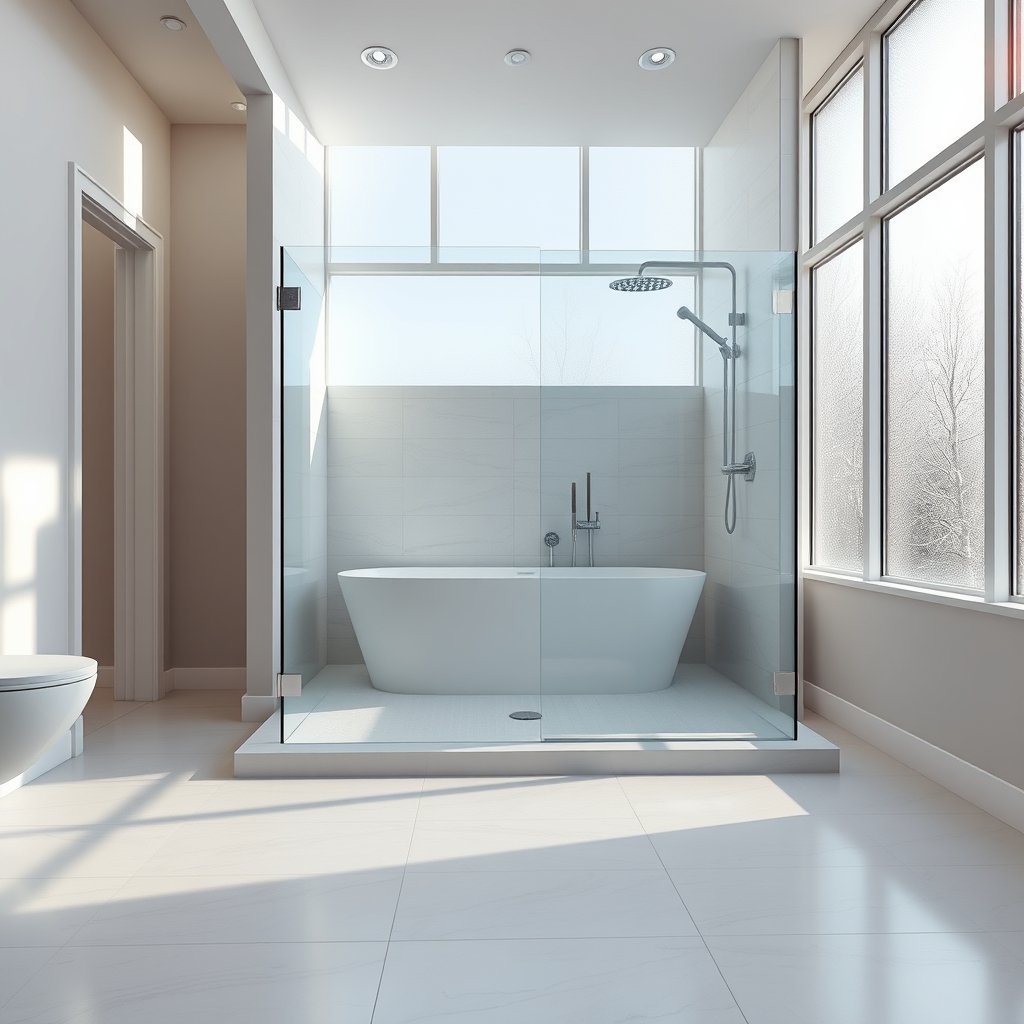
This shift is fueled by a desire for both accessibility features and designer looks. For homeowners with older properties, a curbless shower conversion is sometimes the only way to futureproof the home’s value and day-to-day usability—if you can stomach the structural challenges. AARP finds that 75% of adults 50+ want to remain in their homes, so accessibility features are now a true market expectation (source).
Quick answer: Typical cost bands and project timeframes
How much should you really budget for a walk-in curbless shower? Here’s what most suburban homeowners experience:
| Project Tier | Typical Cost | Timeline | Key Factors |
|---|---|---|---|
| Low | $5,000 – $7,000 | 2-3 weeks | Prefab pan, framed home, no plumbing changes |
| Mid-range | $8,000 – $12,000 | 3-4 weeks | Some custom tile, partial floor reframe |
| Premium/Custom | $15,000 – $20,000+ | 6-8 weeks | Full tile, slab cutting, plumbing reroute, premium enclosure |
Most walk-in curbless shower projects land between $10,000 and $18,000, with a typical timeline of three to four weeks—though about one quarter drag to six or eight weeks when hidden subfloor or drain nightmares surface (This Old House; Horizon Kitchen & Bath).
Cost breakdown — labor, materials & customization (with examples)
Your final cost for a curbless shower conversion is mostly split between labor and materials. According to USA Today and contractor surveys:
Labor
Materials
- Labor: 50–65% of your cost ($3,000–$6,000 prefab, $7,800–$19,500 custom tile)
- Materials (74% of homeowners cite as ‘major share’): premium tile, linear drains, waterproofing membrane, frameless glass, benches/niches
Customization jumps costs—frameless glass, built-in bench, or decorative nooks each add $500–$2,000 apiece. Prefab kits may cut labor but sacrifice high-end tile designs. Custom tile builds provide full control but cost and risk surge.
Most common homeowner pain points and how to avoid them
The top three headaches cited by both homeowners and contractors:
- Slope & pooling: If the 1/4” per foot floor pitch is off even slightly, you could see water pooling or leakage into adjacent spaces.
- Continuous waterproofing: Continuous, unbroken membranes—often not installed thoroughly—lead to massive repair costs if water breaches occur.
- Linear drain clogging: Walk-in curbless shower linear drains are notorious for clogs caused by hair and soap scum, requiring more frequent cleaning.
To avoid these failures:
- Insist on in-progress slope checks and water testing before tile is installed.
- Ask your installer for the brand, type, and warranty length for the waterproofing membrane. Get it in writing.
- Specify easy-access linear drain covers and request a demonstration of cleaning before signing off.
Structural & plumbing complications in older homes — typical surprises and fixes
If your home was built before 1980, expect surprises:
- Raised wood joist subfloors: May need engineered “sleepers” or partial reframing to drop the shower floor flush.
- Historic plaster or concrete slab: Cutting slab for drain relocation adds 2-4 days and $2,000–$5,000+ in costs vs. basic conversions.
- Drain stacking: Older homes may have stacked plumbing or vent runs right under the tub, complicating reroute.
Mitigation tips:
- Request an in-person bi-level subfloor inspection before bid.
- Ask about prefab curbless pans if slab cutting would blow your budget (See our wet room conversion cost guide).
- Pad your contingency fund by 20% if your home is older than 40 years.
Building codes, ADA requirements and waterproofing standards — what to check per locality
Permitting headaches? Know these before you sign:
- Permit triggers: Any subfloor, structural, or drain move almost always triggers inspection. DIY jobs often get red-tagged at appraisal/sale.
- ADA minimums & accessible design: Review local code for minimum shower opening width, turning radius, and the requirement for blocking/grab bar reinforcements. Multi-family buildings may ban curbless installs outright (source).
- Waterproofing standard: Full-membrane (sheet or liquid-applied) under entire shower plus upstand at wall is now expected.
If local code is unclear about walk-in curbless shower requirements or waterproofing, pull in an engineer or certified accessibility specialist—better a $350 consult than a $10,000 redo.
Regional considerations (cost, permitting, material availability) — how to estimate for your market
Not all costs are created equal. Here’s what varies regionally for a curbless shower conversion:
- Labor rates: Urban/suburban labor can be double rural markets; check 50-65% labor splits.
- Permitting strictness: Some areas require two inspections (structure and waterproofing), while others don’t inspect at all.
- Material pricing: Shipping on specialty tile, curbless pans or drains can swing your budget by $1,000+.
- Framed homes vs. slabs: Slab markets (e.g. Texas, California) face higher costs for drain moves or floor modifications.
To localize your estimate instantly, ask three contractors for an all-in bid with a line for “contingency for slab/subfloor work” and clarify if permit and inspection costs are covered (see our aging in place remodel guide).
Long-term maintenance, durability and resale impact (what competitors usually skip)
This is the rarely-addressed section in most walk-in curbless shower articles—the reality of ongoing work and ROI:
- Maintenance: Linear drains must be cleaned at least monthly. Expect to pull up the cover and remove hair/soap debris. Annual grout and membrane inspection is a must—budget for $100–$200/year for routine upkeep.
- Durability: Installations with proper waterproofing and slope can last decades. Skimp on these and repairs could run thousands.
- Resale: For buyers 50+, a curbless shower is a major selling feature, and including it at the initial remodel is much lower cost than trying to retrofit later, according to AARP and market analytics (Howard Hanna).
Top 3 gaps most competitor articles miss (and how this article will cover them)
- Ongoing Maintenance Protocols: Most guides skip detail on drain clearing frequency and grout/membrane checks. We give you a checklist below.
- Resale & Buyer Expectations: Few articles show how accessibility features like curbless showers are now “must-have” for 45+ buyers.
- Accessibility Nuance: We break down zero-threshold vs roll-in options and exactly how to specify grab bar blocking and placement.
Latest 2024 design innovations and materials that improve form + function
The best walk-in curbless shower projects in 2024 blend practicality, durability, and looks:
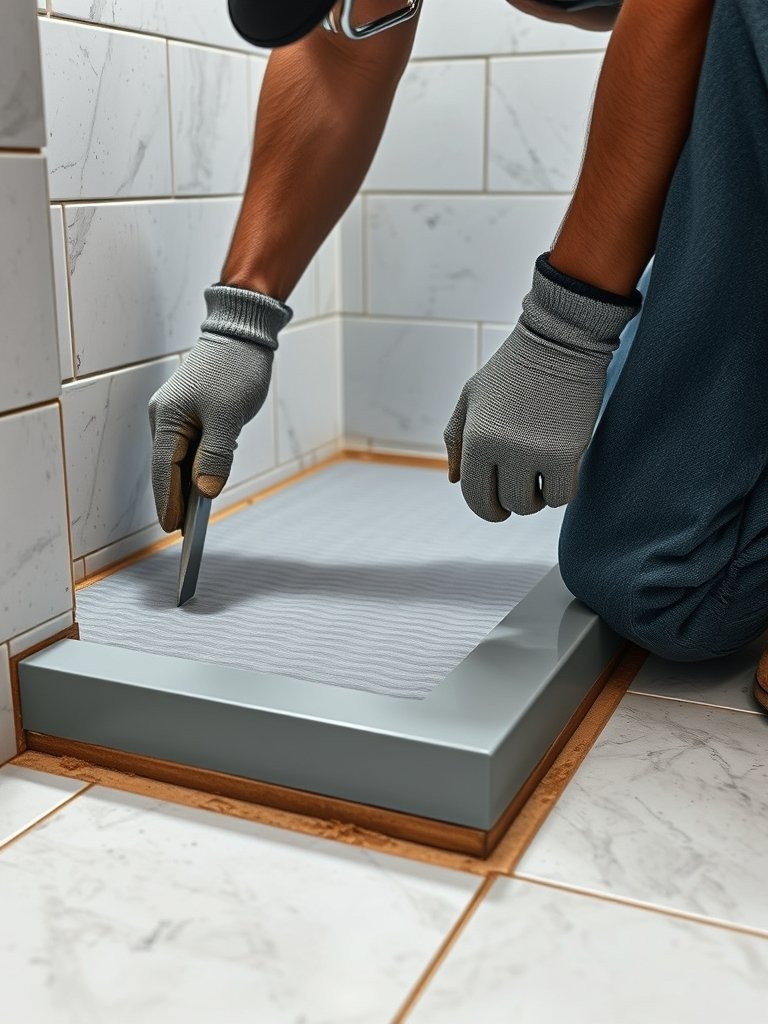
- Advanced waterproofing membranes: New liquid and sheet membranes outlast old-school tar felt by decades. Brands like Schluter or Wedi command up to 15-year warranties.
- Improved linear drains: Basket-style catchers and removable covers simplify maintenance without sacrificing style.
- Preformed curbless pans: These fiberglass or composite units prevent slope screw-ups and cut hours of labor off the build—especially on slab homes.
- Large-format, slip-resistant tiles: Fewer grout lines mean less cleaning and a cleaner look, but always check for slip-resistance specs.
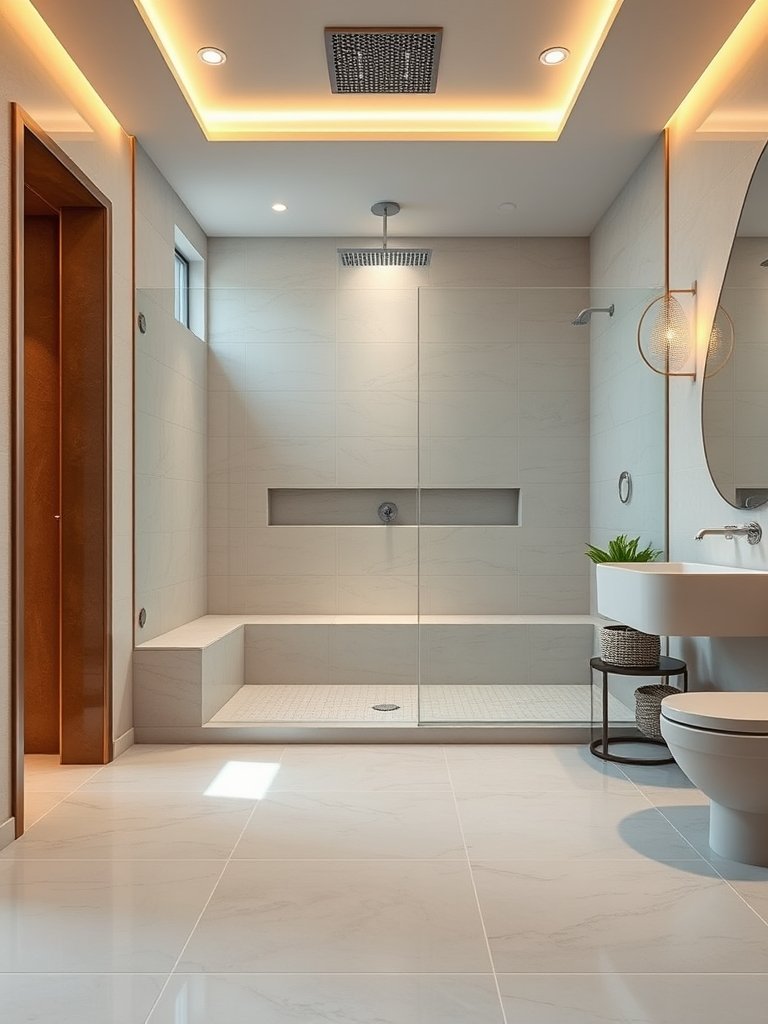
- Frameless glass & built-in benches: Modern encloses let natural light flow while fixed benches add comfort and future flexibility.
Decision checklist & contractor questions before you sign a quote
Before you green-light a curbless shower conversion, confirm every bid includes:
- Slope tolerance (+/- 1/8”), specified in writing
- Waterproofing membrane brand, method, and coverage area
- Drain brand, type (linear or center), and location diagram
- Glass enclosure specs (if applicable)
- Finish schedule, including inspection checkpoints
- Contingency line item for slab/subfloor surprises
- Warranty length on labor and waterproofing coverage
- Permit scope and all inspection fees listed
Download a one-page printable contractor question checklist (PDF).
For more hiring and vetting strategies, review Premier Home Pros: 7 Best Ways to Ensure a Flawless Remodel.
Sample project timeline & sample budget (realistic example)
For a believable walk-in curbless shower conversion in a suburban home with minimal subfloor work:
| Project Phase | Typical Duration | Notes |
|---|---|---|
| Demo & Subfloor Inspection | 2 days | Check joist height, slab/wood floor |
| Plumbing & Drain Rework | 2 days | May need extra for concrete |
| Framing & Slope Pre-check | 1-2 days | Must check for ADA specs |
| Waterproofing Membrane Install | 1-2 days | Full-floor with upturn at walls |
| Tile & Finish Work | 6 days | Large format tile for fewer grout lines |
| Glass Enclosure & Final Inspect | 1-2 days | Schedule with inspector |
Budget Example (Mid-range):
- Labor: $8,000 (58%)
- Materials: $5,000 (premium tile, drain, waterproofing, glass)
- Customization (benches, niche): $1,500
- Contingency (15%): $2,100
- Total: $16,600
CTA / Next steps for readers
Ready to move forward? Here’s how to make your curbless shower conversion a success:
- Get at least 2-3 local bids that break down labor, materials, optional upgrades, and list all potential inspection triggers.
- Request all warranties in writing and insist on explicit waterproofing details in your contract.
- Consider booking an aging-in-place consultation up front—retrofitting later costs far more than doing it now (AARP research).
- Download our printable checklist: Curbless Shower Contractor Questions PDF
For more options, see related guides on aging in place bathroom remodels, wet room conversions, or even garage conversion for ADUs.
Planning early, vetting contractors well, and understanding realistic trade-offs will maximize the rewards of your curbless shower conversion for years to come.
FAQ
Does a curbless shower conversion always require permits?
Almost always, especially if moving the drain, reframing subfloor, or changing plumbing. Skipping permits may cause failed appraisals or future legal headaches if you sell your home.
What’s the main reason curbless shower waterproofing fails?
Poor installation of the membrane—skipped corners, seams, or upstands—lets water bypass the protection, sometimes without being visible until significant damage occurs. Always specify membrane brand and warranty.
Is a linear drain required for a walk-in curbless shower?
No, but it’s preferred for aesthetic seamlessness. Center drains can work for small showers. Note that linear drains cost more and demand more frequent cleaning to avoid clogs.
How do curbless showers affect resale value?
They increase appeal for aging-in-place buyers and can set your home apart, especially in suburbs where accessibility is valued. Cost-to-value is highest when included at initial remodel, not retrofit.
Can I install a curbless shower in a concrete slab house?
Yes, but expect higher cost—slab cutting and drain relocation require specialized labor, and prefab pans can help reduce the mess and timeline.