

Exterior stone veneer DIY gives homeowners a clear path to high curb appeal and serious savings—if you know exactly where to spend and where to be careful. Many tackle this upgrade for the look, but the dollars make it truly worth your time. Here’s how to make every dollar (and hour) count and avoid mistakes that cost more in repairs than you save upfront.
Key Takeaways
- Most homeowners save $5–$10 per square foot with exterior stone veneer DIY—expect $4,500–$9,000 in labor savings on a typical 500-square-foot facade.
- Material prep (moisture barrier, backer board) and correct mortar/adhesive are critical for durability—skipping these steps is the #1 cause of failure.
- Faux stone veneer panels for exterior use have boomed due to easier install and lower cost, but confirming technical specs and warranty is essential for a lasting result.
- Why Choose Exterior Stone Veneer DIY?
- Step-by-Step Guide: Doing Your Own Stone Veneer Exterior
- Advanced Analysis & Common Pitfalls: What Most DIYers Get Wrong
- Conclusion: Is Exterior Stone Veneer DIY Right for You?
- FAQs: Exterior Stone Veneer DIY and Faux Stone Veneer Panels Exterior
Why Choose Exterior Stone Veneer DIY?
If you’re updating 200–800 square feet of exterior facade, the economics of doing it yourself are hard to ignore. With exterior stone veneer DIY, the typical homeowner in 2024 saves $5–$10 per square foot, translating to $4,500–$9,000 saved on a mid-size 500-square-foot project. That’s a 35%–45% cost reduction compared to professional labor, as highlighted in this source.
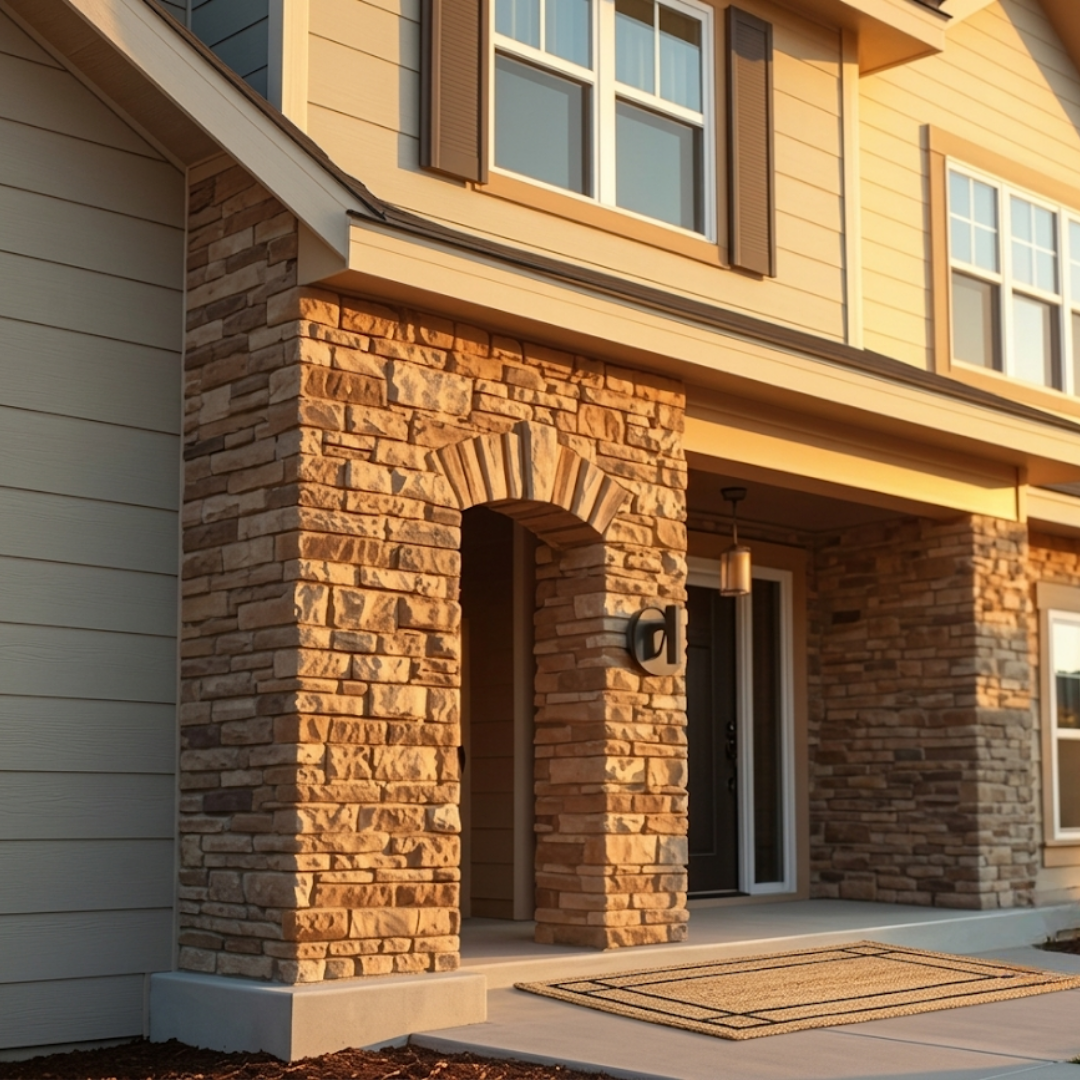
Faux stone veneer panels for exterior walls offer several practical perks: they’re lighter than natural stone, require less heavy-duty support, and snap or adhere in ways that make DIY feasible for anyone comfortable with power tools and basic masonry. When is DIY sensible? If your project is one or two stories high, under 800 square feet, with accessible surfaces (think accent walls, porch columns, or chimneys) and you’re prepared to follow technical directions to the letter. For load-bearing walls or complex multi-story installations, a pro is worth it to avoid costly remediation later.
Step-by-Step Guide: Doing Your Own Stone Veneer Exterior
Ready to tackle the job? Here’s how to approach exterior stone veneer DIY—practically, safely, and with your budget and home weatherproofing in mind.
- Assess and prep your surface. Remove old siding or loose paint; scrub clean of debris, oil, and dust. Check for visible cracks or rot—these must be addressed now.
- Apply a weather-resistant barrier. Use a code-approved moisture barrier (like Tyvek) behind all panels. Overlap seams at least 6 inches and tape edges securely. Install flashing at the base of the wall, around windows and doors.
- Install backer board and lath. For wood, sheathing, or drywall façades, screw cement backer board directly to studs. Apply metal lath over the backer board, fastened with corrosion-resistant screws or nails. On masonry, skip to the lath if the wall is clean and structurally sound.
- Set a weep screed at the bottom edge. This ensures drainage and prevents future moisture buildup behind the panels.
- Plan and dry-fit your layout. Lay out veneer panels on the ground, mixing from several boxes for a natural color blend. Pre-fit special pieces at corners and openings.
- Mix and apply mortar or adhesive. Use only manufacturer-recommended types (polymer-modified mortar or rated adhesive), mixing precisely to spec. Spread with a notched trowel, keeping layers consistent in thickness.
- Install panels and fasten securely. Press panels into the mortar, following spacing and staggering guidance. For faux stone veneer panels exterior, use the specified corrosion-resistant fasteners (screws or nails) in the recommended pattern and depth.
- Grout and finish joints. Fill joints with appropriate mortar or exterior caulk, packing well to prevent water intrusion. Tool joints neatly for a professional look.
- Seal and flash all penetrations. Use flexible flashing tape and high-grade caulk at windows, doors, and utility openings.
- Final inspection and cleaning. Check all seams for tight fit and flashing for gaps. Clean excess mortar/adhesive from the veneer faces once cured, not before.
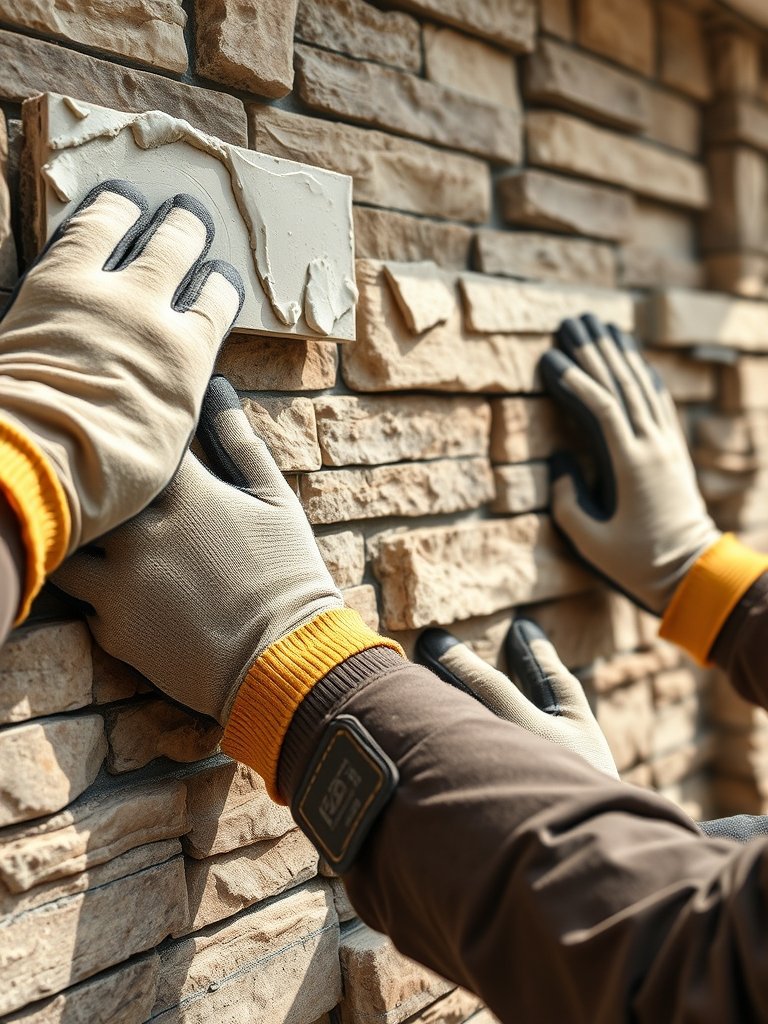
Budget Snapshot: A typical 250–500 sq ft DIY stone veneer job takes 25–40 labor hours (2–3 weekends for most intermediate DIYers). Expect to spend $6–$12 per sq ft total for materials and tools (vs. $15–$20+ per sq ft including pro labor), per cost research.
For a deeper cost breakdown, see our outdoor kitchen cost guide for more on complete exterior upgrades, or review our crawl space encapsulation savings if tackling multiple facades at once.
Advanced Analysis & Common Pitfalls: What Most DIYers Get Wrong
Even careful DIYers are prone to mistakes that can undo their hard work or result in costly fixes. Here’s what the data says about failure points and how you can avoid them.
| Common Mistake | Root Cause | Professional Solution | DIY Fix |
|---|---|---|---|
| Skipping continuous moisture barrier or backer board | Poor substrate prep; rushing the base layers | Install WRB, lath, and weep screed with overlap and flashing | Add missed barrier where exposed (may require panel removal); check for leaks after rain |
| Wrong mortar/adhesive choice or thin spread | Not following manufacturer’s mixing specs; using old product | Use only specified brands and strict water ratios; test adhesion after curing | Saw out poorly bonded panels and reapply; regrout or patch cracks ASAP |
| Incorrect fastening (nail size or spacing) | Improvising fasteners or skipping anchor length | Use corrosion-resistant fasteners and certified spacing pattern | Retrofit with extra screws or anchors as needed |
| Bad panel layout or joint gaps | Failing to dry-fit and mix colors; rushing | Alternate boxes for color; use panel spacers | Reinstall or fill with color-matched exterior caulk; touch up joints |
| Chipping/cutting errors around corners | Wrong blades or skipping templates | Use diamond-tipped saw; trace and dry-fit templates | Replace chipped panels; sand edges smooth if minor |
The research confirms manufactured panels are more vulnerable to chipping, cracking, or leaks, especially when improperly fastened or lacking proper flashing. Moisture intrusion from missed WRB or bad sealing leads to expensive water damage.
If you want a smoother ride, choose premium faux stone veneer panels exterior with longer warranty and certified freeze-thaw and UV ratings. Poor adhesion, color fade, and damage at corners are cited repeatedly in negative product reviews—don’t cut corners on prep or panel brand.
Need more maintenance tips? See our soundproofing wall guide for inspection checklists, and our garage floor epoxy tutorial for care after installation.
Conclusion: Is Exterior Stone Veneer DIY Right for You?
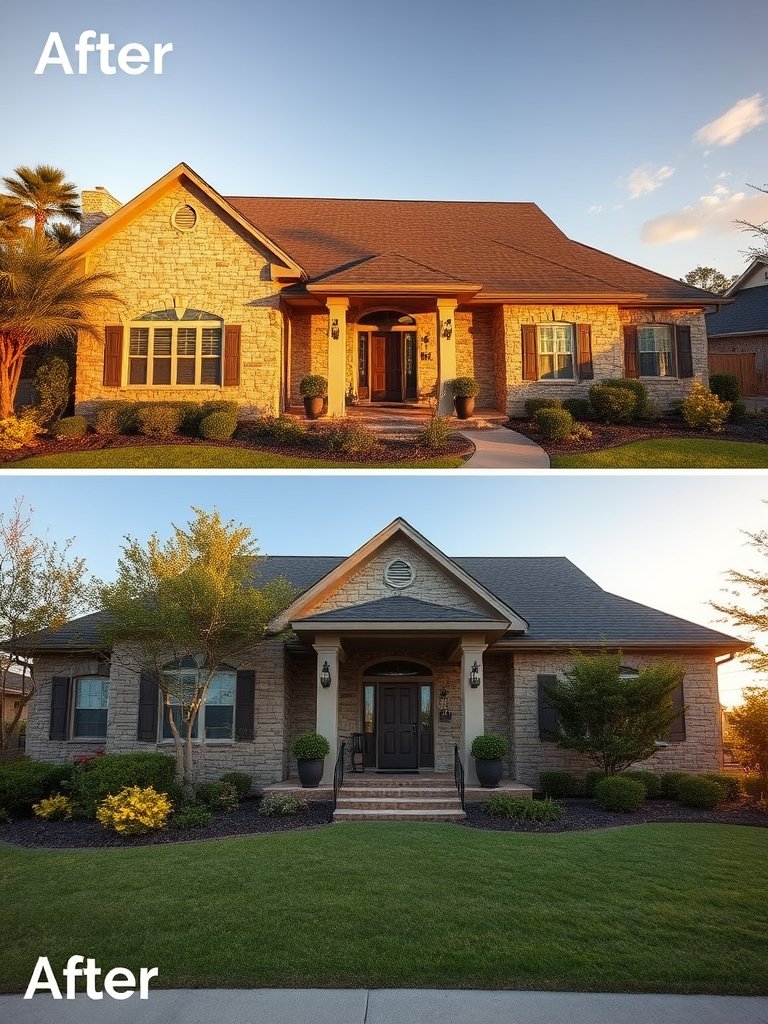
The savings with exterior stone veneer DIY are hard to beat: $5–$10 per sq ft off professional labor, a 35%–45% reduction for most projects. Success depends on honest self-assessment—if you’re detail-oriented, patient, and invested in proper substrate prep, you’ll see the best possible results and real durability. If any step seems daunting, or your walls are very high or complex, investing in a professional makes sense. Whichever route you choose, start by requesting product data sheets and warranty terms from your supplier, and make your budget worksheet before buying that first box of panels.
Ready to take the next step? Print out this guide, call your supplier for full technical specs, or consider booking a pro consult for a second opinion before you start your exterior stone veneer DIY project.
FAQs: Exterior Stone Veneer DIY and Faux Stone Veneer Panels Exterior
Can I install exterior stone veneer DIY over brick, stucco, or vinyl siding?
Direct install is risky. Always add cement board and WRB first, then metal lath for a stable base. Never apply over flexible or damaged substrates.
What’s the best season for installing faux stone veneer panels exterior?
Spring or fall—avoid freezing, wet, or extreme heat. Panels and mortar bond best at 50–80°F (10–27°C) with low humidity.
How do I patch chipped or cracked stone veneer panels?
Use color-matched exterior mortar or manufacturer’s patch kit for small chips. For larger cracks, replace the panel for best results.
Do faux stone veneer panels exterior require sealing for weatherproofing?
Some high-end panels come pre-sealed, but most need annual inspection and resealing, especially around joints and flashing, for maximum moisture protection.
Will installing stone veneer impact home resale value?
Quality installations boost curb appeal and resale, especially on visible facades. Poor installs or water damage have the opposite effect, so prep and technique matter.