

### Blog Post:
Home EV charger installation is quickly becoming a must-have upgrade for modern homeowners who drive electric vehicles. If you want safe, fast, and cost-efficient charging, understanding the process, costs, and potential pitfalls is essential. This guide breaks down everything you need to know in plain language.
Key Takeaways
- Most home EV charger installation projects cost between $800 and $3,200, but panel upgrades and complex wiring can drive total expenses above $5,000.
- Installation requires permits, a new 240V circuit, and careful electrician selection—don’t skip safety steps or discount price estimates.
- Common pain points include permit delays, poor contractor communication, and unexpected costs—always get multiple quotes and read local guides like EV charging incentives.
- 1. What is Home EV Charger Installation?
- 2. Step-by-Step Guide: Installing a Home EV Charger
- 3. Advanced Analysis & Common Pitfalls
- 4. Conclusion
- 5. FAQ
What is Home EV Charger Installation?
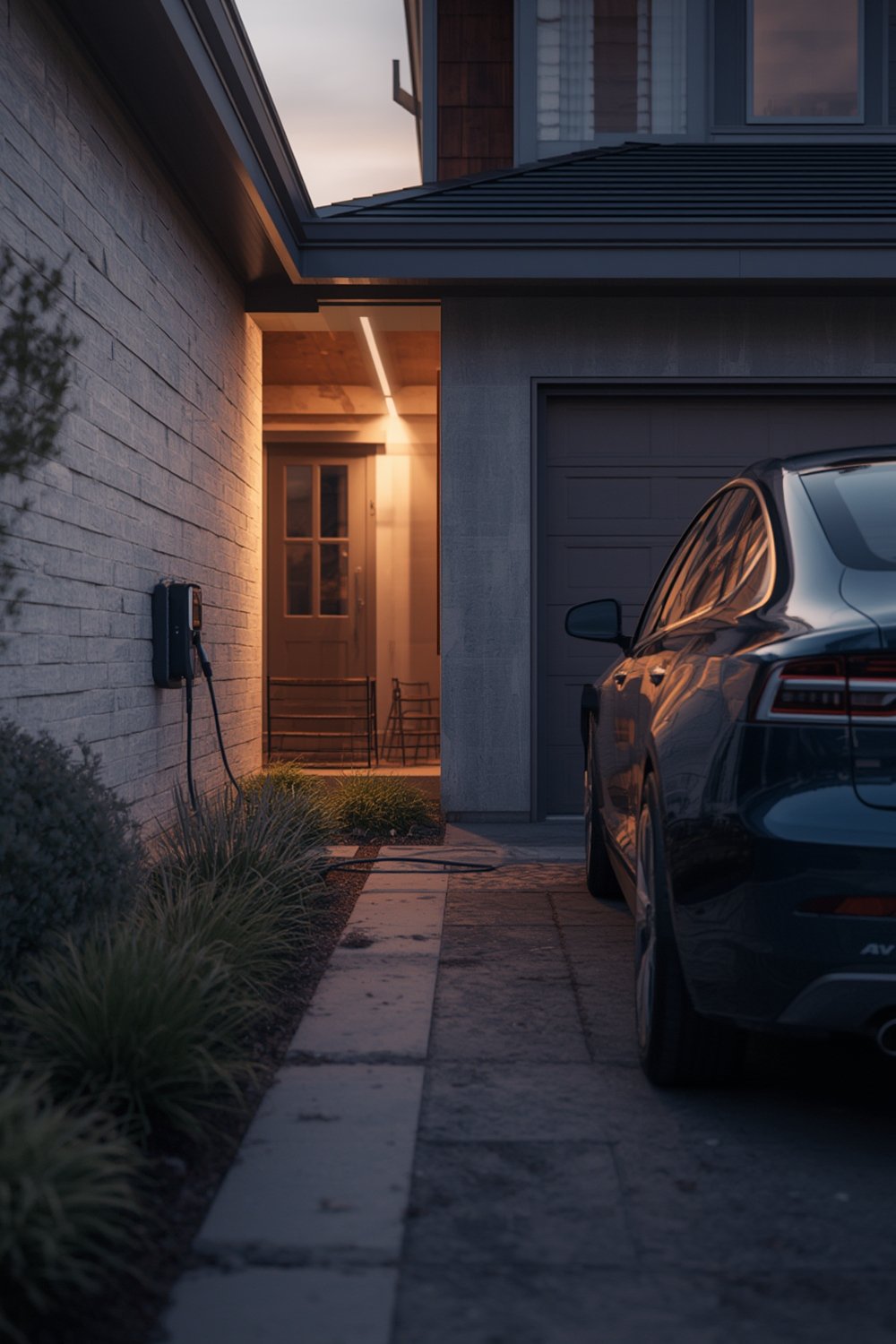
Installing a Level 2 charger at home turns your garage or driveway into a private EV fueling station. Unlike Level 1 chargers, which use standard 120V plugs and charge slowly, Level 2 systems use a dedicated 240V circuit for much faster charging. The right installation ensures daily driving without range anxiety, can increase property value, and future-proofs your home as more vehicles go electric. But the process involves electrical upgrades, city permits, and product choices that can surprise even the savviest homeowner.
Step-by-Step Guide: Installing a Home EV Charger
The home EV charger installation process can be broken down into clear, deliberate steps that balance safety, efficiency, and code compliance. Here’s how homeowners and electricians typically approach it:
- Choose Your Charger & Location
First, pick the charger that matches your EV model and power needs. Popular choices include the Tesla Wall Connector and Enel X JuiceBox (compare more in our best EV chargers guide). Place it near where you park, ensuring a short cable run from your main panel and an easy, weather-protected mounting spot. - Check Your Electrical Panel’s Capacity
Inspect your service panel. Level 2 chargers need a 240V circuit with at least a 40-amp dedicated breaker—some units require 50-60 amps. See our explanation of wiring requirements to judge if a panel upgrade is required. - Get Quotes from Licensed Electricians
Compare at least three bids (prices can vary 40-60 percent [source]). Each should include permits, estimated hours, parts, and potential panel upgrade costs. - Obtain Necessary Permits
Contact your local building department for an electrical permit (typically $50–$300, but as high as $283 in California [source]). Skipping the permit can risk fines and failed inspections later. - Complete Professional Installation
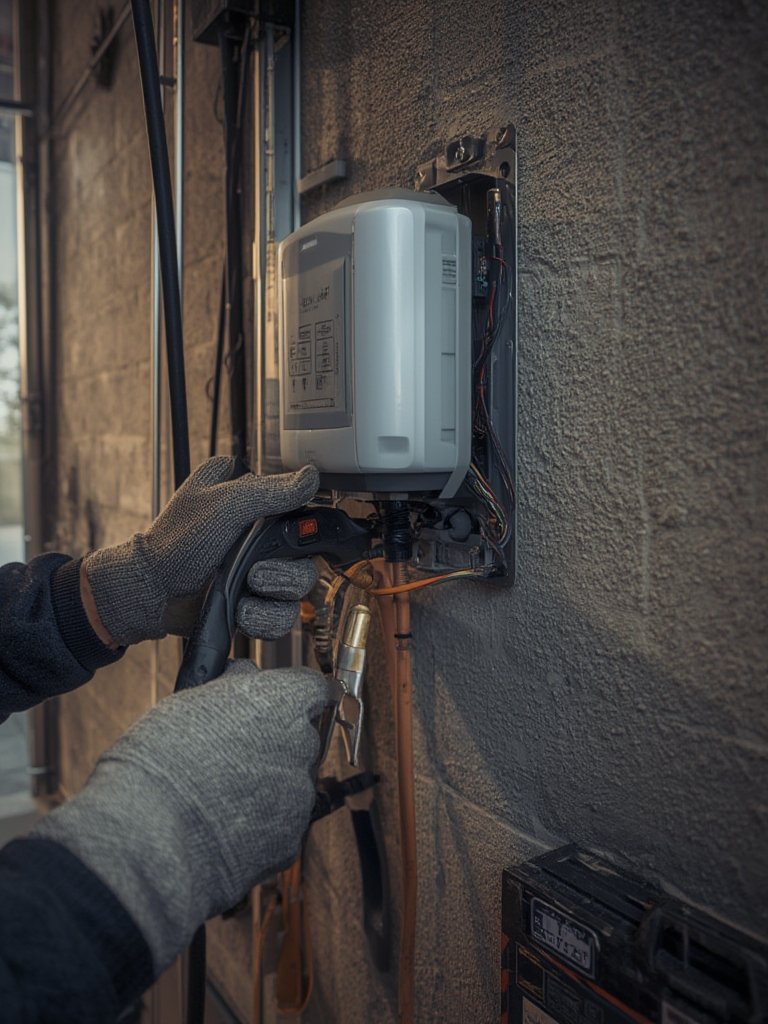
Your electrician installs a new double-pole breaker, runs copper wire to the charger location in conduit, and mounts either a hardwired unit or a NEMA 14-50 outlet. Always install a GFCI breaker if local code/federal code requires it for extra shock protection. - Schedule Final Inspection
An inspector checks the work for code compliance and safety. Don’t use the charger until you receive approval. - Set Up Smart Features
Connect the charger to WiFi if supported (for scheduling, usage monitoring, and software updates). Check for compatibility with solar or energy management systems for future savings.
Need a more detailed breakdown? Don’t miss our complete Level 2 charger install guide and our primer on electrical panel upgrades for EV chargers.
Advanced Analysis & Common Pitfalls
Installing a home EV charger is not always straightforward. Here’s what can go wrong—and how to avoid it:
- Permit Delays & Red Tape:
Local permitting can stretch your timeline from under a day to weeks. Complex jurisdictions (notably California and the Northeast) often require plan review, electrical load calculations, or even onsite meetings before work can begin. - Panel Upgrade Surprises:
Older homes often lack spare circuit capacity for a new 50-60 amp breaker. If a full upgrade is required, installation costs can soar ($1,500–$5,000+). Make sure your bid includes *all* possible extra work. - Code Violations & Failed Inspections:
DIY or rushed jobs may skip GFCI breakers or use undersized wire, resulting in failed inspections and complete redos. Cheap online “handyman” labor often misses important steps. - Contractor Quality Gaps:
Reviews show large swings in professionalism and neatness. Highly-rated companies can be booked weeks out or charge a premium, while bargain-basement quotes may not even include permits. See our guide to hiring an EV charger electrician for advice. - Hidden Costs:
Material price hikes, long cable runs (trenching or attic work), and surprise repairs (like outdated grounding or rodent-damaged wiring) can dramatically inflate the price.
| Common Problem | Impact on Cost | Region Most Affected |
|---|---|---|
| Permit delays | +$200–$1,000 (lost time, extra labor) | California, NYC |
| Panel upgrade needed | +$1,500–$5,000+ | Older suburbs nationwide |
| DIY/handyman install | Rework, failed inspection, possible insurance issues | All regions |
| Material price surges | +$50–$500 | West Coast, Northeast |
| No GFCI breaker | Failed inspection, $100–$200 fix | All regions |
For more real-world lessons, check homeowner experiences chronicled on review platforms and be sure to read our guide on EV charger permitting.
Conclusion
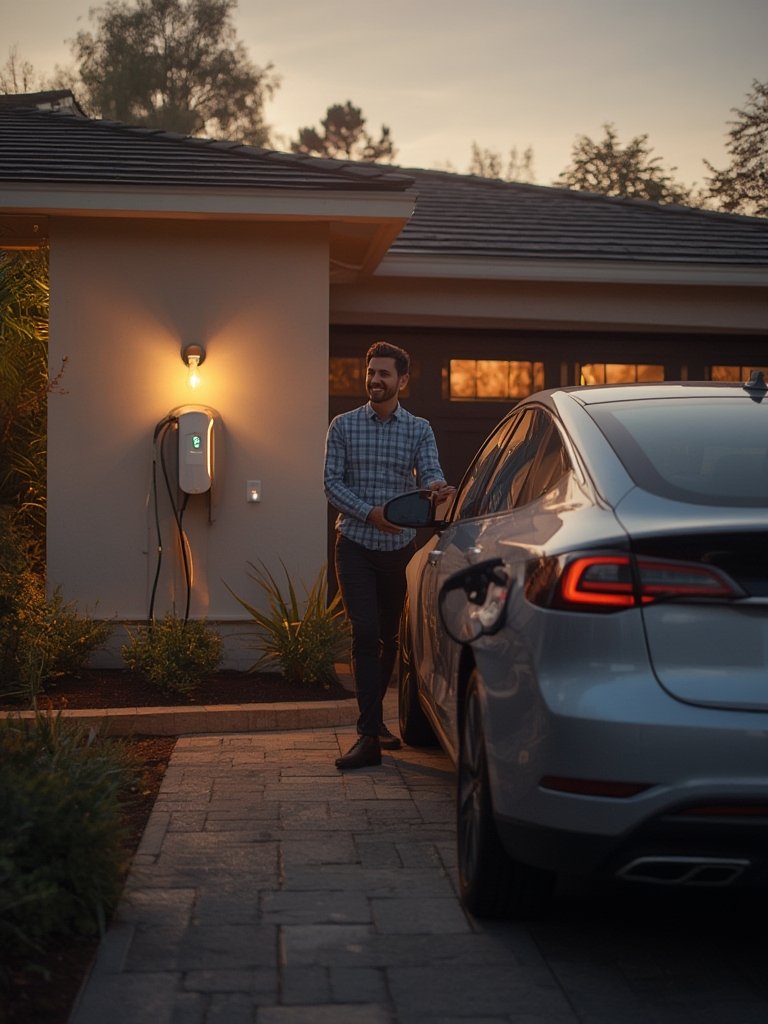
Home EV charger installation lets you enjoy reliable, fast charging every night—but only with a careful, code-compliant process. Costs vary by home, region, and electrical complexity, but most homeowners fall in the $1,200–$3,200 range unless a significant panel upgrade is required. Get at least three quotes, insist on permits and inspections, and use guides like ours and our home charger maintenance checklist to protect your investment. Take the smart route and ensure your home EV charger installation is hassle-free from start to finish.
Ready for your install? Compare top-rated electricians in your area, check local rebates, and explore our EV installation incentives to maximize your savings.
FAQ
How much does home EV charger installation cost in 2024?
Most U.S. homeowners pay between $800 and $3,200. Costs can be higher if your home’s electrical panel needs an upgrade or if complicated conduit runs are required. See national and regional averages from industry sources.
Do I need a permit for EV charger installation?
Yes, electrical permits are almost always required. These typically cost $50–$300 but are sometimes higher in areas like California. Never skip the permit—it protects you from insurance and safety issues down the line.
Can I use a regular outlet for Level 2 charging?
No, you need a dedicated 240V circuit. Level 2 chargers use either a direct wire connection or a NEMA 14-50 outlet. Installing this requires new wiring, a double-pole breaker, and proper inspection.
What’s the difference between hardwired and plug-in Level 2 chargers?
Plug-in chargers use a NEMA 14-50 outlet and can be removed easily, while hardwired units are permanently installed. For most homeowners, plug-in systems offer easier maintenance and flexibility, but hardwired setups may meet code requirements in certain regions.
How can I make sure I’m hiring a qualified electrician?
Always select a contractor who is licensed, has experience with EV charger installs, and can show proof of insurance. Read customer reviews wherever possible. For tips on screening, see our guide to hiring EV charger electricians.