

Aging in place bathroom remodel is a must-consider upgrade for anyone looking to make their home safe, comfortable, and functional for seniors or those with mobility challenges. Bathroom falls remain one of the leading causes of injury for older adults, and a well-planned remodel can mean the difference between independence and daily struggle. If you want to do this right, you need real-world tips, technical details, and a no-nonsense look at what works—and what doesn’t.
Key Takeaways
- Bathroom safety modifications like roll-in showers, grab bars, and non-slip floors are proven to cut senior fall risks—but many remodels fall short due to overlooked details or missing specs.
- Research and homeowner feedback remain limited, so smart planning and awareness of common pitfalls are essential before you start your aging in place bathroom remodel.
- Material choice and layout design can make or break long-term safety, comfort, and maintenance—good decisions here save dollars and hassle later.
- What is an Aging in Place Bathroom Remodel and Why Does it Matter?
- How to Plan and Execute an Aging in Place Bathroom Remodel: Step-by-Step Guide
- Advanced Analysis & Common Pitfalls
- Conclusion
- FAQ
What is an Aging in Place Bathroom Remodel and Why Does it Matter?
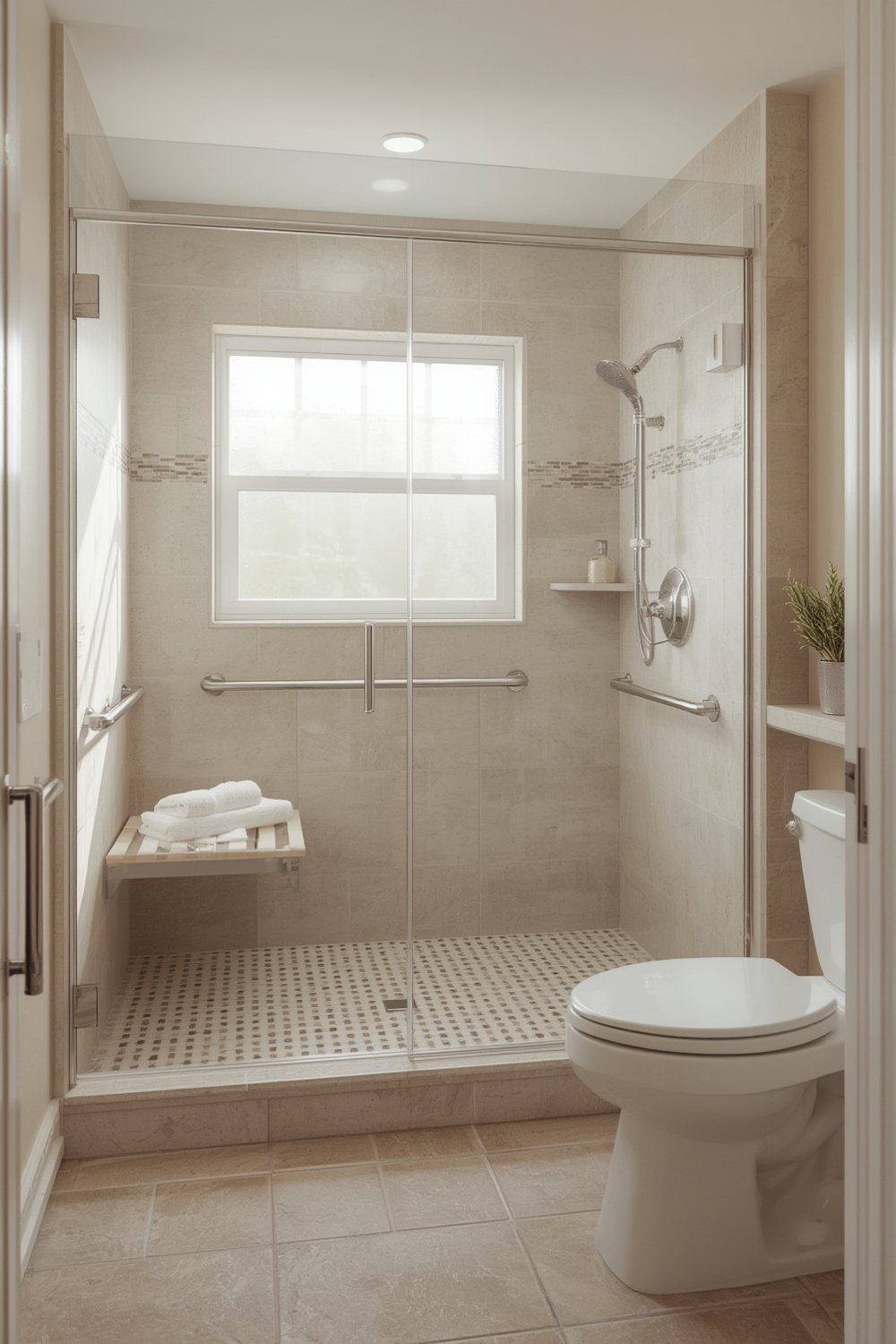
An aging in place bathroom remodel means upgrading your bathroom so seniors can live at home safely and comfortably as they age—from barrier-free showers to easy-grip grab bars, non-slip flooring, and more. Why does this matter so much? The reality is that bathrooms are statistically the most dangerous space for older adults, accounting for up to 30% of all in-home falls. These injuries aren’t minor—they lead to ER visits, hospitalization, lost independence, and rising long-term care costs. Too many bathrooms still lack simple safety features, even after a remodel. Getting this right is about prevention, independence, and quality of life.
How to Plan and Execute an Aging in Place Bathroom Remodel: Step-by-Step Guide
- Assess Risks and Needs
Walk through the bathroom with the potential user. Identify slip or trip hazards, tub barriers, tricky storage, and lighting issues. Consult a Certified Aging-in-Place Specialist (CAPS) or occupational therapist if you can. - Determine Your Budget and Scope
Aging in place remodels can range from a few hundred dollars for grab bars to $15,000-plus for full ADA conversions with roll-in showers. Get written bids and know what you can afford. - Choose Accessible Fixtures
Look for zero-threshold (curbless) showers or walk-in tubs, comfort height toilets, lever handles, and hand-held showerheads for flexibility. Make sure everything is reachable from a sitting position. - Install Grab Bars and Supports
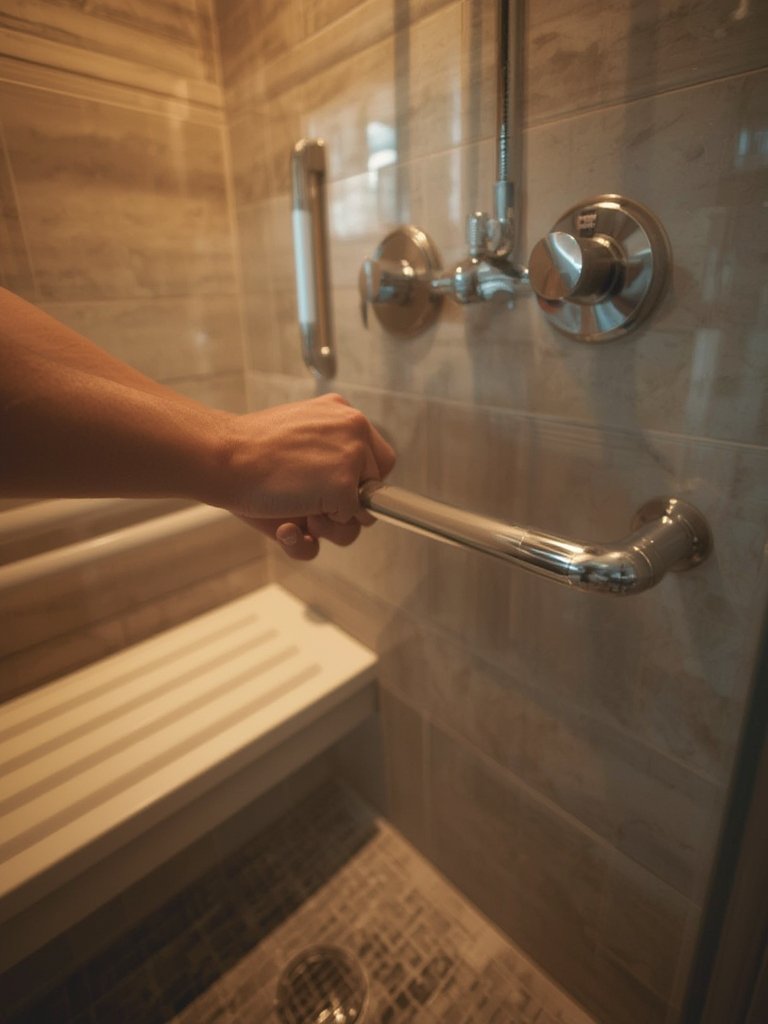
Place sturdy stainless steel grab bars inside and outside the shower, near the toilet, and by any step. Favor stainless steel or ADA-rated bars rated for at least 250 lbs. - Upgrade to Non-Slip Flooring
Avoid shiny tile or laminate. Use non-slip flooring textured porcelain, vinyl flooring, or specialty coatings. Water pooled on smooth floors is a recipe for disaster. - Improve Lighting and Visibility
Add bright, glare-free LED lighting and nightlights. Mark thresholds and edges clearly. Backlit mirrors and motion-activated lights help at night. - Think About Reach and Storage
Lower vanities or floating sinks, open shelving, and pull-out drawers make daily use much easier—especially for those with limited balance or dexterity. - Ventilation and Maintenance
Install a quiet exhaust fan to keep humidity down and mold away. Pick surfaces and fixtures that are easy to wipe clean and resist water damage.
If you’re looking to maximize the value of your bathroom remodel while ensuring code-compliance, check out this proven guide to home EV charger installation—it’s loaded with tips about permitting and upgrades that translate well to accessibility remodels.
Advanced Analysis & Common Pitfalls
Even the best-intentioned aging in place bathroom remodels can fall short due to overlooked details, outdated specs, or budget shortcuts. Here’s where most projects go wrong:
- Missing Technical Specs: Many contractors skip ADA specs—grab bars may be too high/low, curbless shower may still have a tricky lip, or non-slip floors may not meet recommended slip-resistance (COF) ratings.
- Material Mistakes: Cheap tile gets slippery and hard to clean. Vinyl resists water but dents easily. Stainless steel grab bars outlast powder-coated ones but cost more upfront.
- Poor Product Choices: Low-end walk-in tubs with leaky seals, slow drains, or slippery floors cause regret. Some “non-slip” coatings wear off after months.
- Lack of Homeowner Feedback: Most remodels finish with little follow-up. According to the latest Medicare study, about 40% who fall repeatedly still don’t have proper modifications—either because features were never installed or weren’t what was really needed.
- Budget Underestimation: True ADA-compliant upgrades (curbless shower, toilet, non-slip floor, grab bars, plus wider doors) can run far higher than internet averages suggest.
| Feature | Common Mistake | Safer Alternative |
|---|---|---|
| Shower Entry | Small lip still present, not truly curbless | Zero-threshold roll-in design, flush with bathroom floor |
| Grab Bars | Too short, placed too high/low, only suctioned | ADA-rated, wall-anchored, 36″/42″ long, 250 lb rating |
| Flooring | Glossy tile, minimal texture, low durability vinyl | Textured porcelain, commercial-grade slip-resistant vinyl |
| Toilet | Standard height, round bowl | 17–19” ‘comfort height’, elongated bowl |
| Fixture Placement | Handles/outlets out of reach | Lever handles, shower controls reachable from seat |
According to figures from the CDC, more than 1 in 4 older adults fall every year, with bathroom hazards a leading culprit. Direct costs for fall-related injuries now top $101 billion annually—reminding us why getting this remodel right means far more than just looks. For material and design choices, read through expert data at Quick Tub’s safety analysis for more on where senior remodels fail and succeed.
For a broader perspective on home improvement for accessibility and futureproofing, our ADU garage conversion cost guide covers common pitfalls and budgeting that closely resemble those in accessibility remodels.
Conclusion
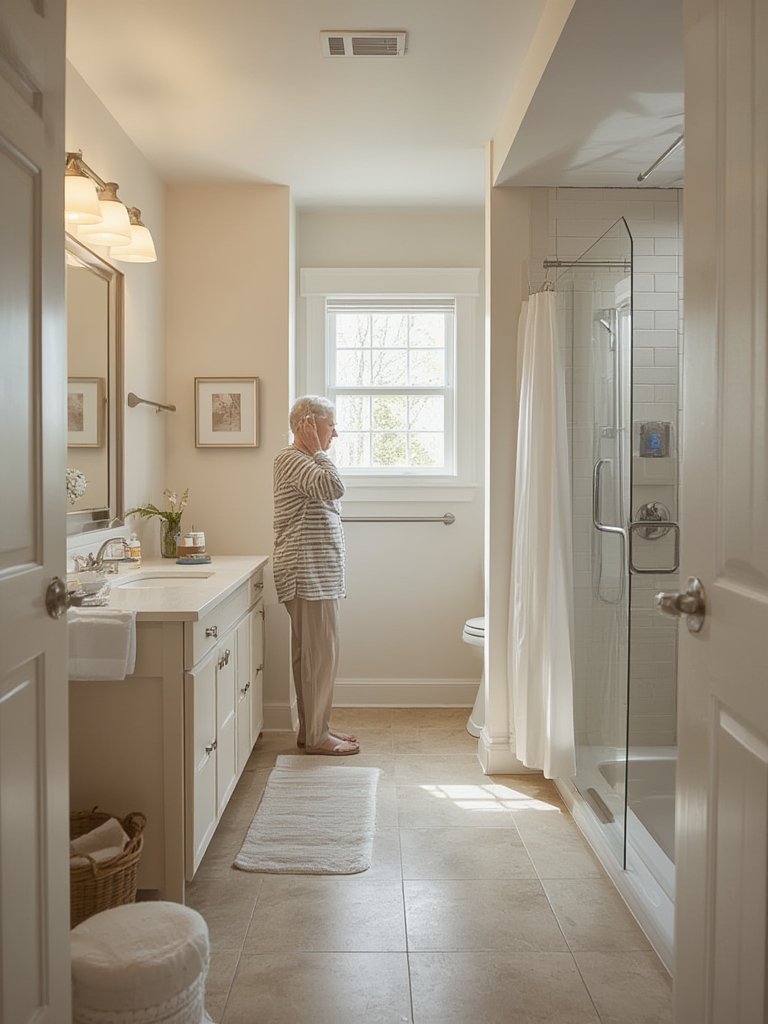
A successful aging in place bathroom remodel isn’t just about trendy upgrades—it’s about planning for safety, access, and peace of mind. Pay close attention to grab bar specs, curbless shower details, non-slip flooring, and material durability. Don’t assume every contractor knows the latest standards or understands senior needs. Always get feedback from the people actually using the space, and maximize your investments by considering real-world pros, cons, and even upgrade rebates for related energy efficiency work—like those detailed in our heat pump water heater rebate guide. Your aging in place bathroom remodel can be the foundation for years of safety and dignity at home—start planning it today.
Ready for a next-level home upgrade or have questions? Explore other hands-on home improvement guides like how to add a cold plunge pool to your backyard or ask about bathroom energy savings by combining electrical and plumbing improvements.
FAQ
How much does a typical aging in place bathroom remodel cost in 2024?
Costs vary, but a full ADA-compliant remodel (curbless shower, grab bars, non-slip floor, and comfort height toilet) can range from $12,000 to over $35,000 depending on local labor, material choices, and plumbing complexity. Simple upgrades with grab bars or slip-resistant coatings may run $500 to $2,500.
What technical specs should I look for in grab bars and showers?
Grab bars should be ADA-rated, 36 to 42 inches long, mounted 33 to 36 inches from the floor, and anchored into wall studs. Roll-in showers must have no lip or step, and non-slip floor surfaces should be rated with a coefficient of friction (COF) of at least 0.42 when wet.
Is tile or vinyl better for non-slip bathroom flooring?
Textured porcelain or commercial-grade vinyl both work well, but vinyl offers safer wet traction and lower maintenance. Avoid glossy or smooth tiles, which get slippery when wet. Always check for slip-resistance ratings before buying.
What is a common regret after a bathroom remodel for aging in place?
Many regret not adding enough grab bars, not going truly curbless with the shower, or failing to consider storage height and door widths. Some find that “cheap” quick-fixes don’t last or really solve accessibility problems.
Can I combine accessibility with energy efficiency upgrades?
Absolutely. As you remodel, consider installing high-efficiency fixtures or water heaters. This may qualify you for rebates. Our heat pump water heater rebate guide explains how to stack incentives for big savings.