

Minimalist kitchen design is transforming how homeowners and businesses approach kitchen spaces in 2024. Demand for functional beauty, smart storage, and easy maintenance makes this style more than just a trend—it’s a practical solution to real-world needs.
Key Takeaways
- Minimalist kitchen design combines clutter-free aesthetics and functionality, driving global market growth and adoption in both homes and businesses.
- Successful minimalism depends on smart storage, durable materials, and careful planning to avoid regret over poor workflow or cold aesthetics.
- Plan for higher upfront costs with quality fixtures, integrated appliances, and streamlined materials, but expect lasting efficiency and visual calm.
The Core Concept
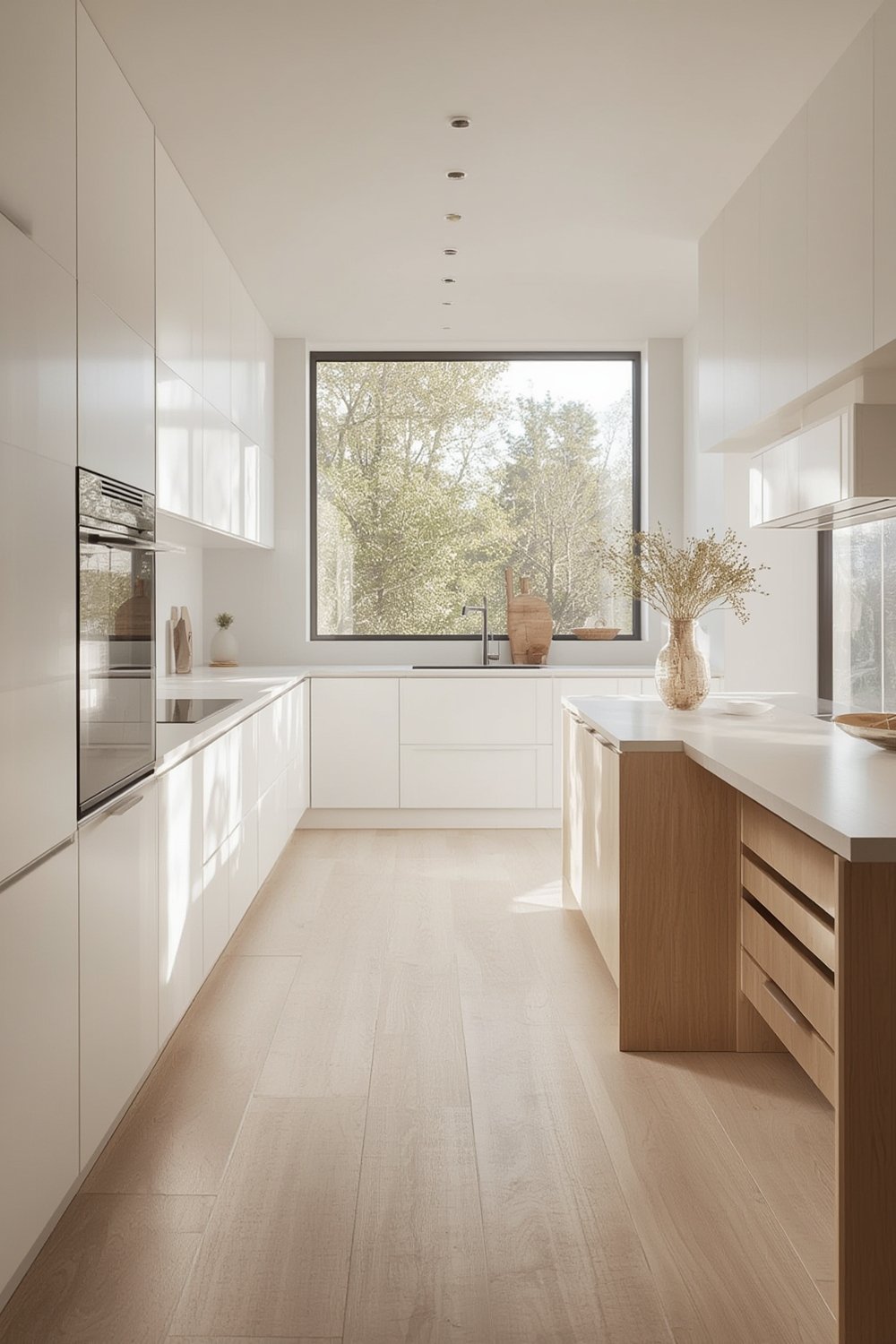
Minimalist kitchen design centers on simplicity, open space, and practical use without sacrificing visual appeal. In 2024, global demand continues to surge, with the market projected to reach USD 50 billion by 2033. Homeowners favor minimalist kitchens for clean lines, efficient storage, and surfaces that are easy to maintain and keep organized. Commercial spaces like cafes and restaurants benefit as well, since minimalism reduces visual clutter and supports quick, thorough cleaning on busy days.
Europe leans toward matte finishes and custom storage, North America prefers space-saving solutions, and Asia-Pacific markets grow quickly due to smaller space demands and a rising middle class. The heart of this approach is to create a serene, highly usable room that avoids unnecessary items and redundant detail.
Step-by-Step Guide
- Assess Your Real Storage Needs
Make an inventory of kitchen items. Get rid of anything not used in the last year. This is essential to avoid the #1 regret: insufficient storage after committing to minimalism. - Choose a Cohesive, Neutral Color Palette
Stick to two or three complementary hues. Matte finishes, favored by over 60% of homeowners, reduce glare and are easier to keep looking clean. - Prioritize Custom Storage
Install deep drawers, interior dividers, or walk-in pantries if possible. Modular shelving, rolling trays, and retractable elements make storage more flexible for real-world use.
Consider concealed appliance garages for microwaves, coffee makers, and blenders to keep surfaces as clear as possible. - Integrate Appliances Seamlessly
Use panels that match cabinetry for dishwashers, fridges, and ovens. Choose energy-efficient, long-lasting models with built-in recycling systems. - Opt for Durable, Low-Maintenance Materials
Natural wood, stone, and recycled surfaces balance clean looks with resilience. Brushed and satin finishes hide fingerprints and last longer in busy spaces. - Embrace Handle-less Cabinetry & Push-to-Open Features
Go for slim shaker or completely flat cabinet doors. Handle-less mechanisms simplify cleaning and achieve a sleeker profile. - Plan Task Zones for Workflow Optimization
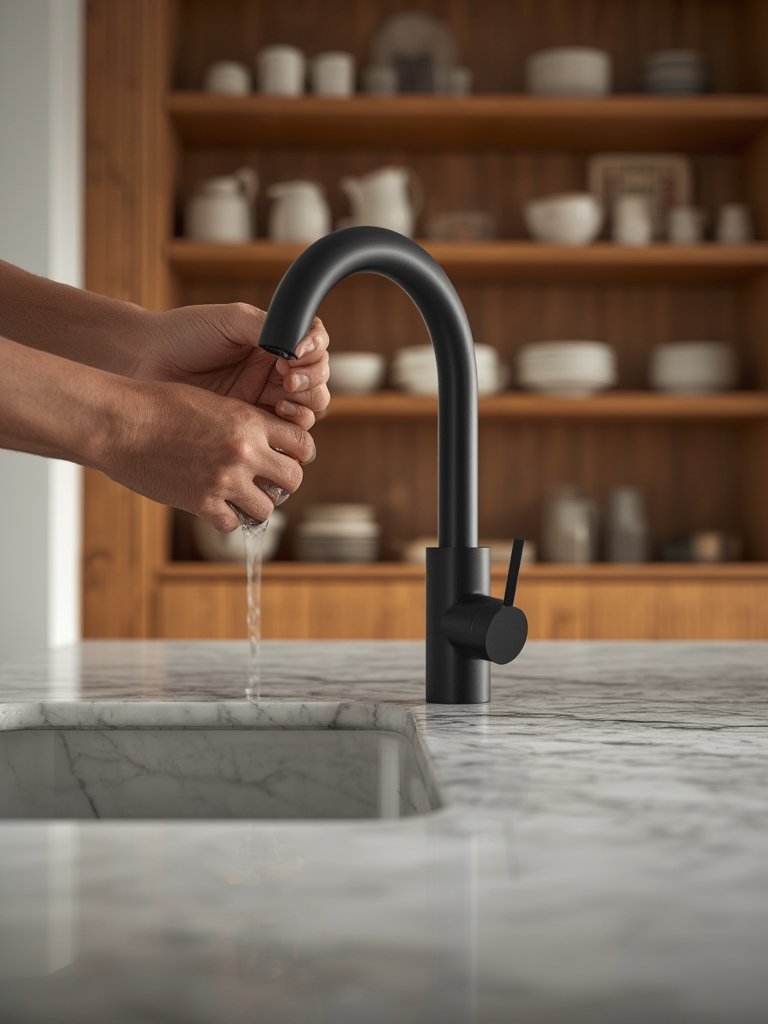
Lay out your kitchen around main activities: prep, cook, clean, and serve. Map out traffic flow and group tools accordingly to save time and reduce daily frustration. - Add Warm Accents to Prevent Coldness
Use wood touches, textured backsplashes, or ambient lighting to counteract any sterile or unwelcoming feel.
Want extra ideas for organizing? See these project management strategies from ADU garage conversions to maximize efficiency in limited square footage. Consider workflow elements similar to those used in modern, energy-efficient appliance upgrades to keep future operation costs slim.
Advanced Analysis & Common Pitfalls
Biggest Regrets Homeowners Report
- Underestimating Storage Needs: Clearing out clutter can swing too far—leading to not enough space for essentials.
- Upfront Sticker Shock: Price of quality fixtures, integrated appliances, and custom storage is higher than a standard kitchen remodel.
- Adapting Existing Kitchens: Traditional layouts may not adapt easily, causing workflow issues.
- Lack of Warmth: Early minimalist kitchens felt cold or uninviting; today, including wood accents or warmer colors resolves much of this.
Side-By-Side: Minimalist vs. Traditional Kitchen
| Feature | Minimalist Kitchen | Traditional Kitchen |
|---|---|---|
| Aesthetics | Clean, neutral, hardware-free surfaces | Decorative detailing, visible hardware |
| Storage | Custom partitions, concealed solutions | Open shelves, upper cabinets |
| Appliances | Integrated, panel-ready, retractable | Freestanding or semi-integrated |
| Maintenance | Easy-clean, minimal dust or grime traps | More crevices and handles to clean |
| Upfront Cost | Higher (premium materials/custom work) | Lower (standard cabinetry/finishes) |
| Resale Value | Appeals to modern, urban buyers | Appeals to buyers preferring classic style |
Realistic 2024 Cost Breakdown
- Materials: Matte cabinetry, stone counters, engineered wood—higher cost but longer lifespan and easier care. Expect roughly 40–50% of the budget here.
- Appliances: Integrated, energy-efficient models are 15–25% more expensive than their freestanding counterparts.
- Labor: Work with designers experienced in minimalism, as custom installs are more complex. Account for 20–30% cost increase over basic remodels. Complex panel integration and custom storage solutions require expert installation—for cost comparisons, see the labor breakdowns in code-compliant EV charger installs.
For more information, review latest kitchen trends by NKBA and material recommendations at Kitchen Bath Design Studio.
Conclusion
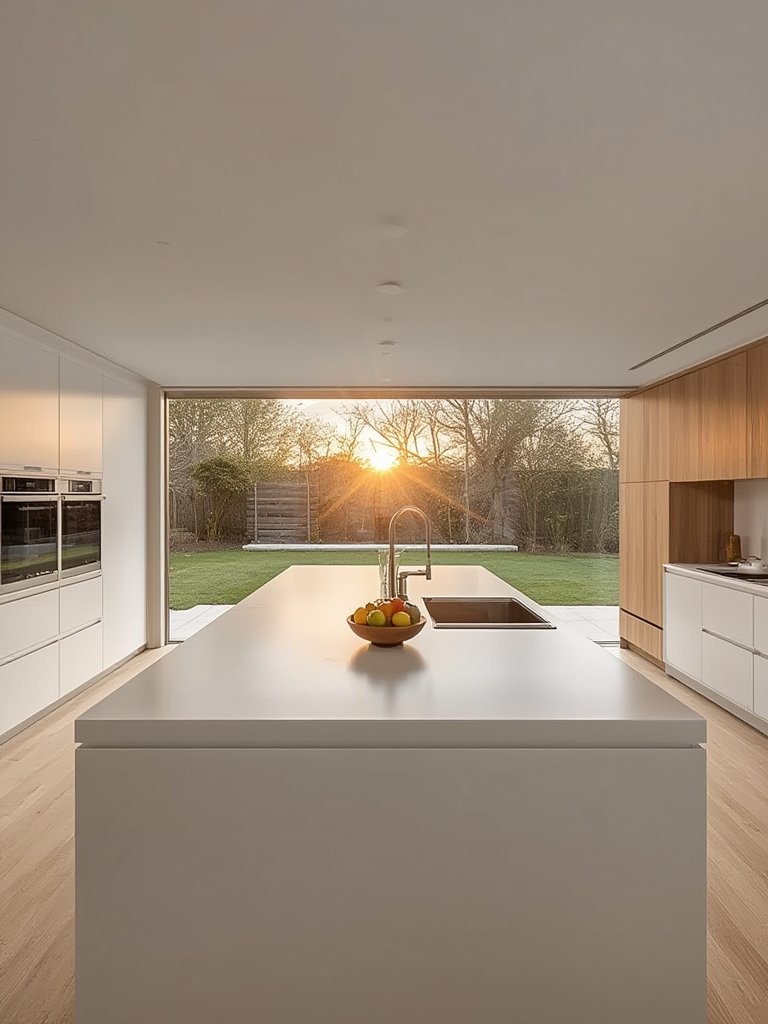
Minimalist kitchen design in 2024 is about removing the unnecessary while adding real function and value. It offers sleek aesthetics, brilliant storage, and lasting finishes but does require honest planning and premium investment upfront. If you want a serene, truly functional kitchen, take inspiration from smart internal solutions as found in other efficiency-focused home projects. Start by clearing out, planning smart, and choosing quality materials that fit your daily needs—minimal does not mean less, it means better.
Ready to start your minimalist kitchen design? Begin with a full audit of your needs, invest in the right materials, and partner with pros who truly understand flow, storage, and longevity.
FAQ Section
Is minimalist kitchen design more expensive than traditional kitchens?
Yes, minimalist kitchens typically have a higher upfront cost. You pay for integrated appliances, premium materials, and custom cabinetry—costs that regularly run 20–30% above basic remodels. However, you may save in the long term due to easier maintenance and durable finishes.
Do minimalist kitchens lack storage?
Not if planned correctly. The biggest regret is poor storage due to insufficient planning. Focus on custom solutions like deep drawers, walk-in pantries, and interior dividers to maximize every inch.
Can a minimalist kitchen still feel warm and inviting?
Absolutely. Use wood accents, layered lighting, and soft neutral hues to add warmth. Many designers now blend minimalism with natural touches to counteract any sterile look.
Are handle-less cabinets durable and easy to use?
Modern handle-less cabinets with push-to-open features are built to last and make cleaning much easier. Quality hardware is critical—avoid cheap mechanisms to reduce maintenance issues.
What certifications or specs should I look for in appliances?
Look for energy-efficient certifications, robust warranties, and built-in recycling options. Motion-sensor lighting or faucets are recommended by recent design trends for efficiency and convenience.