

Spray foam insulation cost 2025 is shaping up to be higher and more variable than most homeowners expect, thanks to material price increases, labor shortages, and major regional differences. If you’re planning attic, wall, or whole-house insulation next year, understanding what actually drives your final bill—and where you might overpay—is critical.
Key Takeaways
- Spray foam insulation prices in 2025 are expected to rise 5–15%, with Colorado and central Midwest states most affected.
- Closed-cell foam costs up to 30% more than open-cell but offers better energy savings and moisture resistance.
- Most articles miss full regional breakdowns, ignoring extra costs like labor splits, prep work, and hidden DIY risks.
- What Impacts Spray Foam Insulation Cost in 2025?
- How to Estimate Your 2025 Spray Foam Insulation Project
- Pitfalls, Real World Performance, and Cost Breakdowns
- Conclusion
- Frequently Asked Questions
What Impacts Spray Foam Insulation Cost in 2025?
Spray foam insulation isn’t one price fits all. Your final cost varies widely depending on the type (open-cell vs closed-cell), installation area (attic, walls, crawl space), and your zip code. In 2025, open-cell spray foam insulation averages $1.25–$3.50 per square foot nationally, but Colorado homeowners often pay up to $3.50. Closed-cell runs $2.00–$5.75 per square foot—and can spike to $7.00 in Kansas—because of higher material density and demanding application standards.
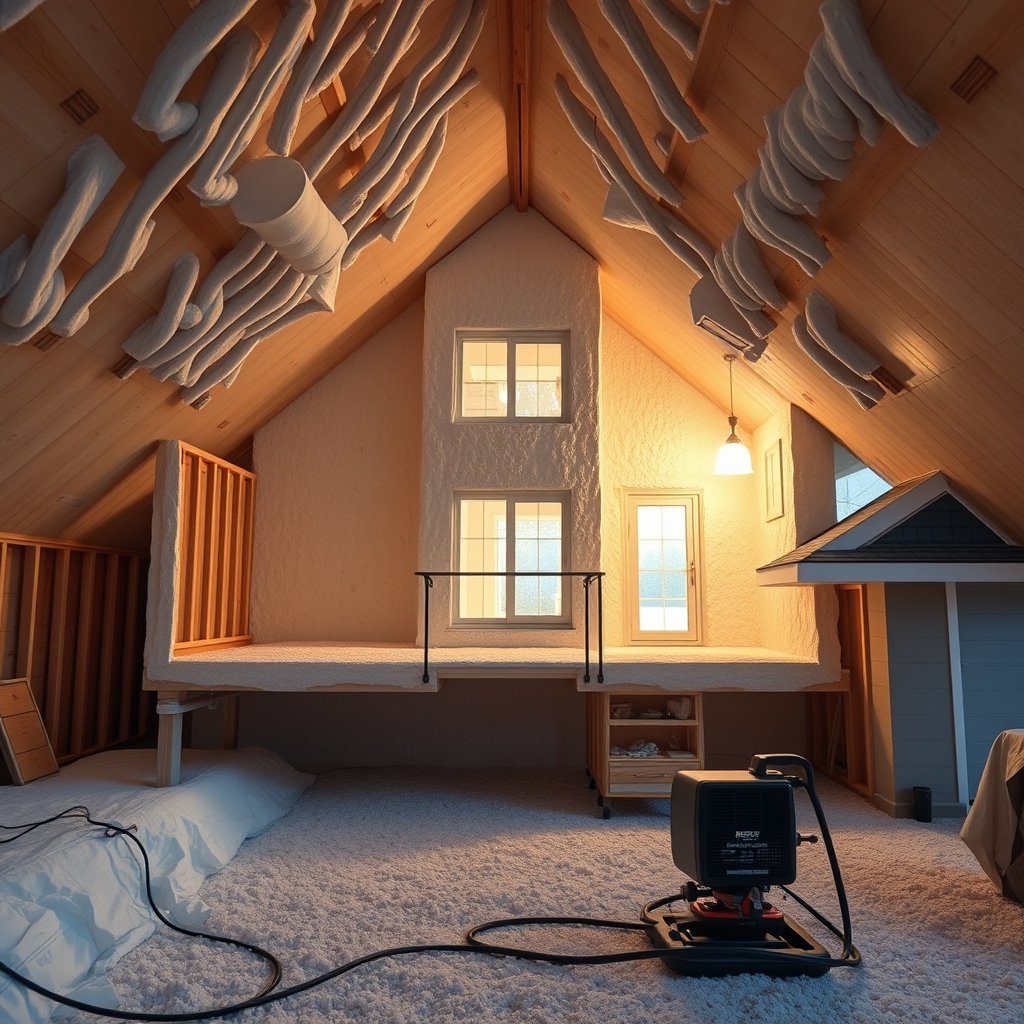
Year-over-year, costs are still rising (5–8% nationally, 7–15% in Colorado) due to ongoing supply chain, logistics, and chemical price spikes. Most insulation quotes split roughly 30–50% for labor, which climbs in areas facing contractor shortages or tight labor markets.
According to Level Up Insulation and R-Value Associates, closed-cell spray foam also provides more structural support and moisture protection, recouping its higher upfront cost faster in extreme or humid climates.
If your attic project is 1,000 to 1,500 square feet, expect open-cell spray foam insulation to total $1,700–$5,075. Closed-cell foam for the same attic might run $2,800–$6,500. DIY options can lower material expense, but typically add risk and hidden costs that many homeowners overlook.
How to Estimate Your 2025 Spray Foam Insulation Project
Calculating your true 2025 spray foam insulation cost isn’t just measuring square footage and multiplying by a rate. Here’s how to get a realistic number and avoid common money traps:
- Measure and Map Out Your Project Area: For attics, use the total floor square footage; for walls, multiply wall height by length and subtract windows/doors. Remember, thicker applications (3–4 inches for open-cell, 2–3 inches for closed-cell) are needed for full R-value.
- Choose Open-Cell or Closed-Cell Foam:
- Open-cell offers R-3.5 to R-3.8 per inch, costs less up front, and is ideal for sound-dampening or interior applications not exposed to moisture.
- Closed-cell delivers R-5.6 to R-7 per inch, superior moisture/vapor sealing, and is often required by code in some exterior walls or humid environments.
According to One Click DIY, closed-cell recoups its premium faster where climate swings are severe.
- Get Multiple Quotes with Regional Rates: Rates in Colorado or the Midwest can run 20% higher than national averages for both materials and labor, per Advanced Seal. Online averages may understate your true costs if you’re in a high-demand market or rural area.
- Include Prep, Access, and Cleanup: Removing old insulation, making attic spaces accessible, and post-application venting can add $500–$2,000+ in hidden labor or disposal fees.
- Compare DIY spray foam insulation kits to Pro Install: DIY spray foam insulation kits average $0.35–$1.00 per square foot for open-cell, $0.75–$2.00 for closed-cell (materials only). But DIY risks—like poor coverage, uneven curing, and fumes—often outweigh savings for big projects.
- Factor in Long-Term Savings: Open-cell foam can cut heating/cooling costs up to 30%. Closed-cell, with higher R-values and air sealing, can pay for itself in 3–5 years in extreme climates.
- Check for Rebates, Incentives, and Codes: While no universal 2025 insulation tax incentives were found, some utility or local programs may require specific R-values, thickness, or code compliance.
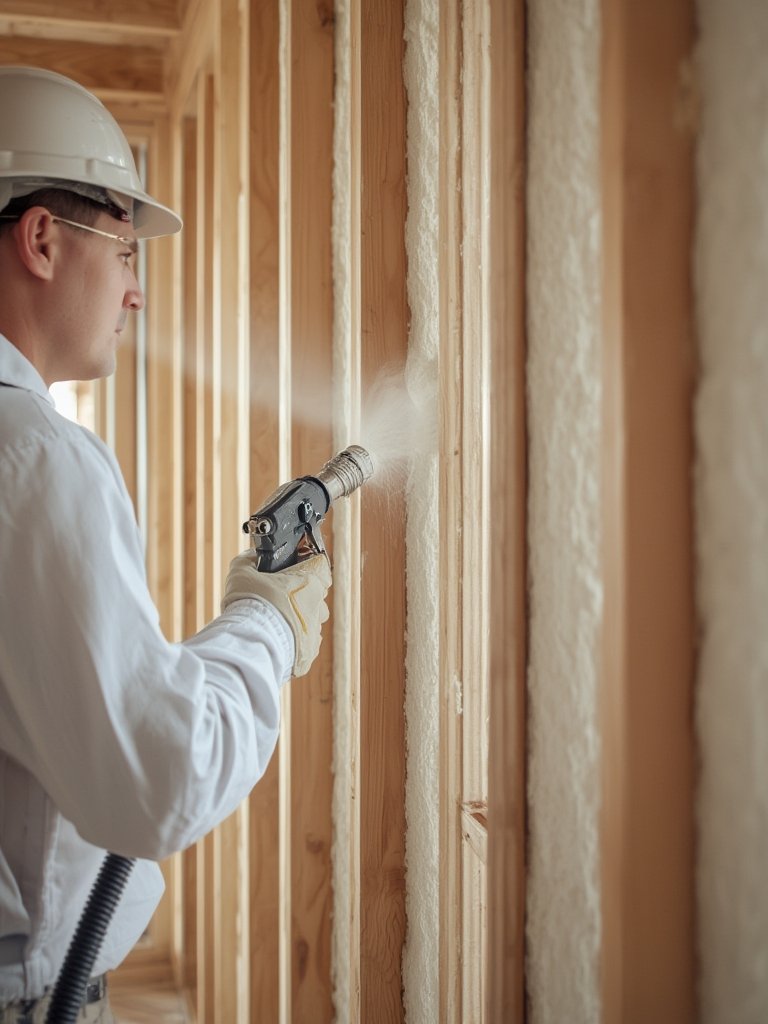
Looking for ways to slash total project costs? Consider pairing insulation with other upgrades—like a heat pump water heater installation or a crawl space encapsulation—to maximize comfort and savings. Professional installers may bundle pricing if you do several energy efficiency upgrades at once.
For interior spaces or home offices, check out advanced soundproofing strategies that combine foam with mass-loaded vinyl or acoustic panels, an often-overlooked insulation synergy.
Pitfalls, Real World Performance, and Cost Breakdowns
Most online guides gloss over the pitfalls and missing costs that surface once installation begins. Here’s what to watch for in 2025:
- Inconsistent Regional Estimates: Most articles ignore Northeast, Southern, or West Coast price surges. Always confirm your local rates—Colorado and Kansas are already at the upper end, with Midwest prices up 5–15% in two years.
- Labor vs. Material Breakdown: Around 30–50% of your quote is labor, but this jumps in tight labor markets. Most DIY risks underestimate the expertise needed for a proper air/vapor seal and the safety concerns of handling spray foam chemicals.
- Thickness and R-Value Confusion: Board foot pricing (1 square foot, 1 inch thick) is often mixed up with installed square foot cost. The total inches applied (typically 3 inches or more) can almost double your base estimate if you miss this detail.
- Moisture, Health, and Code Risks: Improper application may cause trapped moisture, leading to rot or mold in walls and attics. DIY installs also risk fume exposure and may void warranties or future resale compliance.
- Missed Long-Term Savings: Open-cell foam can yield up to 30% HVAC savings, but closed-cell’s higher R-value pays back even faster, especially in places with cold winters or hot, humid summers.
- No Recent Policy or Rebate Data: Unlike upgrades like EV charger installations, there are currently no clear 2025 government rebates or new code requirements for foam insulation. Check state or utility pages as the market is shifting.
| Factor | Open-Cell Foam | Closed-Cell Foam | Fiberglass Batts |
|---|---|---|---|
| R-Value per Inch | 3.5–3.8 | 5.6–7 | 3.1–4.3 |
| Cost per Sq Ft (2025, National) | $1.25–$2.50 | $2.00–$4.50 | $0.40–$2.00 |
| Moisture/Vapor Barrier | Low | High | Low |
| Sound Dampening | Good | Fair | Fair |
| DIY Risk | High | Very High | Low |
| Best Use Cases | Interior walls, attics (not moisture-prone) | Attics, exterior walls, crawlspaces | Basements, accessible walls/ceilings |
Some homeowners regret skipping prep work, upgrading ventilation, or going full DIY, only to spend more on repairs later. Unlike stickier upgrades such as a garage-to-ADU conversion, insulation mistakes are hidden until you get higher utility bills or a failed home inspection.
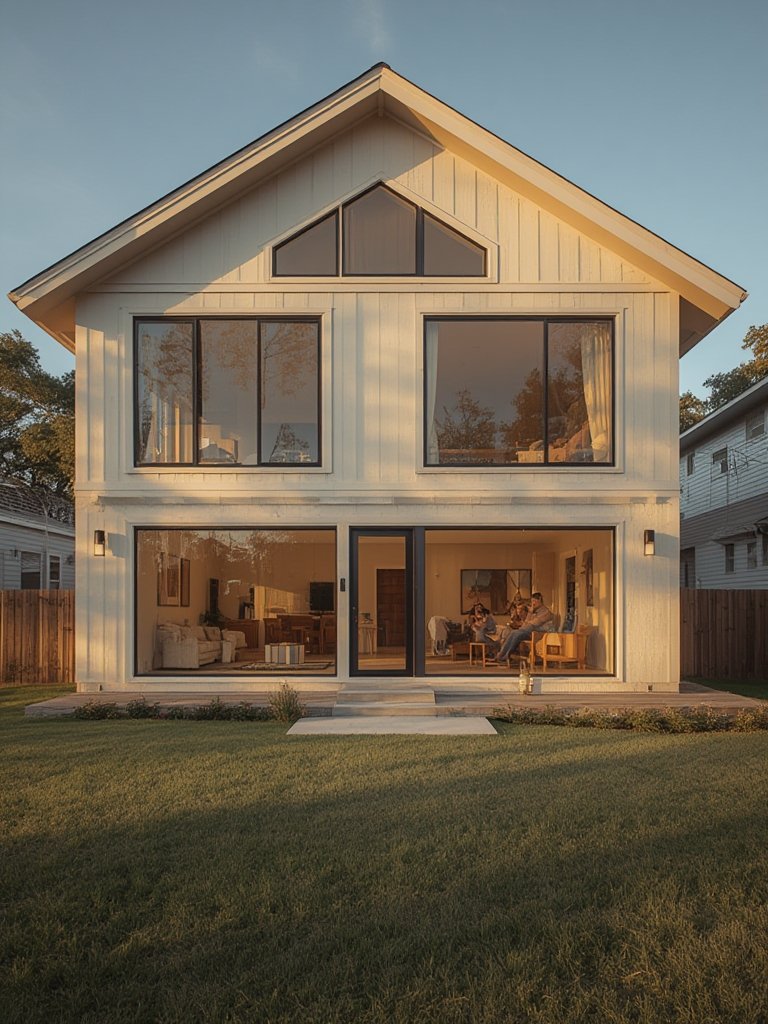
Finally, don’t overlook the impact of home age and condition. Older homes may reveal rotten framing, code noncompliance, or pest infestations that multiply total costs—details rarely covered in top-ranking insulation articles.
Conclusion
Spray foam insulation cost 2025 is set to remain at the higher end, especially for closed-cell jobs and regions facing labor or supply chain stress. Careful planning, detailed quotes separating labor and materials, and real-world performance comparisons are vital for avoiding overruns and maximizing your energy-saving payback.
Ready to cut energy waste and improve indoor comfort? Get multiple quotes, compare pro and DIY options based on your space and climate, and don’t forget to confirm no hidden fees—or moisture issues—are lurking in your attic or walls.
For more deep-dive home upgrade guides, browse our tips on solar panel installation costs and DIY flooring projects to reduce utility bills and improve your home’s comfort year-round.
Frequently Asked Questions
How much does open-cell spray foam insulation cost per square foot in 2025?
National averages range $1.25–$2.50 per square foot installed (3-inch thickness) for open-cell foam in 2025. Colorado residents may pay up to $3.50. Prices vary by region, foam thickness, and access.
Is closed-cell spray foam worth the added expense?
Closed-cell spray foam costs 30% more but offers better moisture resistance, R-value (5.6–7 per inch), and can recoup costs quicker through energy savings, especially in extreme climates or as a vapor barrier.
Are there any rebates or tax credits for spray foam insulation in 2025?
As of now, no universal 2025 rebates or tax credits for spray foam insulation were found. Some local utility or state programs may exist; always check with your local government or energy providers for incentives.
Is DIY spray foam really cheaper?
Material-only DIY kits run $0.35–$2.00 per square foot depending on foam type. However, risks like missed coverage, health hazards, improper thickness, and warranty voids often outweigh savings for large jobs.
How does spray foam insulation compare to fiberglass?
Spray foam delivers higher R-values per inch (especially closed-cell), seals air leaks better, and is less prone to mold or pests. Fiberglass is cheaper and safer for DIY, but not as effective for moisture control or full air sealing.