

Garage conversion ADU permit rules have changed dramatically in recent years, creating new opportunities—and unexpected headaches—for homeowners considering converting their garage into an accessory dwelling unit (ADU). Demand is at record highs, but getting your project through city hall still requires careful planning. Here’s exactly what you need to know before you begin.
Key Takeaways
- ADU-friendly states like California, Colorado, and Oregon have eased permit restrictions, but every city interprets the rules differently.
- Most permit delays and denials are caused by missing documents, structural oversights, or underestimating utility upgrade needs.
- Start with a clear feasibility check, detailed plans, and a transparent dialogue with your local planning department to save time and money.
- The Core Concept: What Is a Garage Conversion ADU Permit?
- Step-by-Step Guide: How to Get a Garage Conversion ADU Permit
- Advanced Analysis & Common Pitfalls
- Conclusion
- FAQ
The Core Concept: What Is a Garage Conversion ADU Permit?
A garage conversion ADU permit is formal permission from your local building department to turn your attached or detached garage into a legal accessory dwelling unit. This process is designed to ensure your project meets safety codes, zoning rules, and state-level ADU laws.
States like California have led the nation, with 32% of all American ADU permits in recent years. However, every city and county has its own requirements for setbacks, parking, utilities, and minimum room features. Successful garage ADU conversions can unlock extra rental income, boost home value, or create flexible space for family living—if you navigate permits correctly.
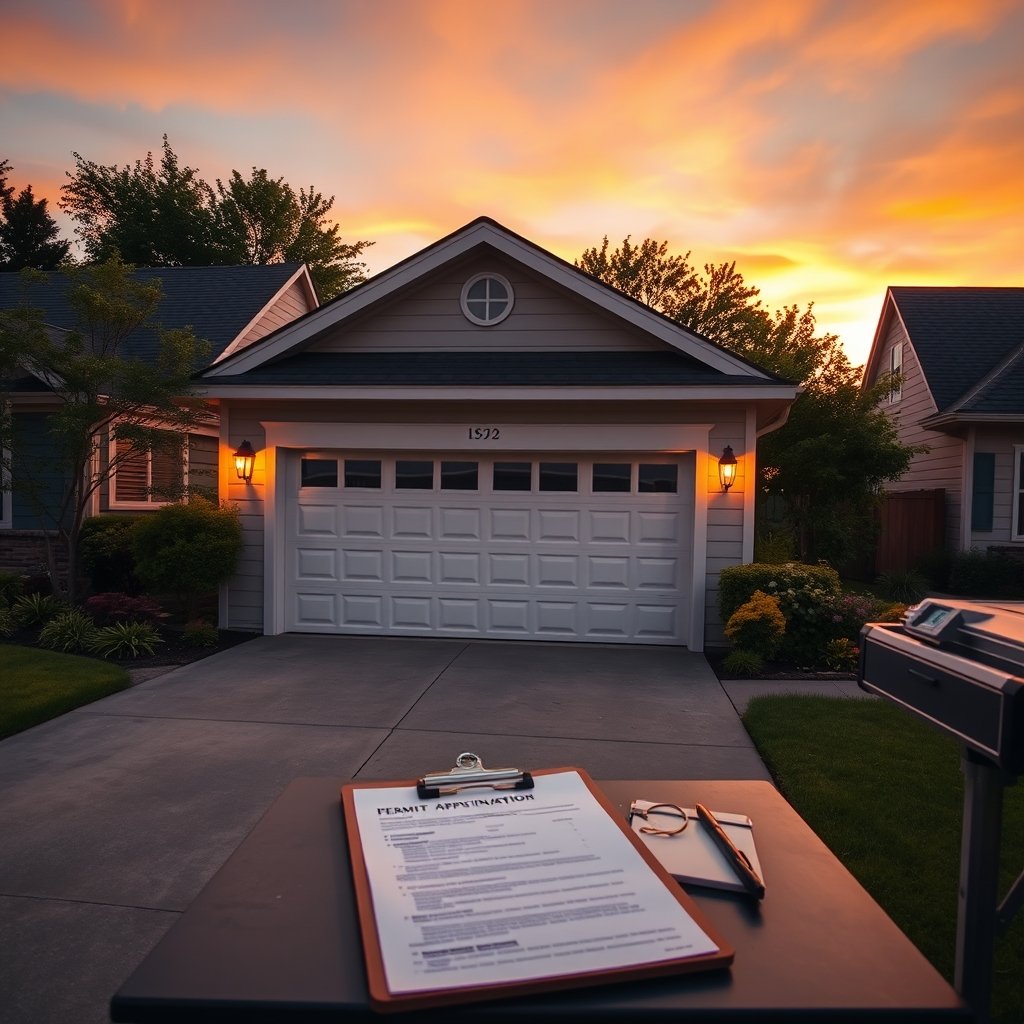
Step-by-Step Guide: How to Get a Garage Conversion ADU Permit
Here’s a practical, state-agnostic guide to clearing the permit process for your garage conversion ADU, regardless of where you live.
- Check Zoning & Local ADU Laws
- Confirm your property is zoned to allow ADUs. In California and Colorado, single-family and many multifamily lots now qualify [source].
- Measure and Document Your Garage
- Detached ADUs in California can be up to 1,200 sq ft; attached ADUs up to 50% of the home’s size. Colorado, Oregon, and Arizona have similarly generous rules, but check for local limits [source].
- Draft Professional Plans and Engineering
- Submit detailed drawings with your permit application, showing structural upgrades, fire safety, insulation, and window/door changes.
- Note: Many permit applications stall because the plans omit seismic upgrades or fail to show water/heating upgrades.
- Submit Permit Application & Pay Fees
- Bring everything together: zoning forms, site plans, energy calculations, and, if required, environmental or historic review.
- Expect to pay $2,000–$6,800 in permit and impact fees, depending on city and project size. Some states, like California, now cap certain impact fees for smaller ADUs [source].
- Inspections and Final Approval
- Your city will conduct foundation, framing, electrical, and plumbing inspections during construction—be prepared for re-inspections if codes are not clearly met. Utility upgrades are the most common cause of permit delay.
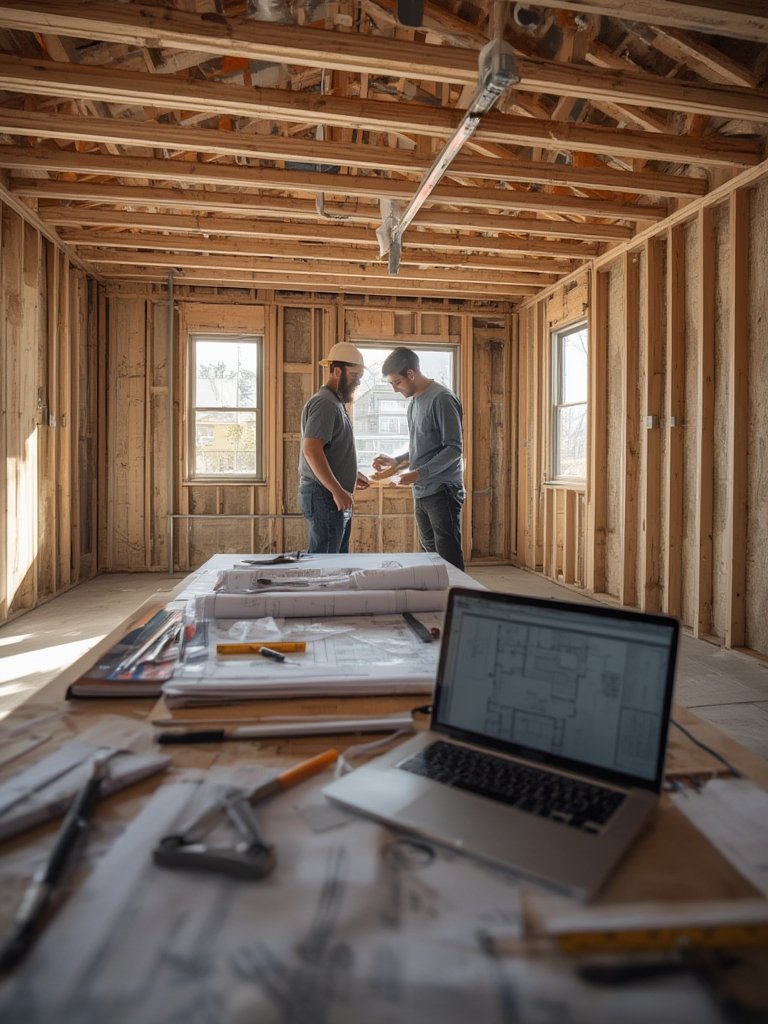
Want to know the realistic cost range? A detailed breakdown is available in our ADU Garage Conversion Cost Guide, where you’ll see actual projects starting at $36,000 yet sometimes running past $225,000 for full-featured units in pricier metros. If your conversion also adds electric vehicle charging, be sure to check the permit pathways in our home EV charger installation code-compliance guide.
Advanced Analysis & Common Pitfalls
Even in ADU-friendly states, pitfalls abound. Here’s what to watch for, based on recent trends and policy reports:
- Structural Surprises: Old garages often need extensive foundation and seismic upgrades to pass building inspection. It’s easy to underestimate, adding months to your timeline.
- Utility & Infrastructure Gaps: Upgrading water, sewer, and electrical service is required in most conversion ADUs—costs can balloon if your existing lines can’t handle the load. Read our related guide on upgrading water heaters for ADUs for overlapping code and permit issues.
- Parking & Setback Confusion: Some cities require off-street parking be retained or replaced; others don’t, thanks to new state laws. Interpretations are inconsistent—never assume your planner will be familiar with the latest state reforms.
- Permit Processing Delays: While “by-right” laws force faster approvals, overloaded planning departments and incomplete applications often mean real-world waits of 4–9 months.
- Owner-Occupancy and Rental Restrictions: Not all states allow non-owner-occupied ADUs. Failing to check this tanks many investment conversions before they’re approved [source].
| State | Max ADU Size (Garage Conversion) | Notable Permit Policies |
|---|---|---|
| California | 1,200 sq ft detached Up to 50% of home (attached) | By-right ADU zoning, capped impact fees, streamlined review |
| Colorado | No size limit if within existing garage envelope | No setback requirement for conversions, new 2024 rules remove owner-occupancy |
| Oregon | Local limits apply, often 800-1,000 sq ft | No parking minimums, limited design review |
If you’re aiming to maximize rental value, see our actionable guide to rental income and pitfalls—especially before budgeting for your project.
Soundproofing upgrades, like those in our home office soundproofing guide, are often overlooked and can tip a garage ADU from “barely legal” to genuinely livable in dense neighborhoods.
Conclusion
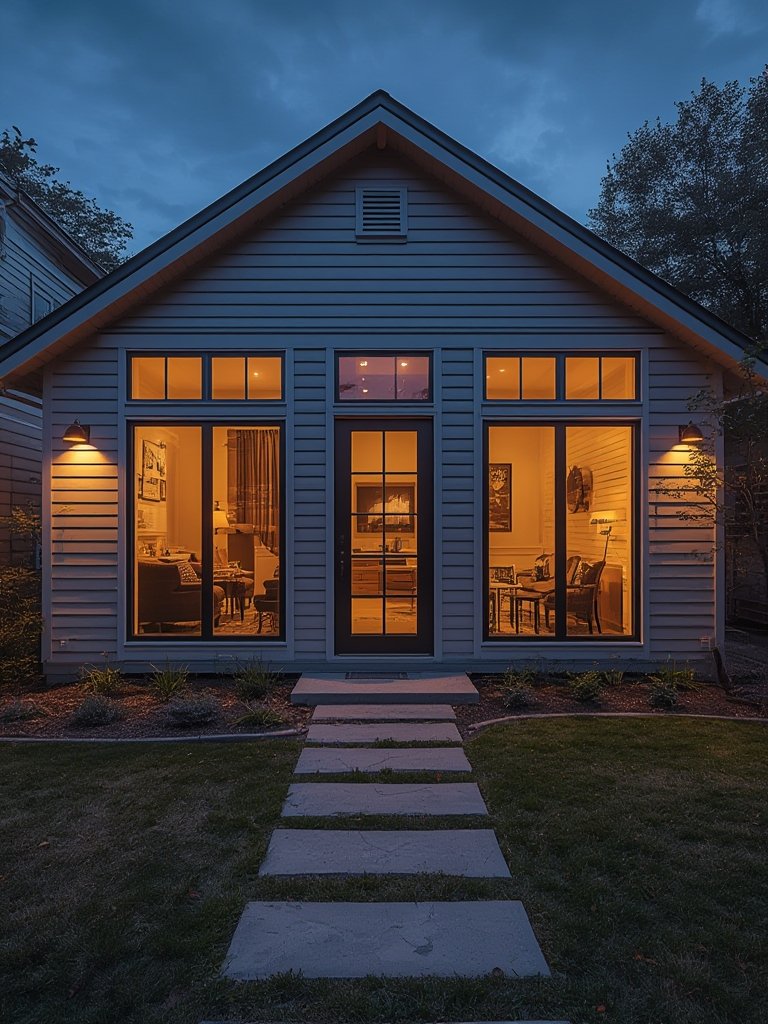
Done right, a garage conversion ADU permit opens up new living and rental income opportunities in America’s fastest-changing real estate markets. But ignoring structural, code, and zoning details can lead to spiraling costs and city rejections. Start local, research your city’s rules thoroughly, and never submit plans you wouldn’t be ready to defend face-to-face with an inspector. For more deep-dive tips and cost strategies, explore our comprehensive ADU conversion guide.
Ready to turn your garage into something more? Take the first step and map out your garage conversion ADU permit strategy today—before you spend a single dollar on drawings or construction.
FAQ
Do I need a permit to convert my garage into an ADU?
Yes, almost every U.S. city requires a formal permit for legal garage-to-ADU conversion, including engineering, fire, and energy code compliance. Skipping this step can result in major fines or orders to reverse the work.
How long does a garage conversion ADU permit usually take?
While some states mandate “streamlined” 60-day review, most real-world projects experience a 4–9 month total process due to incomplete applications, plan checks, and inspection reworks.
What’s the biggest reason ADU permits get denied?
The most common pitfalls are missing required documents, insufficient structural engineering, or incomplete utility upgrade plans. Always review recent city checklists and talk to a planner early.
Can I rent out a garage ADU if I don’t live on the property?
It depends on your state. California and Colorado now allow non-owner-occupied ADUs, but some cities may have stricter local rules. Double-check with your city before planning rental income.
How much does a typical garage conversion ADU cost?
Nationally, most projects range from $36,000 for basic conversions (DIY, partial upgrades) to $225,000 for high-end, code-compliant units with kitchenettes, bathrooms, and soundproofing. Exact costs depend on structure, city, and upgrade scope. See our full cost breakdown here.