

Deck composite material comparison is essential if you want a low-maintenance deck that fits your budget, looks modern, and withstands years of use. If you’re overwhelmed by price ranges, warranties, and competing claims from Trex, Fiberon, or TimberTech, this post gives you the hard numbers and real pros and cons—no marketing fluff.
Key Takeaways
- Composite decking material costs vary widely—expect $4.48–$15 per square foot, with full installation as high as $80 per square foot for premium projects.
- Most top brands like Trex, Fiberon, and TimberTech offer similar longevity (25-year warranties) and very low direct maintenance when compared to wood.
- Published data is strong on price and lifespan, but direct brand differences (heat retention, fastener systems, user complaints) are still missing or vague.
- What Is Deck Composite Material Comparison and Why Does It Matter?
- Step-by-Step Guide: How to Choose the Right Composite Deck Material
- Advanced Analysis & Common Pitfalls: Data, Gaps, and Real-World Issues
- Conclusion
- Frequently Asked Questions
What Is Deck Composite Material Comparison and Why Does It Matter?
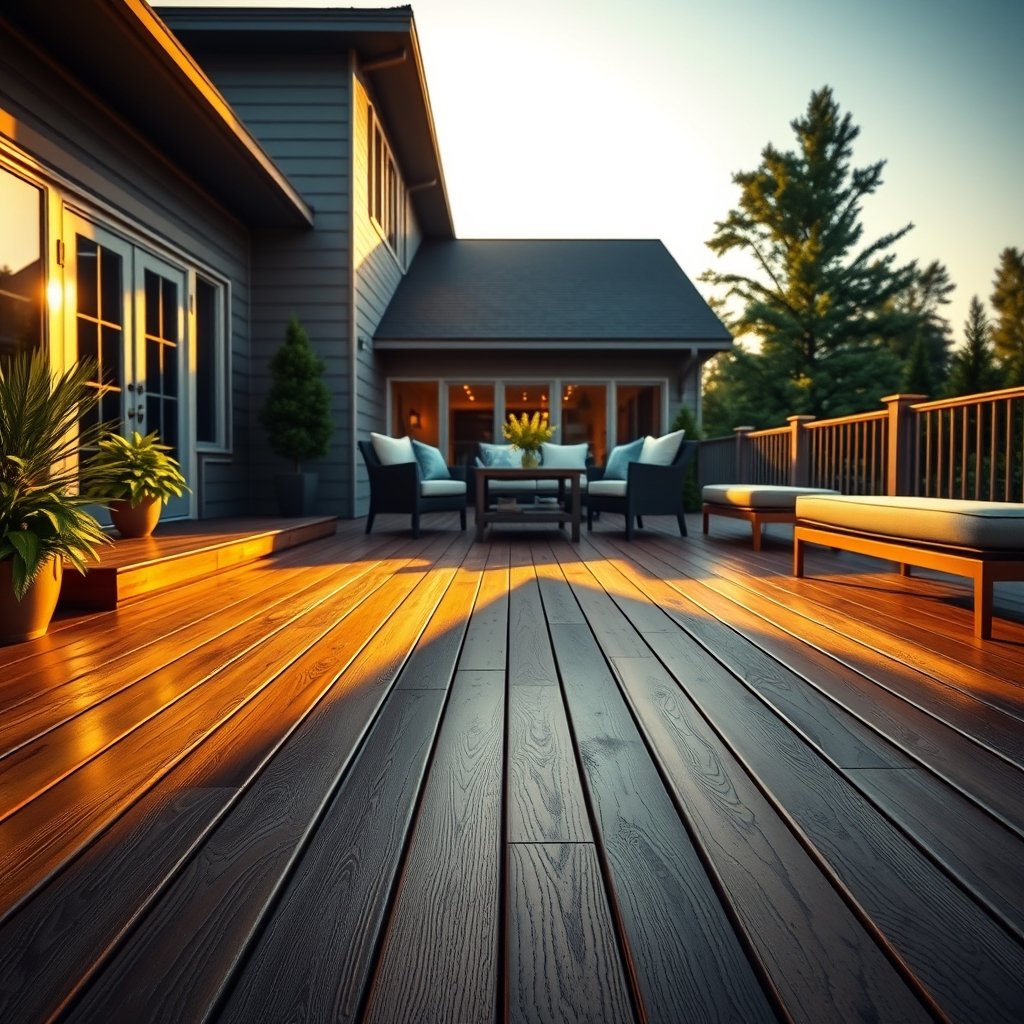
Comparing composite deck materials means evaluating cost, durability, warranty, and installation realities among brands like Trex, Fiberon, and TimberTech. The goal is to make sure what you pay up front saves money and labor over time—and that you’re not surprised by hidden installation or maintenance demands. Many homeowners consider composite decking for its promise of minimal upkeep compared to wood. But between price ranges, color/texture options, and warranty coverage, costs and results can vary dramatically. Cost is usually the first concern, but factors like surface feel, hidden fastener kits compatibility, and even limited real-world review data might sway your final deck choice.
Step-by-Step Guide: How to Choose the Right Composite Deck Material
- Set your project scope and expectations. Decide on total deck size, preferred board width, color, texture, and required railings or stairs.
- Research average material costs and installation. For example, Trex material goes from $5 to $15 per square foot depending on series. Fiberon and TimberTech are similar, with ranges from $4.48 to $13.40 per square foot for materials [source]. Installed totals (labor included) can reach $80 per square foot for large, complex decks [source]—expect about $25–$45 per square foot for average projects.
- Compare product lines by brand tier. Trex Enhance is budget-friendly ($5–$7/sq ft), Select is midrange, and Transcend is premium; Fiberon’s Good Life and Concordia lines follow similar tiers [source].
- Evaluate warranty and maintenance realities. All major brands claim 25-year warranties, but always verify for UV fading, stains, and structural coverage. Maintenance beats wood—no staining or sealing and much less risk of rot.
- Check included fastener systems and installation skill required. Some lines include or require hidden fasteners, which give a cleaner look but might increase labor costs or complexity (research for your specific boards).
- Get real project quotes. Square footage is just step one—add for stairs, railings, special shapes, or custom borders. Large decks (16’×20’) can range $12,000–$18,000 installed [source].
- Plan for lifespan maximization. While composites are low upkeep, keep them clean, avoid dragging furniture, and follow manufacturer tips for best long-term results.
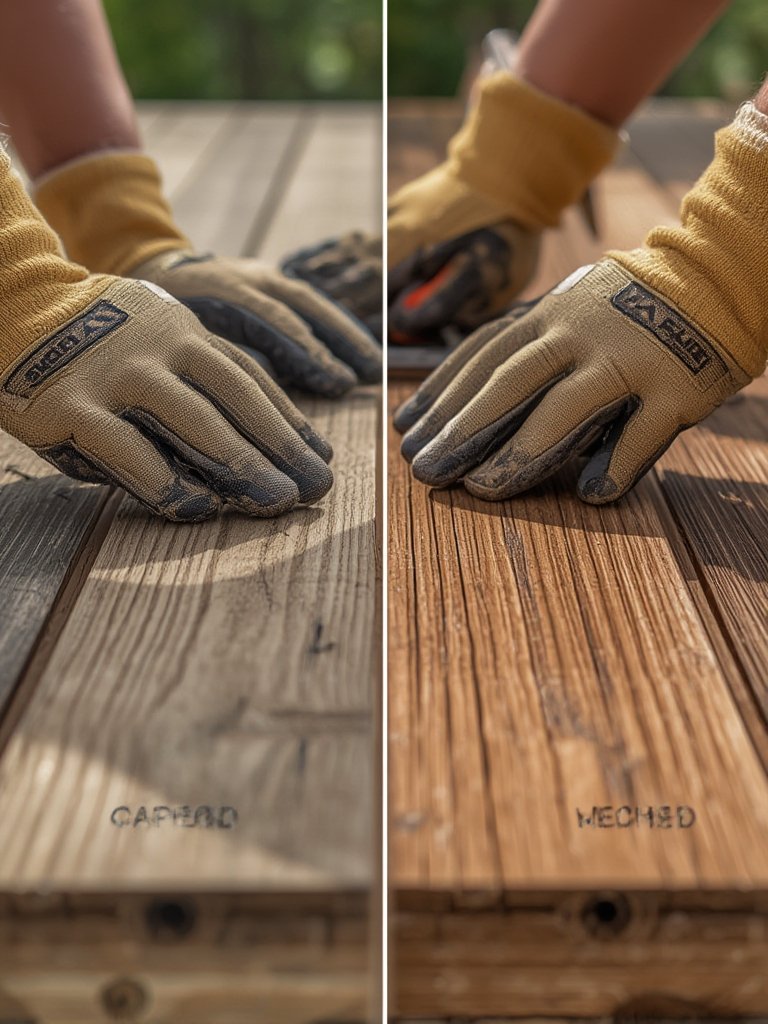
Still undecided? Compare your maintenance savings against wood: classic decks cost $3 per square foot annually for staining plus $2 per square foot for sealing. Over 10 years, that cost can outweigh the initial upcharge for composite.
For other big-budget home upgrades, see our proven guides to backyard cold plunge pools and outdoor kitchen built-in grill installations.
Advanced Analysis & Common Pitfalls: Data, Gaps, and Real-World Issues
Based on the 2024 composite decking cost benchmarks, here’s a realistic look at cost, warranty, and maintenance—plus what the research leaves out.
| Brand | Material Cost (per sq ft) | Installed Cost (per sq ft) | Warranty | Key Notes |
|---|---|---|---|---|
| Trex | $5–$15 | $20–$75 | 25 years | First to market, wide color range |
| Fiberon | $4.48–$13.18 | ~$75 | 25 years | Budget lines available |
| TimberTech/AZEK | $6–$13.40 | $25–$45 | 25 years | High-end look, capped PVC option |
Major Data Gaps and Pitfalls
- Actual heat retention or comfort: Reliable surface temperature comparison under sun is missing across all three brands. If your deck faces direct summer sun, run your own DIY test with deck board samples before committing.
- Hidden fastener systems: Official sources don’t clarify which products include hidden fasteners or detail installation complexity. Always confirm with your contractor or supplier if you want a fastener-free look.
- User-reported durability or complaints: Published review data is surprisingly thin—find real user forum threads or third-party consumer reports for issues like early fading, scuffing, or mold before making your final pick.
- Maintenance: All composites claim low maintenance, but fine print can vary. Ask about exclusions for salt, chemicals, or unusual exposures if you live near pools or the ocean.
- Stairs, curves, and custom elements: Budget for extra time and material if your deck includes slopes, angles, or multiple tiers. Composite material waste increases with complex cuts.
Prefer a quieter space inside? Consider cost-saving steps for home office soundproofing walls if outdoor projects are on pause.
Conclusion
The right choice in a deck composite material comparison comes down to budget, finish, and trust in a brand’s long-term support. Trex, Fiberon, and TimberTech are all competitively priced and offer 25-year warranties, but labor premium and installation realities can swing your full cost by thousands. Don’t rely on marketing—get board samples, request detailed quotes, and double-check on installation kits, especially for complex deck layouts. Ready to plan your composite deck project or maximize other home investments? For more upgrade ideas, visit our guides to home EV charger installation and solar panel roof installation cost.
Explore your options, demand clear numbers up front, and take the DIY installation path or pro labor route that matches your project. For questions beyond this deck composite material comparison, check the FAQ below or reach out for custom advice.
Frequently Asked Questions
What is the real price difference between Trex, Fiberon, and TimberTech for a standard deck?
For a typical 200 square foot project, Trex and Fiberon will likely fall within $9,000–$15,000 installed, while TimberTech projects may be about $1,000–$2,000 higher for premium lines. All brands have budget and high-end tiers, so always get multiple quotes to compare current pricing. For fine details, check out this well-sourced composite decking price guide.
How does composite decking maintenance truly compare to wood?
Composite decking is much lower maintenance. Wood decks need annual staining and sealing (about $5 per square foot total each year), while composite materials mainly require periodic cleaning with soap and water. Most composites come with at least a 25-year warranty on fade and stain resistance.
Are there hidden costs or issues with installation?
Yes, extras like hidden fastener kits, custom edges, railing systems, and stairs can quickly inflate the final bill. Installation labor for curved or multi-level decks may be 20% more. Clarify all accessories and site prep with your contractor.
Can I install composite decking myself?
DIY installation is possible for simple, ground-level decks with clear instructions. However, many homeowners hire pros for warranty protection, precise cuts, and stairs or railings. If you’re already skilled at home improvement, installing composite boards can be very cost-effective. For more complex outdoor upgrades, see guides on ADU garage conversion or crawl space encapsulation.
Where can I find more insight on composite decking brand performance?
Since published user review data is limited, try searching third-party consumer forums or local contractor groups. Many retailers will provide sample pieces—test these outdoors for a few weeks to check heat retention and scratch resistance yourself before purchase.