

Crawl space encapsulation cost is one of the first questions homeowners ask when dealing with persistent moisture, mold, or pest issues under their house. Knowing the real price—and where the money goes—can help you decide if it’s time to seal your crawl space for good.
Key Takeaways
- Average crawl space encapsulation cost in 2024 is $3,000 to $15,000—including labor, materials, vapor barrier, and insulation.
- DIY encapsulation can save money, but risks long-term moisture and mold issues without proper systems.
- Full encapsulation offers better moisture and mold control than insulation alone, but both may be needed for maximum protection.
- Understanding Crawl Space Encapsulation Cost
- Step-by-Step Guide: How to Estimate and Manage Costs
- Advanced Analysis & Common Pitfalls
- Conclusion
- FAQ
Understanding Crawl Space Encapsulation Cost
Crawl space encapsulation means sealing the area underneath your home to control moisture, prevent mold growth, stop pest infestations, and improve energy efficiency. It’s more than just tossing down a plastic sheet—think vapor barrier, drainage, insulation, air sealing, and probably a dehumidifier.
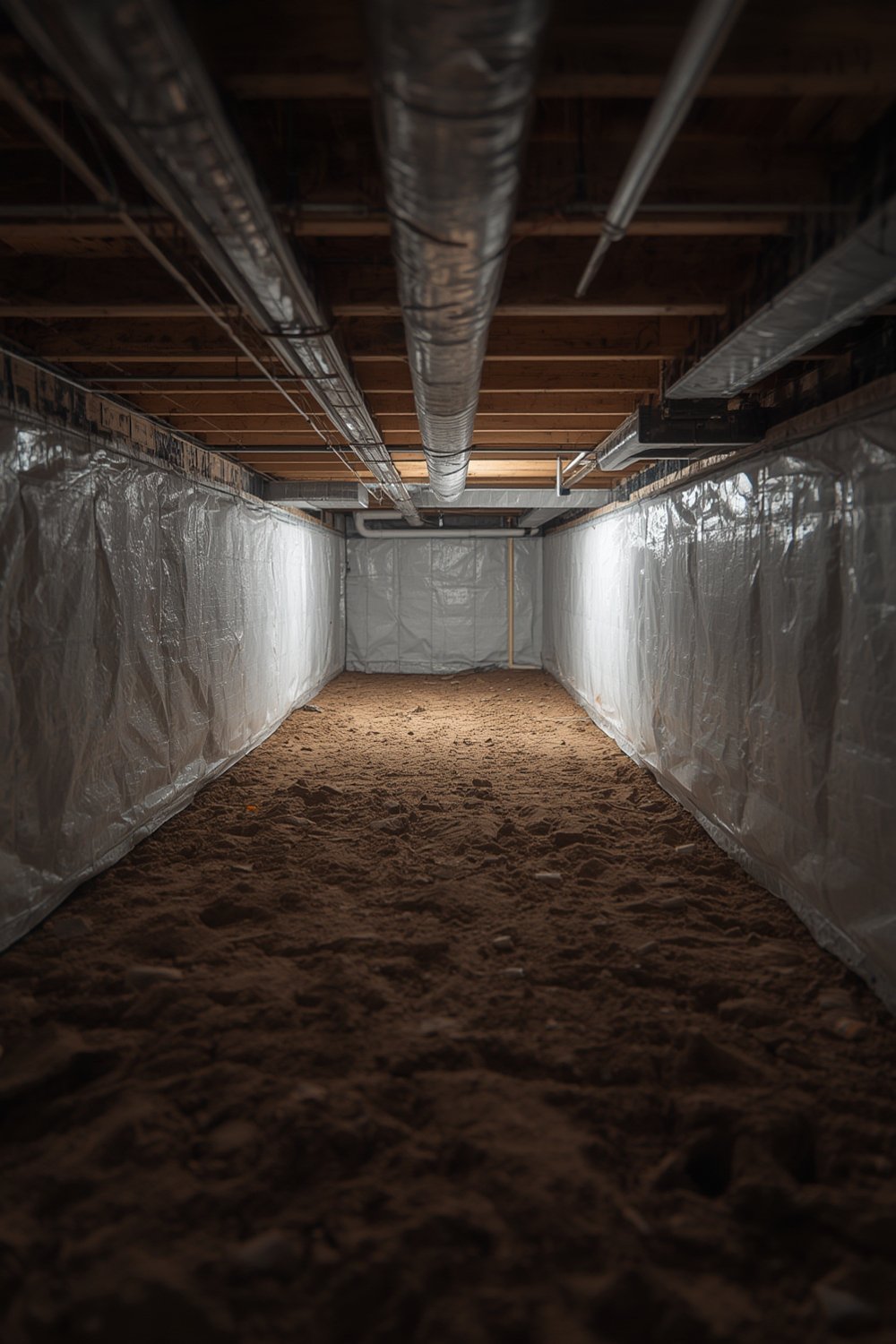
The total cost often ranges from $3,000 to $15,000, or $3 to $10 per square foot, depending on the size, height, and condition of the crawl space. Smaller jobs (100 to 200 square feet) can run as low as $1,500, while large or tall crawl spaces (up to 3,000 square feet) can reach $30,000 or more if significant repairs are needed. Labor typically makes up 50% to 70% of the total bill, with the vapor barrier, insulation, drainage, and dehumidifier as major cost drivers. See breakdown.
If you’re deciding between deep crawl space encapsulation or just adding insulation, it’s important to know that only encapsulation fully controls moisture. Insulation alone is cheaper, at $1.00 to $4.50 per square foot, but does not stop water or mold source.
Step-by-Step Guide: How to Estimate and Manage Costs
Getting an accurate crawl space encapsulation cost means breaking the project into manageable parts. Here’s what you need to budget for—and how to avoid surprise expenses:
- 1. Inspect and Clean: Professional inspection costs $100 to $250. Basic cleaning and debris removal runs $500 to $4,000 but can be DIYed with caution if no severe mold or vermin are present.
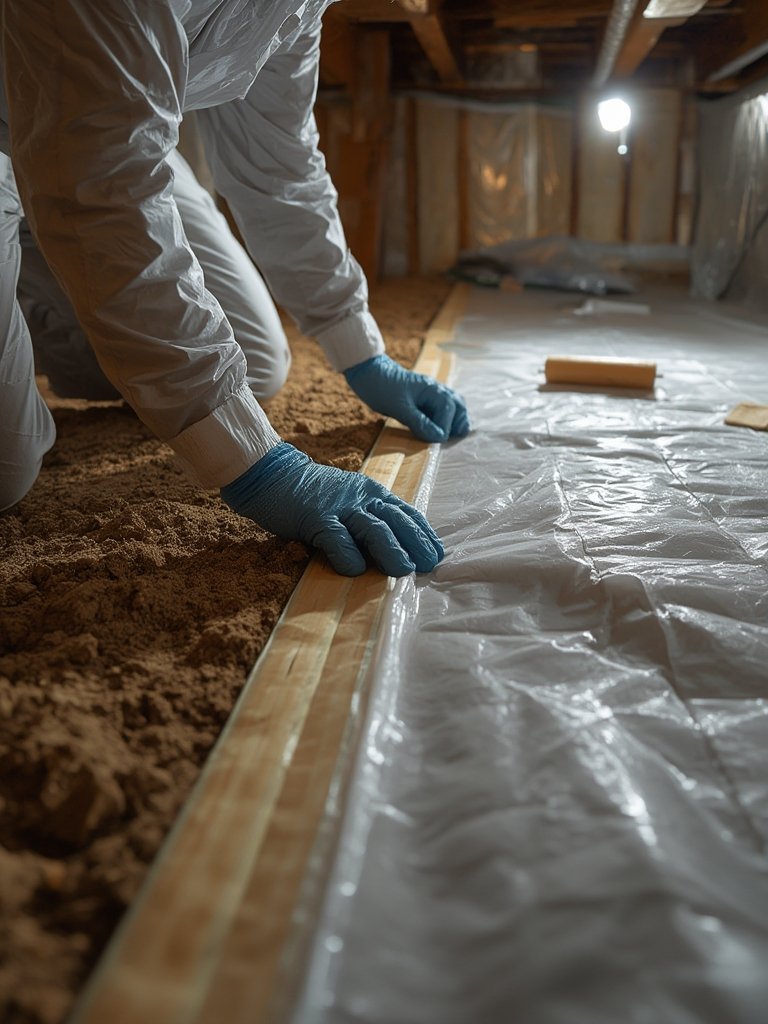
- 2. Vapor Barrier: Install a 6-20 mil vapor barrier, costing $0.15 to $0.50 per square foot for materials, plus $1.50 to $3 per square foot labor. Total for a 1,200 sq ft space: $1,200 to $4,000. Thicker barriers (12-20 mil) offer longer-term protection.
- 3. Insulation: Wall or subfloor insulation is typically $1.00 to $4.50 per square foot. Closed-cell spray foam is best for moisture, while rigid foam or batt insulation is cheaper but less effective for wet areas. Removing old insulation adds to your costs.
- 4. Sealing and Repairs: Air sealing vents, doors, and minor cracks costs $150 to $450. Major foundation repairs (if needed) can range from $2,000 to $15,000.
- 5. Drainage: Interior drain or sump pump systems start at $500 and may exceed $4,000 if your crawl space has active water intrusion.
- 6. Dehumidifier: Expect to pay $1,500 to $2,500 for a crawl space dehumidifier and installation.
To further maximize the value of your home upgrades, see our guide on ADU garage conversion for rental income or heat pump water heater rebates for utility savings.
Advanced Analysis & Common Pitfalls
Crawl space encapsulation is a major investment, and the stakes are high if it’s done wrong. Here’s what often goes sideways:
- Underestimating Scope: Small crawl spaces are often inexpensive—but tall or complex spaces may cost $20,000 or more. Debris removal, rot, and foundation repairs aren’t always included in base quotes.
- DIY Hazards: Incomplete encapsulation (loose vapor barriers, no drainage, or skipping a dehumidifier) leaves homes vulnerable to persistent moisture and new mold growth. DIY jobs start at $1,500 but rarely hold up long-term. Some insurance policies may not cover damage after DIY attempts.
- Choosing Insulation Only: Insulation reduces energy costs but does not seal against moisture, which is the root cause of most crawl space problems. Labor for removing old insulation adds unexpected costs ($1 to $2 per square foot).
- Missing Dehumidifiers in “Base” Quotes: Some contractors list low prices but exclude the dehumidifier—vital for long-term moisture control, especially in humid climates.
- Lack of ROI Data: Few companies provide real-world proof of energy savings, resale value, or air quality improvement post-encapsulation. Results do show fewer pests, lower humidity, and better comfort in most cases source.
| Feature | Encapsulation | Insulation Only |
|---|---|---|
| Cost (per sq ft) | $3.00–$10.00 | $1.00–$4.50 |
| Main Function | Seals out moisture & mold; adds insulation | Reduces heat loss only |
| Includes Vapor Barrier | Yes | No |
| Dehumidifier Included | Typically | No |
| Recommended For | Moisture-prone crawl spaces | Crawl spaces with no water issues |
| Potential Downsides | High upfront cost | May worsen moisture & mold |
While there’s little verified data about resale value or energy savings after encapsulation, homeowners frequently report increased comfort and less worry about mildew or pests. However, the lack of proven ROI means it’s wise to view encapsulation as home protection rather than an immediate investment return.
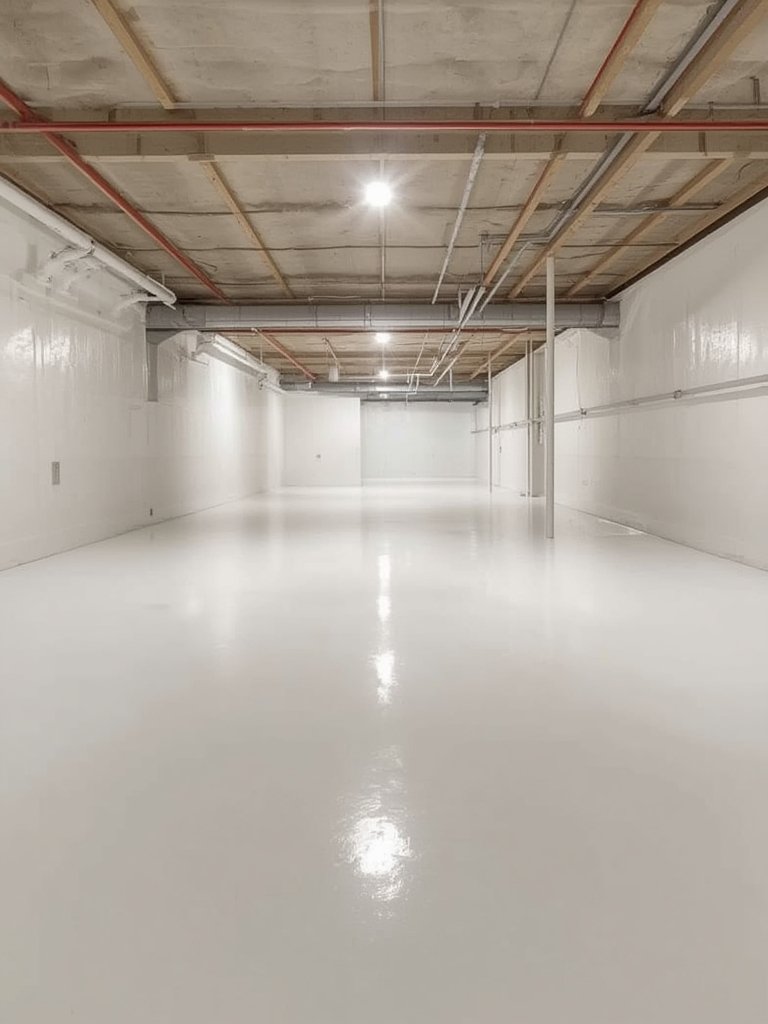
If you’re considering other property upgrades, such as home EV charger installation or adding a cold plunge pool to your backyard, compare ROI potential and complexity with crawl space encapsulation. Each upgrade comes with different maintenance and insurance factors to weigh.
Conclusion
Crawl space encapsulation cost can range dramatically depending on your space, the materials you choose, and whether you hire a professional or go DIY. The bottom line: a well-sealed crawl space can prevent moisture, mold, and structural issues—but skipping steps or choosing the wrong system may lead to regrets.
Ready to take action? Get multiple quotes with itemized pricing for all components. Insist on a thick vapor barrier, proper drainage, and a high-quality dehumidifier. When in doubt, trust professionals with proven results in your area.
For more upgrade ideas and proven strategies for home value, see our expert guides on heat pump water heater rebates or garage ADU conversions.
If you want real peace of mind and a dry, healthy foundation, investing in the right crawl space encapsulation cost is worth every penny. Get started with a local pro today.
FAQ
How much does crawl space encapsulation really cost in 2024?
The national average ranges from $3,000 to $15,000, or $3 to $10 per square foot. Costs depend on square footage, condition, repair needs, and if extras like drainage or a dehumidifier are needed. Large, tall, or moldy crawl spaces can exceed $20,000. (source)
Is encapsulating a crawl space worth the money?
For homes with recurring moisture, mold, or pest problems, yes. Encapsulation offers lasting moisture and air sealing, which basic insulation or vapor barrier alone cannot. However, there’s little hard data on ROI or energy bill savings, so see it as protection—not a quick investment.
Can I DIY crawl space encapsulation to save money?
You can, but DIY often leads to mistakes like thin or loose vapor barriers, missed joints, or skipping drainage and dehumidification. These shortcuts can allow moisture and mold to return, leading to more costly repairs later. DIY jobs usually start at $1,500 but rarely provide the lasting benefits of professional work.
What’s the difference between encapsulation and just insulation?
Encapsulation is a system of sealing, vapor barrier, insulation, drainage, and a dehumidifier. Insulation alone only helps with energy costs, not moisture or mold. Encapsulation is strongly recommended for damp or mold-prone crawl spaces.
Does encapsulating my crawl space increase my home’s value?
There is no solid data proving encapsulation increases resale value. However, buyers may see it as a sign of a well-maintained, healthier home with fewer future problems.