

Raw diet for cats is a topic generating heated debate, but for owners like Emily, the goal isn’t following trends—it’s about making safe, evidence-based decisions for your cat’s health, using the latest veterinary research and clear, practical steps.
Key Takeaways
- A raw diet for cats carries higher risks of dangerous bacteria, recalls, and nutritional imbalances compared to commercial cooked foods—strict safety and formulation are critical.
- Only follow homemade raw cat food plans after consulting a qualified veterinary nutritionist and using up-to-date safety protocols for sourcing, handling, and supplementation.
- Expect significant time, cost, and sourcing hurdles—know your numbers, and regularly monitor your cat’s health if you proceed.
- Why this topic matters now — the latest veterinary evidence
- Safety-first protocols — sourcing, freezing, processing, and handling (actionable checklist)
- Advanced Analysis & Common Pitfalls
- Final recommendation & action steps
- FAQ
Why this topic matters now — the latest veterinary evidence
Raw diet for cats is no longer a fringe practice—in 2024 and 2025, several new clinical studies and outbreak investigations have shifted the safety equation. Recent veterinary reviews confirm that cats eating raw meat–based diets (RMBDs) face much higher risks of pathogenic bacteria (like Salmonella, E. coli, Listeria, Cronobacter, Campylobacter, and Staphylococcus) as well as parasites. There are also rising reports of antibiotic-resistant bacteria and fatal viral outbreaks, including H5N1 avian influenza, now directly linked to raw pet food—well over 50% of cats affected by H5N1 through raw poultry have died. In stark contrast, cooked commercial diets almost always test negative for these microbes, and have not been implicated in such outbreaks.
Key statistics:
- Cats on RMBDs have far more documented exposure to dangerous pathogens and outbreaks; commercial cooked diets have tested negative in the same studies (Tufts Vet School).
- Ingredient label mismatches, such as undeclared chicken (often implicated in avian flu deaths), were found in recent mitochondrial DNA studies (Cornell Chronicle).
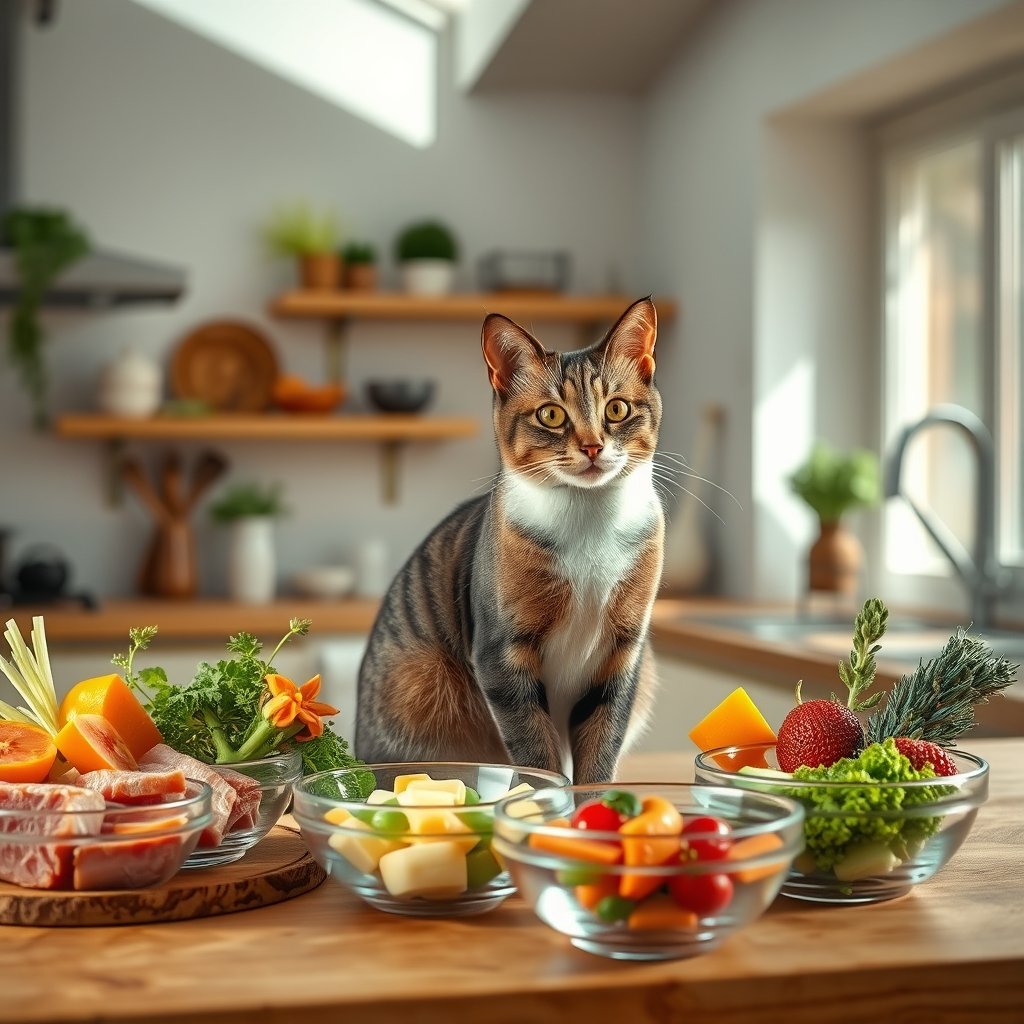
For health-conscious owners, these findings mean the burden of safety and nutritional adequacy now rests squarely on the home chef and their vet—not on industry standards. This guide tells you exactly what you must do to minimize risks and make informed choices.
Safety-first protocols — sourcing, freezing, processing, and handling (actionable checklist)
If you decide to prepare homemade raw cat food, you must apply clinical-grade safety steps at every stage—weak links in sourcing, hygiene, or handling are where all major outbreaks and recalls originate.
- Ingredient Sourcing: Avoid high-risk meats (especially raw poultry, which has repeatedly been linked to fatal avian flu in cats). Use only meats that are labeled for human consumption, and request lot-specific safety data if possible (Cats.com recall report).
- Freezing: Freeze all meats at –20°C (–4°F) for at least 7 days to reduce parasite risk; note this does not reliably kill bacteria like Salmonella or Listeria.
- Preparation & Hygiene:
- Prepare raw meals in a separate zone (or at minimum, using separate boards, utensils, and gloves).
- Disinfect all surfaces and tools with a proven sanitizer directly after use.
- Keep pets and children away from raw food prep areas.
- Portioning & Storage: Prepare small meal quantities, freeze in single-servings, and thaw only as needed—never re-freeze thawed meat. Use airtight containers, and store the finished product no more than 2 days under refrigeration (≤4°C/39°F).
- Feeding: Always wash bowls with hot, soapy water between each feeding. Remove uneaten portions after 30 minutes. Never leave raw food to sit at room temperature.
- Industrial Mitigation: When available, select commercially prepped products that use HPP or other recognized sterilization—this dramatically lowers microbial load without cooking the food (see research).
- Monitor for Recalls: Subscribe to recall alerts and vet advisories for your chosen brands and suppliers—recent Salmonella and Listeria recalls occurred for major raw food brands as recently as 2025 (Cats.com recall report).
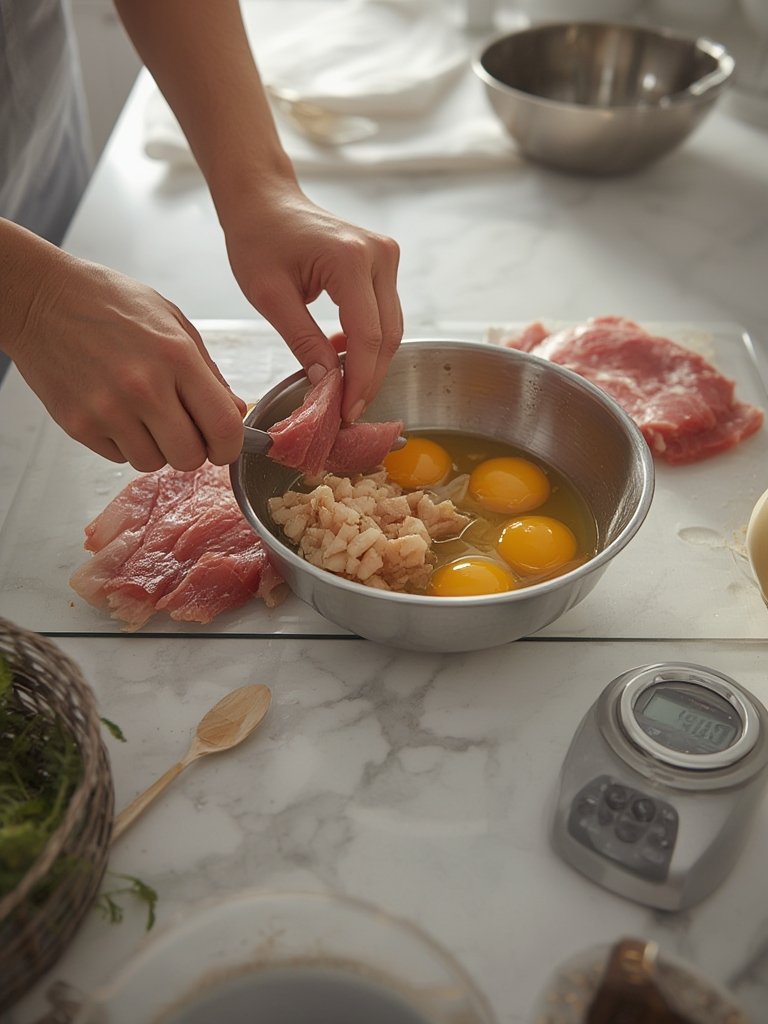
To further reduce risk, ask your vet about periodic stool screening for pathogens and maintain up-to-date vaccinations for your cat—and anyone at high risk in your home should avoid raw food preparation entirely.
Advanced Analysis & Common Pitfalls
Even with strict hygiene, evidence shows homemade raw cat food carries high rates of nutritional imbalances and infection compared to commercial cooked options. Owners routinely under-estimate the demands of safe prep and proper formulation. Below is an actionable table outlining the top challenges, based on owner reports and veterinary research:
| Challenge | Risk/Problem | Common Mistake | Suggested Fix |
|---|---|---|---|
| Ingredient Sourcing | Lots of recalls and label mis-matches (e.g., chicken in non-chicken foods) | Trusting package labels; not checking for recalls | Use trusted human-grade suppliers; check recalls monthly (Cornell study) |
| Pathogen Control | Persistent bacteria and parasite risk | Relying on freezing alone as a fix; skipping HPP option | Prefer HPP-treated products; rigorous prep and cleaning |
| Nutrient Balance | Malnutrition from unbalanced minerals/vitamins | Using recipes missing taurine, calcium, or correct bone/organ ratios | Vet-formulated recipes; periodic nutrient bloodwork |
| Time & Effort | Preparation is time-intensive, especially sourcing organs | Assuming it’s a one-time task | Plan for several hours monthly; batch prep with strict sanitation |
| Cost | Raw diets are often more expensive than quality canned or freeze-dried | Not factoring in supplements, freezer space, lab tests | Budget carefully using ingredient, supplement, and storage costs; compare with commercial options |
| Monitoring | Lack of routine health checks, leading to undetected malnutrition or infection | Not running blood panels or tracking weight | Schedule regular vet visits, baseline and follow-up labs |
- Examples from user forums and Reddit highlight extreme recipe errors—some “vet” recipes posted include more liver or kidney than muscle meat, leading to dangerous vitamin A toxicity or phosphorus overload (Reddit example).
- Owners also routinely complain about time spent sourcing specialty organs and supplements, difficulty storing bulk ingredients, and lack of easy-to-follow, balanced recipes (TheCatSite forum).
- Documented label discrepancies mean even avoiding chicken or at-risk proteins is not foolproof—testing sometimes revealed chicken DNA where not listed (Cornell Chronicle).
For more on pet wellness essentials, see our guides to indoor cat enrichment toys and pet water fountain selection.
Final recommendation & action steps
While raw diet for cats can be managed with rigorous hygiene and veterinary support, the evidence is clear: the health risks of live bacteria, viral pathogens, and incomplete nutrition are elevated compared to properly formulated cooked commercial diets. If you choose homemade raw cat food, do not rely on social media recipes or word-of-mouth—your best defense is a professionally reviewed recipe, strict cleaning protocols, and regular vet checkups. Otherwise, consider premium cooked or freeze-dried raw pet food options to significantly reduce infection and recall risk. Explore freeze-dried raw pet food alternatives here.
Action steps:
- Consult a veterinary nutritionist before starting or changing any raw feeding plan.
- Use the actionable safety and nutrition checklists below to evaluate recipes and feeding practices.
- Sign up for recall alerts with your local veterinary association and major brands.
For further reading, visit our related guides on pet dental chews vs brushing and choosing a slow feeder dog bowl.
FAQ — Your raw feeding questions, answered
Is freezing meat enough to make raw diet for cats safe?
No. Freezing at –20°C for at least 7 days can kill many parasites, but it does not reliably inactivate dangerous bacteria like Salmonella or Listeria. Additional sterilization steps, like HPP, plus strict hygiene, are strongly advised (research source).
Can I avoid infection by skipping poultry or choosing exotic meats?
Not reliably—recent studies found label mis-matches in raw pet foods, including undeclared chicken in beef- or fish-labeled products. Avian flu risk can be reduced by avoiding raw poultry, but effective risk avoidance depends on supplier transparency (Cornell Chronicle).
How do I know if a homemade raw cat food recipe is balanced?
The only reliable way is to have the recipe checked by a board-certified veterinary nutritionist. Key nutrients to watch for: taurine, calcium, phosphorus, vitamin A, arachidonic acid, B vitamins, and correct muscle–organ–bone ratios. Many viral recipes online are grossly unbalanced (Reddit).
Is homemade raw cat food cheaper than buying commercial diets?
Often not, once you include time, ingredient costs, supplements, storage, and vet/lab fees. Cost can be lower in multi-cat homes or rural areas, but most urban owners report higher monthly costs than high-quality canned or freeze-dried diets.
What’s the biggest real-world risk with raw diet for cats?
Microbial contamination—dangerous to cats and humans alike—remains the top veterinary concern, alongside nutrient deficiencies and time/cost burdens of proper preparation (Tufts research).