

window well egress cover installation is often the hidden make-or-break factor when converting your basement into a legal, safe bedroom. If you want to avoid water leaks, frustrating callbacks, or code violations that can kill a real estate sale, you need to get both the cost breakdown and technical compliance right the first time.
Key Takeaways
- Expect a total project cost of $4,500–$7,000 per window well egress opening, including excavation, window, well, cover, labor, and permits.
- The window well egress cover must be removable without tools, provide clear light, and ensure proper drainage to pass code and prevent leaks.
- Most post-installation problems—especially water leaks—result from poor drainage, missing cover specs, or skipped permit processes, not the window or cover themselves.
- Quick answer — what this project will cost and why it matters
- Step-by-step installation guide (from survey to final inspection)
- Advanced analysis & common pitfalls (drainage, compliance, callbacks)
- Conclusion
- FAQ: Window Well Egress Cover & Basement Egress Install
Quick answer — what this project will cost and why it matters
The total basement egress window installation cost (including a code-required window well egress cover) typically ranges between $4,500–$7,000 per opening in the United States as of 2024–2026. Your money covers demolition, excavation, cutting the foundation, framing, window/well unit, specialized drainage, waterproofing, the egress cover ($200–$600 for a clear, vented model), necessary permits ($200–$500), and contractor labor ($1,500–$2,500 at $70–$150 per hour). Compliance is not optional: a proper setup ensures safe emergency exit, meets code for resale, and keeps your basement legal as a sleeping area. Skimping can jeopardize home insurance, kill an appraisal, or create costly rework—even if “just” the cover is wrong.
Step-by-step installation guide (from survey to final inspection)
Installing a compliant basement egress window and well, capped with a proper window well egress cover, follows a set order. Here’s the practical sequence smart contractors use to avoid snags:
- Site survey and code/permit check. Take measurements, photos, consult IRC R310 (egress rules), and check for local amendments with your building inspector. Pull your permit before anyone lifts a shovel.
- Locate utilities & plan for grade/drainage. Use 811 or a local locator service to avoid gas, water, or electric lines. Inspect existing drainage and slopes.
- Excavation and soil management. Dig out the window well area, ensuring at least 36” projection from the wall and sizing the well to at least 9 sq ft clear area (usually 3’x3’ minimum), per IRC.
- Cut concrete/foundation & rough framing. Use a concrete saw to cut a new opening or enlarge an existing window to the minimum required dimensions (net clear opening of 5.7 sq ft, minimum 20″x24″, sill ≤44” off finished floor).
- Header/sill framing. Install headers above the opening for structural support. Frame the rough opening, checking for level/plumb.
- Window insertion and flashing/waterproofing. Install the unit, adding self-adhesive flashing membrane, caulk, and water diverters as required.
- Well installation + drainage connection. Place the window well (steel, composite, or concrete), anchor to the foundation, and tie its base to either an interior drain tile or a gravel sump that daylight’s away from the house. Backfill in lifts for stability.
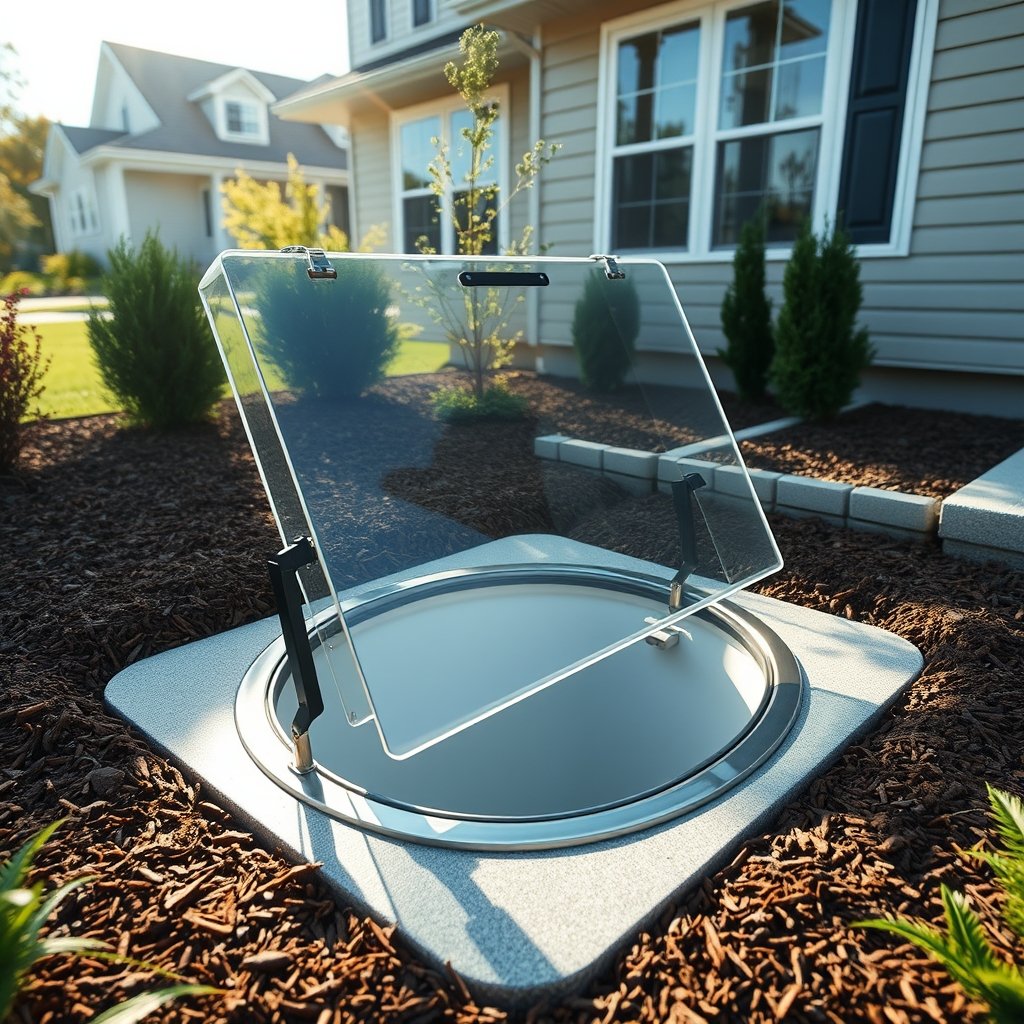
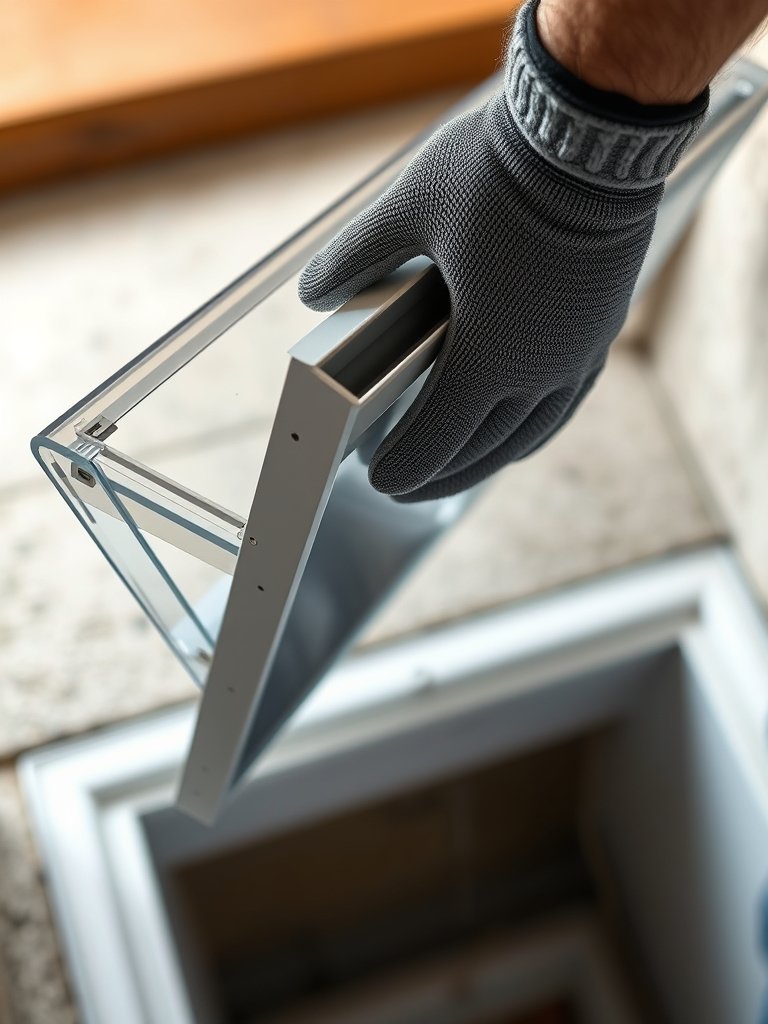
- Add the window well egress cover. Anchor with supplied brackets or tabs. Cover must be removable from inside without tools, can be domed (clear polycarbonate) or flat (metal grid), and should vent unless otherwise required by code.
- Interior finish and code signoff. Patch inside surround, insulate as needed, trim as desired. Schedule inspection for final sign-off—get a compliance certificate for your records.
Want more technical installation guides? Check out actionable step sequences for complex projects like ADU garage conversion or crawl space encapsulation.
Advanced analysis & common pitfalls (drainage, compliance, callbacks)
Most post-install headaches (leaks, mold, inspection fails, or resale trouble) stem from details beyond the window itself. Here’s what research, contractors, and frustrated homeowners say actually goes wrong:
- Poor drainage design: Most leaks occur because well base drainage is missing, clogged, or never connected to drain tile. Water backs up, overflows the well, and seeps into or around the window.
- Cover fails code: A window well egress cover that is too heavy, locked, or secured with tools will fail inspection and create a safety hazard. Covers should always be easily lifted or slid aside from inside, and allow natural light—even in heavy snow areas.
- Skipped permits/documentation: Many homeowners try to DIY or “just skip” permitting—only to be caught by future buyers, lenders, or home insurers demanding proof of legal bedrooms during later inspections or claims.
- Material mismatch or installation gaps: Using the wrong cover (opaque, non-UV stabilized, or non-custom fit), missing waterproofing laps, or short-cutting backfill around the well here creates rapid deterioration, water entry, or even collapse.
| Problem | Root Cause | Prevention |
|---|---|---|
| Water in well or through window | No/misaligned drainage, clogged rock bed, flat well base | Connect well to drain tile or gravel pit; verify slope, clear debris seasonally |
| Inspection fail – cover or window | Cover not removable without tools, window opening size too small, sill too high | Review IRC R310 and local code before buying/installing; insist on tool-free covers |
| Failed resale or insurance claim | No permit, missing inspector sign-off | Always permit, schedule inspection, and retain compliance docs for future |
| Security/pest concerns | Weak covers, open perimeter, gaps around frame | Select covers with adequate load/security ratings; caulk perimeter seal, add screens |
It’s clear from contractor experience that the window well egress cover plays a role far beyond just keeping out rain. For more on post-installation issues and how to avoid nasty surprises, see this authoritative guide on egress window leaks and their real causes.
- No drain detail included in the scope.
- Permit cost is omitted or “we handle permits” without producing a copy.
- Proposed cover cannot be removed from inside without tools or doesn’t specify material/load rating.
- No waterproofing warranty or post-install inspection line item.
For more on how compliance, documentation, and upfront technicalities affect later sale, insurance, and legal bedroom status, visit guides like ADU garage conversion or crawl space encapsulation. And for regional budgeting insight, see this in-depth cost breakdown.
Conclusion
A code-compliant basement bedroom is as much about the window well egress cover and strict drainage as the window itself. Expect a $4,500–$7,000 investment, check code before buying, and document every step—especially permits and waterproofing warranty. If you want a legally recognized, trouble-free basement bedroom, cut no corners, align both drainage and egress cover specs with IRC R310 and your local inspector, and save every inspection sign-off for the future. For the most accurate quote and peace of mind, grab our one-page checklist and start your bids the right way today.
Ready for action? Download the complete homeowner checklist below and request itemized, code-backed quotes from licensed pros.
- Photos and accurate opening measurements (interior and exterior)
- Note wall thickness and finished floor height for sill
- Check local code amendments with your building inspector
- Ask for itemized quotes—including drainage, waterproofing warranty, cover spec sheet, and permits—before work starts
- Insist on a window well egress cover you can remove without tools, with clear documentation of its material and load rating
- Obtain final inspection sign-off and retain permit forms for future resale/insurance
FAQ: Window Well Egress Cover & Basement Egress Install
How much does a basement egress window installation cost including the window well egress cover?
The total project typically ranges from $4,500 to $7,000 per opening, including excavation, window, well, vented cover, permits, and labor. Covers alone usually cost $200–$600. Regional factors may shift overall budget higher or lower. [source]
What are the window well egress cover code requirements?
The cover must allow emergency exit—meaning it must be removable from inside without tools. Typical specs: clear, vented polycarbonate or light metal, properly fit to well opening, and must not restrict the area or block drainage. Always verify local amendments to IRC R310.
What’s most likely to go wrong after installation?
The top issues are water leaks due to poor drainage or missing weep holes, failed inspections when window size or well depth is off, and maintenance problems (debris in well, stiff or blocked covers). These issues are far more common than factory window defects.
Do I really need permits and inspections for a basement egress window project?
Yes—most municipalities require permits because installation typically involves foundation modifications and affects emergency egress. Skipping permits can cause major headaches on appraisal, insurance, and future sale.
Which egress cover material is best for security and maintenance?
Heavy-duty polycarbonate (clear, domed) or vented aluminum covers strike the best balance: they resist break-ins, allow light, and withstand snow loads. Always check rated load and warranty before purchase.