

:
Robotic lawn mower technology has reached a tipping point in 2026, but choosing the right model takes more than chasing flashy features or the newest app. Making a smart, lasting investment means focusing on real-world performance, total cost of ownership, and matching mower capabilities to your property’s unique needs. This guide delivers the buying intelligence you need—straightforward, unbiased and based on the data that matters.
Key Takeaways
- 2026 robots mow better than ever, but price vs. long-term fit is the #1 regret among buyers. Choose for your lawn’s slope, size, and budget—not just features.
- Market is expanding rapidly; $10 billion in 2026 and set to hit $22 billion by 2033 (source), leading to frequent model upgrades and changing tech.
- Expect some manual intervention—even top robot mowers still get stuck or forget docks occasionally (per CNET and homeowner surveys).
- Quick verdict — which robotic lawn mower profile is right for you
- Why robotic lawn mowers are a compelling buy in 2026
- The single biggest regret buyers report — and how to avoid it
- Critical real‑world pain points (what buyers actually complain about)
- 7 must‑check specs for 2026 (how to evaluate technical claims)
- Navigation & sensing — the tech that separates winners in 2026
- Top reliability and customer‑satisfaction signals to prioritize
- Price & real running costs (what to budget)
- Installation, maintenance & service — what’s easy vs. what’s not
- Best‑in‑class feature checklist by buyer type
- Top recommended models & brands to test in 2026 (how to pick finalists)
- Under‑explored concerns most reviews miss (three gaps to cover)
- Buying checklist & negotiation script (practical next steps)
- Final recommendation & 30‑second summary
- FAQ
Quick verdict — which robotic lawn mower profile is right for you
The robotic lawn mower market in 2026 is vast—around $10B with 11–12% CAGR—and choosing wisely means zooming out from hype. Here’s the need-to-know:
- Compact/Entry-level: Best for smaller, flat lawns (under 0.25 acre/1,000 m²). Buy for ease of use and low upfront cost, but check for coverage area and slope limits.
- Mid-range: Suits 0.25–1 acre (1,000–4,000 m²), mild slopes (up to 30°). Prioritize models with multi-zone support and decent battery life.
- Commercial/Top-tier: For large/complex lawns, hills, or pro use. Look for 20–24″ cutting widths, >2–3hr runtime, advanced navigation (GPS/RTK/LiDAR), and upgrades for >35° slopes. Accept higher cost but get maximum reliability and coverage (source).
Why robotic lawn mowers are a compelling buy in 2026
Today’s robotic lawn mowers are not just gadgets—they fill a real gap created by labor shortages, smart‑home growth, and greener battery tech. The surge in the market (projected $22B by 2033) is fueled by homeowners and contractors demanding hands-off solutions and smarter urban landscaping (market data).
Battery runtimes and navigation tech are leaps ahead of just a few years ago, making entry-level and mid-tier robots viable for most properties. For busy professionals, high-income households and landscapers, robotic mowers are about reclaiming time and achieving consistent curb appeal with minimal intervention.
But with so much growth comes rapid iteration—today’s “best robot lawn mower 2026” may be outdated in eighteen months, so buyers should plan for product churn and prioritize machines that promise reliable upgrades and support.
The single biggest regret buyers report — and how to avoid it
The #1 reported regret is overpaying for an under-spec’d model that struggles on the buyer’s lawn—especially with slopes or coverage that exceeds spec limits. Homeowners and contractors also complain about hidden costs, such as installation, maintenance, and required subscriptions for app features or firmware (according to Lawn Love survey).
The lesson: Always match the mower’s battery, coverage area, and tech to your lawn’s size and challenges. Don’t fall for a “best robot lawn mower 2026” list that skips real-world fit and cost. Plan for installation or pro setup, and always get written details on what subscription services will cost over five years.
Critical real‑world pain points (what buyers actually complain about)
Even in 2026, buyers mention:
- Boundary wire breaks or GPS mapping errors that make robots lose their way
- Getting stuck on tree roots, debris, or high-centered on uneven turf
- Objects caught in wheels or mower deck (kids’ toys, garden hoses), requiring manual frees (CNET review)
- Uneven cuts on bumpy or sloped lawns
- Slope or range limitations—that “premium” mowers stop cold on hills or run out of battery before finishing large areas
- Price and the need for future battery/service expenses
7 must‑check specs for 2026 (how to evaluate technical claims)
Don’t just skim the spec sheet—tie every number to your yard’s needs:
- Cutting Area per Charge: Top models: 2,000–4,000 m²/charge. Undershot? Robot will constantly recharge, doubling mow times.
- Cutting Width: 20–24 inches = fewer passes and faster completion. Narrow decks are for small or choked pathways.
- Slope Capability: 35° is standard for premium; some go above 40°. Entry-level? Rarely handles steep grades.
- Battery Runtime & Recharge: 2–3 hours continuous mowing is the target. Rapid fertilizer-feeding lawns? Go longer.
- Noise Levels: Check decibel ratings. 55–60 dB is reasonable for high-end models—quiet enough for night operation.
- Deck Features: Adjustable cutting heights and debris-resistant designs prevent uneven mowing and stuck objects.
- Smart Integrations: WiFi/bluetooth, app scheduling, multi-zone, and smarthome compatibility (Alexa, Google Home, etc.) bring true hands-off convenience.
Navigation & sensing — the tech that separates winners in 2026
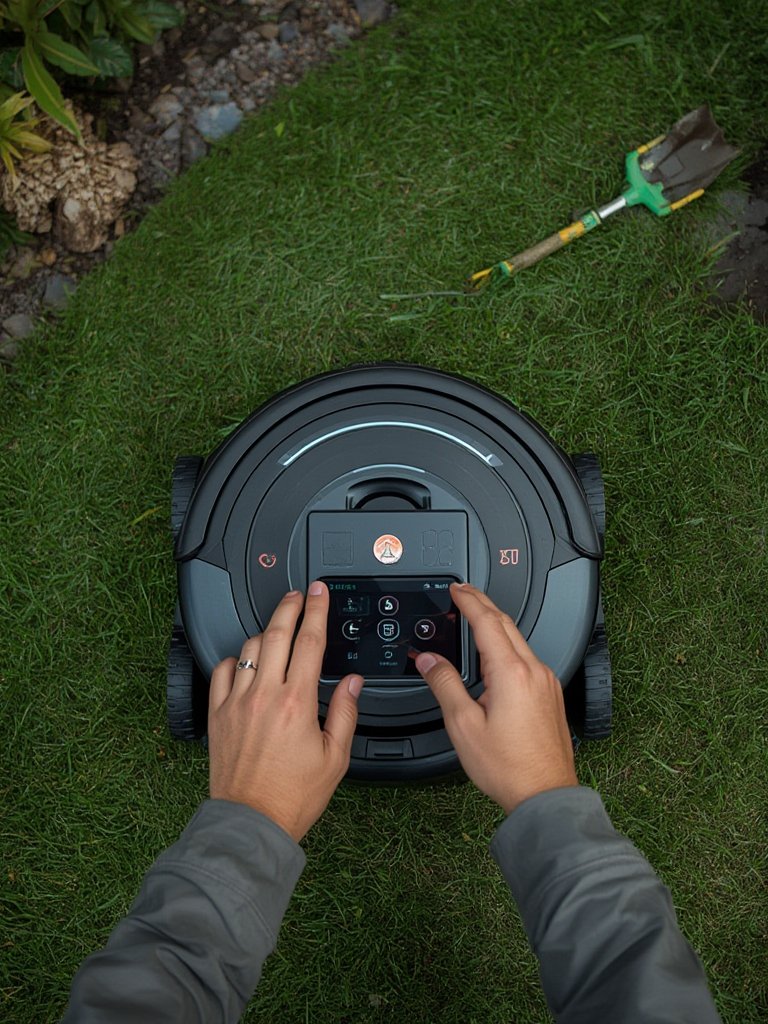
Today’s top robotic lawn mowers use three types of navigation systems:
- Boundary wire: Most proven, but physical wires can break and are tedious to move or repair if you change your yard layout.
- GPS/RTK/LiDAR (boundary-free): The 2026 standard for high-end mowers. Delivers accurate mapping, allows for complex multi-zone coverage, and custom “no-mow” areas. Less manual work after setup and easier upgrades—though sometimes less precise on small/narrow yards.
- AI obstacle detection: Reduces stuck events by recognizing (and often avoiding) toys, hoses, pets, or unexpected obstacles.
Want more on smart home tech? Check out our AI smart home hub setup guide for next‑level automation integration tips.
Top reliability and customer‑satisfaction signals to prioritize
Spec sheets sell, but buyer reviews reveal the truth. Before purchase, prioritize:
- Uptime & Docking Success Rate: Even high-end units occasionally miss docks (CNET); look for honest stats from reviewers.
- Manual Frees: How often does it need intervention? Frequency should dip below 1x/month on best robot lawn mower 2026 contenders.
- Warranty & Service: 2+ years is standard; check that service networks are strong in your state or region.
- Firmware Support: Longevity matters more as new functions roll out via updates. Ask about minimum support windows, especially for premium models.
- Dealer/Parts Availability: Can you get help within a week—not “send to factory for a month”?
Considering other smart upgrades? Learn how to maximize home EV charger installation for long-term satisfaction too.
Price & real running costs (what to budget)
Sticker price grabs attention, but real ownership costs are often buried:
- Upfront Cost Bands: $900–$2,000 for entry/mid, $2,500–$6,500+ for premium commercial models.
- Installation Costs: DIY (flat, simple lawns) can be free; pro install (complex, steep, multi-zone) can add $250–$1,200.
- Recurring Expenses: Battery replacements ($200–$500/3–5 years), blade sets ($50–$150/year), optional cloud/app subscriptions ($50–$200/year).
- Five-year TCO Calculation: Add sticker + install + five years’ maintenance/subscription for apples-to-apples comparisons—mandatory for avoiding regrets. Manufacturers are now doubling down on subscription add-ons (market report).
Remember: price—plus hidden service or subscription fees—is the biggest “I wish I’d known” cited in buyer surveys.
For tips on cost management and ROI, see our solar panel installation cost guide.
Installation, maintenance & service — what’s easy vs. what’s not
DIY install works for small, flat yards: unbox, charge, use app for mapping (wireless) or lay perimeter cable (wired), set cut height, and schedule. However, complex terrain, slopes >30°, multi-zone needs, or expected annual firmware issues demand a pro install for boundary tuning and service setup.
Maintenance is light: blades every few months, clean out deck/wheels, and recharge batteries as needed. Even so, anticipate occasional glitches (robot “forgetting” its dock or getting stuck on debris) per owner reviews.
Firmware and app updates now fix more bugs and add features, so prioritize brands with a clear update policy and active post-sale support. Avoid “set it and forget it” promises—routine touch points are part of the deal.
Curious about smart home maintenance? DIY smart home retrofit tips are just as relevant for connected lawn care.
Best‑in‑class feature checklist by buyer type
| Buyer Type | Must-Have Features (2026) | Key Specs to Match |
|---|---|---|
| Homeowner (Small/Medium Lawn) |
|
|
| Large/Complex & Commercial |
|
|
Top recommended models & brands to test in 2026 (how to pick finalists)
Shortlist models by matching all the above specs to your lawn audit. Favor brands known for reliability, strong dealer/service networks, and ongoing software support. Established leaders like Husqvarna, Bosch, and STIHL (see industry revenue here) dominate, but several new entrants are earning high marks in 2026 tests. Read independent reliability reviews and consult local dealers to ensure parts and service are available when you need them—and that you can get help within days, not months.
If you like deep comparisons, our deck composite material guide follows a similar logic for outdoor investments.
Under‑explored concerns most reviews miss (three gaps to cover)
- True Total Cost of Ownership: Factor in subscriptions, battery/service replacements, and professional install costs. Reviewers often conveniently ignore recurring expenses.
- Long-Term Software/Update Support: Will your “best robot lawn mower 2026” still get firmware fixes in three years or will you be pressured onto a new model?
- Multi-zone & Complex Terrain in Real Use: Mowers often underperform across seasons or on irregular yards; insist on seeing multi-month reviews, not just “right after install” results (market analysis).
Buying checklist & negotiation script (practical next steps)
🔍 10-Point Pre-Purchase Checklist
- Audit lawn size (m²) and note slopes/inclines
- Test slope in steepest section (in degrees)
- Calculate total coverage needed per charge
- Check for objects (roots, gravel, hose areas) that may trap robot
- Evaluate dealer/service network locally
- Request trial/demo or confirm return policy
- Ask specifically about required subscriptions for features/app
- Get battery warranty terms in writing
- Obtain firm installation quotes (DIY vs. pro)
- Confirm firmware/software update policies before buying
Negotiation Script for Dealers/Installers
“When comparing models, I’m focused on total cost, coverage fit, and support. What ongoing subscriptions or fees should I expect after purchase? Is post-sale service local or regional? Can you outline the warranty on batteries and updates, and is a trial period or demo available for my property?”
Final recommendation & 30‑second summary
The “best robot lawn mower 2026” is the one sized and spec’d perfectly for your topography, not just buzzy features. If your lawn is under 4,000 m² and has moderate slopes, today’s leading robotic lawn mower models (from established brands) are a sound buy—if you budget for hidden costs and accept rare manual intervention. Steep, irregular, or multi-zone lawns demand GPS/RTK and smart mapping tech, while flat, simple lawns can still benefit from wired or entry-tier models. With the global market topping $10B in 2026 and set for double‑digit growth, more upgrades are coming fast—but plan ahead for software support and recurring service needs. Audit your yard, demand a trial/demo, and confirm every ongoing fee. The only wrong purchase is one that doesn’t fit your real-world needs.
Ready to take the next step? Audit your yard now, match it to a mower profile, and request demos before you buy. For homeowners who crave hands-off mowing with lasting value, the robotic lawn mower is no longer a futuristic dream—it’s a practical, proven time-saver.
FAQ
Do robotic lawn mowers really work on sloped or bumpy lawns?
Top 2026 models can handle slopes up to 35° (some premium ones up to 40°), but performance drops on uneven, root-filled, or heavily landscaped terrain. Always match stated specs to your steepest section, and consider GPS/RTK navigation for complex yards.
How much manual intervention will I need with a robotic lawn mower?
Even the best robot lawn mower 2026 units can get stuck or “forget” their dock occasionally—about once per month for most users according to reviews. Debris, toys, or heavy rain increases intervention frequency.
Are there hidden costs beyond the sticker price?
Yes. Account for installation (DIY or pro), recurring battery/blade replacement, and any app or feature subscriptions. Over five years, total cost of ownership (TCO) often runs 30-70% higher than the base price, especially on premium, feature-rich models.
Should I pick boundary-wire or boundary-free (GPS/RTK/LiDAR) navigation?
For flat, simple lawns, wired models are reliable and proven. For large, multi-zone, or non-rectangular properties, GPS/RTK/LiDAR is best—more flexible and less hassle for edits or landscaping changes. Precision can drop in small/narrow spaces, so test before committing.
Which brands are most reliable in 2026?
Husqvarna, Bosch, and STIHL remain market leaders, but newer entrants are gaining ground. Prioritize brands with strong support networks, documented firmware update policies, and high ratings in independent long-term tests.