

Multifunctional furniture is no gimmick: for anyone living in a studio or micro-apartment, it’s the only way to maximize comfort, agility, and real long-term value in 400–600 square feet. This guide dissects what matters—so your next piece lasts, instead of becoming another Craigslist regret.
Key Takeaways
- The global market for multifunctional furniture is booming—valued at approximately $15.9 billion in 2024 and fueled by smaller living spaces and the shift to hybrid/remote work.
- Buyers frequently regret purchases due to unreliable moving parts, tough assembly, and short product lifespans—prioritizing mechanical reliability is critical.
- Smart buyers compare folded/unfolded dimensions, assembly difficulty, warranty coverage, and replacement part access, not just looks or price.
- Market snapshot — size, growth and 2024–2026 projections
- Why studio dwellers buy — primary needs and the typical space constraints
- What goes wrong — the most common pain points from user reviews
- The critical bottleneck — moving parts, mechanisms and long‑term user experience
- Typical product types and average price expectations
- Price vs traditional furniture — short ROI framework for renters vs owners
- 2024 innovations — materials, mechanisms and smart features that improve durability/adaptability
- What to capture in a product spec comparison
- Three underexplored subtopics to add original value
- Actionable buying checklist & testing protocol
- Conclusion + recommended assets for the piece
- FAQ
Market snapshot — size, growth and 2024–2026 projections
The market for multifunctional furniture and space-saving furniture for studio apartments is having a global breakout moment. In 2024, the multifunctional furniture market was valued at roughly USD 15.9 billion (source), while a related small-space segment recorded USD 7.6 billion. Projections put the sector at USD 8.5 billion by 2026, rising to USD 14.7 billion by 2035 (see report). More than 60 percent of sales are to residential buyers, especially urban renters and first-time buyers seeking premium, space-saving solutions that fit smaller homes. Drivers? Record global urbanization, surging demand powered by hybrid work, and geographic expansion—North America leads with 35 percent market share, followed by Europe and the growing Asia-Pacific cities (industry assessment).

Why studio dwellers buy — primary needs and the typical space constraints
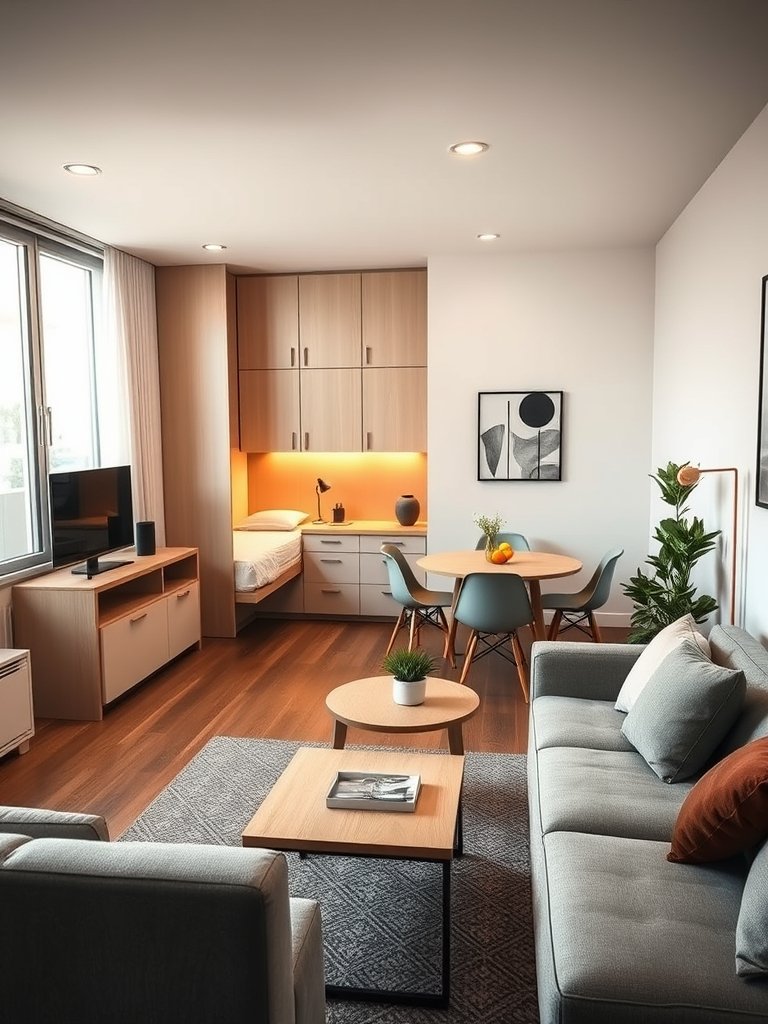
Space-saving furniture for studio apartments isn’t a design trend—it’s a response to non-negotiable constraints: most studios run 400 to 600 sq ft, and over 70% of buyers cite “not enough room for separate zones” (sleeping, working, dining, storage) as their core purchase driver (credenceresearch.com). The challenge: combining living, sleeping, eating, and work needs without feeling jammed or sacrificing comfort. Smart multifunctional furniture bridges these needs—when it actually performs as promised.
What goes wrong — the most common pain points from user reviews
User reviews and product returns highlight real-world trouble. The most frequent complaints:
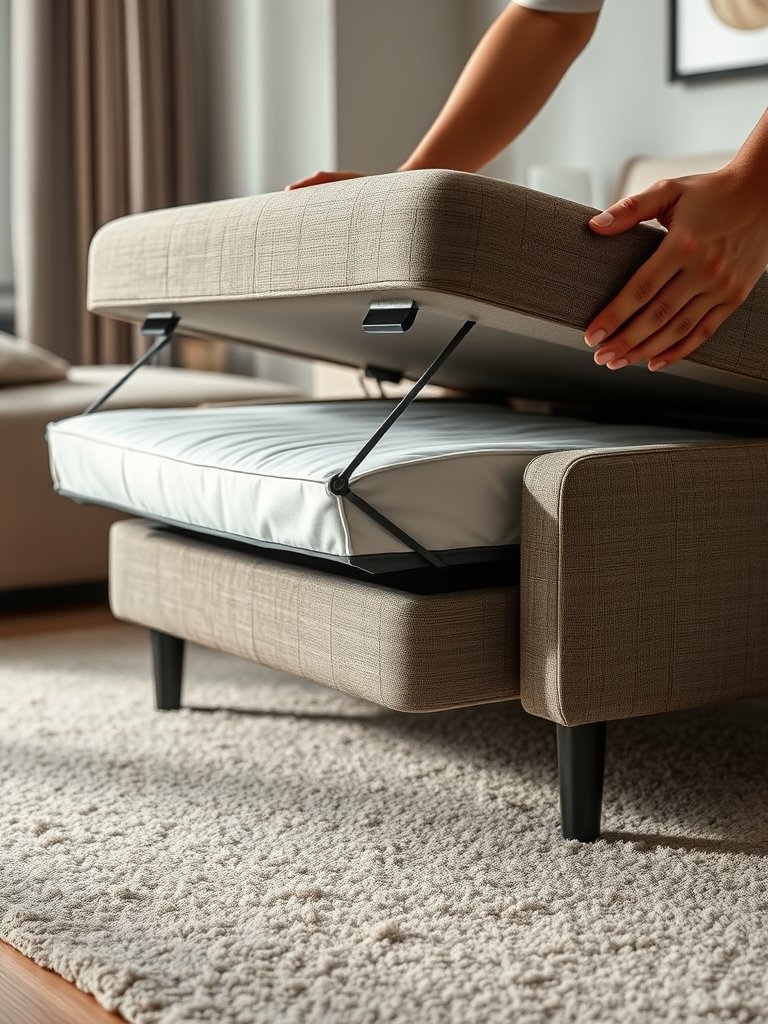
- Noisy, sticky, or unreliable pull-out beds, lift-top tables, and other mechanisms—especially after a year or two.
- Short lifespan for moving parts—assembly screws strip, pistons lose pressure, hinges warp, sliders bind or seize, leading to expensive early replacement.
- Difficult, time-consuming assembly and even harder disassembly when moving.
- Poor value for money when high upfront costs don’t yield comfortable, functional, or lasting results.
- Limited storage—pieces that “try” to do it all often skimp on usable storage space or comfort (e.g., sofas too firm to sleep well, tables too shallow to dine and work).
These pain points are common—mechanical reliability and portability drive most negative feedback (futuremarketinsights).
The critical bottleneck — moving parts, mechanisms and long‑term user experience
Most space-saving furniture for studio apartments lives and dies by its moving parts. Gas lifts, hinges, extension slides, and lock mechanisms are the first to fail if underengineered. Poor reliability equals weak return on investment (ROI)—which explains a new premium tier: buyers spending extra to prioritize robust mechanisms and long-term part support. Many products optimize for wow-factor features, but neglect robust engineering. Market evidence and reviews consistently show that durable mechanisms and good replacement-part access directly correlate with years of use and satisfaction. If maintenance is a nightmare, your space-saving upgrade becomes a liability after just a single move.
Typical product types and average price expectations
Budget realistically. Here’s what you can expect in 2024 for the main residential segment contributors (over 60% of market revenue):
- Sofa-beds: Entry at $350 (budget IKEA) to $1,500–$3,000+ (premium models with steel frames, slipper mechanisms). Reliable ones cost more, but last longer.
- Wall beds (Murphy beds): $700–$2,500. Add $400–$800 if you want built-in storage or a desk feature.
- Lift-top coffee/dining tables: $180–$900, varies widely by finish and mechanism.
- Convertible desks and modular shelving: $150 (basic) to $1,200+ for modular, reconfigurable units designed for repeated moves.
Why the premium? Quality engineering for moving parts, better warranty coverage, easier assembly/disassembly, and replaceable hardware—all factors that boost long-term value and justify the higher price. Cheap single-function pieces may save upfront, but cost more in replacements in the long run (see buyer guides).
Price vs traditional furniture — short ROI framework for renters vs owners
Is multifunctional really worth it if you rent? Here’s a quick cost-benefit breakdown:
- Upfront Cost: Higher for multifunctional—often double a basic sofa or separate desk/bed, but may replace 2–3 single-use items.
- Space Saved: Can reclaim 20–40 square feet, letting you create real zones in a micro-apartment or host a guest without clutter.
- Resale/Relocation Costs: Modular, bolt-together designs retain more value during moves; cumbersome or poorly engineered pieces often break during disassembly.
- Lifespan/Warranty: Look for minimum 2–5 year warranties, especially for moving parts. Some high-end brands (Resource Furniture, BoConcept) offer longer term support and spare parts—key for renters who relocate frequently (see case studies).
Rule of thumb: If your lease is less than 2 years or you anticipate a move soon, prioritize portability, tool-free disassembly, and products with spare parts support over luxury finishes.
2024 innovations — materials, mechanisms and smart features that improve durability/adaptability
This year’s upgrades focus on smarter engineering, not just more features:
- Gas-lift pistons & soft-close hardware: Reduce noise/wear and make beds/tables more reliable.
- Powder-coated steel frames & engineered multi-ply panels: Outlast particleboard and cheap MDF, resist warping/loosening.
- Modular connectors & integrated cable management: Make assembly easier and reduce risk of breakage when moving or adapting layouts.
- Smart modular units: Like IKEA’s new BRÄNNBOLL collection (April 2024), which features foldable tabletops with cable storage and mobile units; the sector’s big growth driver for both style and practical adaptability.
What to capture in a product spec comparison — assembly, maintenance and folded/unfolded dimensions
Smart buyers never judge by photos or finish alone. Here’s the exact checklist—and a side-by-side spec table template you can use:
- Folded dimensions (for storage/room planning)
- Unfolded dimensions (max footprint, check clearance)
- Total weight (matters if moving often or for upper-floor units)
- Load capacity (especially for beds/desks)
- Assembly time/difficulty (look up in reviews—more than 2 hours, expect frustration)
- Tools required (proprietary hardware is a red flag)
- Warranty period—especially on moving parts (ask direct)
- Replacement-part availability (can you buy pistons, hinges, slides without replacing the whole unit?)
- Easy maintenance steps
- Expected lifespan or cycles (particularly for daily-use mechanisms like sofa beds)
| Product | Folded Size (inches) | Unfolded Size (inches) | Weight | Assembly Time | Tools Required | Warranty (Years) | Spare Parts? | Maintenance |
|---|---|---|---|---|---|---|---|---|
| Sofa Bed (Brand A) | 78x35x32 | 78x50x32 | 98 lbs | 45-60 min | Hex key (included) | 3 | Yes | Quarterly tighten screws, lubricate slides |
| Wall Bed/Desk (Brand B) | 65x16x42 | 65x80x42 | 130 lbs | 2-3 hours | Drill, screwdriver | 5 | Yes | Gas lifts tested annually; hinges wiped clean |
| Lift-Top Table (Brand C) | 43x22x17 | 43x40x24 | 53 lbs | 35 min | Phillips #2 | 2 | Yes | Wipe clean, check spring tension yearly |
Use this as a template when you shop—never skip confirmation of warranty and spare part support. These are the main reasons users regret purchases (market data).
Three underexplored subtopics to add original value
- Repairability and spare-parts ecosystem: Most reviews stop at “easy assembly”—few investigate replacement of gas pistons, slides, or hinges. Ask explicitly: Are spare parts sold individually? What’s the average replacement interval/cost? Prioritize brands with documented repair guides (see independent guides).
- Rental-friendly design & lease/insurance factors: Bulky, wall-anchored units can cost you a security deposit or insurance claim if not installed properly. Portable, bolt-together designs reduce risk—and help with fast, damage-free moves during frequent lease turnovers.
- Real-world comfort & ergonomics: Convertible sofas and desks often trade seating comfort for flexibility. Read reviews specifically for long-term sleep quality and desk ergonomics rather than just “it fits.” Usability, not just stats, drives daily happiness.
Markets and reviews confirm: assembly, moving-part durability, and portability are top sources of regret. Don’t let these undercovered issues derail your purchase (research).
Actionable buying checklist & testing protocol
- Measure your room twice—paying attention to both folded and unfolded dimensions. Map clearances for opening mechanisms.
- Test every moving part in person if possible (or demand a video). Open/close five times. Listen for smooth action and ask how many open/close cycles are rated.
- Check the warranty—especially on gas pistons, hinges, and slides. Only accept at least two-year coverage on mechanisms.
- Confirm if the most vulnerable parts are replaceable as standalone items—request documentation or links to spare part sales.
- Review assembly steps before you buy: Look for “no power tools required” or bolt-together modularity if you move often.
- Prioritize removable covers/cushions and surfaces that can be cleaned or refreshed.
The number one regret cited by buyers? “Assembly was too hard” or “mechanism broke after moving” (source). Don’t assume—verify.
Conclusion + recommended assets for the piece
The market for multifunctional furniture is booming, but not every shiny, multi-use piece is worth your money. Durable engineering, good parts support, and ease of moving are what separate investments from mistakes. Download our free one-page spec comparison table for your next shopping trip, and check our 5 mini-reviews below for smart picks in every category. When you’re ready for your best-fit setup—start with real specs, not stock images. For more actionable home upgrade guides, see our resources on modular sofas, Japandi decor, minimalist kitchen design, quiet luxury home ideas, or get practical on home EV charging.
- Download: Spec Comparison Table (PDF)
- Best for tight budgets: IKEA Friheten Sofa Bed
- Best for work-from-home: Resource Furniture Swing Wall Bed/Desk
- Best for frequent movers: Expand Furniture Modular Wall Bed
- Best luxury: BoConcept Osaka Storage Sofa
- Best value: Urban Outfitters Nora Storage Daybed
Sources: dataintelo.com, Yahoo Finance, businessresearchinsights.com
FAQ
What is multifunctional furniture?
Multifunctional furniture refers to items designed to perform multiple roles—like a sofa that converts into a bed or a table with integrated storage. These are especially useful for small apartments where floor space is limited.
How do I know if a piece is durable or just trendy?
Check the warranty, ask for replacement-part availability, and read long-term user reviews. Durable pieces use strong mechanisms (steel, gas pistons), offer at least 2-year warranties on moving parts, and allow access to spare components.
Is it worth investing in expensive space-saving furniture if I rent?
If you move often, prioritize portability and modularity over luxury. Opt for pieces you can disassemble easily, and brands with a good track record of customer service and spare parts support. The investment pays off through stress-free moves and better resale value.
Which innovations really help multifunctional furniture last longer?
Gas-lift pistons, soft-close hinges, powder-coated steel frames, modular connectors, and engineered plywood (not particleboard) all boost long-term reliability. Also look for smart features like integrated cable management for hybrid/remote work setups.
How do I avoid common pitfalls when buying online?
Request unfolded and folded dimensions, mechanism demo videos, and warranty terms in writing. Compare actual clearance needs and ask whether all key moving parts are available as spares before you buy.