

Quiet luxury home decor is transforming the way discerning homeowners design and furnish their living spaces, offering a path to authenticity and timeless value while sidestepping the flashiness of transient trends. If you’re frustrated by generic “luxury” options, sourcing dilemmas, or sterile results, this practical guide cuts through the marketing noise to clarify what truly sets quiet luxury apart, how to achieve it room-by-room, and where to buy with confidence in 2024.
Key Takeaways
- Quiet luxury home decor is defined by restraint, authenticity, and lasting quality—prioritizing natural materials, subtle textures, and craftsmanship that ages beautifully.
- The global luxury home decor market is growing steadily ($144 billion in 2024, CAGR ≈ 5.2%) with rapid e-commerce adoption and surging demand for sustainably sourced, custom pieces.
- Buy smart: Demand is rising but pitfalls include greenwashing, sterile minimalism, and high logistics costs for bespoke goods. Verify provenance, ask about construction, and strategically blend investment pieces with personal accents.
- Market Snapshot — Demand, Size and Growth in 2024
- What “Quiet Luxury” Means for a Home (Defining the Aesthetic)
- Why Demand is Rising — Drivers and Buyer Priorities
- Top Homeowner Frustrations When Trying to Achieve the Look
- Gaps Competitors Miss — Three Crucial Aspects to Emphasize
- Price Positioning — What “Quiet Luxury” Costs in Major Markets
- Who’s Leading Quiet Luxury in 2024 — Brands and Designers to Know
- Technical Differentiators — How Quiet Luxury Furniture Is Built
- Maintenance, Longevity and Resale — Total Cost of Ownership
- Practical Buying Checklist & Room-By-Room Quick Wins
- Sources, Seller Types and Tools to Do This Smarter
- FAQ
Market Snapshot — Demand, Size and Growth in 2024
The quiet luxury home decor segment is surging worldwide. In 2024, the global luxury home decor market is valued at approximately $144 billion, with an expected compound annual growth rate (CAGR) of about 5.17% through 2034. E-commerce now drives around 44% of all decor purchases, fast-tracking the rise of direct-to-consumer models and online design platforms.
The furniture segment commands the largest share of spending, particularly for pieces crafted from premium, custom-selected materials. This steady growth is strongest in the US, UK, and Middle East—regions where household income is rising and homeowners increasingly prioritize both sustainability and individuality over ostentation.
What “Quiet Luxury” Means for a Home (Defining the Aesthetic)
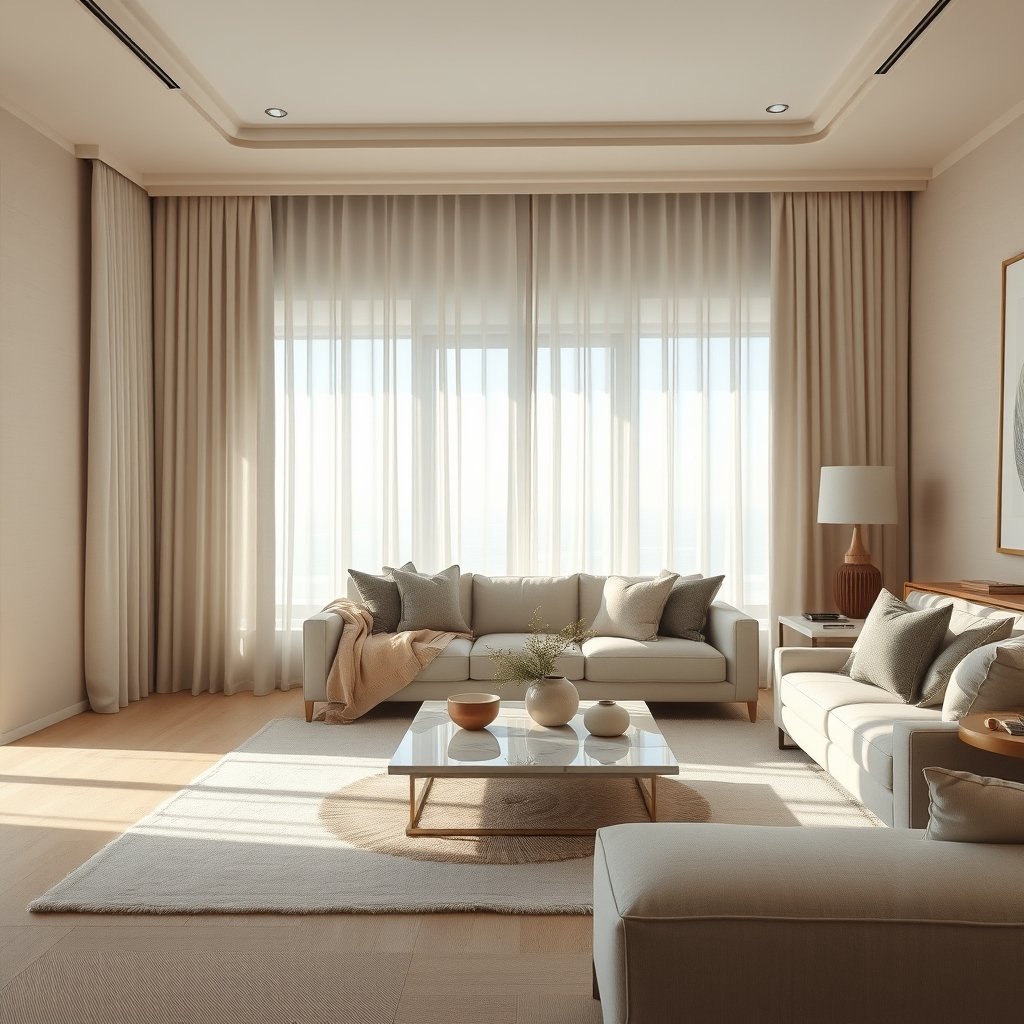
Quiet luxury home decor is not simply minimalism or “less is more.” Instead, it is defined by deliberately chosen high-quality materials, superb craftsmanship, and an intentionally understated, harmonious look.
Key elements include:
- Material integrity: Solid wood, natural stone, full-grain leather, and handwoven textiles—never mass-produced composites or flashy synthetics.
- Palette restraint: A neutral, earthy color scheme (bone, taupe, graphite, soft browns) lets form, function, and material character shine.
- Understated forms: Clean, architectural lines emphasize thoughtful proportions and beautiful joinery—avoiding overt branding or ornamentation.
- Tactility and texture: Quiet luxury is felt as much as seen—think hand-brushed oak grain, soft wool bouclé, or the coolness of marble under hand.
Research confirms that consumers now gravitate toward timeless looks anchored in natural, high-quality materials and minimalist layouts that prioritize comfort and longevity (see source).
Why Demand is Rising — Drivers and Buyer Priorities
Several macro trends are driving this rapid rise in quiet luxury home decor:
- Disposable income is up: A 7% uptick in luxury home sales unlocks greater budgets for personalized interiors and custom pieces.
- Sustainability matters: Buyers are demanding ethically sourced, eco-friendly options, seeking transparency in the supply chain and materials that “age gracefully.”
- Digital retail shift: With 44% of purchases now online, buyers are empowered to compare global offerings—escalating expectations around provenance, logistics, and authenticity.
Affluent homeowners consistently prioritize:
- Durability and repairability over short-term trends
- Provenance—knowing exactly where and how their furnishings are made
- Customization and ability to express personal taste with restraint
Rising disposable incomes, a strong preference for sustainability, and increased online access are all amplifying this demand (see market data).
Top Homeowner Frustrations When Trying to Achieve the Look
Even well-funded homeowners hit snags when striving for authentic quiet luxury:
- Sourcing headaches: Genuine, sustainably made pieces (especially custom or handcrafted) can be elusive or carry inflated markups.
- Personality deficit: Following the quiet luxury formula too slavishly can lead to rooms that feel impersonal—like a showroom—rather than truly lived-in and unique.
- Bespoke logistics: Arranging transport, installation, and aftercare for heavy, oversized, or custom goods poses time and cost frustrations, often exceeding original estimates.
According to reviews and buyer forums, these are the most common roadblocks on the path to genuine quiet luxury home decor.
Gaps Competitors Miss — Three Crucial Aspects to Emphasize
Most buying guides overlook or gloss over these essential themes for quiet luxury furniture aesthetic:
- Patina & aging: Top-tier materials (full-grain leather, natural woods, solid brass) develop a beautiful patina and even improve in character with age. This “lived-in” enhancement can distinguish authentic pieces from lookalikes.
- True provenance & supply chain: How can you trust claims of sustainable or handcrafted production? Always request independent certifications (FSC, OEKO-TEX), detailed provenance documents, and transparency about the supply chain including country of origin.
- Construction & specs: Longevity depends on honest construction. Learn to spot key features such as through-tenon joinery, solid wood cores, and replaceable parts over glued veneers or low-cost composites.
The heart of quiet luxury lies in material selection, subtle design, and meticulous construction where both function and elegance are intimately intertwined (research PDF).
Price Positioning — What “Quiet Luxury” Costs in Major Markets
Signature quiet luxury home decor pieces represent a premium investment, reflecting not just brand cachet but also labor-intensive craftsmanship, material rarity, and (in the case of imports) significant duties or transport costs.
Here are realistic ballpark ranges for core items, based on recent checks (USD/GBP/AED for US, UK, Middle East respectively; for exact SKU pricing, always confirm with current dealer or brand site):
- Sofas: $8,000–$25,000 / £6,000–£18,000 / AED 30,000–90,000 (custom, solid hardwood, hand-upholstered)
- Dining tables: $6,000–$35,000 / £5,000–£25,000 / AED 25,000–110,000 (European oak/walnut, custom inlays)
- Statement beds: $7,500–$30,000 / £6,000–£24,000 / AED 28,000–100,000
- Hand-knotted rugs: $4,500–$25,000+
- Lighting (pendants, floor lamps): $1,000–$10,000+ (Alabaster, artisan glass, pure brass)
You’ll find mainstream luxury (e.g., Restoration Hardware, RH Modern, Ligne Roset) coming in at the lower end, while brands like Fendi Casa, Poltrona Frau, or small-batch ateliers often price 30–100% higher, with direct provenance and more customization options. Primary research is necessary to track SKU-level price swings due to region, currency, and commissions.
Who’s Leading Quiet Luxury in 2024 — Brands and Designers to Know
You don’t need to guess who’s making waves in quiet luxury home decor. Industry reports and interior publications consistently cite these standouts:
- Roche Bobois: Iconic sofa silhouettes (Mah Jong, Pacific) using tactile fabrics and modular options.
- Boca do Lobo: Artistic case goods, limited-edition consoles and tables crafted with centuries-old Portuguese techniques.
- Fendi Casa: Italian restraint meets fashion detail—notice the subtle Fendi-leather inlays, never ostentatious.
- Restoration Hardware (RH): Leading US player for customizable quiet luxury furniture aesthetic with direct-to-consumer model and strong e-comm presence (see report).
- Baker Furniture, Bentley Home, Versace Home, Poltrona Frau, Ligne Roset, Visionnaire Home Philosophy, Loro Piana Interiors, Armani/Casa, Cassina: All recognized for craftsmanship, palette restraint, and a quietly evolving catalog anchored in timeless materials (industry survey).
Signature quiet luxury pieces from these brands often fetch a premium, but their construction details, documentation, and resale value typically justify the initial spend. Always ask dealers for provenance and warranty details before committing.
Technical Differentiators — How Quiet Luxury Furniture Is Built
The real investment in quiet luxury is hidden under the surface:
- Solid hardwood frames (e.g., kiln-dried oak, walnut) rather than particleboard or veneers
- Traditional joinery: Mortise and tenon, dovetail, and butterfly joints rather than stapled or glued corners
- Premium upholstery: Hand-tied springs or natural latex foam, wrapped in full-grain leather or Belgian linen
- Slow-dried finishes (not sprayed) to emphasize depth and grain, avoiding cracking or yellowing
- Sustainability and provenance: Materials with third-party verification for forest stewardship and non-toxic processing
| Spec | Quiet Luxury | Mainstream Luxury |
|---|---|---|
| Frame Core | Solid hardwood (kiln-dried, traceable) | Plywood, engineered panel, or MDF core |
| Joinery | Hand-cut dovetail, mortise & tenon | Dowels, screws, or staples |
| Finish | Natural oils, waxes, slow-cured varnishes | Semi-gloss lacquer or sprayed polyurethane |
| Upholstery | Full-grain leather, natural linen/wool | Corrected-grain leather, poly blends |
| Provenance | Traceable, third-party certified | Generic, often undisclosed |
| Maintenance | Repairable, modular parts | Limited repair possible |
When shopping, request specific details about frame construction, cushion fill, fabric origin, and included certifications. These “under-the-hood” factors separate genuine quiet luxury from lookalike alternatives like Japandi furniture or high-street “minimalist” collections.
Maintenance, Longevity and Resale — Total Cost of Ownership
Quiet luxury home decor often comes with a higher upfront cost, but maintenance and ownership economics favor buyers over time:
- Repairability beats replaceability: Scratch or stain? Solid wood can be re-oiled, natural stone and wool can be professionally restored, and modular construction enables easy repair or reupholstering.
- Aging adds value: The right patina and craftsmanship can mean strong secondary market value—unlike trend-driven, mass-market luxury which rapidly depreciates.
- Care routine is simpler: Avoid harsh chemicals; opt for natural cleansers, infrequent but deep maintenance, and prompt spot cleaning for textiles and leathers.
By favoring durable, sustainably sourced materials, you’ll reduce long-term costs and environmental impact. Always clarify what is covered in the warranty, and see if the brand/dealer offers a repair program.
Practical Buying Checklist & Room-By-Room Quick Wins
Below is a clear actionable checklist to help you source and style genuine quiet luxury home decor, along with room-by-room value boosters:
- Material/spec sheet: Insist on solid hardwood, full-grain leather, natural stone, or Certified woven textiles
- Provenance questions: Where was this made? Which certifications? Factory, atelier or mass assembly?
- Budget bands: Prioritize one or two hero pieces per room, then tactically blend with personal art, well-chosen vintage, or “found luxury” objects (see found luxury trend)
- Bespoke vs. investment split: Use bespoke for oversized, high-traffic, or signature elements—support with smaller investment pieces and vintage finds
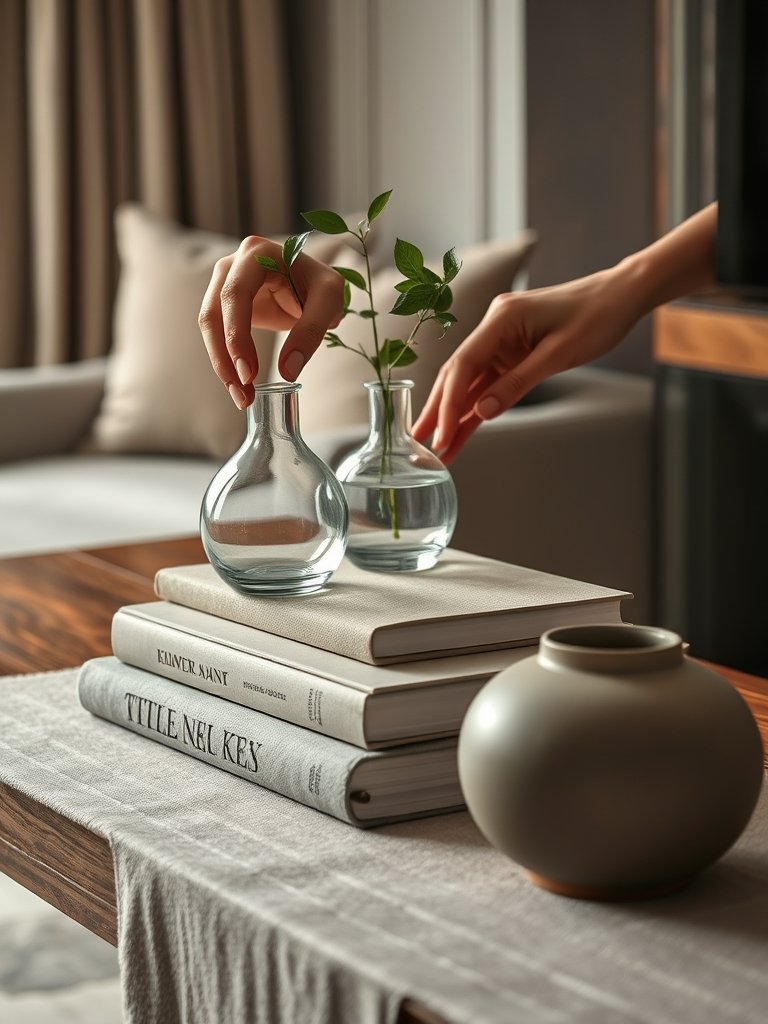
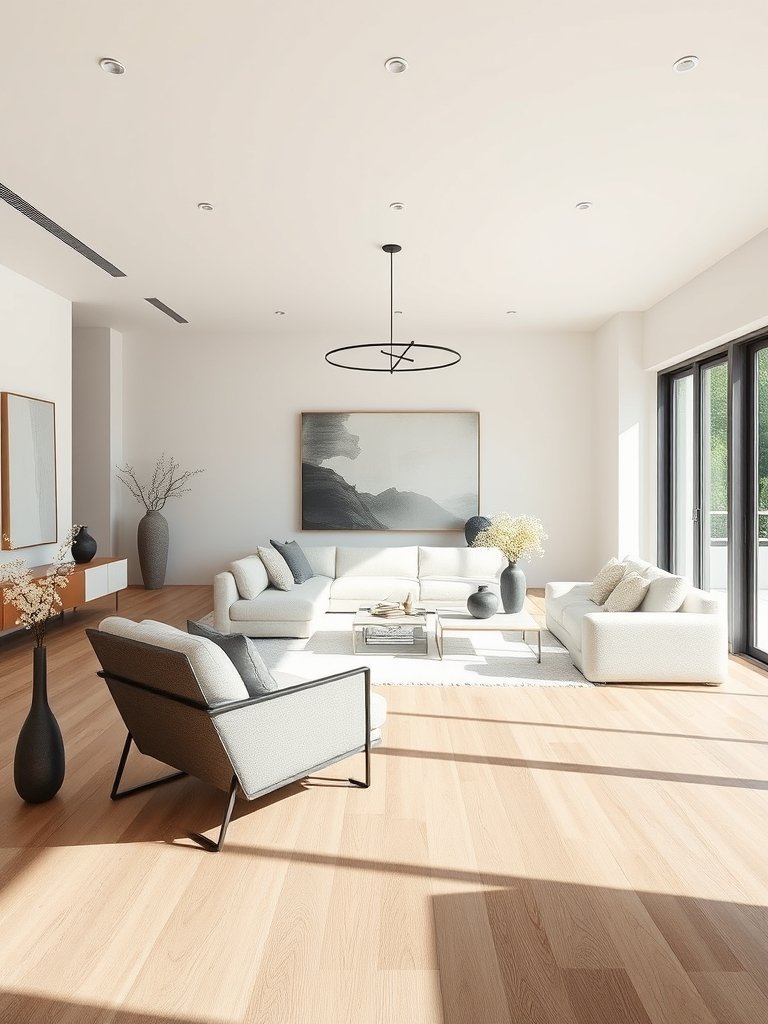
- Don’t over-theme: Add warmth and contrast to prevent rooms from feeling like sterile model units. An artisanal vase, antique lamp, or tactile throw is enough.
Check out our guides on maximizing remodel ROI, like accessory dwelling unit (ADU) interior conversions or minimalist kitchen redesigns for more inspiration.
Sources, Seller Types and Tools to Do This Smarter
Here’s where smart buyers shop and how they avoid greenwashing or misrepresented listings:
- Direct-to-consumer ateliers and custom workshops (often via e-commerce, which now covers 44% of category)
- Established high-end retailers with Pro programs, transparent showrooming, and ready provenance documentation
- Reputable vintage dealers and auction platforms vetted for authentic mid-century or modern quiet luxury home decor finds
- Digital tools for visualization: AR product previews, digital sampling, and layout planning apps (especially if you want to avoid costly spatial errors)
Always verify supply-chain claims (FSC, OEKO-TEX, EcoVadis), request documentation, and use visualization tools before placing large bespoke orders. For reference on digital home design planning, see our AI-powered interior workflow (AI home renovation planner).
For even more actionable home improvement and decor ROI tips, check our stepwise guides on EV home charger installation and crawl space encapsulation—both illustrate how planning, spec checks, and diligent contractor sourcing drive superior results.
FAQ
What is quiet luxury home decor in simple terms?
Quiet luxury home decor means selecting high-quality, timeless materials and craftsmanship that exude refinement without flashy logos or trends—think solid wood, natural textures, and subtle color palettes that feel calm, comfortable, and unique to your taste.
How do I avoid my home looking like a sterile showroom?
Mix personal, one-of-a-kind pieces (artworks, heirloom rugs, “found” objects) with your investment furniture. Even one vintage or handmade item can introduce warmth, contrast, and character—see the found luxury trend for more ideas.
What should I check before buying expensive quiet luxury furniture?
Request a full specification sheet with details on materials, joinery, provenance, and certifications. Always ask about repairability, warranty, and company track record for sustainability.
Is it possible to buy quiet luxury home decor online?
Yes. With 44% of decor purchases now online, many D2C brands, bespoke workshops, and certified vintage dealers operate via e-commerce, often offering better pricing and transparency. Always verify authenticity and use AR tools to preview pieces in your space.
What’s the long-term value of quiet luxury decor?
Proper quiet luxury pieces age beautifully, are fully repairable, and maintain strong resale value—often outlasting and outperforming trend-driven luxury alternatives in both function and investment terms.
Conclusion
In summary, quiet luxury home decor offers a path to authentic, lasting comfort and value even as market hype and endless trends swirl around. Demand is rising globally, pitfalls are real, but with the right focus on materials, craftsmanship, and personal touch, your home can reflect the best of this movement for years to come. Ready to start your own quiet luxury home decor project? Use the checklist above, blend investment with personality, and always verify what’s under the surface before you buy.