

Modular home addition cost is the single most important number you need before planning any prefab expansion, whether it’s an ADU, in-law suite, or bedroom bump out in 2024. Homeowners who want a fast, cost-controlled project—and minimal stress—need clear cost line items, realistic budgeting, and honest trade-offs between prefab and stick-built construction. This guide goes deeper than price-per-square-foot headlines to show exactly where you save, where you don’t, and how to avoid the trap of missing site work or costly delays.
Key Takeaways
- Typical modular home addition cost ranges from $65 to $200 per square foot in 2024, but real-world budgets need 10-25% added for site work, delivery, permits, and hidden items.
- Factory module prices cover only half—foundation, site prep, hookups, and local permits make up the rest; ignoring these can lead to painful budget overruns.
- Prefabs are faster and more controlled but can leave owners with reduced customization, higher urban delivery costs, and resale/financing documentation hurdles. Checklists and apples-to-apples quotes are vital.
- Quick snapshot — What modular and prefab room additions cost in 2024
- Regional & size breakdown — How location and square footage change the math
- Line‑item cost anatomy — What the factory price includes (and doesn’t)
- The most common hidden costs homeowners face (and typical ranges)
- Real homeowner pain points — What reviews and forums repeatedly complain about
- Build time comparison — Modular/prefab vs stick‑built (what to expect)
- Quality, longevity & resale — Are prefab additions good enough long term?
- Financing, incentives & tax considerations for 2024
- Three undercovered subtopics competitors miss (and how we’ll treat them)
- Actionable budgeting checklist & sample cost worksheet (downloadable)
- Next steps — How to vet a modular/prefab vendor and get an apples‑to‑apples cost comparison
Quick snapshot — What modular and prefab room additions cost in 2024
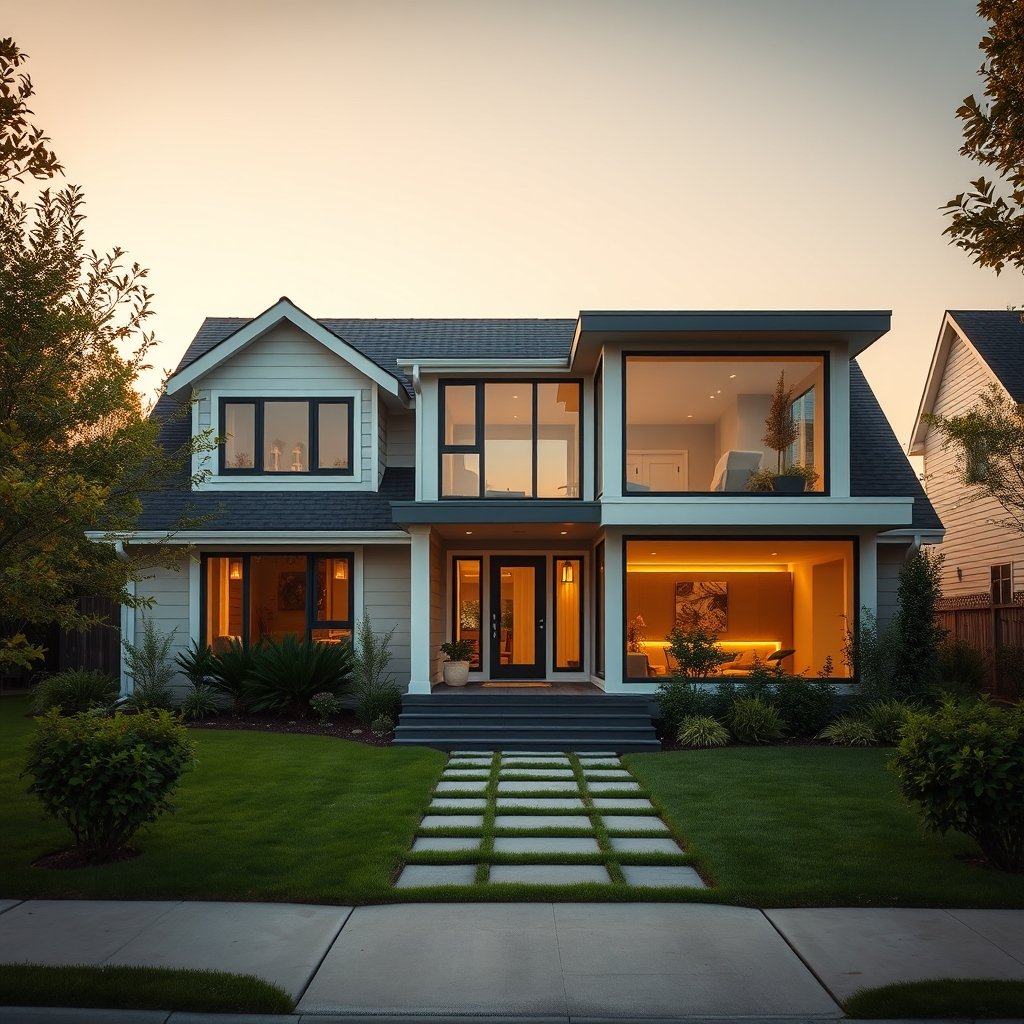
In 2024, the big question is: how much will your modular or prefab home addition actually cost—turnkey and ready to use? For most projects, modular home addition cost averages $65–$200 per square foot, with the sweet spot for most buyers falling between $100 and $150 per square foot for a finished install. That means a typical 144-square-foot bedroom or office costs between $11,000 and $20,000, while larger 600 to 1,200-square-foot projects like in-law suites, ADUs, or second-story modules range from $45,000 to $300,000, driven by your chosen finish level and local conditions.
Prefab room kits run a bit lower—$30 to $100 per square foot for the “base” shell—so a 150-square-foot mudroom or bump-out is $9,000–$25,000, and a straightforward 600-square-foot guest module is $45,000–$135,000. Finished prices can climb quickly when upgraded foundations, utility extensions, or urban site access are required. Prefab kits and modules do not always include permits, site work, delivery, or complicated foundation work in the quoted price.
Regional & size breakdown — How location and square footage change the math
The cost of a modular home addition is consistently within national bands, but you’ll pay more if you’re in West Coast or Northeast markets, due mostly to labor rates, logistics, or terrain. Expect to be near the low end ($65–$100/sf) in Midwest and Southern suburbs with easy access, and the high end ($150–$200+/sf) in dense urban cores or high-cost-of-living zones.
Urban projects can add $10–$20 per square foot for challenging delivery, crane access, staging limits, and stricter permitting. Imports from out-of-state factories raise delivery costs substantially.
The per-square-foot rate also varies with scale and type: small bump-outs have higher per-sf costs due to fixed costs (permitting, utilities, minimum delivery fees); full modules, multi-room suites, and second-floor additions can sometimes benefit from economies of scale—if local logistics are favorable.
Line‑item cost anatomy — What the factory price includes (and doesn’t)
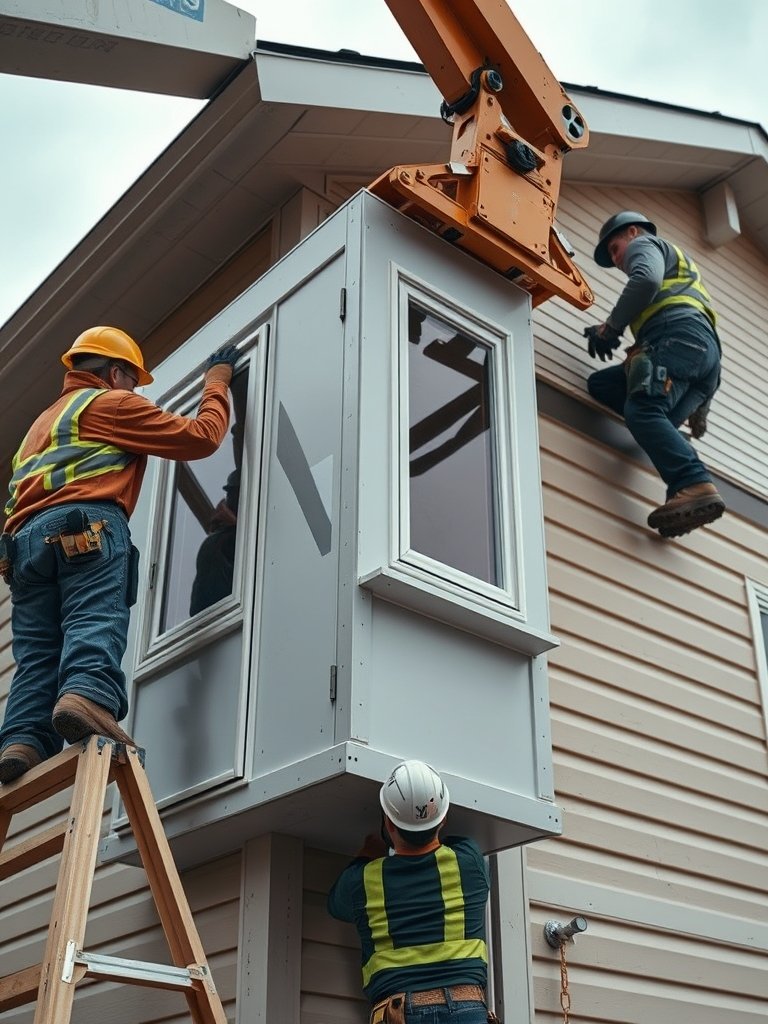
When you get a quote, ask the modular builder to break out every significant number. The “factory” or “base” module is only about 50–60% of your total spend. This covers the manufactured structure with completed interiors, roofing, windows, insulation, and base-level finishes. What’s missing? Every key site-specific element that gets your module from truck to move-in ready:
- Foundation (monolithic slab, crawl space, or piers): $7–$30 per square foot
- Site work: Preparation, grading, drainage, land clearing—often $2,000–$12,000 (or more for difficult lots)
- Transport/delivery: $3,000–$15,000+ depending on distance, module size, crane needs
- Install/setup: Crane/set crew, joining sections, weatherproofing: $5–$35 per square foot
- Utility extensions/hookups: Well drilling ($3,000–$15,000), septic ($5,000–$25,000), electrical extensions ($5,000–$15,000) Utility extensions/hookups
- Permits/impact fees/taxes: $500–$5,000+ depending on jurisdiction
- Final finishes: Flooring, trim, paint, or specialty upgrades not done in-factory
Bottom line: Always compare apples to apples. The average base price per square foot gives you a starting point, but modular home addition cost “out the door” means you need a full worksheet that covers every job, every permit, and every delivery mile.
The most common hidden costs homeowners face (and typical ranges)
Most budgeting surprises come from what’s not in your initial quote. The most common hidden costs include:
- Site prep: Removing rocks ($3,000–$10,000), building retaining walls ($5,000–$20,000+), drainage upgrades ($2,000–$8,000)
- Utility distance: If the new module is far from your well/septic or has a long trench run, add $3,000–$25,000
- Delivery/crane staging: Tight neighborhoods, power lines, or blocked backyard access often require oversized cranes and special street closure permits ($3,000–$12,000 extra)
- Permits and impact fees: $500–$5,000; some urban regions charge even more
- Foundation “surprises”: Soil corrections, deep footings, or code-mandated upgrades ($3,000–$15,000+)
Collectively, these can add 10–25% to your total modular home addition cost. Always build a 10–25% contingency fund into your budget. See more examples in this external hidden-costs guide.
Real homeowner pain points — What reviews and forums repeatedly complain about
Prefab and modular saves time and can reduce chaos, but not every problem is eliminated. What real users flag most often:
- Unexpected delays: Factory builds go fast, but site prep, permits, or local labor shortages (excavators, electricians, finishers) can stall your move-in by weeks or months. Transparent communication with both your factory and GC is critical.
- Reduced customization: Changing layouts, system specs, or finishes after the module has shipped is often impossible or very expensive—unlike traditional builds where on-the-fly changes are easier.
- Budgeting uncertainty: Most quotes cover only the factory portion. Many buyers run into sticker shock when all the “extras” hit late in the process.
- Coordination headaches: Gaps between the modular installer and local site trades (especially plumbing and electrical) are a persistent pain point in online forums and reviews.
Choosing an experienced contractor and reviewing ADU and modular addition case studies can help reveal likely pitfalls for your area and project scale.
Build time comparison — Modular/prefab vs stick‑built (what to expect)
The promise of prefab and modular is speed—and for the factory portion, that’s real. Most room modules are built in 4–10 weeks under controlled conditions. But don’t forget:
- Site construction (foundation, utilities, local finish work) is increasingly unpredictable due to skilled labor shortages in many regions.
- Permitting can be a black hole, causing weeks (sometimes months) of delay in high-demand markets.
Typical modular home addition projects (from contract sign to move-in) take 3–6 months, versus 5–10+ months for complex stick-built additions with full site exposure to weather and labor bottlenecks. See more in-depth construction timelines here. For strategies to manage permit and site work delays, see our AI renovation planner tips.
Research alternative prefab delivery routes and ask about smaller module sectioning if you’re in a tight-access urban lot—sometimes breaking a large module into smaller segments for delivery shaves $3,000–$6,000 off crane and road closure costs.
Quality, longevity & resale — Are prefab additions good enough long term?
Modern modular and prefab additions often have tighter quality control (QC) than stick-built jobs, because they’re assembled indoors with repeatable inspection routines. But not all modules are created equal:
- Top-tier modules use solid framing, low-VOC insulation, code-approved windows, and durable siding—but value/budget modules may cut corners.
- Energy efficiency depends heavily on final on-site integrations (air sealing, foundation insulation, high-quality MEP tie-ins).
- For best resale, keep all construction/permit docs and ensure your addition passes local code inspections. Poorly documented modules, unpermitted installs, or obvious mismatches in exterior finish can spook buyers or trigger lender red tape.
For a broader sense of long-term cost of ownership, check our encapsulation savings guide on how foundation and envelope upgrades affect maintenance and energy billing over 10–20 years.
Financing, incentives & tax considerations for 2024
Financing a modular home addition can be trickier than a standard remodel, so know your options:
- Construction/renovation loans are often the easiest—look for modular-friendly lenders familiar with staged funding (factory payment, site payment, final inspection release).
- Government-backed loans (FHA, VA, USDA) may be available for qualifying property types and buyers—they often require fully permitted, finished installs.
- Home equity loans (HELOC) and cash-out refis are popular for additions, but lenders may scrutinize modular quotes carefully if site costs aren’t clearly included—always provide both line-item site/infrastructure and factory numbers.
- Energy upgrades, solar panels, or high-efficiency heating can qualify for tax credits or rebates (see our heat pump rebate guide for stacking credits on new additions).
Most modular and prefab room addition cost quotes do not cover everything. Insist vendors itemize estimated site work, utility, and permit costs so you don’t end up financing only half the real price.
Smart tip: Budget using both base module price ($50–$100/sf) and total installed cost ($80–$160/sf) to build financing “headroom.” See a breakdown in the
latest modular cost report.
Three undercovered subtopics competitors miss (and how we’ll treat them)
Most modular blogs skip these real bottom-line issues:
- Long-term lifecycle & maintenance modeling: Don’t just chase the lowest quote—track 10–20 years total cost including routine maintenance, energy use, re-roofing, and repairs. A “cheap” module with poor insulation and weak siding will cost more over the next decade than a better-insulated unit up front.
- Factory-to-site coordination checklist: See our vendor checklist below for scheduling inspections, ensuring site prep matches plans, and confirming availability of all specialist trades before the concrete is poured—this prevents most timeline slip-ups and costly change orders.
- Insurance & permitting for modular ADUs: Many buyers run into insurance claim headaches or county assessor disputes if square footage isn’t well documented or add-ons seem “temporary.” Always update home insurance policies and save every permit signoff.
For a related view on foundation integration and insurance concerns, our ADU permit guide is a must-read: garage conversion ADU permit guide.
Actionable budgeting checklist & sample cost worksheet (downloadable)
Controlling your modular home addition cost starts with a worksheet that forces every number to be named up front—and a checklist to make sure you’re not missing the most common overruns:
Sample Modular Addition Cost Worksheet
| Item | Typical Range | Vendor 1 | Vendor 2 | Notes |
|---|---|---|---|---|
| Base module (factory built) | $65–$150/sf | Check finish level | ||
| Foundation | $7–$30/sf | Depth, local code | ||
| Site prep/grading | $2,000–$10,000 | Drains, rock removal? | ||
| Freight/shipping | $5,000–$15,000 | |||
| Crane/set crew | $3,000–$12,000 | |||
| MEP connections (plumbing, electric) | $3,000–$20,000 | Well/septic/long runs? | ||
| Permits, impact fees, taxes | $500–$5,000 | |||
| Landscaping/repairs | $1,000–$8,000 | Fencing, irrigation | ||
| Interior/finish upgrades | $2,000–$15,000 | Flooring, paint | ||
| Total Estimated Cost | ||||
| Recommended Contingency (10–25%) | ||||
Download a copy-paste version or save a printable PDF with fillable fields.
Top 10 Modular Addition Vendor Vetting Questions
- Do your quotes separate all factory, delivery, and site costs?
- What finish grade is included in the base module?
- How do you handle site prep surprises (rock, drainage, soft soil)?
- Can you provide references for similar builds in my area?
- What’s your average timeline from contract to move-in?
- Who handles permit applications and inspections?
- How is utility hookup (septic, electric, water) quoted and managed?
- What’s your process if rain or labor shortages delay site work?
- What happens if I want mid-build layout or spec changes?
- Will you provide detailed as-built and permit documentation for insurance and resale?
See more budgeting and contractor advice in our how to hire a contractor guide and for utility tie-in pitfalls, check our primer on permitting/utility upgrades during EV charger installation.
Next steps — How to vet a modular/prefab vendor and get an apples‑to‑apples cost comparison
The single best move? Standardize your requests. Here’s how:
- Ask for an itemized quote that separates factory costs from all on-site work, utility tie-ins, delivery, and inspection/permit fees.
- Request a list of local jobs you can visit or get owner feedback.
- Vet insurance and warranty terms in writing—especially for finish work and integration with main house systems.
- Prepare a short email or phone script: “I’m comparing modular home addition cost and want a breakdown of factory price, transport, foundation, utility, permit, and finish items. Can you itemize ALL the costs you expect?”
- Double check who, exactly, coordinates permit pulls, site inspections, and utility signoff (you, builder, or a third party GC)?
- Get clear answers about timeline flexibility and what happens if your site prep runs long or local labor is backlogged.
- If financing, share both the module and total cost worksheet with your lender and confirm they’re able to fund both the structure and site scope.
Remember, the factory module is typically just 50–60% of total cost—insist the site work and delivery are bid honestly and transparently. Want even more apples-to-apples tips? See our in-depth remodel cost comparison guide and our insights on spotting hidden contractor costs.
Conclusion
No matter how fast or modern the approach, the real modular home addition cost is a combination of factory value, local site pricing, and a healthy contingency fund. The keys: itemize every number up front, expect hidden costs, and push for truly comparable vendor quotes. Constant communication and documentation will help you finish on time, on budget, and with resale value protected. Ready for the next step? Start asking vendors these questions—or download our cost worksheet to get your project rolling.
FAQs about Modular Home Addition Cost
What is NOT included in most prefab or modular addition quotes?
Usually: foundation, delivery, crane setup, utility connections (water, sewer, electric), site grading, permits, and final interior finish work. Always request a detailed breakdown.
How much extra should I budget beyond the initial quote?
Plan for 10–25% over the “headline” number to cover hidden costs such as site prep, permitting, and coach-crane delivery. Steep lots or remote sites may stretch higher.
Are modular room additions as durable as stick-built?
In most cases, yes—factory builds are highly controlled and inspectors check every module. Integration with your existing home and final finish quality is what ultimately determines longevity and resale value.
What are the biggest risks with financing modular additions?
If you submit only the base module quote for lending, your loan may not cover all site work or utility hookups. Use a worksheet to show total costs up front for better loan approval odds.
How fast can you build a modular home addition?
The module itself can be built in 4–10 weeks, but real move-in is usually 3–6 months after factoring permits, site work, utility tie-ins, and local labor schedules.