

Kitchen cabinet refacing vs replacing is one of the toughest decisions when remodeling your kitchen. If you want to upgrade your space without the chaos, cost, or time of a total tear-out, understanding the real differences and hidden pitfalls of both options is essential. Here’s the honest breakdown of what you get, what you risk, and how to decide.
Key Takeaways
- Refacing kitchen cabinets typically costs 30–70% less than replacing, with 2025 averages of $6,750 to $7,238. Full replacements often start at $10,000+
- There’s almost no published data on long-term regrets, durability, or resale impact—most guides skip the negatives of refacing
- DIY refacing can backfire if you lack finish carpentry skill—professional help ensures clean results and fewer headaches
- What Is Cabinet Refacing vs. Replacement? (The Core Concept)
- How to Decide: Step-by-Step Guide
- Advanced Analysis & Common Pitfalls
- Conclusion
- Frequently Asked Questions (FAQ)
What Is Cabinet Refacing vs. Replacement? (The Core Concept)
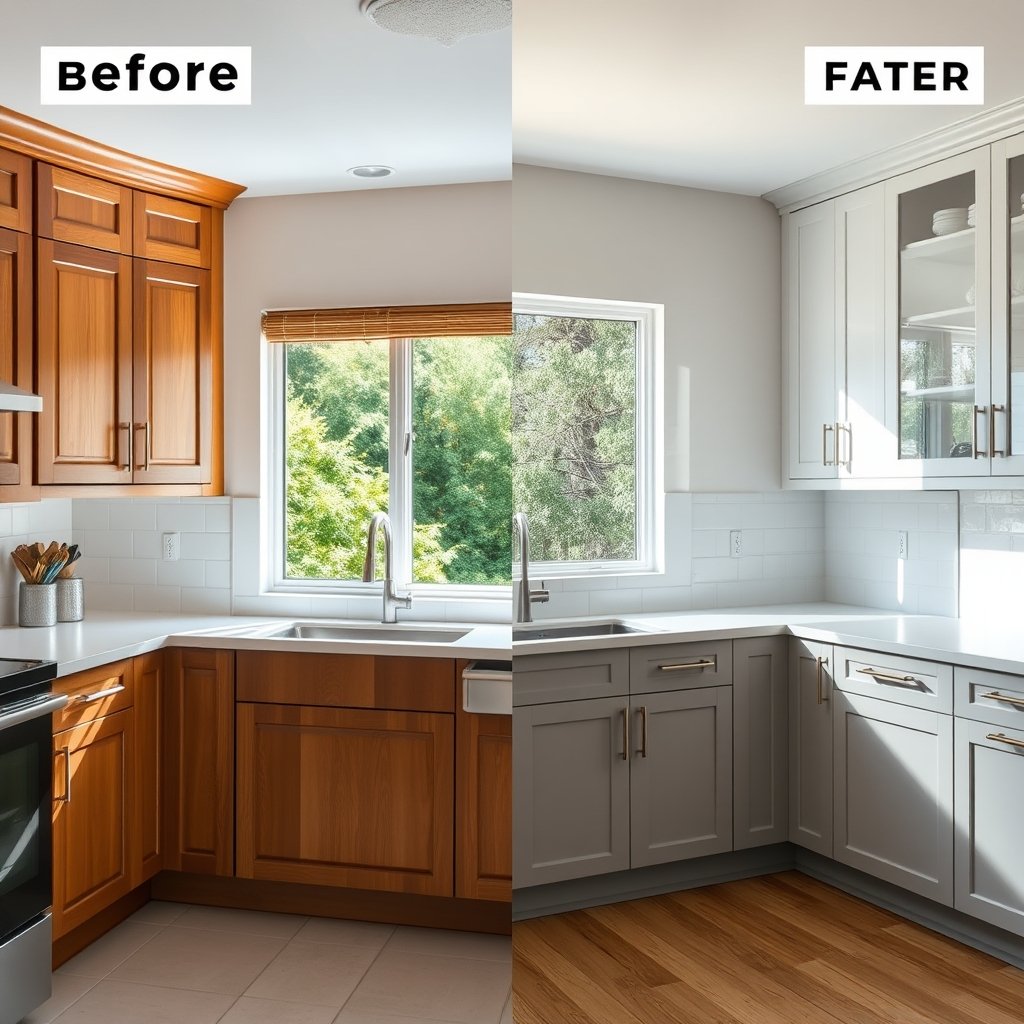
Refacing means you keep your existing cabinet boxes, but give them a dramatic facelift—typically by swapping out the doors, drawer fronts, and adding a new veneer or laminate to exposed surfaces. Replacement requires completely ripping out old cabinets and installing new ones from scratch.
Why choose one over the other? Cost and convenience. Refacing brings a modern look fast, often in under a week, and keeps your kitchen layout fully intact. Full replacement is ideal for damaged, poorly laid-out, or low-quality cabinets—and lets you change the style, material, or configuration completely. But it comes with higher costs, possible plumbing or electrical surprises, and much more disruption.
How to Decide: Step-by-Step Guide
Here’s how to make an informed, regret-proof choice for your kitchen:
- Assess your cabinet boxes. If your boxes are solid, stable, and layout is functional, refacing is usually viable. If shelves sag, wood is warped, or water damage is present, replacement is your safest bet.
- Get 2-3 detailed quotes. Compare not only refacing and replacing, but also door material, hinges, drawer upgrades, and finish options. Prices can range widely—refacing starts at about $4,000, rising to $10,500 or more for large or high-end kitchens (source), while replacements often reach $13,000+ (source).
- Decide if you want a layout change. Full replacement allows new cabinets of any size, shape, and material—you can move things, add deep drawers or islands, or fix awkward corners. Refacing is cosmetic only. Review recent kitchen trends, like those in minimalist kitchen design, to see if your space needs structural change.
- Check your timeline and kitchen usage. Refacing usually keeps your kitchen usable most days, with about 3–7 days of disruption. Replacement is messier, requiring demolition, possible electrical or plumbing work, and may put your kitchen out of commission for weeks.
- Look at resale and ROI. Published guides emphasize ROI for refacing is high (often over 70%), but actual homeowner reviews on durability or regrets are scarce (source). If you plan to sell within 3 years, refacing provides a visual refresh that can impress buyers at a lower cost.
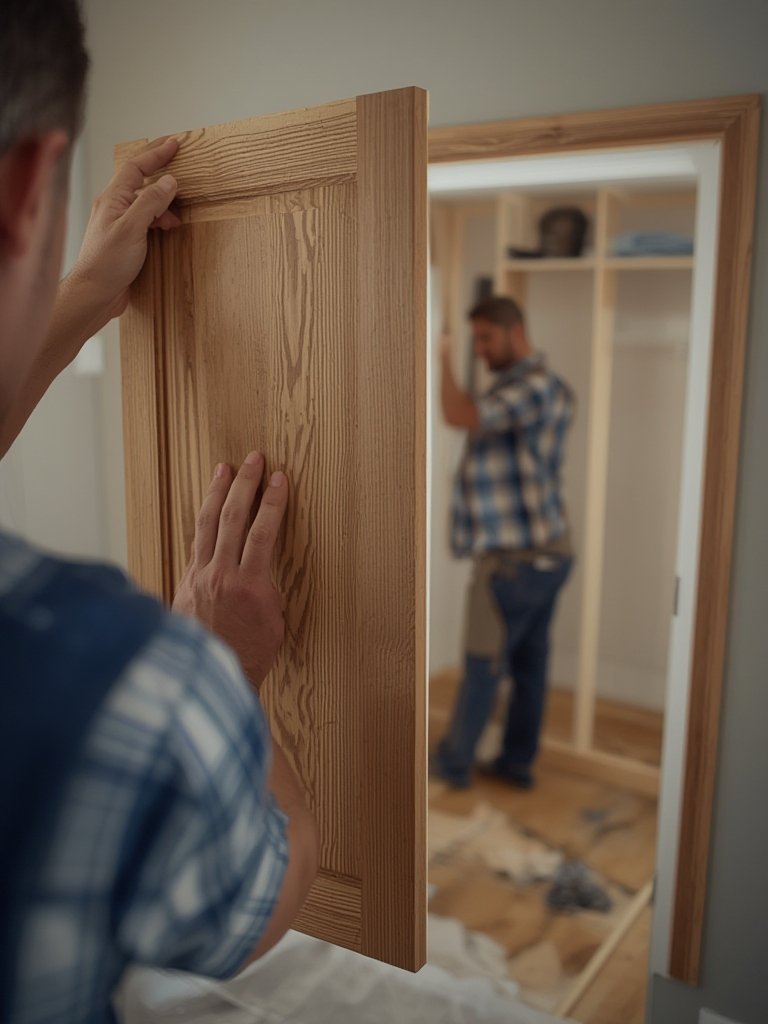
- Factor in DIY skills and true cost savings. Many are tempted by hundreds of YouTube videos showing DIY refacing. If you’re not a skilled handyman or lack finish carpentry experience, the savings can evaporate in re-dos or ruined materials. Sometimes partial professional help (such as prepping cabinet faces) is the best shortcut.
Looking for related upgrades? If your kitchen is being remodeled for aging in place, see our Aging in Place Bathroom Remodel guide. Energy-wise upgrades like heat pump water heater rebates can save thousands when bundled with kitchen projects.
Advanced Analysis & Common Pitfalls
Most top search results gloss over regrets, but real-world homeowners face several hidden issues in the kitchen cabinet refacing vs replacing debate.
- Limited longevity data. No sources give the true lifespan of refaced cabinets in everyday use. Unlike full cabinet installs, long-term results for refacing vary with materials and installer skill.
- Design limitations. Refacing cannot fix awkward layouts or structural issues, and there’s little flexibility for adding modern features like deep drawers or built-in organizers. Replacement solves these neatly.
- Unknowns for resale value. Guides universally assume ROI is high, but the market impact of a refaced kitchen versus one with new custom cabinetry (especially in high-end neighborhoods) is a question mark.
- DIY risk. No data exists on how many DIY jobs go wrong, but botched veneer or warped hinges often mean calling in a pro to salvage the look. If you plan to go DIY, read up on DIY installation techniques for other projects to gauge your skill level honestly first.
- Regional price swings. Precise regional cost data is missing, but labor constitutes 50–70% of refacing totals, and costs rise sharply in high-cost cities (source).
| Feature | Cabinet Refacing | Cabinet Replacement |
|---|---|---|
| Average 2025 Cost | $6,750 – $7,238 ($4,000 – $10,500 range) | $10,000 – $13,000+ |
| Kitchen Use Disruption | Low (3–7 days) | High (2–4 weeks or more) |
| Layout Change Possible? | No | Yes |
| DIY Friendly? | Challenging | Not DIY for most homeowners |
| Resale Value Impact | Assumed High, Actual Data Lacking | Generally High |
| Best For | Good box structure, budget upgrades | Major layout, style, or damage issues |
For other cost-savvy remodeling advice, browse our hands-on guides on crawl space encapsulation or consider if an ADU garage conversion could boost your home’s value more dramatically.
Conclusion
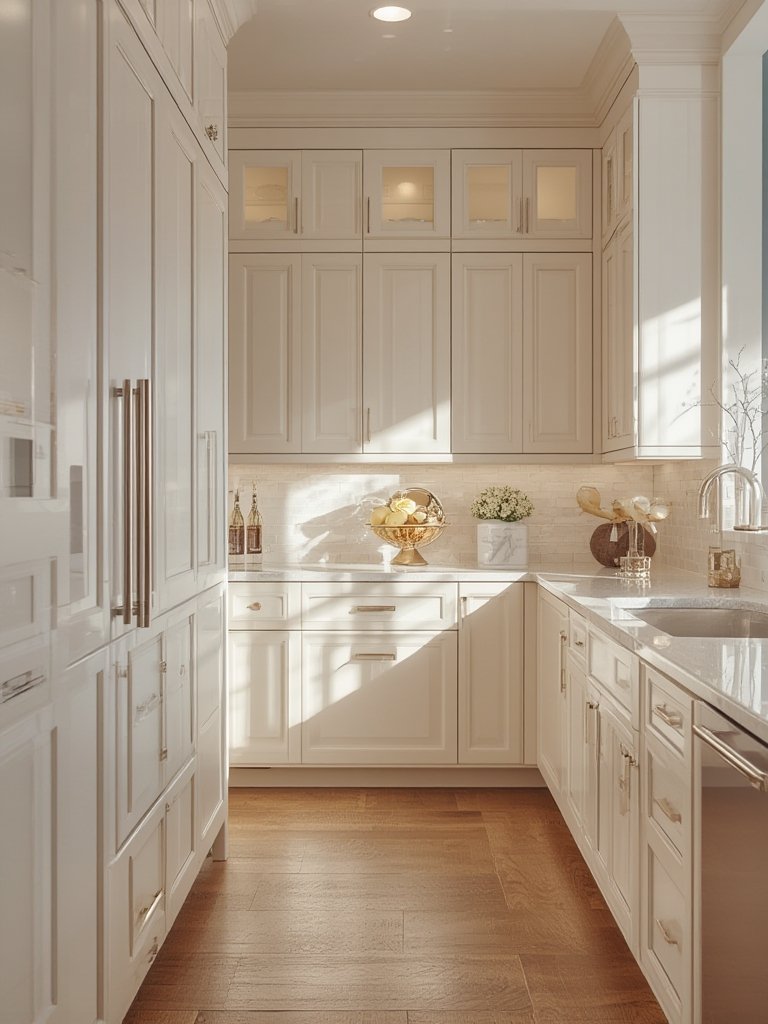
Your cabinet choice isn’t just about price—refacing offers the biggest rewards when boxes are solid, but layout and structural upgrades can only come from replacing. Reliable data on complaints, lifespan, or DIY missteps is slim, so focus on your kitchen’s real needs and be honest about your skill level.
Ready to make your decision? Use this kitchen cabinet refacing vs replacing roadmap, and don’t get swayed by surface price tags alone. Talk to at least two qualified pros, get real samples in your own space, and review your layout carefully before locking in your project. If you want to dive deeper into home upgrades, our guides on home office soundproofing and home EV charger installation can help you maximize comfort and value throughout your remodel.
Frequently Asked Questions (FAQ)
Is cabinet refacing really cheaper than replacing?
Yes, refacing typically saves 30–70% over replacement, with most projects averaging $6,750 to $7,238 for typical kitchens. However, increased labor or higher-end materials can narrow the gap, especially for large kitchens or premium finishes.
How long do refaced cabinets last versus new cabinets?
No trustworthy data exists for the exact lifespan. Manufacturer claims may run 10–20 years, but real-world results depend on materials used and quality of installation.
Can I reface my own cabinets as a DIY project?
It’s possible for experienced DIYers, but mistakes are common. Veneer bubbling, poor door alignment, or messy glue lines almost always reveal an amateur job. Unless you’re skilled in finish carpentry, hiring a professional usually pays off.
Does cabinet refacing improve resale value?
Most sources claim a high ROI, but there’s no solid data on resale impacts compared to brand new custom cabinets. Refacing definitely creates a clean, updated look that appeals to buyers, especially if the kitchen layout is functional.
Is there a difference in maintenance between refaced and new cabinets?
New cabinets with factory finishes are generally tougher and easier to maintain. Refaced cabinets can be durable if using wood veneer, but surfaces may scratch or chip more easily. Use gentle cleaning products and avoid harsh chemicals.