

Outdoor sauna kit cost is a major decision point for any homeowner weighing a backyard sauna investment. But simply looking at the sticker price is misleading—true value depends on the total outlay over five years, including installation, permits, electricity or wood, and maintenance. Let’s break down everything that impacts your cost and how to pick the outdoor sauna kit that fits your real-world budget and DIY comfort.
Key Takeaways
- Total outdoor sauna kit cost includes much more than the initial kit price—factor in site prep, permits, heater type, running costs and assembly.
- Popular kits range from about $1,000 to $15,000 in 2024, but installation headaches, electrical requirements and permit rules can push up the real investment.
- Choosing the right shape, materials and heater (infrared, electric, or wood-burning) helps maximize both value and longevity for your backyard sanctuary.
- Why total cost of ownership matters for outdoor saunas
- 2024 price ranges—broken down by material, size and heating type
- Heater types compared—cost, performance and operating tradeoffs
- Materials and sizes—how wood choice and layout affect price and longevity
- Common installation headaches—delivery, assembly, foundation and permits
- Backyard sauna ideas that deliver the best value
- Comparing 5-year operating and maintenance costs
- Warranties, customer service and durability—what to expect from top brands
- Step-by-step buying & site-prep checklist
- Three major informational gaps competitors usually miss
- FAQ
Why total cost of ownership matters for outdoor saunas
The upfront outdoor sauna kit cost is just the beginning. Real value emerges only when you add up the next five years: delivery (especially for heavy or oversized panels), local permit fees, electrician or contractor bills for a dedicated 240V outlet or chimney, plus ongoing energy or wood supply, maintenance, and even the dreaded cost of a non-level foundation. Homeowners who look only at sticker price get surprised. True comparison relies on the five-year total cost of ownership (TCO)—how much you’ll really spend to own, use, and maintain your sauna, regardless of heater, size, or wood choice.
2024 price ranges—broken down by material, size and heating type
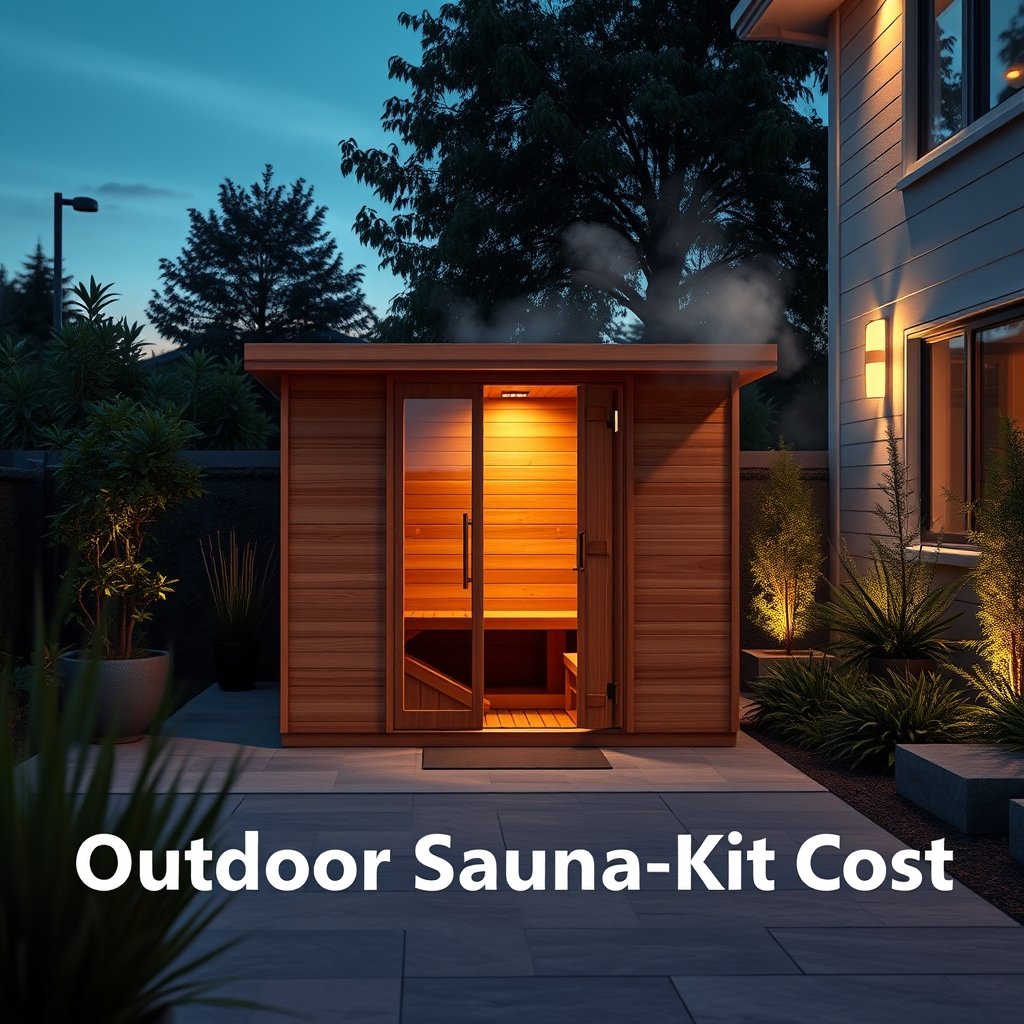
Here’s a realistic snapshot of outdoor sauna kit cost by type, size and materials in 2024:
| Type | Size (People) | Material | Price Range |
|---|---|---|---|
| Infrared | 1 | Spruce | $1,000–$1,500 |
| Infrared | 2–3 | Spruce/Basic Cedar | $2,000–$3,800 |
| Electric Barrel | 2 | Spruce | $2,000–$3,500 |
| Electric Barrel | 4–5 | Thermowood/Cedar | $6,500–$10,000 |
| Wood-burning Barrel/Cabin | 4 | Cedar/Thermowood | $5,500–$9,000 |
| Luxury Cedar Cabin | 4–5 | Premium Clear Cedar | $12,000–$15,000 |
Source: Haven of Heat and Fortune
Heater type, material, and kit size are by far the biggest drivers. For example, the Sun Home Luminar Outdoor 5-Person Infrared Sauna runs $14,599, while the simple Saunabox Pulse Pro 1-person Infrared kit is just $998. Wood-burning barrels add up-charges for the chimney and fire safety codes, but deliver that “authentic” Finnish feel. Electric and infrared kits require less site work, but almost always need a dedicated 240V outlet—plan to hire an electrician. For even more detailed kit cost math, check out our indoor sauna kit cost guide.
Heater types compared—cost, performance and operating tradeoffs
Let’s break down real-world tradeoffs between infrared, electric and wood-burning heater options:
- Infrared: Lowest outdoor sauna kit cost per square foot. Heating is gentle, heats you directly, and uses about 1–3 kWh per session (low utility bills). Minimal maintenance, but some people find the heat less “powerful” than traditional setups. Kits are lightest, often easiest to install. Source
- Electric (Traditional): Quick to heat, steamy “Finnish sauna” feel. Requires 240V outlet (electrician needed). Ongoing utility costs depend on local kWh rates (often $0.25 to $0.60/session). Maintenance is mainly heater cleaning, wood sealing, and replacing worn gaskets.
- Wood-burning: No utility expense but you’ll need to haul and store seasoned wood (expect $250–$400/yr for fuel in moderate climates). Installation is trickiest due to chimney, venting, and fire code. Annual cleaning and periodic relining of the chimney. Strongly check local permit rules for wood stoves!
Each heater choice drives not only the initial outdoor sauna kit cost—but the experience, resale appeal, and long-term maintenance. Infrared is often best for “plug and play” and minimal fuss. Traditional electric or wood-burning heaters maximize powerful steam sessions, and may suit more rural locations.
Materials and sizes—how wood choice and layout affect price and longevity
Material and shape both have a big impact. Most affordable kits use spruce, which is budget-friendly but less durable long-term. Thermowood (heat-treated pine/fir) costs more, adds weather resistance, and is splinter-resistant. Clear cedar is the premium option: resistant to rot, very stable, and naturally aromatic (but up to 60% more expensive). Barrel designs minimize corners—meaning quicker heat-up and less wasted volume—while cube/cabin shapes fit patios and configuration upgrades. For best value:
- Choose spruce for entry-level or compact designs in sheltered backyards.
- Pick thermowood for a good durability boost at mid-budget.
- Cedar for the highest-end, decades-long ROI and minimal odor/splinter issues.
Want to maximize use of available space? Consider deck-mounted barrel kits or combination “cube + bench” layouts as covered in our outdoor kitchen ideas guide or browse ADU conversion ideas for creative adjacent site planning.
Common installation headaches—delivery, assembly, foundation and permits
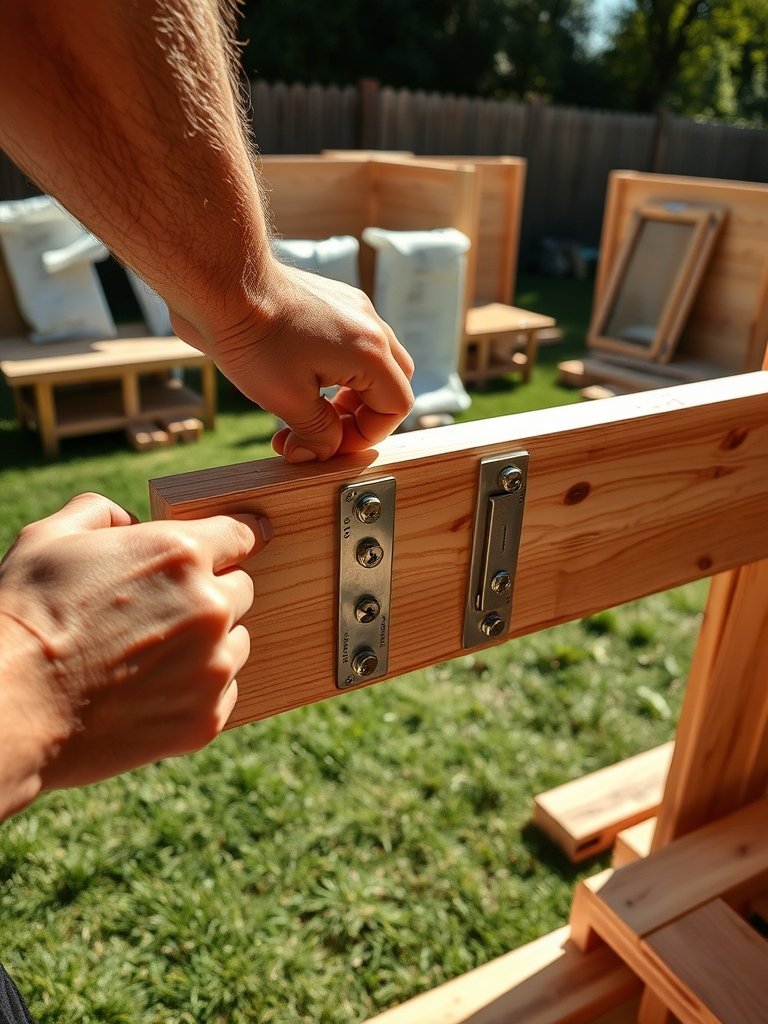
Most flat-pack outdoor sauna kits are shipped on pallets. Oversized wall or roof panels may not fit through a typical backyard gate; some panels are 5–8 feet long and over 150 lbs. Here are key installation challenges:
- Labor: “At least four people—sometimes six—are often needed to assemble larger kits.” Lifting and aligning panels requires muscle and precise teamwork.
- Site Preparation: A perfectly level, well-drained foundation is critical. Many owners opt for concrete pads, paver blocks, or composite deck platforms. Skipping this leads to shifting walls, leaks, or rot, as detailed in our foundation & crawl space cost guide.
- Electrical Work: For electric and infrared, budget for a 240V circuit, outlet, permit and licensed electrician. This often runs $800–$2,000 extra. Review our tips in the 240V circuit installation guide.
- Permits: Almost all towns want a building permit for structures over 100–120 sq ft, or for wood-burning stove/chimney installs. Inspections may check setbacks, fire separation, venting, and even zoning.
- Delivery Issues: Narrow gates, sloped yards, and missing hardware can wreck your install plans—order ahead and communicate with the freight driver.
Plan for schedule delays if you need permits or inspections. Building without required permits can result in fines or forced dismantling.
Backyard sauna ideas that deliver the best value
Whether you want a rustic retreat or a modern spa, the smartest backyard sauna ideas deliver practical benefits and high enjoyment:
- Barrel saunas for efficient heat circulation and classic looks—tight seal, fast warm-up, minimal wasted space.
- Cabin/cube layouts for modular expansion: add a changing room, install glass doors, or custom bench tiers. These designs adapt if you want to upgrade later.
- Dual-zone kits combining classic electric or wood heater with an infrared panel for flexibility and family appeal. Notice the option to add cold-plunge or shower pods next to the unit—see steps in our cold plunge pool backyard guide.
- Think of privacy fences, integrated lighting, and positioning windows for scenic nature views—see more in our home design essentials guide. Avoid siting below large trees (falling sap/debris).
For most, the sweet spot is a 3–4 person thermowood barrel or modular cabin, paired with a simple outdoor shower—total costs for this setup are the lowest per session over five years.
Comparing 5-year operating and maintenance costs
The right way to compare outdoor sauna kit cost is by looking at five-year operating + maintenance totals. Here are three realistic scenarios for a medium-use home:
| Scenario | Initial Kit/Install | Energy or Wood (5 yrs) | Permit/Service/Repairs | 5-year Total Cost |
|---|---|---|---|---|
| 1-person Infrared | $1,200 | $250 | $200 | $1,650 |
| 2-person Electric Barrel | $3,000 | $500–$800 | $1,200 | $4,700–$5,000 |
| 4-person Wood-burning Cabin | $7,500 | $1,500–$2,500 | $2,200 | $11,200–$12,200 |
How to estimate your costs: Check your local kWh rate (usually on your electric bill) and multiply by average use—infrared typically uses 1–2 kWh per hour, electric 6–8 kWh, while wood-burning depends on supply and regional costs.
Sara in Portland chose a 2-person electric barrel kit for $3,300, spent $1,800 on electrical work and foundation, and paid $350 per year in extra electricity. With basic upkeep ($200 over five years), her total 5-year outlay = $3,300 + $1,800 + ($350×5) + $200 = $7,050. Her neighbor’s wood-burning kit cost $8,000 upfront, $2,000 for install/chimney, $300/year in bulk wood, and $650 in chimney cleanings—total $12,150 (almost double—mostly due to wood supply, labor and chimney requirements).
Warranties, customer service and durability—what to expect from top brands
Leading sauna brands typically offer 1–5 years on heater components, and 3–10 years on wood or structure—sometimes “lifetime” (expect exclusions). Electronics, controls and lighting typically have shorter terms—check the fine print. Sample price anchors from well-known 2024 models:
- Sun Home Luminar Outdoor 5-Person Infrared Sauna — $14,599
- Plunge The Sauna (Standard) — $12,990
- Redwood Outdoors Duo Outdoor Sauna (2-person) — $5,699
- Saunabox Pulse Pro 1-person infrared — $998
Common customer service headaches: unclear instructions or replacement part delays, warranty requiring return shipping for large/heavy parts, or lack of local technical support. Choose brands with positive reviews for post-sale responsiveness, and confirm replacement heater or wood costs before buying (not all parts are covered). For long-term satisfaction, prioritize brands with at least a 3-year warranty on the heater and 5 years on wood/structure.
Step-by-step buying & site-prep checklist
- Measure your available space and check local setbacks/zoning (structures above ~100 sq ft often need a permit).
- Choose your heater type (infrared, electric, wood-burning) and wood (spruce, thermowood, cedar).
- Review electrical and plumbing needs. Both the standard and extra-large versions of most electric/infrared kits require a 240-volt outlet—hire a licensed electrician if needed.
- Prepare your foundation (concrete pad, paver blocks or deck platform). Avoid placing directly under large trees or where water pools.
- Plan for delivery. Ensure gate/pathway width matches the largest panel. Schedule helpers—four people minimum, six for larger units.
- Order required permits and schedule inspections for electrical, building, and for wood-burning units, chimney/fire code checks.
- Reserve your assembly labor days. Flat-packed kits arrive with all panel pieces and fasteners, but organizing, lifting and assembly can take 1–2 weekends. See our assembly service guide if you need extra help.
- Finish landscaping, optional fencing, lighting, and set up a cold plunge tub or outdoor shower for maximum value. See more backyard upgrades in our contrast therapy ideas.
Three major informational gaps competitors usually miss
- True five-year TCO examples: Most guides only show sticker price—real value comes from a full calculation using your local energy/wood rates, electrician/permit estimates, and average repairs.
- Step-by-step permit triggers by kit type/size: Many resources gloss over what actually triggers electrical or building permits, chimney rules for wood-burning, and required inspections. Always verify with your city—especially for outdoor stoves.
- Realistic assembly/delivery troubleshooting: Oversized or heavy panels, unclear hardware lists, labor scheduling, possible delivery surcharges and contingency costs aren’t typically covered. Request assembly diagrams or real-user videos if you’re a visual learner.
FAQ
How much does the average outdoor sauna kit cost in 2024?
The average kit runs from $2,000–$3,500 for entry-level 2-person electric barrels or basic infrared, $5,500–$10,000 for mid-size 4-person thermowood or cedar units, and $12,000–$15,000 for luxury cedar cabins. You may find 1-person infrared kits under $1,500.
Is it cheaper to buy a kit or hire a company to build a full custom sauna?
Kits are almost always cheaper. Full custom builds usually double the price (labor, materials, mark-up) and run $15,000–$35,000+. Assembling a kit with an electrician saves thousands, but plan for 1–2 weekends and plenty of sweat.
Do I need a permit for a barrel or backyard sauna?
Generally, yes if the structure exceeds about 100–120 sq ft, or if using a wood-burning heater (which triggers chimney/fire code). Electric or infrared often only require an electrical permit. Always call your city for your property’s rules before purchase.
What’s the lifespan of a well-maintained outdoor sauna?
With regular sealing and maintenance, thermowood/cedar units last 15–25 years or longer. Lower-end spruce kits typically last 6–10 years before wood or door replacement is needed.
Can I run a cold plunge pool or shower off my sauna deck?
Yes—many homeowners add a cold plunge tub or outdoor shower to create a contrast therapy zone. For basics on how to DIY or choose a kit, read our in-depth cold plunge pool backyard guide.