

Outdoor kitchen ideas are on the minds of many homeowners seeking to upgrade their backyard living without overspending. The reality is, building an outdoor kitchen that lasts—and actually functions like an indoor one—takes careful planning, smart material choices, and a budget that tackles both up-front and long-term costs.
Key Takeaways
- Outsmart common pitfalls by prioritizing counter space, weatherproof features, and quality finishes over flashy extras.
- Regional labor and material costs can swing your total price by 20–30%. Plan for climate durability—cheaping out here means higher costs later.
- Permits, utilities, and hidden fees add 10–20% to real budgets. Don’t ignore them, or you’ll pay for it after you’ve already started.
- What Makes Outdoor Kitchen Ideas Truly Budget-Friendly?
- How To Plan and Build Your Outdoor Kitchen—A Realistic Step-by-Step Guide
- Advanced Analysis: Pitfalls, Lifespan, and How to Avoid Expensive Mistakes
- Conclusion
- Frequently Asked Questions
What Makes Outdoor Kitchen Ideas Truly Budget-Friendly?
When searching for outdoor kitchen ideas, most homeowners think cutting up-front costs is the priority. But the real secret to a cost-effective backyard outdoor kitchen design on a budget is balancing initial spend with long-term value. That means factoring in local permitting, climate durability, maintenance cycles, and layout decisions that maximize prep space and prevent the top post-installation regrets.
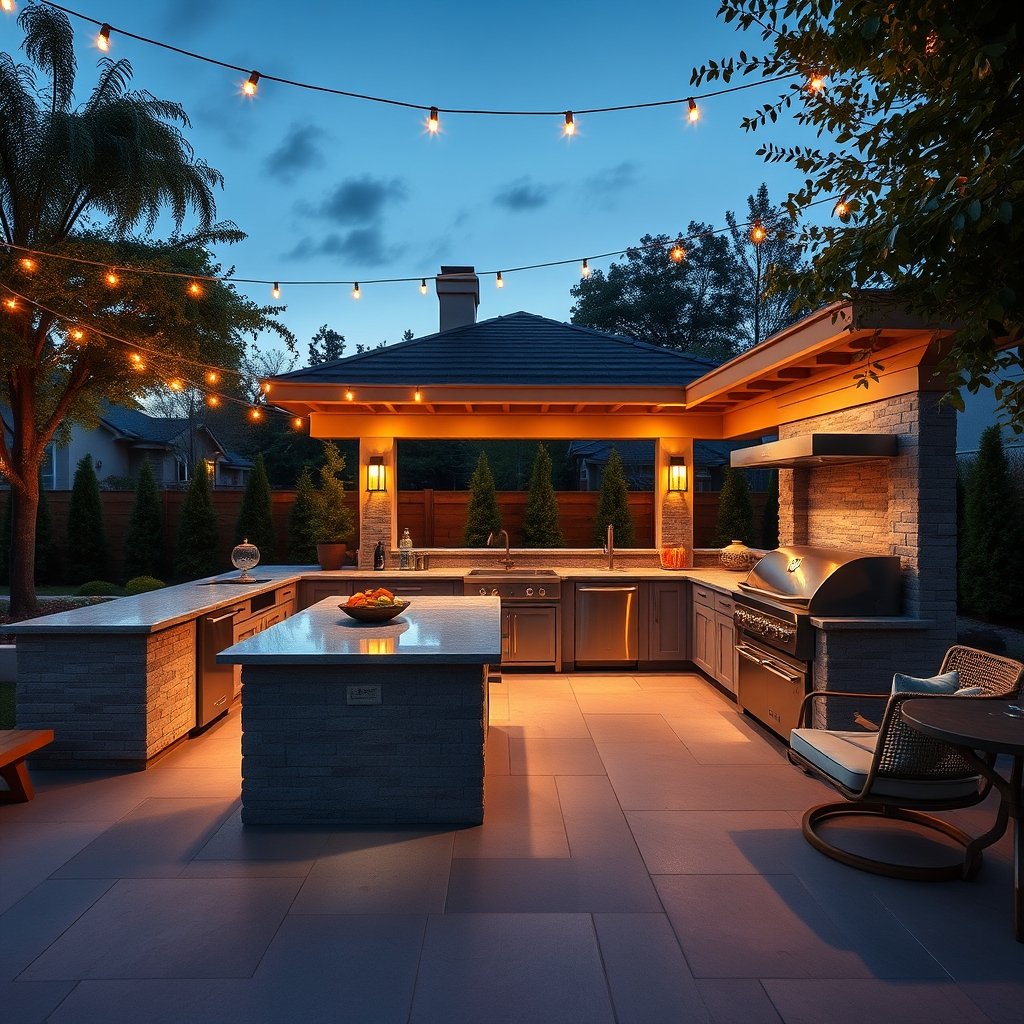
Here’s what separates winners from costly mistakes:
- Budget tiers—Prefab DIY kits (starting $1,500–$5,000), basic built-up islands ($5,000–$12,000), mid-range additions ($12,000–$20,000), and high-end custom builds ($30,000–$60,000+). Source
- Region matters—West Coast and Northeast see 20–30% premiums, while Midwest and South can offer 15–25% savings. Source
- Durability and maintenance—Materials like marine-grade cabinets, sealed concrete, and stainless hardware withstand harsh seasons and can keep you from repeating the same investment again…and again.
Ignoring any of the above is where most “budget” projects turn into nightmares.
How To Plan and Build Your Outdoor Kitchen—A Realistic Step-by-Step Guide
- Define Your Budget Band and Phase:
Decide which tier you’re targeting. For a true-DIY backyard outdoor kitchen design on a budget, expect $1,500–$5,000 for a prefab kit or grill island with basic prep space. Mid-range, professionally built layouts with plumbing or a pergola shade can run $12,000–$20,000. If your climate demands marine-grade or masonry finishes, increase your budget by 20–30%.
- Get Local—Factor Regional Costs and Permits:
Check your city’s permit process. Plan for up to 20% extra if you’re in high-cost urban regions (like LA or NYC) or exposed climates. Midwest/South? Potentially 15% below national averages.
- Prioritize Layout and Flow:
Straight-line, L-shape, or small island? The key: at least 48 inches of uninterrupted prep counter. Many regret cutting this for a bigger grill—don’t be one of them.
- Choose Materials for Longevity:
Masonry or steel frame for the base, sealed granite-look or sealed concrete counters, marine-grade cabinets, and frost-proof plumbing. Skimping here means warping, rust, or cracking in two to three seasons.
- Plan Utilities Early:
Budget for gas, electric, or plumbing upgrades now. Many underestimate costs—always add a 10–20% utility/permit contingency.
- Wave Panic Goodbye—Phase Your Build:
Start with the core grill and counter, plan wiring/gas lines even if you add a sink, fridge, or pizza oven next year.
Sample Budget Worksheet
- Prefab Grill Island: $2,500–$5,000
- Weatherproof Base Materials: $800–$2,500
- Countertop Expansion: $1,000–$2,500
- Minimal Utilities (outlet or plumbed cold line): $500–$1,500
- Optional Upgrades (sink, fridge, pizza oven): $700–$5,000
- Permit/Utility Contingency (10–20%): $450–$2,600
For more project templates, see our built-in grill outdoor kitchen guide.
Smart DIY Paths & When to Hire Out
- DIY-Friendly: Prefab modular islands, surface countertops, appliance swaps.
- Hire Pros For: Gas/electric runs, full plumbing, code-mandated inspections, and when dealing with complex surfaces (like load-bearing decks or sloped yards). See garage conversion cost guide for similar permit strategies.
Always get three quotes for any significant trade work—prices and code requirements vary by region.
Links to More Detailed Strategies:
Advanced Analysis: Pitfalls, Lifespan, and How to Avoid Expensive Mistakes
Too many “outdoor kitchen ideas” articles skip the real Achilles’ heel of budget projects—materials and design shortcuts that guarantee big problems (and repair bills) within a few years. Here are the most common—and how to beat them:
| Problem | What Causes It | Low-Cost Solution |
|---|---|---|
| Not Enough Prep Space | Underestimating needs, picking oversized grills | Insist on 4+ feet of counter (not less)—extend with prefab side modules as needed |
| Cabinets/bases warping, rusting, or cracking | Cheap wood, veneers, or thin painted metals used outdoors | Upgrade to marine-grade polymer/composite, masonry, or powder-coated stainless options |
| Unbearable smoke, odors | No hood/vent for covered layouts | Budget for even a basic vent hood—used units work for outdoor setups |
| Permitting, HOA, and surprise utility costs | Plan didn’t include inspections or utility reroutes | Contact building office early, add 10–20% contingency |
| Repairs from climate wear | Chosen materials not rated for freeze-thaw, wind, or sun | Invest in finished concrete, granite, or masonry; use frost-proof plumbing lines and water shutoffs for winter |
Regional differences are huge—a project in Phoenix vs Boston demands different weatherproofing spend. If you’re unsure, check this thorough pricing breakdown: Fixr’s Outdoor Kitchen Cost Guide.
Don’t overlook modern prefab and modular trends—2024’s lineup lets you add utility blocks and smart appliances much faster (and often, with fewer inspector headaches) than traditional brick-and-mortar builds. See Uniframe Systems guide for examples of modules that range $7,000–$16,000 versus $30,000+ for full custom work.
Avoid the classic rookie error: forgetting core utility capacity or skipping maintenance plans. For more tips on structuring home upgrades cost-effectively, check our solar panel cost breakdown.
Conclusion
Planning your backyard outdoor kitchen design on a budget isn’t just about chasing the lowest price—it’s about demanding long-term value, future-proofing for your climate, and avoiding the trapdoor of hidden costs and poor layouts. Prioritize weatherproofing, solid prep space, and phased upgrades, and you’ll see your investment raise your home’s value as well as your quality of life.
Use these outdoor kitchen ideas as your framework—and always get at least three local quotes before starting. Download our free budget worksheet, or reach out for a personalized project review before you commit.
Frequently Asked Questions
How much does a budget outdoor kitchen actually cost in 2024?
Basic true-DIY setups start around $1,500–$5,000; entry-level built-up islands range $5,000–$12,000. Most practical builds fall between $5,000–$17,000, with high-end custom projects reaching $30,000–$60,000 or more. Regional labor and material costs can shift these ranges by 20–30%.
What outdoor kitchen features give the best long-term value?
Quality weatherproofing, marine-grade or masonry bases, modular counter expansion, and frost-proof utilities. Spend on durable surfaces (sealed concrete, granite, or stone), and ensure there’s enough prep space and ventilation for your climate.
Is it cheaper to do a DIY prefab outdoor kitchen than hire a contractor?
DIY prefab and modular setups can shave 30–50% off labor costs, especially for straightforward grill islands or plug-in appliance modules. However, for gas, electric, or full plumbing, always hire a licensed pro to meet code and avoid costly redos. Consider what you can safely do versus what must be up to code.
What hidden costs am I likely to miss?
Permits, HOA approvals, gas/electric upgrades, and inspections routinely add 10–20% or more to quoted costs. Also budget for regional material premiums and maintenance cycles in harsh-weather areas—these are the most common sources of surprise overruns.
How do I make my outdoor kitchen last longer in tough climates?
Invest in frostproof plumbing, marine-grade cabinets, sealed concrete or masonry, and a waterproof base. Always winterize lines, seal surfaces annually, and use furniture or appliance covers year-round as added insurance.