

Aging in place bathroom remodel has become a critical safety and quality-of-life investment for families with aging loved ones. With new 2024 statistics showing that piecemeal fixes rarely offer lasting fall protection, a holistic and evidence-driven approach is now essential to protect independence and prevent hospitalizations.
Key Takeaways
- Falls are the leading cause of injury for older adults; nearly one-third of senior bathroom injuries result in fractures.
- Partial upgrades (like one or two grab bars) rarely solve the core risks; comprehensive, accessible remodels yield real safety gains and long-term ROI.
- Realistic remodeling costs range from $10,000 to $40,000, but several 2024 grants, tax credits, and financial options can lighten the out-of-pocket burden.
- Why bathroom safety matters now — the hard numbers
- Step-by-step guide to a safe, cost-effective remodel
- Advanced analysis & common pitfalls
- Conclusion
- FAQ
Why bathroom safety matters now — the hard numbers
Bathroom incidents are not just inconvenient; they are the main driver of fall-related injuries among seniors aged 65 and up. In the latest 2023-2024 data, falls remain the leading cause of injury for this age group, with the bathroom accounting for an outsized portion of serious incidents.
Specifically, about one-third of all senior bathroom falls result in a fracture, and for adults over 85, more than one-third of falls require hospitalization. Each year, over 1 in 4 older adults in the U.S. reports falling, and 1 in 10 sustains an injury severe enough to require medical attention. The statistics are even starker for seniors dealing with poor lighting: a 2024 study found that 11.4% of falls caused by poor illumination occur in the toilet or shower area (CDC | PMC).
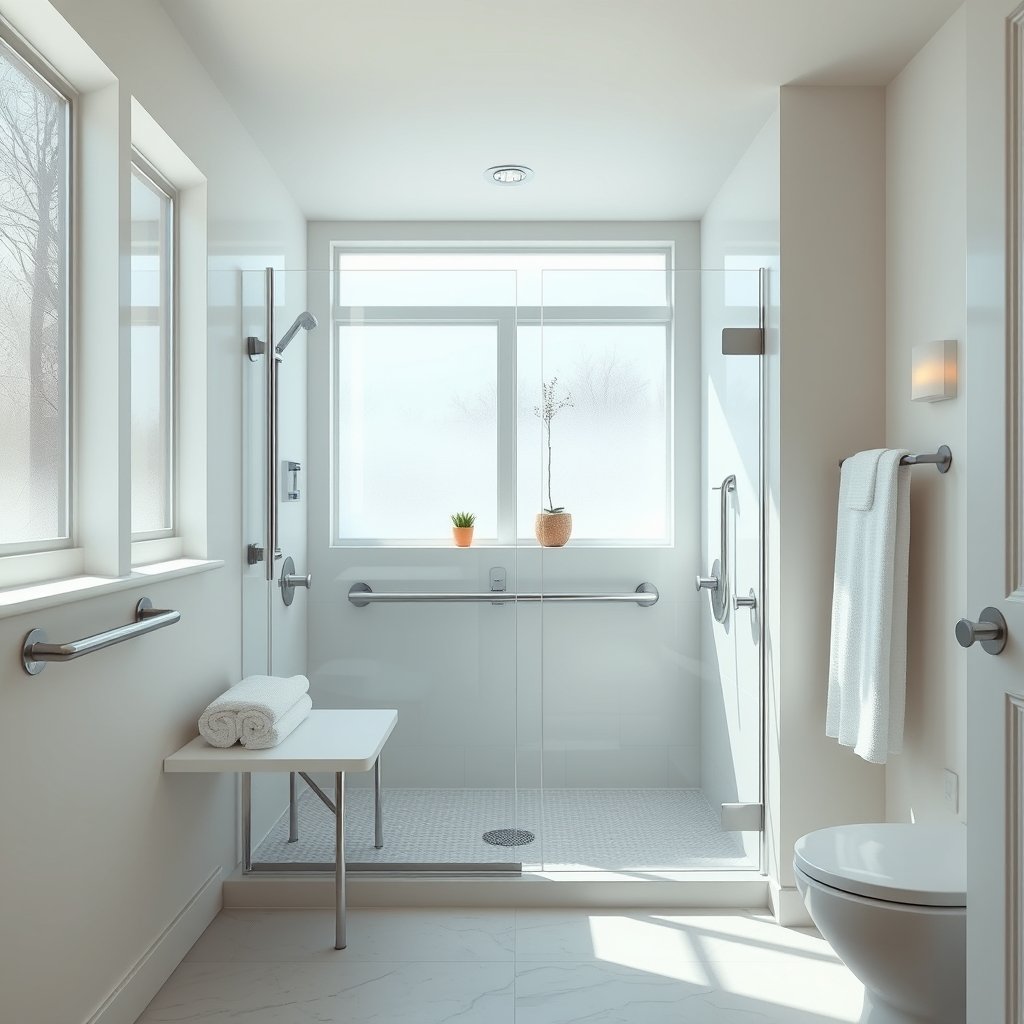
This data makes it clear: an aging in place bathroom remodel is not just a quality-of-life upgrade—it is a health imperative with measurable outcomes.
Step-by-step guide to a safe, cost-effective remodel
A systematic, evidence-driven process helps families reduce fall risk, maximize independence, and avoid piecemeal mistakes.
- Start with a professional safety assessment. Consult an occupational therapist (OT) or physical therapist (PT) to evaluate the user’s needs, current mobility, and fall history. Request a written list of critical bathroom hazards and must-fix priorities. Clinical guidance—like the CDC’s STEADI toolkit—provides a robust baseline (see CDC STEADI resources).
- Prioritize features that offer the highest safety ROI:
- Zero-threshold or walk-in showers
- Wall-anchored grab bars (with backing, not just surface-mounted)
- Non-slip flooring
- Comfort-height toilets
- Bright, layered lighting (task + night lighting)
- Ample clearances for walkers and wheelchairs
- Stable seating and transfer aids
- Get specific on spacing and installation: Ensure at least 30-36″ wide clearances for mobility aids, and custom-fit transfer benches at safe heights. Place grab bars at recommended heights and locations per CDC and best-practice standards.
- Budget realistically and seek funding. See specific cost breakdowns and financing programs below.
- Hire experienced, licensed professionals. Choose contractors with accessibility experience and ADA/building code awareness. Always require permits and written warranties. See the “Contractor hiring checklist” below.
- Train both the primary user and caregiver after installation, including best techniques for safe transfer, adaptive equipment, and new fixture use. Schedule a re-evaluation every 1 to 2 years or after any fall or health change.
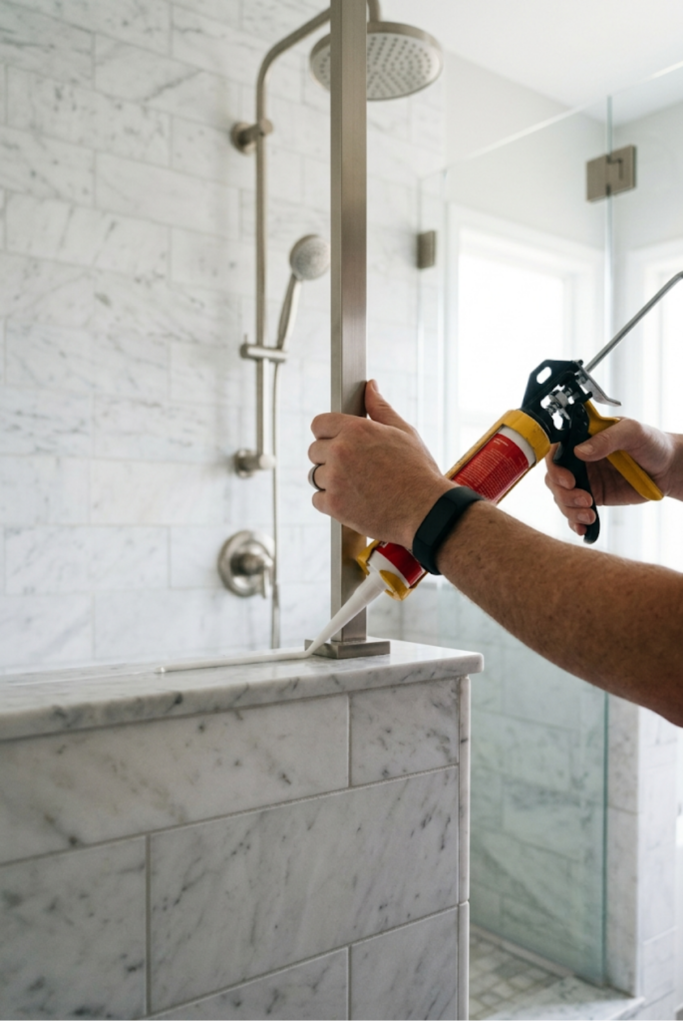
For further reading about accessible renovations, check out our detailed guide on Aging in Place Bathroom Remodel: 7 Best Ways to Ensure Safety.
Top 5 immediate low-cost fixes
- Install non-slip mats or strips in tub and shower areas
- Add portable, suction-cup grab handles (short-term)
- Use touch-activated night lights or plug-in motion sensors
- Raise toilet seat using a secure, bolt-on riser
- Install handheld showerhead for seated bathing
Case vignette: A real-world before and after
Sylvia, age 81, started having difficulty stepping over her bathtub edge, and the old tiles got slippery when wet. After a fall, her daughter led a full aging in place bathroom remodel, starting with a $275 OT home assessment and a contractor bid of $18,400 (Midwest region). The design included a zero-threshold shower, comfort-height toilet, two wall-anchored grab bars with blocking, slip-resistant luxury vinyl tile, and layered LED lighting with an always-on night light. The project was completed in 8 days, with an additional $1,200 recouped through a local accessible home modification grant. Over the next 12 months, Sylvia and her caregivers documented zero falls and reported reduced fear and more independent bathing—a measurable improvement compared to her previous fall events. Her daughter estimated $6,300 in fall-related healthcare costs avoided in the first year alone.
Advanced analysis & common pitfalls
Taking shortcuts or relying solely on visible modifications often leads to poor outcomes for seniors. According to a recent research report, among Medicare beneficiaries with at least one fall, 55.5% had bathroom modifications—yet 50.1% still experienced repeated falls. Here are the most common points of failure:
| Partial Fix | Why It Fails | Better Solution |
|---|---|---|
| Single grab bar (surface-mounted, no backing) | May loosen, not support full body weight; wrong placement | Robust wall-anchored grab bars, installed into wall blocking, at personalized height and orientation |
| Removable non-slip mats | Can slide or bunch up, create tripping hazard | Install slip-resistant flooring with integrated texture |
| No lighting upgrade | Shadows and glare persist, night falls increase risk (11.4% of related falls) | Layered, high-CRI lighting with motion-activated or always-on night fixtures |
| Raised toilet seat only | May not fit securely; little benefit for those with transfer or balance issues | Permanent comfort-height (ADA-style) toilet and adjacent transfer support |
| Tub entry left unchanged | High threshold remains, risking falls during entry/exit | Zero-threshold shower or walk-in tub installation |
Another overlooked issue is poor space planning: if doors, vanities, or shower entries are too narrow, those using walkers or wheelchairs remain at high risk for falls and strains. Always ensure a minimum 32″ doorway and at least a 5′ turning radius for users with mobility aids, especially for wet room conversion projects.
Many homeowners also underestimate the need for electrical upgrades or code-related work. For example, GFCI outlets, slip-rated flooring, and proper waterproofing are mandatory—but not always included.
Beyond function, address the emotional impact: unaddressed frustrations like slippery floors, low toilets, and lack of stable handholds erode confidence and create caregiver strain, severely impacting both independence and quality of life (Systematic review).
Contractor hiring checklist
- OT/clinical home safety assessment completed
- Licensed, insured general or specialty contractor
- Portfolio of accessible remodels or walk-in tubs/zero-threshold showers
- Clear written scope with all features, brands, and materials listed
- Permit and inspection process explained
- Warranty (preferably 1 year or longer) on all work
- References from local clients; check online reviews
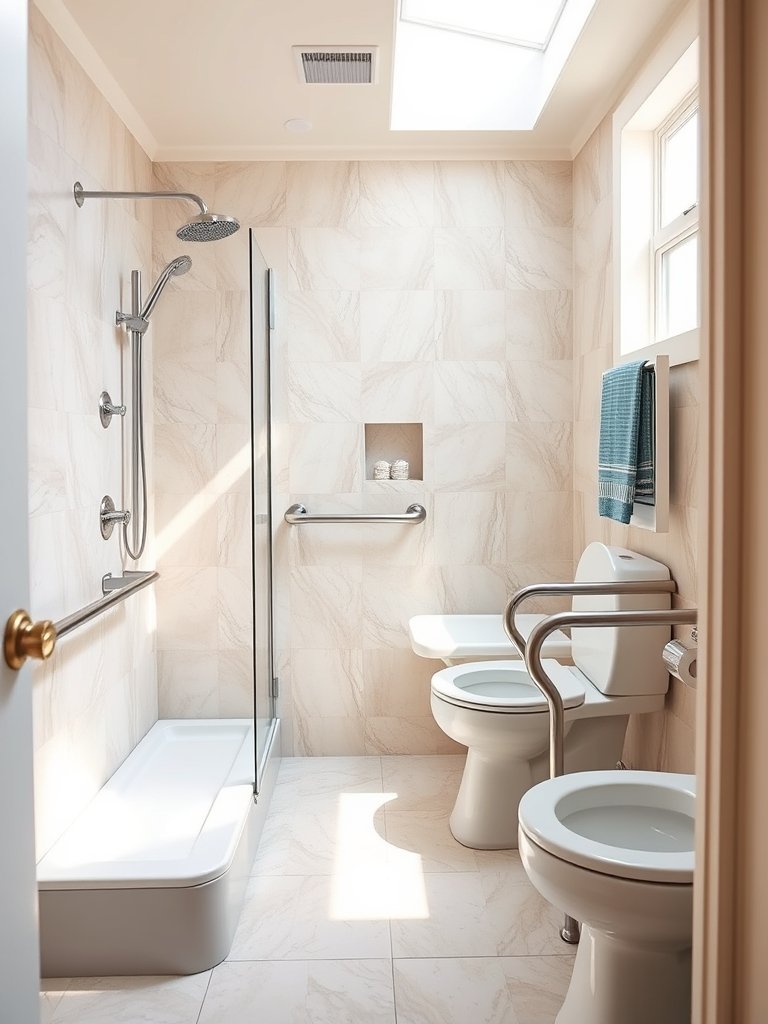
Three often-overlooked high-impact tips
- Layered lighting and visual contrast: Use separate circuits for task, accent, and night lights; add higher-CRI LED fixtures to reduce shadows and glare. Many falls—11.4% in a 2024 study—result from poor illumination in bathroom areas.
- Wall blocking and structural support: Always add wood blocking between studs before adding grab bars. This enables safe anchoring versus surface-mounting, which is more likely to fail (repeat-fall risk: 50.1% even after partial modifications).
- Precision transfer engineering: Slightly raising shower benches or changing the distance between toilet and shower chair by 2″ can dramatically improve transfer ease and lower caregiver strain and injury risk.
Learn more about curbless shower conversions and other bathroom accessibility options.
Cost breakdowns and realistic budgets
The typical accessible bathroom remodel costs between $10,000 and $30,000 for a moderate upgrade (grab bars, non-slip flooring, improved lighting), while a fully custom barrier-free conversion—including zero-threshold shower, walk-in tub, ADA-style doors, and custom cabinetry—runs from $15,000 to $40,000, especially in regions with higher labor rates or expensive finish selections. Expect to pay:
- Grab bars and wall reinforcement: $300-$1,200
- Non-slip flooring: $1,500-$4,500
- Comfort-height toilet: $350-$900
- Walk-in tub or zero-threshold shower: $5,000-$18,000
- Curb and threshold removal: $500-$2,500
- ADA-style doors: $800-$2,000
- Labor: 40-50% of total budget; varies by region
For cost-saving strategies, see our in-depth guide on wet room installations.
Financing and 2024 grants
Many families are surprised to learn a significant portion of seniors only implement partial upgrades due to cost—but full remodels have a much higher safety ROI. In 2024, assistance sources include:
- VA Aid & Attendance grants
- Medicaid HCBS waivers (varies by state)
- State/local home modification grants
- FHA Title I loans or HUD programs
- IRS tax deductions for qualified medical home improvements
Be sure to confirm all eligibility and documentation requirements before starting work.
If bathroom safety is your top concern, check out how other families navigate these choices.
Conclusion
Falls in the bathroom are not just a personal hazard—they have far-reaching medical and financial consequences for families. The data is clear: comprehensive, evidence-based aging in place bathroom remodel projects deliver measurable reductions in fall risk, boost functional independence, and ease caregiving burdens.
Investing in a full accessible bathroom remodel for seniors—rather than relying on ad-hoc fixes—is the surest path to maintaining dignity and safety at home. To move forward, request a professional safety assessment, define your scope, and connect with a contractor proven in accessible remodels. The right investment today can prevent expensive and traumatic incidents tomorrow.
If you are ready to begin your aging in place bathroom remodel or need help with accessible design, get in touch for a detailed consultation or download our complete step-by-step checklist for safer bathrooms.
FAQ
How much does a typical aging in place bathroom remodel cost in 2024?
Most projects range from $10,000 to $30,000 for a moderate update. A full barrier-free conversion can reach $40,000 or more, particularly in regions with higher labor and material costs.
What is the most important upgrade to reduce fall risk?
A zero-threshold shower or walk-in tub, combined with strategically placed, wall-anchored grab bars and non-slip flooring, delivers the biggest reduction in serious injuries.
Can partial modifications—like just adding grab bars—really prevent falls?
Studies show that partial fixes alone are rarely enough. Among seniors who added one or two features, over half still experienced repeated falls. Complete, integrated design is key.
How do I find financial help or grants for an accessible bathroom remodel?
Explore VA Aid & Attendance grants, Medicaid waivers (state dependent), FHA/HUD programs, and medical-expense tax deductions. Also, contact your local Area Agency on Aging for grants or low-cost loans.
Do I need to follow ADA guidelines in my private home?
ADA is only required for public spaces, but its clearances and requirements are considered best practice. Talk to a contractor with experience in accessible home design and always confirm with your local building department.