

hard water shower filter solutions promise softer hair, smoother skin, and longer plumbing life, but do they really work—or are they just clever marketing? Let’s break down the real science, user frustrations, and proven choices so you pick the right filter for your needs, not someone else’s hype.
Key Takeaways
- Most hard water shower filter products do NOT remove the minerals (calcium & magnesium) that cause limescale and “hardness”—they cut chlorine and some heavy metals, which helps most with skin and hair issues.
- The best models carry NSF/ANSI 177 or NSF/ANSI 42 third-party certifications for chlorine and sediment reduction. Always ask for these, not vague “multi-stage” claims.
- Pressure loss, short cartridge lifespan (30–60 days in very hard water), and unsupported “soft-water” claims are the top causes of disappointment—know what each filter can and cannot do before you buy.
- What is hard water and how common is it in the U.S.?
- How to Choose and Maintain a Hard Water Shower Filter: Step-by-Step Guide
- Advanced Analysis & Common Pitfalls (with Comparison Table)
- Conclusion
- Frequently Asked Questions
What is hard water and how common is it in the U.S.?
Hard water is water with high concentrations of minerals, primarily calcium and magnesium, measured in grains per gallon (gpg). According to NBC News, hard water is very common across the U.S., especially in areas using groundwater (wells) or older municipal systems. These minerals are not hazardous to drink, but when water dries on your hair, skin, or bathroom surfaces, they leave visible spots, limescale, and a gritty or dry feel.
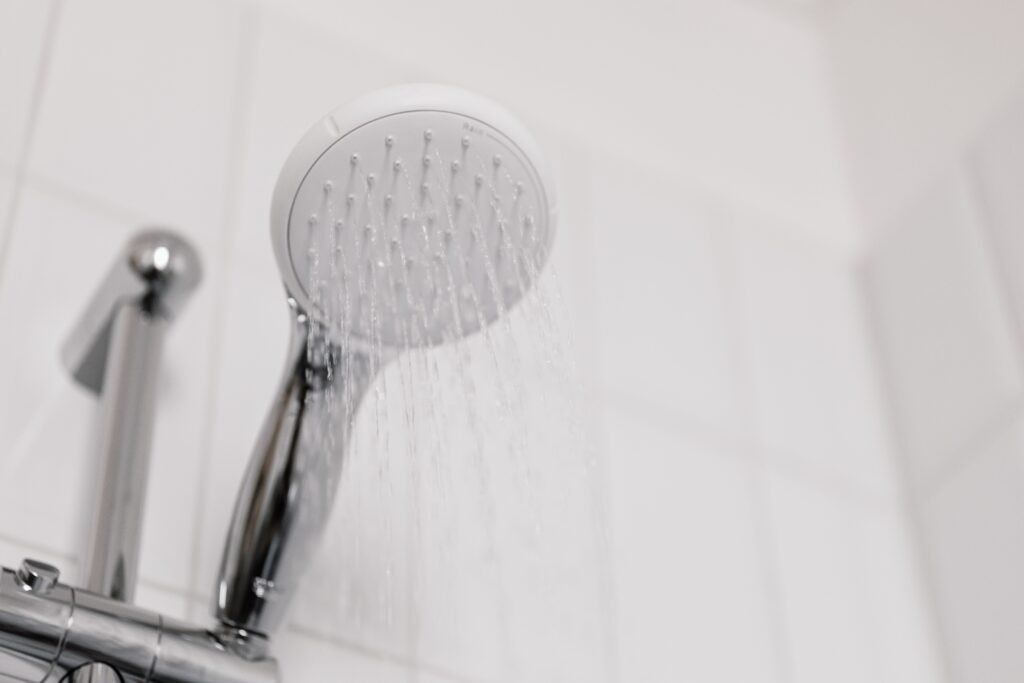
It’s important to understand that a point-of-use hard water shower filter at the showerhead cannot completely remove these minerals. Standard shower filters do not “soften” water in the same way a whole-house ion-exchange softener does. They primarily target chlorine and some heavy metals, leaving most calcium and magnesium untouched (source). That means most limescale and soap-scum issues continue unless you choose a whole-home softening solution.
You can Test Your Water Hardness using inexpensive test strips (learn more here), but if you have scale on your showerhead or dry skin after bathing, you’re probably dealing with hard water.
How to Choose and Maintain a Hard Water Shower Filter: Step-by-Step Guide
- Test Your Water Hardness. Use a simple DIY test strip kit. If your reading is over 7 gpg, you have hard water and may benefit from filtration, especially if chlorine is present (most municipal water supplies add it).
- Decide on Filtration Priorities. If your main concern is skin and hair dryness or irritation, choose a filter focusing on chlorine removal (e.g., Vitamin C, KDF-55, advanced carbon).
- Demand Third-Party Certification. Look for NSF/ANSI 177 for chlorine and NSF/ANSI 42 for sediment. Brands like Weddell Duo, Sprite Pure 7, and Lucinn Pro have verified certifications (source).
- Check Cartridge Replacement Frequency and Cost. In hard water, expect to replace cartridges every 30–60 days. Factor this into your annual cost—some filters look cheap up front but become expensive over time.
- Evaluate for Pressure Loss and Leak Risk. Look for models with improved flow design and robust fittings to avoid the common user complaints of reduced pressure and leaking over time (see user reviews and specs).
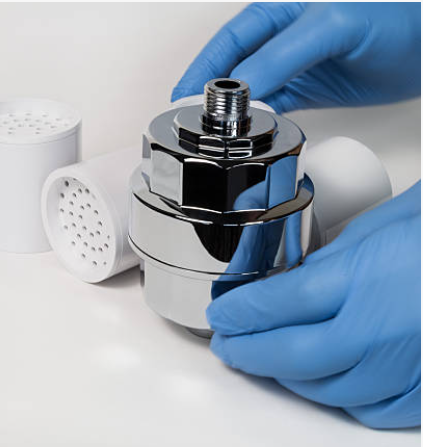
Here’s a simple, reproducible at-home test protocol you can try:
- Chlorine/Chloramine: Use a handheld chlorine meter to test water upstream and downstream of your shower head filter. Good filters will reduce chlorine by 90–99%. Budget models like AquaBliss may only cut 75% (test results).
- Mineral Hardness: Use a water hardness test strip before and after the filter to confirm that minerals (calcium, magnesium) remain unchanged.
- Pressure/Flow: Use a basic flow meter or fill a 1-gallon jug to measure GPM before and after filter installation, and compare it again after 30–60 days.
- Limescale Build-Up: Photograph your showerhead nozzles monthly to spot new blockages, and wipe glass to check for spots or film.
For a deep dive into reducing scale and protecting all fixtures, consider reading our guide on whole house water filtration systems.
Advanced Analysis & Common Pitfalls (with Comparison Table)
The science is clear: standard shower head filters for hard water do not soften the water. Instead, they target chlorine and heavy metals, which are the primary culprits behind itchy skin, brittle hair, and color fading. However, products often promise “soft water” and a limescale-free bathroom, a claim real tests show is mostly marketing.
The most common user complaints found in 2024 include:
- Noticeable pressure loss after 30–60 days—many users report a 30–40% drop as media foul up (independent tests).
- Short cartridge life—especially in zones above 12 gpg, you’ll often need to swap filters every 30–60 days, adding to annual cost.
- Leaky fittings—budget models cut corners on gaskets and threads, so always check for metal or reinforced plastic connectors.
- Misleading claims about “softening.” No tested filter removed more than 1–2% of calcium/magnesium. Limescale and mineral spots will persist, especially on glass.
- Odor or water discoloration as filter media becomes exhausted—replace the cartridge immediately if this occurs.
Let’s compare real-world performance for the top 2024 models:
| Filter Model | NSF/ANSI 177 Cert? | Chlorine Removal | Heavy Metals | Mineral Removal | Typical Cartridge Life | Verified Flow Drop (30–60d) |
|---|---|---|---|---|---|---|
| Weddell Duo | Yes | 96–99% | Yes | <2% | 45–60 days | 10–20% |
| Sprite Pure 7 | Yes | 98% | Some | Negligible | 30–60 days | 15–30% |
| Lucinn Pro | Yes | 99% | Yes | Negligible | 45 days | 10–15% |
| AquaBliss (budget) | No | 75% | Limited | None | 30–45 days | 20–35% |
You’ll notice that the top performers for chlorine and heavy metal removal are always certified. Budget options, like AquaBliss, lack that stamp and consistently underperform—despite bold claims. Don’t fall for terms like “10-stage filtration” if there’s no lab report behind it.
If you want a truly limescale-free bathroom, your solution isn’t a shower head filter for hard water. You’ll need a whole-house softener or chelation system—these use salt or special resin to fully remove minerals throughout your home and come with higher up-front and maintenance costs. Read about the trade-off in our resource on crawl space encapsulation cost, which also covers water-related home concerns you might face.
Want to minimize installation mistakes? Check out money-saving DIY tips in our DIY flooring installation guide—the principle of avoiding “cheap-is-expensive” applies just as much to plumbing and water filters.
Conclusion
The bottom line: a hard water shower filter is your best bet for improving skin and hair comfort by removing chlorine and some heavy metals, but it will not eliminate mineral hardness or limescale. Only a whole house softener does that—and comes with much higher cost and installation complexity. Stick with certified models, replace cartridges regularly, and be realistic about the limits. Still not sure? Use at-home tests to verify real gains before you invest in a full system.
Ready to take the next step? Compare certified shower filters and whole-house systems now, or get tips on other smart home upgrades like EV charger installation to boost your property’s value and comfort.
Frequently Asked Questions
Do hard water shower filters actually soften water?
No. Most shower head filters for hard water only remove chlorine and some heavy metals—not calcium and magnesium. They make water feel less harsh but do not “soften” it like a salt-based softener (see research).
How often do I need to change the filter cartridge?
In areas with very hard water, plan to replace the cartridge every 30–60 days. Heavier use, higher mineral or chlorine content, or older models may need more frequent changes.
Will a shower head filter help with limescale or glass spots?
No. Limescale (white film) is caused by calcium and magnesium, which standard filters do not remove. For total limescale or plumbing scale removal, only a whole-house softening system works.
Do all shower filters reduce water pressure?
Most do experience pressure loss over time as filter media collect debris—expect a 20–40% drop after a month or two if you have hard water. Brands like Weddell Duo and Sprite Pure 7 have improved designs, but budget options often clog faster (see pressure test).
Is it worth installing a whole-house softener instead?
If your main concern is scale across laundry, appliances, and all fixtures—not just shower comfort—then yes, a whole-house ion-exchange or chelation system is the proper investment. For skin and hair relief alone, a quality certified shower filter suffices for most people.