

compact smart home starter kit options are fast becoming the go-to solution for renters and homeowners who want energy savings, hands-free voice automation, and a simple, affordable first step into smart living—without the hassle of a hub or advanced wiring.
Key Takeaways
- Compact smart home starter kits that bundle smart plugs with no hub required now make up about 35% of all entry-level smart home purchases, offering simple installation and voice assistant support for under $45.
- Top user issues include Wi-Fi drops, setup problems, and limited Apple HomeKit compatibility—knowing where these pitfalls are likely helps you avoid major frustration and wasted money.
- Not all “hub-free” kits are equal—look for current security update policies, 2.4GHz bands compatibility, and routine firmware updates on the spec sheet before you buy.
- Quick take — should you choose a compact smart home starter kit (smart plug bundle no hub)?
- 2024 market snapshot — adoption, shipments and growth trends
- Why hub-free smart plug bundles are gaining share
- Most frequent pain points and real negative review patterns
- Price, compatibility and energy-consumption — hub-free plugs vs. hub-based systems
- Security & privacy — documented vulnerabilities and how manufacturers responded
- Device & ecosystem compatibility — who’s usually supported, who’s not, and technical limits
- Setup time and learning curve for first‑time users
- Top 3 subtopics competitors often miss
- Sources to cite and data points to link (writer checklist)
- Conclusion
- FAQs
Quick take — should you choose a compact smart home starter kit (smart plug bundle no hub)?
For anyone with a tight budget and a desire to control lamps, fans, or coffee makers by voice or schedule, a compact smart home starter kit—like a Wi-Fi smart plug bundle with no hub—is the most accessible on-ramp in 2024. These plug-only kits now make up roughly 35% of all starter-kit purchases. The ease of use, sub-$45 pricing, and Alexa or Google Home integration outweigh more advanced automation options for most first-timers. However, if your Wi-Fi is spotty, you require bulletproof reliability, or are deeply invested in the Apple ecosystem, think twice: nearly half of users report device dropouts and one third lose automations after a power outage. For the everyday, practical user, this starter kit delivers, but know what you’re trading off.
- Ideal for: Budget shoppers, renters, anyone who wants voice/app control of a few basic devices (lights, coffee maker, Christmas tree) with minimal setup.
- Red flags: Household needs bulletproof reliability, mixed Apple HomeKit/Google devices, or advanced automation beyond simple on/off. Avoid if your Wi-Fi is unreliable.
Research shows plug-and-play smart plug bundles now represent 35% of smart home starter purchases, with US smart device penetration at 93% and 42% of households reporting the majority of their home devices as “smart” (AHS Smart Home Survey 2024).
2024 market snapshot — adoption, shipments and growth trends
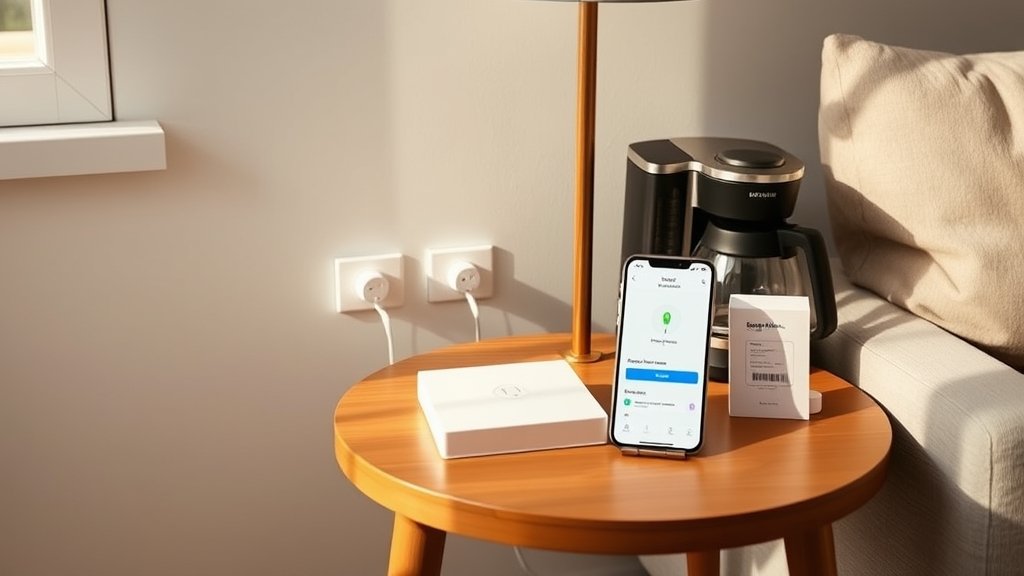
Global smart home adoption has hit critical mass. In 2024, there are an estimated 422 million smart home users worldwide, though device shipments (189 million for H1 2024) dipped 5.9% over last year—signaling a maturing, but not shrinking, market (Strategic Market Research 2024). Compact smart home starter kit and smart plug bundle no hub solutions are driving this continued adoption, with plug-only bundles now accounting for roughly 35% of all starter kit purchases. In the US specifically, almost 93% of households now have at least one smart device, and nearly half of Americans say most of their home devices are smart.
Why hub-free smart plug bundles are gaining share
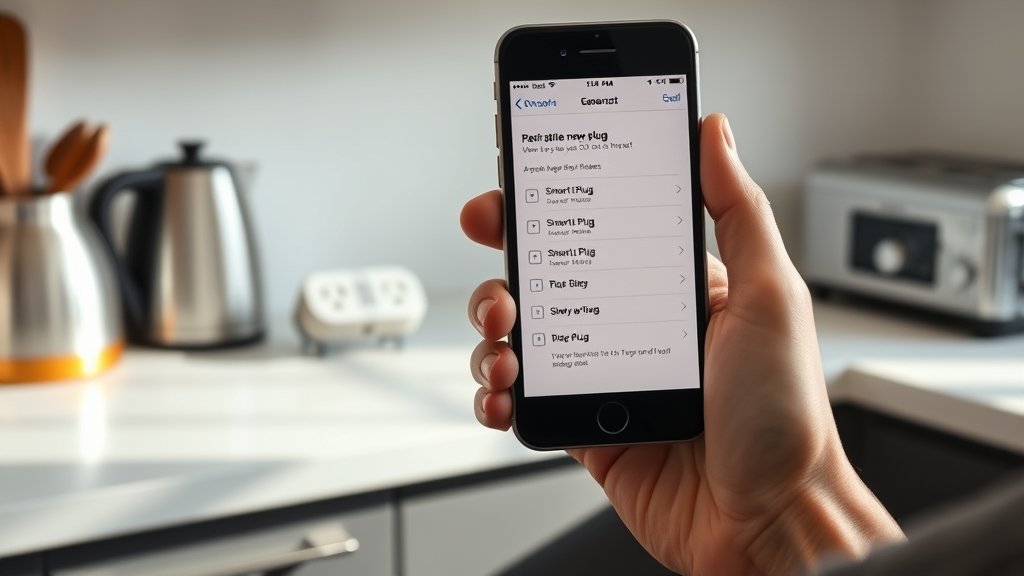
Smart plug bundle no hub kits are surging because they eliminate most barriers to entry. No extra hardware. No complex wiring. With an upfront cost as low as $39.98 (The Gadgeteer), you get instant voice assistant and app control. The biggest use cases: scheduling lights, brewing morning coffee automatically, running fans, and controlling seasonal décor. About one third of buyers now choose plug-only bundles, reflecting the desire for simplicity, low price, and hassle-free installation. And with new Matter-compatible models entering the market, support for cross-platform integration is improving—though real-world results are still mixed.
Most frequent pain points and real negative review patterns
It’s not all smooth sailing. Digging into hundreds of reviews and major research studies, the top pain points for compact smart home starter kit and smart plug bundle no hub buyers break down like this:
- 46%: Lose connectivity or go offline after Wi-Fi/internet drops.
- 33%: Lose automation routines or schedules when the power blinks or there’s an outage.
- 19%: Experience setup or pairing headaches—timing out during installation or requiring multiple resets.
- 15%: App software issues—crashes, missed firmware updates, “ghost” on-off cycles.
- Routine HomeKit issues: HomeKit frequently requires a HomePod, Apple TV or iPad to act as a hub, and many users complain plug compatibility is unreliable, especially compared to Alexa or Google Home. Connection drops can require unplugging and replugging frequently (Engadget).
Specific complaints often mention loss of voice control, delayed app responses, or hours-long outages that require users to reset their routers and plugs. Understanding these patterns helps set realistic expectations and avoid the most frustrating scenarios.
Price, compatibility and energy-consumption — hub-free plugs vs. hub-based systems
The main draw of starter kits is cost: you can fully equip a living room or bedroom with 2–4 outlets for less than the price of most hubs alone. Here’s how they stack up side by side:
| Feature | Smart Plug Bundle No Hub | Hub‑Based System |
|---|---|---|
| Upfront Cost Per Plug | $10–$20 (as low as $39.98 for a 2-pack) | $25–$40 per plug + $60–$120 hub required |
| Network Required | 2.4GHz Wi-Fi | Zigbee/Thread/Bluetooth (hub) |
| Voice Assistant Support | Alexa, Google Home (most common), Matter (some); HomeKit is hit-or-miss | Alexa, Google, HomeKit (usually broader, but depends on hub) |
| Remote Access | Through cloud/app (requires internet; risk if vendor cloud goes down) | Usually more reliable, often works locally over LAN |
| Energy/Standby Power | Typically 0.3–0.9W, may run higher with energy usage monitoring | Hub itself consumes 1.5–2W plus device draw |
| Hidden Costs | May need Wi-Fi repeaters; extra hardware for HomeKit remote use | Hub required, usually no repeaters needed |
What to check on the spec sheet: 2.4GHz vs dual-band support, warranty, if energy usage monitoring is built in, and vendor’s security update policy.
- Read how smart home retrofits are getting easier with Matter
- See our full guide to AI smart home hub setup
Security & privacy — documented vulnerabilities and how manufacturers responded
Security and privacy remain major decision points for any smart plug bundle no hub purchase. Recent years saw federal scrutiny over manufacturer security practices: for instance, investigations into major vendors like TP-Link forced public responses and eventual policy changes (Wirecutter). Documented vulnerabilities included firmware loopholes, insufficient local device authentication, and slow patch rollouts. Reliable brands have since responded by speeding up update cycles, adding mandatory firmware checks, and joining industry-wide efforts like the Matter standard to improve baseline protections. Still, data flows through the vendor’s cloud unless you use devices with true local control (rare among cheap, hub-free models), so always:
- Review the vendor’s published security update policy
- Look for transparent data-collection disclosures
- Prefer products with third-party or independent audits
User review data shows that security lapses and Wi-Fi/firmware issues are consistently among the top three complaints for compact starter kits. If you’re cautious about privacy, spend time on the vendor’s website or documentation before committing.
Device & ecosystem compatibility — who’s usually supported, who’s not, and technical limits
Not all ecosystems play equally well with compact smart home starter kit products:
- Alexa: Almost universally supported. Easiest for first-timers.
- Google Home: Strong support across most mainstream plugs.
- Apple HomeKit: Compatibility is patchy. Most smart plug bundle no hub kits either require a HomePod, Apple TV or always-on iPad for remote access, or report frequent dropouts. Plenty of real-world reviews highlight this as a daily frustration.
- Matter support: Growing, but edge cases exist—especially with legacy assistant routines, multi-user access, and remote control when the vendor’s cloud is involved.
Most hub-free plugs require 2.4GHz Wi-Fi and may fail if your router enforces strict device isolation or if Wi-Fi is congested. If you live in a dense urban area or share a router with many others (apartments, dorms), expect some connectivity quirks.
- Pair your starter kit with a home EV charger for a real energy upgrade
- Maximize savings by automating your heat pump water heater
- Go further with a whole home battery backup
Setup time and learning curve for first‑time users
Marketing copy promises “plug and play” but user experience varies. Expect this real-world sequence for your smart plug bundle no hub:
- Unbox and plug in each smart plug (1–2 minutes per plug).
- Download the manufacturer’s app and create (or sign into) an account (5–8 minutes including verification emails).
- Start pairing process—most plugs timeout if you take too long. Use the app to detect and name your plug (3–8 minutes per plug, plus resetting if pairing fails).
- Link the app to your Alexa or Google Home account for voice control (5 minutes, including device discovery).
- Create schedules or routines, either in the app or via the assistant (2–10 minutes depending on complexity).
Most users can set up their whole kit in under 25 minutes if things go smoothly. However, about 19% of users report at least one device refuses to pair on the first try, and manual reset procedures are common—usually holding a button for 5–10 seconds. Always have your Wi-Fi password ready. Avoid abandoned setup by choosing plugs with lots of positive reviews around “easy setup.”
Top 3 subtopics competitors often miss (opportunity areas to own)
1) Long‑term reliability and firmware‑update cadence
- Check for clearly published firmware update policies and track record (patch frequency, last major bug fix date).
- Brands with a dedicated update portal or visible changelog inspire more trust. Avoid no-name imports with zero online support.
2) Real interoperability edge cases
- Test detailed HomeKit workflows before relying on them for daily routines; expect frustration with plug-only kits.
- Understand Matter’s caveats—some functions only work if all devices in the chain are Matter-certified and on the same network, and vendor apps sometimes block “local only” control.
- If you want vendor-free remote access (no cloud), be ready for extra tech steps: most budget plugs depend on their manufacturer’s servers for outside access and fail if the company goes offline.
3) Security provenance and practical privacy tests
- Insist on clear, regular security patching. The market’s worst horror stories involve orphaned firmware on now-defunct apps.
- Check third-party audits and look for vendor participation in the Matter security initiative.
- Double-check what personal data leaves your home—ideally the vendor’s app should explain this up front.
Why cover these? Because 46% of users have faced device dropouts, and ongoing HomeKit and reliability complaints make these crucial for peace of mind. See more on avoiding hidden smart home pitfalls here.
Sources to cite and data points to link (writer checklist)
Build your buying confidence by verifying claims with direct sources:
- For user complaint rates, see the AHS Smart Home Survey 2024.
- Global user base and shipments: Strategic Market Research.
- HomeKit and app reliability: insights at Engadget, Amazon user reviews.
- For current pricing, see The Gadgeteer’s roundup.
- Security update and policy transparency: check vendor firmware/update pages or Wirecutter’s security coverage.
Conclusion
A compact smart home starter kit remains the fastest, cheapest route to voice-operated convenience for budget-minded DIYers—just know the limits. Expect ultra-easy setup for Alexa and Google, basic energy savings, and low entry costs, but prepare for intermittent Wi-Fi hiccups and Apple HomeKit frustrations. If upfront simplicity and price outweigh the risk of occasional disconnects, the compact smart home starter kit is a smart first step. Ready to upgrade? Check model specs for update policies and compatibility, and automate your first device today.
Explore more actionable smart home DIY strategies here.
FAQs
What’s included in most compact smart home starter kits?
Typically, a starter kit contains two to four Wi-Fi smart plugs with a companion app. No separate hub or bridge is required. Many kits work best with Alexa and Google, but not always with Apple HomeKit.
Do smart plug bundle no hub kits really work with any Wi-Fi network?
Most require a 2.4GHz Wi-Fi signal. Dual-band (5GHz) only networks often do not work, or require “legacy” settings enabled on your router.
What if my Wi-Fi goes down? Will my automations still run?
No. Hub-free smart plugs lose automation and voice control when Wi-Fi or your internet is disconnected. Some do reconnect automatically, but reliability varies by brand.
How can I check a vendor’s current security update policy?
Look for a firmware update or announcement section on the vendor’s website. Reliable brands publish routine updates, security patches, and changelogs. Avoid vendors with missing or outdated update pages.
Are there any smart plugs that actually work well with Apple HomeKit?
Yes, but expect to pay more and ensure your home has a HomePod, Apple TV or iPad always on to act as the required hub. Even then, dropouts happen more often than with Alexa or Google routines.