

Biophilic interior design furniture is rapidly shaping the future of premium home and office environments, blending market data, proven wellbeing benefits, and real buyer pain points into a single actionable playbook. Product managers and design leaders now have the numbers—and the tactical product specs—to capture this booming opportunity.
Key Takeaways
- Biophilic furniture is projected to grow from $32 billion (2024) to $45 billion (2026), with the strongest demand in North America, Europe, and Asia-Pacific.
- Top buyer pain points are limited functionality, durability concerns, and a significant price premium—addressed best by modularity, moisture protection, and transparent warranty schemes.
- Differentiated success relies on combining sustainably-sourced materials, integrated plant systems, proven environmental benchmarks, and smart features that reduce maintenance and boost wellbeing.
- Market opportunity (2024–2026): size, growth and regional hotspots
- Top 3 consumer pain points (functionality, durability, price)
- Design elements and materials that reliably improve wellbeing
- Pricing & cost drivers — what makes biophilic furniture more expensive
- Sustainability, lifecycle footprint and benchmarks buyers care about
- Evidence gaps & under-covered angles (SEO opportunity)
- Leading tech & smart features to differentiate product offerings
- Product spec checklist — minimums for a successful premium line
- Go‑to‑market and messaging playbook (positioning, price justification, target regions)
Market opportunity (2024–2026): size, growth and regional hotspots
Biophilic interior design furniture represents one of the fastest growing niches in the $650 billion global furniture industry. In 2024, nature-inspired home furniture and biophilic pieces make up roughly 5% of total sales (about $32 billion) but are set to hit 7% (≈$45 billion) by 2026. This surge is powered by consumer desire for enhanced wellbeing, with the share of shoppers citing “nature-inspired design” as a purchase driver jumping from around 45% (2024) to approximately 55% (2026).
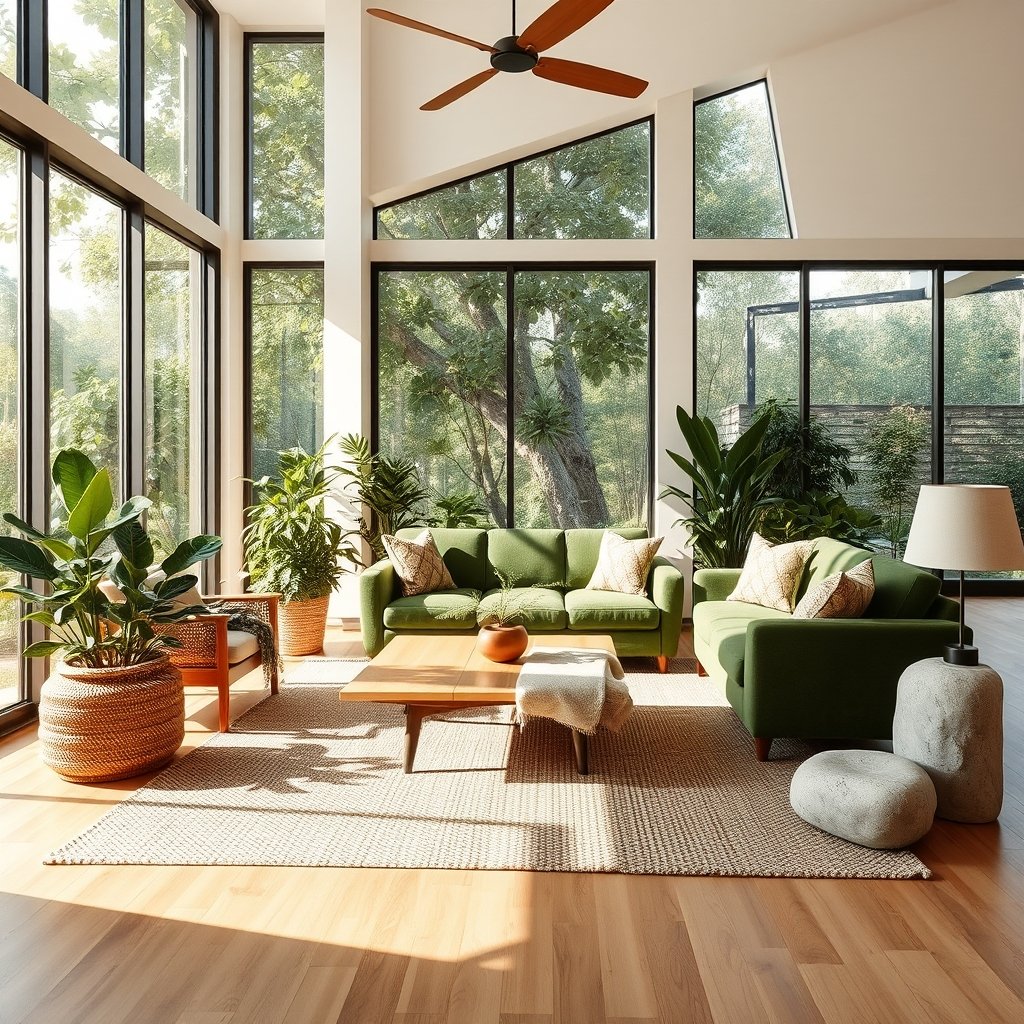
Regional hotspots are clear: North America accounts for about 40% of all biophilic furniture sales, Europe approximately 30%, and Asia-Pacific close to 25%, propelled by urbanization and a growing middle class. For product managers and founders targeting go-to-market regions, North America and Europe should receive launch priority, followed by select Asia-Pacific metros where demand for sustainable and premium decor is expanding fast. See detailed regional breakdown.
Top 3 consumer pain points (functionality, durability, price)
Despite rising sales, buyers consistently flag three pain points with biophilic interior design furniture:
- Limited functionality — Most options lack modular, adjustable, or multi-functional components. The integration of plant features often brings added plant care routines, rather than easy, seamless usability. For example, buyers complain about shelving units where integrated planters require separate watering and can damage wood surfaces.
- Durability concerns — Natural materials without specialized finishes often warp with moisture, show surface wear quickly, or come with ambiguous warranties (1 year or less). Moisture from plant systems is a recurring source of customer frustration. Example: Wooden coffee tables with built-in moss panels developing stains or delamination after a rainy season.
- Price premium — Biophilic items cost roughly 20–40% more than comparable standard pieces. Without clear long-term value, buyers are hesitant to invest, especially when finish wear and warranty terms aren’t transparent.
Brands addressing these pain points stand out in the mid-to-premium market. Consider referencing our in-depth guide on multifunctional furniture for inspiration.
Design elements and materials that reliably improve wellbeing
The evidence-based path: integrating certain forms, materials, and plant systems not only increases perceived value but also supports measurable wellbeing outcomes according to design literature. The essentials:
- Solid, sustainably sourced wood (FSC certified) — delivers tactile warmth and visual calm.
- Organic shapes and stone textures — reduce visual stress, creating a sense of flow.
- Tactile natural surfaces — rough/smooth contrasts mimic real landscapes and boost comfort.
- Integrated low-maintenance plant or moss systems — foster relaxation (studies show visible plant life in furniture increases physiological markers of decompression).
- High-performance, moisture-resistant finishes — enable wood and stone to withstand real-life use without sacrificing the naked-to-touch feel buyers crave.
However, every choice comes with tradeoffs: complex plant systems might drive up cost and maintenance. High-durability finishes can slightly diminish sensory authenticity but extend product lifespan and ROI. See recent research on biophilic design features and practical wood sourcing advice.
Pricing & cost drivers — what makes biophilic furniture more expensive
Biophilic interior design furniture carries a 20–40% price premium compared to conventional lines. Why?
- Core material sourcing — Sustainably or reclaimed wood, stone, and natural fibers cost more.
- Craftsmanship & finish — Non-mass-produced organic shapes and stone/wood texturing are labor-intensive.
- Environmental certifications — FSC, EPD, LCA add certification and compliance costs.
- Integrated plant systems — Require custom joinery, moisture barriers, and sometimes electrical/plumbing prep.
- Warranty and aftercare — Longer terms (3–5 years) and real customer support must be baked into the COGS.
Recommended price bands:
- Entry-tier: +20% over standard, basic plant or faux-green integration, FSC core.
- Premium-tier: +30–40% over standard, live low-maintenance plant/moss system, advanced texture and finish, 3–5 year warranty, LCA summary.
Position the premium as a total-value equation: enhanced durability, improved occupant wellbeing, and credible sustainability. For more granular pricing strategies, see our detailed analysis of quiet luxury home decor trends.
Sustainability, lifecycle footprint and benchmarks buyers care about
Nature inspired home furniture buyers—especially in Europe—scrutinize sourcing, manufacturing, and end-of-life impacts. Here’s how the leaders are responding:
- Source: FSC, PEFC-certified woods, recycled metals, low-VOC finishes; stone and marble sourced with environmental stewardship standards (EPD/LCA).
- Manufacture: Clean energy use, zero-waste offcuts, local production when possible to minimize transport footprint.
- Transport: Bulk shipment, minimal/biodegradable packaging, carbon offset programs.
- End-of-life: Modular components for replacement/repair, easy recyclability, reclaimable finishes.
Key labels to pursue: FSC, EPD/LCA, “recycled content” % transparency. These reduce buyer barriers and communicate genuine commitment, not greenwashing. For a full breakdown, see the guide to sustainable furniture brands, and market reports highlighting the sustainability premium.
Evidence gaps & under‑covered angles (SEO opportunity)
While competitors focus on aesthetics or inspiration, buyer research reveals three under-addressed topics critical to conversion and long-term customer satisfaction:
- Durability testing, maintenance, and transparent warranties — Few brands publish real data on wear, finish longevity, or plant system lifespan for biophilic interior design furniture. Detailed test results and maintenance guides attract serious buyers.
- Quantified environmental benchmarks — Actual EPD/LCA numbers, cradle-to-grave footprint, and post-consumer recycling rates build trust and bolster claims of sustainability.
- Scalable modularity and practical plant integration — Urban buyers want multi-functional modular systems with integrated planters or moss features that need minimal care (self-watering trays, sensor-based alerts). Practical upkeep instructions for urban settings remain rare.
Building content and product documentation around these pain points is a direct response to real user need—and a proven way to build product and SEO authority. Compare notes with the latest design trend analyses.
Leading tech & smart features to differentiate product offerings
Today’s biophilic interior design furniture stands out when smart integrations support ease-of-use and wellbeing:
- Automated irrigation and moisture sensors for live planter integration—solving maintenance and overwatering issues.
- Air-quality sensing and (optionally) filtration built into seating or tables for improved indoor comfort.
- Adaptive LED lighting: fixtures embedded in shelves or panels mimic daylight cycles and double as sculptural elements.
- Modular smart connectors: tracks, hidden power ports, and rapid-join systems for reconfiguration as space needs shift.
While these add cost, they can strongly differentiate premium and ultra-premium tiers. Modular smart plant systems, for example, are increasingly common in modular small-apartment furniture and boost both functionality and market value.
Product spec checklist — minimums for a successful premium line
To reduce buyer friction and maximize perceived value, every biophilic/premium SKU should meet or exceed these spec minimums:
- Sustainably sourced core materials (FSC, PEFC, equivalent)
- Moisture-resistant, tactile finishes
- Modular joinery for replacement and configuration flexibility
- Integrated plant or moss options (with self-watering/faux alternatives for low-maintenance buyers)
- Transparent warranty with clearly spelled out exclusions (minimum 3–5 years on structure and finish)
- Short LCA/EPD summary in product documentation
- Optional smart upgrade tier (lighting, air quality, irrigation, modular power)
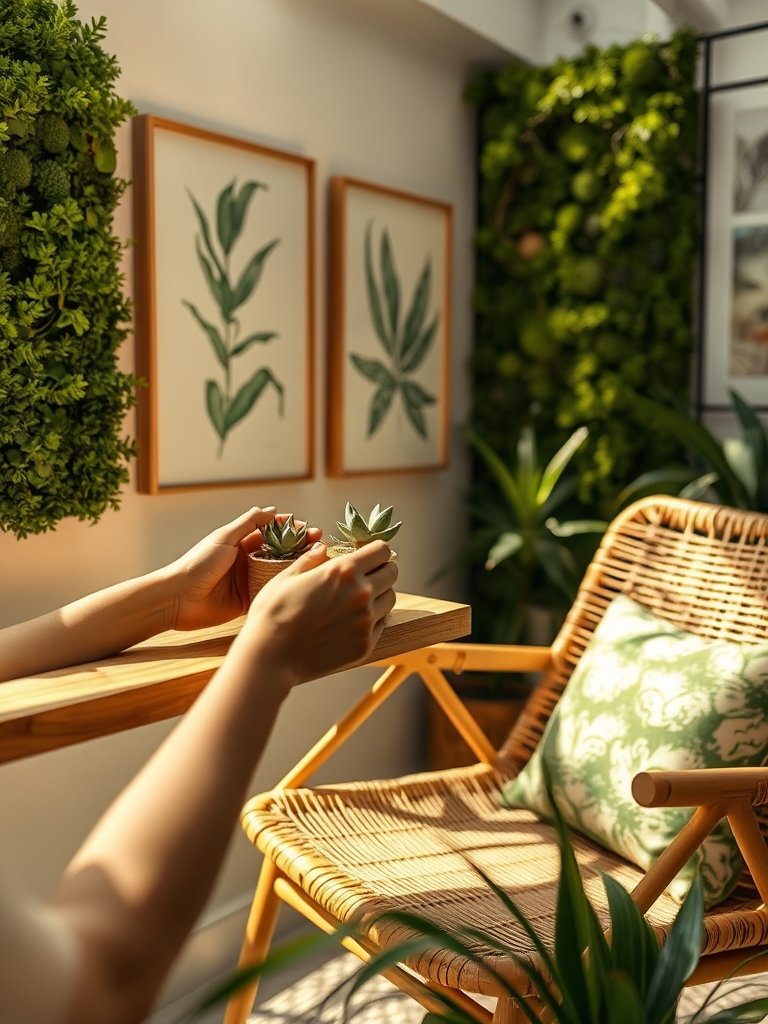
Citing these specs directly in product listings or launches helps differentiate amidst generic or loosely “inspired” offerings. For related specification blueprints, review our take on curved furniture trends.
Go‑to‑market and messaging playbook (positioning, price justification, target regions)
Bringing biophilic interior design furniture to market in 2024–2026 requires unambiguous messaging:
- Positioning: “Wellbeing meets proven sustainability meets practical durability”
- Tiers: Offer basic, premium, and smart upgrade lines; all tiers should meet durability and warranty benchmarks, with smart tiers adding plant/lighting/air integrations.
- Target regions: Launch in North America (~40% of category sales), Europe (~30%), and Asia-Pacific metros (~25%) as the next wave. Prioritize affluent and sustainability-oriented urban centers.
Tagline options:
- “Nature, Engineered for Living: Furniture That Lasts”
- “Sustainably Built. Beautifully Alive.”
- “Functional Nature, Without the Upkeep”
With 45% of shoppers (2024) prioritizing nature-inspired design—expected to jump to 55% by 2026—highlight the convergence of wellbeing, sustainability, and long-term value to support your 20–40% premium price. For real-world modularity tips, see Japandi furniture solutions for small spaces.
Conclusion
Winning in the next wave of biophilic interior design furniture requires much more than inspiration. The brands that rigorously address verified buyer pain points, publish lifecycle and maintenance data, hit high product spec minimums, and clearly message the total wellbeing and sustainability premium will earn market leadership—especially across North America, Europe, and Asia-Pacific. Ready to upgrade your roadmap or portfolio? Use this guide as your launch checklist, and leverage data-driven features to justify higher margins and build lasting brand trust.
FAQ
How fast is the biophilic furniture market growing?
Biophilic interior design furniture is growing from about $32 billion in 2024 (~5% of global furniture sales) to an estimated $45 billion in 2026 (~7%), with fastest growth in North America, Europe, and Asia-Pacific.
What are the most common complaints with biophilic furniture?
Buyers report limited functionality (lack of modularity and challenging plant maintenance), durability/finish issues (especially moisture warping), and unclear price-to-value due to a significant price premium.
Which materials and features most improve occupant wellbeing?
Design literature underscores real wood, organic shapes, nature-inspired textures, and visible (preferably low-maintenance) plant integration for relaxation and connection to nature. See recent research for details.
How can brands justify the 20–40% price premium?
Transparent sourcing (FSC, EPD), longer warranties, integrated smart features, and clearly stated wellbeing benefits all build buyer trust and durable value. Premium positioning relies on real, verifiable product advantages.
What should be on a biophilic furniture spec sheet?
Mandatory: sustainably sourced core, high-performance moisture-resistant finish, modular joinery, integrated plant systems or faux options, 3–5 year warranty, published LCA/EPD summary, and optional smart integrations.