

Cat litter subscription is transforming how tech-savvy owners combine hygiene, sustainability, and convenience—especially when paired with an automatic cat litter box. For busy cat parents who expect more ROI from their home gadgets, integrating these systems can both streamline daily chores and shine a light on hidden costs that could surprise you down the road.
Key Takeaways
- Integrating a cat litter subscription with an automatic cat litter box can cut manual scooping, reduce waste, and clarify total ownership costs.
- Hidden fees, compatibility problems, and environmental claims are common pitfalls—always read the fine print and do a side-by-side cost check.
- Not every bundle or subscription is flexible; prioritize services with transparent TCO, reputable customer service, and proven automatic box reliability.
- Market snapshot — adoption and growth in 2024
- Why owners adopt subscriptions and automatic boxes (benefits)
- The top pain points and negative reviews — what users actually complain about
- Total cost comparison — monthly/annual costs vs. upfront investment
- Integration opportunities competitors miss (unique insight)
- Brands, bundles and ecosystem players — who bundles what and technical specs to check
- Subscription mechanics — cancellation, delivery cadence, and customization
- Environmental impact and sustainability claims evaluated
- Buying framework — who should subscribe, who should buy an automatic box, and when to combine both
- Maintenance, common troubleshooting and realistic expectations
- FAQ — rapid answers to purchase and integration questions
- Conclusion & recommended next steps (CTA)
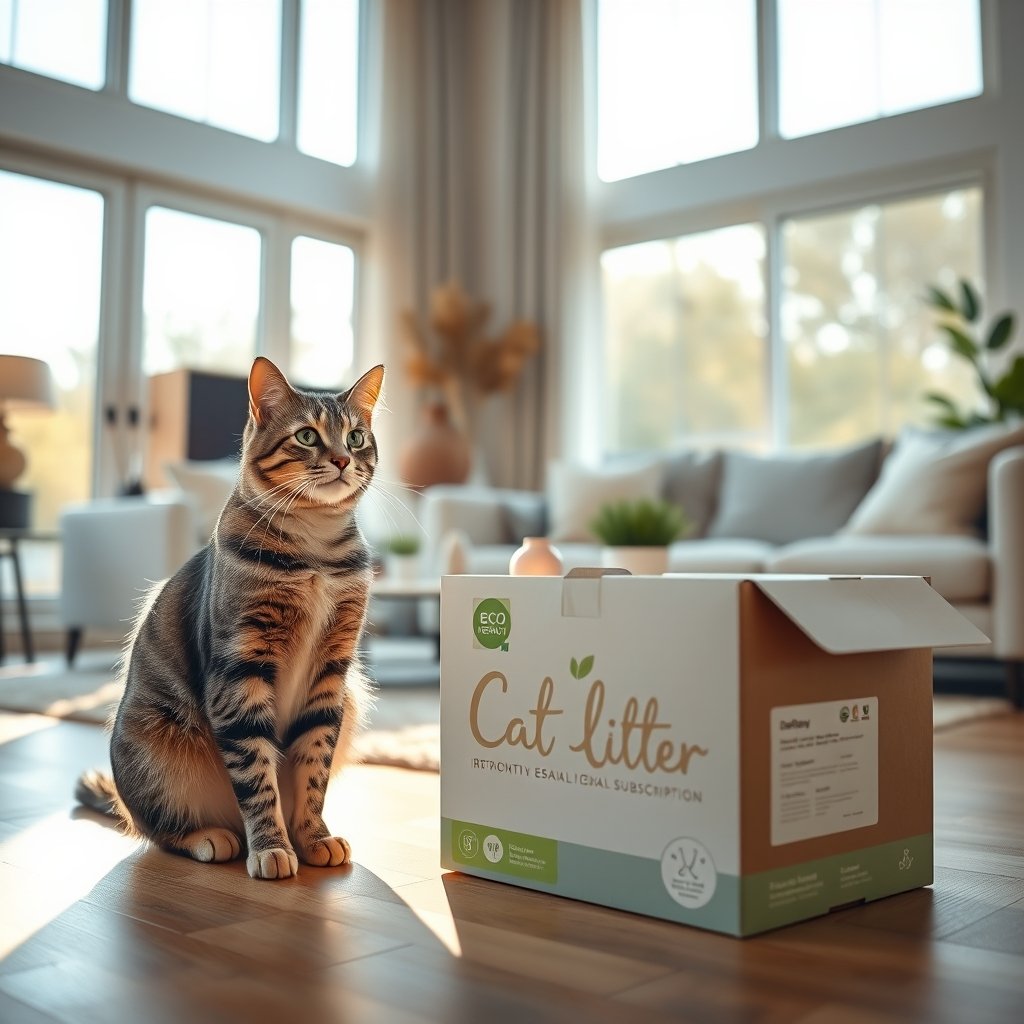
Market snapshot — adoption and growth in 2024
The cat litter industry is reinventing itself as modern pet owners demand more automation and convenience. In 2024, the U.S. automatic self-cleaning cat litter box market was valued around $125 million and is forecast to reach $182 million by 2030, according to industry reports, reflecting an annual growth rate near 6.6%. Globally, the smart-connected segment is even hotter—projected to surge from $267 million to over $527 million by 2034 (~10.3% annual growth).
Top automatic cat litter box models, such as the Litter-Robot, are now in more than 1.5 million homes. Meanwhile, cat litter subscription services are catching up fast, with about 20-25% of cat owners now using recurring delivery plans. The segment is expanding at 12-15% per year (2024), driven by the growing expectation that smart tech and replenishable supplies can and should work together.
Why owners adopt subscriptions and automatic boxes (benefits)
For busy, tech-forward cat owners, the appeal is simple: less time scooping, fewer odors, better hygiene, and more data. An automatic cat litter box cleans itself, handles multiple cats seamlessly, and—when paired with a compatible cat litter subscription—means you rarely run out of litter, and your maintenance schedule is as predictable as your streaming bill.
Consumer research in 2024 consistently highlights odor control and convenience as the top reasons to buy an automatic cat litter box. These models, often in the $200-$700 range for app-connected versions, delivered about 34.2% of premium-category sales last year. For households with multiple cats or allergy concerns, tying in a litter subscription with the automatic box not only reduces manual labor but improves overall cleanliness by keeping litter quality and quantity consistent (see PETKIT review guide for more).
The top pain points and negative reviews — what users actually complain about
While the theory is compelling, the reality can be bumpy:
- Automatic cat litter box complaints: high upfront price, reliability problems (clogs, motor or sensor failures), noisy cycling, unreliable app connectivity, picky cats that refuse to use new hardware, and occasional data privacy worries.
- Cat litter subscription complaints: inflexible delivery schedules, surprise fees, excess or hard-to-recycle packaging, shipping delays, poor customer service, and being forced into proprietary litter brands that lock you in.
According to 2024 reports, negative reviews stack up primarily around mechanical failures and shipping troubles—clogs with non-standard litter types, missed or delayed refills, or incompatible box-subscription combos.
Total cost comparison — monthly/annual costs vs. upfront investment
Time and cost are often underestimated. Here’s what a typical three-year total cost of ownership (TCO) looks like for a single-cat household:
| Solution | Upfront Cost | Monthly Supply Cost | Annual Supply Cost | 3-Year Total Cost | Effort |
|---|---|---|---|---|---|
| Manual scooping (supermarket litter) | $20 (basic box) | $16 | $192 | $596 | High (daily scooping) |
| Cat litter subscription (no automation) | $20 (basic box) | $21 | $252 | $776 | High (daily scooping) |
| Automatic cat litter box + subscription | $600 (mid-high end box) | $23 (special formula, liners) | $276 | $1,428 | Low (weekly bin change) |
Note: Actual numbers will vary by brand, box type, frequency, and the number of cats. Subscription discounts or bundled refills are rarely as cheap as weekly deals at warehouse stores, so always do a custom calculation before committing. Using a calculator like the one in our AI smart home hub setup guide can prevent sticker shock.
Integration opportunities competitors miss (unique insight)
Most top articles miss one core fact: today’s leading automatic cat litter boxes can track usage, bin weight, and even animal health—data that’s perfect for triggering litter reorders or customized delivery schedules. Brands such as Litter-Robot push this further with in-app alerts, waste-level sensors, and (in theory) integration hooks that could automate your whole litter workflow, but:
- Few subscription services plug directly into these smart sensors (yet). You still need to manually log into each service to reschedule or adjust a shipment.
- Cross-brand compatibility is a real headache—some boxes require proprietary liners or litter, meaning you could get locked in and miss out on bargains elsewhere.
- Environmental gains from better integration (optimized refill timing, less wasted litter, less excess shipping) are rarely measured or shared publicly.
Integration is possible but buyers must research actual compatibility—not all brands or sensors can “talk” to every litter subscription service yet. Expect this to change as API-driven pet ecosystems grow; check for partnerships before you buy.
Brands, bundles and ecosystem players — who bundles what and technical specs to check
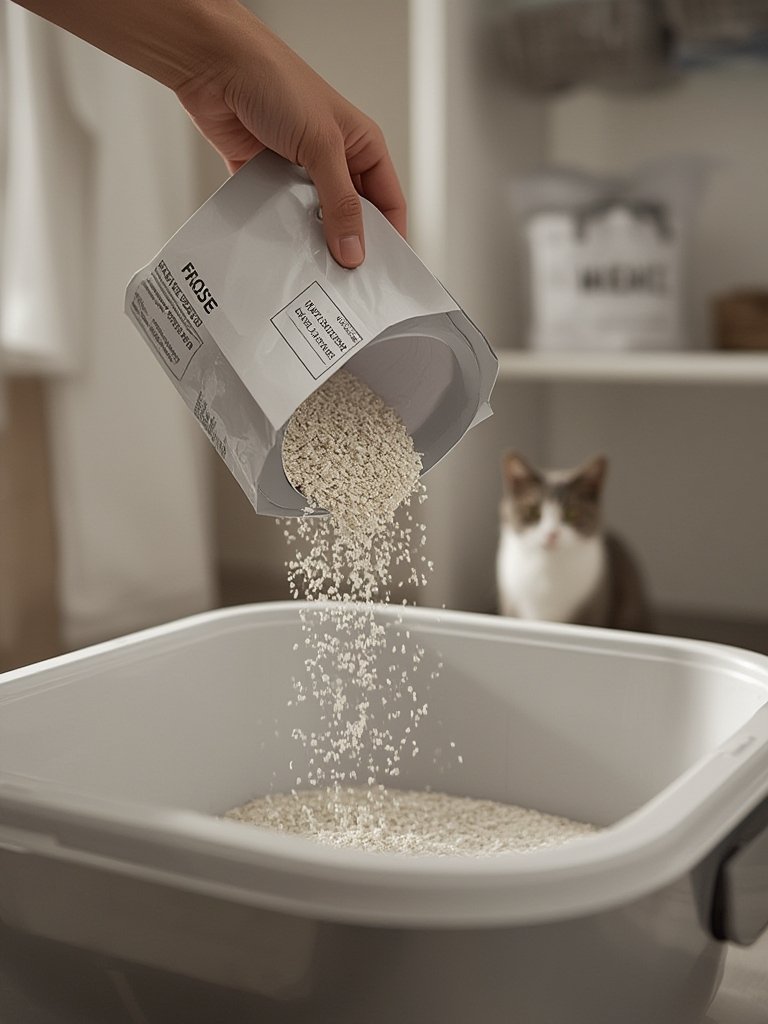
Litter-Robot (Whisker) is the clear market leader, with 1.5 million users worldwide and robust review volume. Their bundles often include the automatic cat litter box itself, a one- to three-month supply of proprietary clumping litter, bin liners, carbon filters, and access to a mobile app with usage/history tracking. Warranty is typically 1-2 years, but check for exclusions related to using non-official litter. Power specs are usually standard (110V/220V AC), but always verify if you’re outside North America.
PetSafe, CatGenie, and CATLINK offer similar bundles—most require specific granules or washable litter types and may push you toward ongoing subscription refills. Check:
- Litter type compatibility (clumping clay, crystal, plant-based, or proprietary blends).
- Waste bin size (is it adequate for your number of cats and refill frequency?).
- Sensor technology—optical, weight-based, or mechanical? More sensors can mean more alerts but also higher risk of failure.
- App features—does it track multiple cats, send health flags, or offer direct links to reorder refills?
- Warranty and return policy (many bundles are not fully refundable once litter is “consumed”).
For more detail on smart home ecosystems and pitfalls of single-brand lock-in, see our smart home retrofit DIY guide.
Subscription mechanics — cancellation, delivery cadence, and customization
The best cat litter subscription services let you:
- Modify delivery frequency (every 2, 4, 6, or 8 weeks).
- Change litter type or box size as your needs shift.
- Pause or skip shipments without a penalty.
- Cancel online, not just by phone—avoid red flags like hidden “switch fees” or hard-to-find contact options.
- Access clear terms for free shipping minimums, return eligibility (especially on the first box), and refund policies.
Yet, common complaints remain. About 20-25% of cat owners use subscriptions, but user reviews reveal frustration with inflexible delivery windows, surprise fees, and patchy customer service. Make sure you can “test” a subscription before locking in for 3-12 months. Ask:
- Can you mix-and-match with local retailers or only buy from the main company?
- Will you get a reminder before renewal and has the price changed since your last cycle?
- Are all litter formulas allowed in your box’s warranty (some proprietary blends void coverage)?
Environmental impact and sustainability claims evaluated
Demand for eco-friendly solutions is rising fast. Biodegradable litters, recycled or compostable packaging, and claims of minimal-waste refills are front-and-center in marketing, but reality varies. Make sure to:
- Confirm litter is truly compostable (not just “plant-based” or “biodegradable under industrial conditions”).
- Check if packaging is curbside recyclable or needs special drop-off.
- Ask about refill packs (smaller, lighter refills usually mean less total shipping emissions).
- Remember: Smart boxes use plastic and electronics—hardware tradeoffs remain, so offsetting with greener litter and fewer refills does matter.
Many users report frustration with the amount of disposable packaging shipped along with their cat litter subscription, undercutting environmental claims. Research-backed sustainability evaluations are rare outside of premium brands; skeptics are right to dig into company transparency before believing the hype. See more on this in our freeze dried raw pet food guide for pet sector transparency benchmarks.
Buying framework — who should subscribe, who should buy an automatic box, and when to combine both
This quick decision guide can help you find your optimal setup:
- Single-cat, budget-conscious household: Stick with a basic box and manual litter refills—unless allergies or persistent odor issues justify an upgrade.
- Busy or multi-cat home, high value on time or health monitoring: Automatic cat litter box is worth considering. Use a subscription if your local stores are unreliable or you want a steady supply with minimal planning.
- Maximum convenience, consistent ROI, and lowest daily hassle: Combine an automatic box and a compatible cat litter subscription—only after confirming integration, transparent terms, and no hidden lock-ins.
- Eco-priorities: Choose hardware and subscriptions from brands with certifiable sustainability practices, but expect some ongoing tradeoffs.
With 20-25% subscription adoption and automatic box market growth confirmed ($125M in 2024 to $182M by 2030), the “combo” solution makes sense if you want to outsource all scooping and supplies for the next 3-5 years—and are ready to pay for it up front.
Maintenance, common troubleshooting and realistic expectations
No system is truly “set and forget.” Automatic cat litter boxes still require:
- Weekly to biweekly waste bin changes.
- Sensor or motor cleaning every few months (lint, clumping dust, or stray waste can block smooth operation).
- Monitoring for “error” alerts—early warning for clogs, overfull bins, or cats not triggering the sensor correctly.
Common troubleshooting tips:
- Only use recommended litter (wrong type can clog or jam the motor—voiding warranty).
- App connectivity glitches? Update firmware and double-check WiFi reliability before blaming the hardware.
- If multiple cats use the same box, check if the unit tracks usage for all of them—some are not yet multi-cat aware.
Maintenance burden drops, but never hits zero—plan a 5-10 minute checkup every week even with full automation. Realistic expectations and proactive care are key to getting maximum life from expensive hardware bundles.
Conclusion & recommended next steps (CTA)
Cost, convenience, and compatibility all drive ROI from integrating a cat litter subscription with an automatic cat litter box. Before you swipe your card, compare three-year TCO, check real-world reviews, and use a compatibility checklist (like those in our indoor cat enrichment toys guide or pet water fountain guide for similar frameworks).
The momentum is clear: subscriptions are growing 12-15% annually, automatic boxes are now in 1.5 million homes, and more services are adding smarter integration every year. If you value hygiene, less scooping, and predictable monthly costs, now is the time to trial a cat litter subscription and, if needed, pair with an automatic cat litter box for maximum daily simplicity.
FAQ — rapid answers to purchase and integration questions
Can I use any litter with my automatic cat litter box?
Not always. Many automatic boxes require a specific clumping or crystal litter. Check your box’s manual for approved types—using non-listed litters may void your warranty.
How do I sync my cat litter subscription with my box’s usage data?
Most systems don’t auto-sync yet. Some brands are piloting app integrations, but for now, track usage manually or with a smart home hub. Look for brands announcing partnerships or open APIs in the next year or two.
What’s the main red flag for cat litter subscription buyers?
Watch for inflexible contracts (12-month minimum), hidden delivery fees, and lackluster customer service. Always review cancellation policies before subscribing.
Does app-connected hardware put my data at risk?
Consumer complaints do mention privacy worries. Only connect devices to secured WiFi and read data policies before enabling health tracking or remote management features.
Can I use the same automatic cat litter box for multiple cats?
Yes if the model supports multi-cat tracking. Always check weight and bin volume specs—too many cats can overwhelm entry-level units (bin overflow or sensor misfires).